

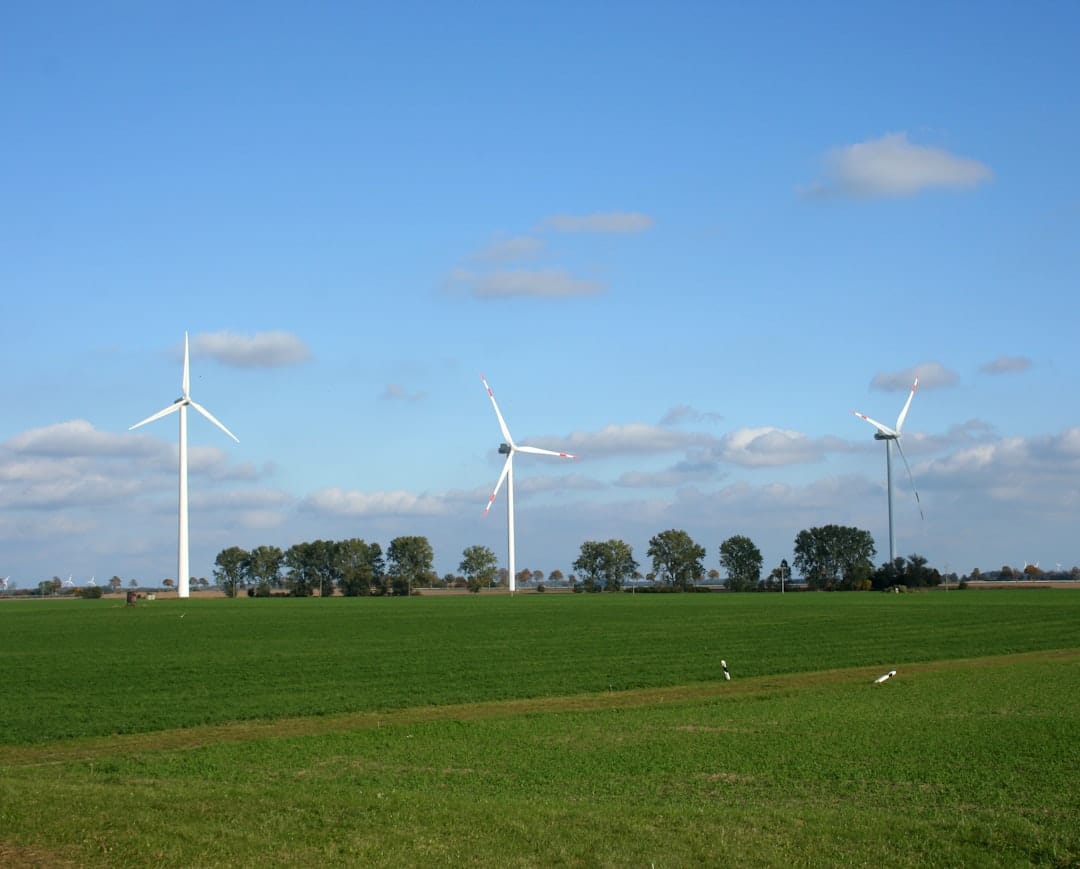
The concept of decentralized renewable energy microgrids has gained significant traction in recent years, driven by a combination of technological advancements, environmental concerns, and the need for energy resilience. Unlike traditional energy systems that rely on centralized power plants, microgrids operate on a smaller scale and can generate, distribute, and manage energy locally. This shift towards decentralization is largely fueled by the increasing availability of renewable energy sources such as solar, wind, and biomass, which can be harnessed at the community level. As communities seek to reduce their carbon footprints and enhance energy security, microgrids have emerged as a viable solution.
The rise of decentralized renewable energy microgrids is also influenced by the growing awareness of climate change and the need for sustainable energy solutions. Governments, businesses, and individuals are recognizing the limitations of fossil fuels and the importance of transitioning to cleaner energy sources. This transition is not only about reducing greenhouse gas emissions but also about creating a more resilient energy infrastructure that can withstand natural disasters and other disruptions. As a result, many regions are investing in microgrid technology to enhance their energy independence and reliability.
In exploring the potential of decentralized renewable energy microgrids, it’s essential to consider the technological advancements that can support their implementation. A related article that discusses the importance of selecting the right tools for creative professionals is available at The Best Laptops for Graphic Design in 2023. This article highlights the significance of using powerful and efficient devices, which can play a crucial role in designing and managing innovative energy solutions in the future.
Key Takeaways
- Decentralized renewable energy microgrids are rapidly emerging as a key solution for localized, sustainable power generation.
- They offer benefits such as increased energy resilience, reduced transmission losses, and enhanced integration of renewable sources.
- Adoption faces challenges including high initial costs, regulatory hurdles, and technical integration issues.
- Advances in smart grid technology, energy storage, and IoT are driving the evolution and efficiency of these microgrids.
- Supportive policies, community engagement, and innovative financing are crucial for scaling microgrid deployment and achieving sustainability goals.
Advantages of Decentralized Renewable Energy Microgrids
Decentralized renewable energy microgrids offer several advantages that make them an attractive option for communities and organizations. One of the primary benefits is increased energy resilience. By generating power locally, microgrids can operate independently from the central grid during outages or emergencies. This capability is particularly valuable in areas prone to extreme weather events or other disruptions that can compromise traditional energy supply chains. Communities equipped with microgrids can maintain essential services, such as hospitals and emergency response centers, even when the larger grid fails.
Another significant advantage is the potential for cost savings. Microgrids can reduce transmission losses associated with long-distance electricity transport and lower energy costs for consumers. By utilizing local renewable resources, communities can decrease their reliance on imported fossil fuels, which are subject to price volatility. Additionally, microgrids can facilitate energy trading among local users, allowing for more efficient use of resources and potentially lowering overall energy expenses. This economic benefit can be particularly impactful in underserved or rural areas where access to affordable energy has historically been limited.
Challenges and Barriers to the Adoption of Decentralized Renewable Energy Microgrids
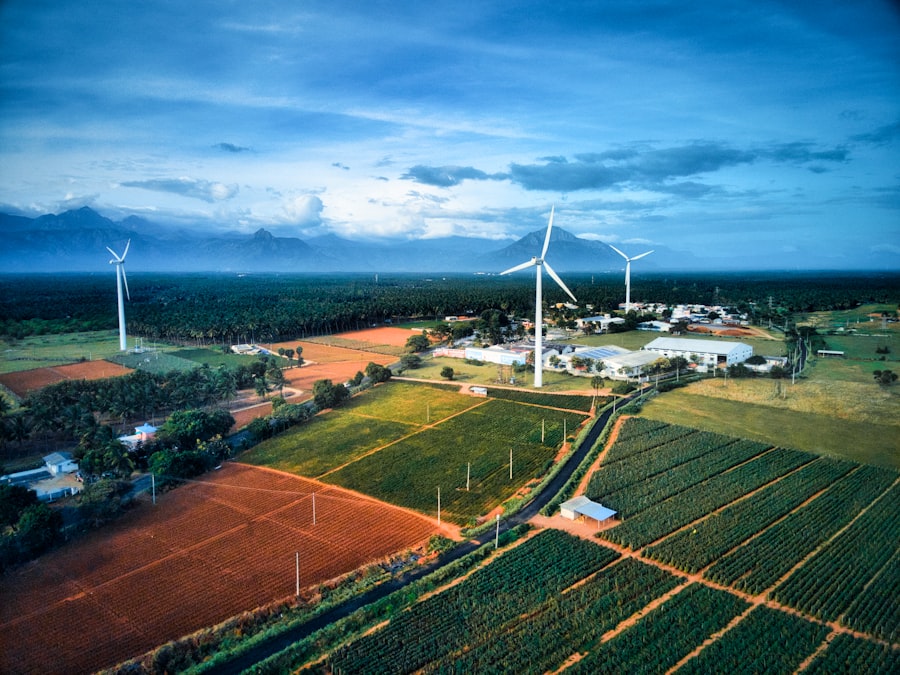
Despite their advantages, the adoption of decentralized renewable energy microgrids faces several challenges and barriers. One major obstacle is the regulatory landscape, which can vary significantly from one jurisdiction to another.
In many regions, existing regulations may not adequately support the development of microgrids or may impose restrictions that hinder their implementation.
For instance, interconnection standards and grid access rules can complicate the integration of microgrids into the existing energy infrastructure. Navigating these regulatory hurdles often requires significant time and resources.
Another challenge is the initial capital investment required to establish a microgrid. While operational costs may be lower in the long run, the upfront expenses associated with technology deployment, infrastructure development, and system integration can be substantial. This financial barrier can deter potential investors and limit the ability of communities to pursue microgrid projects. Additionally, there may be a lack of technical expertise in some areas, making it difficult to design, implement, and maintain these systems effectively. Addressing these challenges will require coordinated efforts among stakeholders, including government agencies, private sector players, and local communities.
Technological Innovations Driving the Future of Decentralized Renewable Energy Microgrids

Technological innovations are playing a crucial role in shaping the future of decentralized renewable energy microgrids. Advances in energy storage technologies, such as batteries and other storage systems, have significantly enhanced the reliability and efficiency of microgrids. These storage solutions allow for the capture and use of excess energy generated during peak production times, ensuring a steady supply even when renewable sources are not actively generating power. As battery technology continues to improve, with reductions in cost and increases in capacity, the viability of microgrids will likely expand.
Moreover, smart grid technologies are transforming how microgrids operate by enabling real-time monitoring and management of energy resources. Through advanced data analytics and communication systems, operators can optimize energy distribution based on demand patterns and resource availability. This capability not only enhances efficiency but also allows for better integration of diverse energy sources within a microgrid. The Internet of Things (IoT) is also contributing to this evolution by facilitating connectivity among devices and systems, enabling more responsive and adaptive energy management strategies.
In exploring the potential of decentralized renewable energy microgrids, it’s essential to consider the broader implications of technology in various sectors. For instance, the integration of advanced software solutions can significantly enhance the design and efficiency of energy systems. A related article that delves into innovative tools is available here, where you can discover insights on the best lighting design software of 2023. This connection highlights how technology not only shapes energy solutions but also impacts other areas, paving the way for a more sustainable future.
Policy and Regulatory Considerations for Decentralized Renewable Energy Microgrids
| Metric | Current Status (2024) | Projected Status (2030) | Notes |
|---|---|---|---|
| Global Installed Capacity (GW) | 15 | 75 | Significant growth driven by policy support and technology advances |
| Number of Microgrid Projects | 1,200 | 6,000 | Expansion in rural and off-grid areas worldwide |
| Average Energy Storage Capacity per Microgrid (kWh) | 500 | 2,000 | Improved battery technologies and cost reductions |
| Renewable Energy Share in Microgrids (%) | 70% | 90% | Higher integration of solar, wind, and other renewables |
| Cost Reduction in Installation (compared to 2020) | 30% | 60% | Economies of scale and technological innovation |
| Carbon Emission Reduction (Mt CO2e/year) | 10 | 50 | Contribution to global climate goals |
| Community Energy Access Improvement (%) | 25% | 75% | Enhanced energy security and affordability |
| Integration with Smart Grid Technologies | Moderate | High | Advanced control and optimization through IoT and AI |
The successful implementation of decentralized renewable energy microgrids hinges on supportive policy frameworks and regulatory environments. Policymakers play a critical role in establishing guidelines that promote innovation while ensuring safety and reliability in energy systems. Effective policies can incentivize investment in microgrid technologies through tax credits, grants, or subsidies that lower financial barriers for developers and communities alike. Additionally, streamlined permitting processes can facilitate quicker deployment of microgrid projects.
Regulatory considerations also include establishing clear interconnection standards that allow microgrids to connect seamlessly with the larger grid when necessary. This connectivity is essential for ensuring that excess energy generated by microgrids can be fed back into the grid or that they can draw power during periods of low local generation. Furthermore, regulations should address issues related to energy trading among users within a microgrid to promote economic efficiency and encourage local participation in energy markets.
In exploring the advancements in decentralized renewable energy microgrids, one can gain further insights by reading an article that discusses the innovative features of modern technology, such as the Samsung Galaxy S21. This device exemplifies how cutting-edge technology can enhance connectivity and efficiency, which are crucial for the successful implementation of microgrid systems. To learn more about these technological advancements, you can check out the article here.
Community and Social Impact of Decentralized Renewable Energy Microgrids
Decentralized renewable energy microgrids have the potential to create significant social impacts within communities. By providing access to reliable and affordable energy, these systems can enhance quality of life for residents while fostering economic development. In many cases, microgrids empower communities to take control of their energy resources, leading to increased local engagement in decision-making processes related to energy management. This empowerment can strengthen community ties and promote collaboration among residents.
Moreover, microgrids can contribute to social equity by addressing disparities in energy access. In underserved areas where traditional grid infrastructure may be lacking or unreliable, microgrids offer an alternative solution that can bring electricity to those who need it most. By prioritizing renewable sources, these systems also align with broader environmental justice goals by reducing pollution and promoting sustainable practices within vulnerable communities.
Investment and Financing Opportunities in Decentralized Renewable Energy Microgrids
Investment in decentralized renewable energy microgrids presents various opportunities for stakeholders across sectors. As interest in sustainable energy solutions grows, private investors are increasingly looking at microgrid projects as viable options for generating returns while contributing to environmental goals. Public-private partnerships can also play a significant role in financing these initiatives by combining resources from government entities with private sector expertise and capital.
Innovative financing models are emerging to support the development of microgrids. For instance, community-based financing approaches allow residents to invest directly in local projects, fostering a sense of ownership and commitment to sustainability efforts. Additionally, green bonds and impact investing are gaining traction as mechanisms for funding renewable energy initiatives while addressing social and environmental challenges. These financing opportunities not only help overcome initial capital barriers but also encourage broader participation in the transition toward decentralized energy systems.
The Role of Decentralized Renewable Energy Microgrids in Achieving Sustainable Development Goals
Decentralized renewable energy microgrids play a vital role in advancing several Sustainable Development Goals (SDGs) established by the United Nations. Goal 7 emphasizes ensuring access to affordable, reliable, sustainable, and modern energy for all; microgrids directly contribute to this objective by providing localized solutions that enhance energy access in underserved areas. By harnessing renewable resources, these systems also support Goal 13 on climate action by reducing greenhouse gas emissions associated with traditional fossil fuel-based power generation.
Furthermore, microgrids can foster economic growth (Goal 8) by creating jobs in installation, maintenance, and operation while promoting local entrepreneurship through energy-related businesses. They also contribute to Goal 11 on sustainable cities and communities by enhancing urban resilience through localized energy solutions that reduce dependence on centralized infrastructure. As communities increasingly adopt decentralized renewable energy microgrids, they not only address immediate energy needs but also contribute to broader global efforts toward sustainability and resilience in the face of climate change challenges.
FAQs
What are decentralized renewable energy microgrids?
Decentralized renewable energy microgrids are localized energy systems that generate, distribute, and regulate electricity independently from the traditional centralized grid. They typically use renewable energy sources such as solar, wind, or biomass to provide power to a specific community or area.
How do decentralized microgrids benefit communities?
Decentralized microgrids enhance energy reliability, reduce transmission losses, and increase resilience against outages. They empower communities by providing access to clean, affordable energy, promoting sustainability, and enabling energy independence, especially in remote or underserved regions.
What technologies are commonly used in renewable energy microgrids?
Common technologies include solar photovoltaic panels, wind turbines, energy storage systems like batteries, smart inverters, and advanced control systems. These components work together to optimize energy generation, storage, and distribution within the microgrid.
What challenges do decentralized renewable energy microgrids face?
Challenges include high initial capital costs, regulatory and policy barriers, technical complexities in integrating diverse energy sources, and the need for skilled personnel to manage and maintain the systems. Additionally, ensuring cybersecurity and interoperability with existing grids can be complex.
What is the future outlook for decentralized renewable energy microgrids?
The future of decentralized renewable energy microgrids is promising, driven by advancements in technology, decreasing costs of renewable components, and increasing demand for sustainable energy solutions. They are expected to play a critical role in achieving energy access, reducing carbon emissions, and enhancing grid resilience worldwide.