

Biometric authentication is a security technology that verifies identity using an individual’s unique physiological or behavioral characteristics. This method differs from conventional authentication systems like passwords or PINs, which are vulnerable to theft, loss, or compromise. Biometric systems analyze inherent human traits including fingerprints, facial features, iris patterns, voice characteristics, and behavioral indicators such as typing patterns or walking gait.
The technology operates on the principle that each person possesses measurable biological markers that provide reliable identity verification. The expansion of digital infrastructure and increasing cybersecurity threats have accelerated the adoption of biometric authentication systems. Organizations across multiple industries are implementing these technologies to protect sensitive data as traditional security methods prove insufficient against evolving cyber attacks.
Biometric systems offer enhanced security while improving user convenience by removing the requirement for complex password management. This combination of security and usability has driven implementation across banking, healthcare, government, and other sectors requiring secure access control.
Key Takeaways
- Biometric authentication uses unique physical or behavioral traits for identity verification.
- Recent advancements have improved accuracy and speed of biometric systems.
- Biometric technology is increasingly integrated into daily activities like unlocking devices and payments.
- It plays a crucial role in enhancing digital security and protecting online identities.
- Ethical, privacy, and healthcare implications must be carefully managed as biometric use expands.
Advancements in Biometric Technology
The landscape of biometric technology has witnessed remarkable advancements over the past few years, driven by innovations in machine learning, artificial intelligence, and sensor technology. One of the most significant developments is the enhancement of facial recognition systems. Modern algorithms can now analyze facial features with unprecedented accuracy, even in challenging conditions such as low light or varying angles.
For instance, companies like Apple and Google have integrated advanced facial recognition into their devices, allowing users to unlock smartphones and make secure payments with just a glance. This technology has evolved from simple image matching to sophisticated systems capable of recognizing faces in real-time, making it a cornerstone of modern biometric authentication. Another notable advancement is in fingerprint recognition technology.
Traditional fingerprint scanners often required physical contact, which posed hygiene concerns and limited usability. However, the advent of capacitive and optical sensors has revolutionized this field. These sensors can capture high-resolution images of fingerprints without direct contact, enabling seamless authentication experiences.
Moreover, the integration of fingerprint recognition into mobile devices has made it ubiquitous; users can now unlock their phones or authorize transactions with a simple touch. The continuous improvement in sensor accuracy and speed has made fingerprint biometrics one of the most reliable forms of authentication available today.
Biometric Authentication in Everyday Life
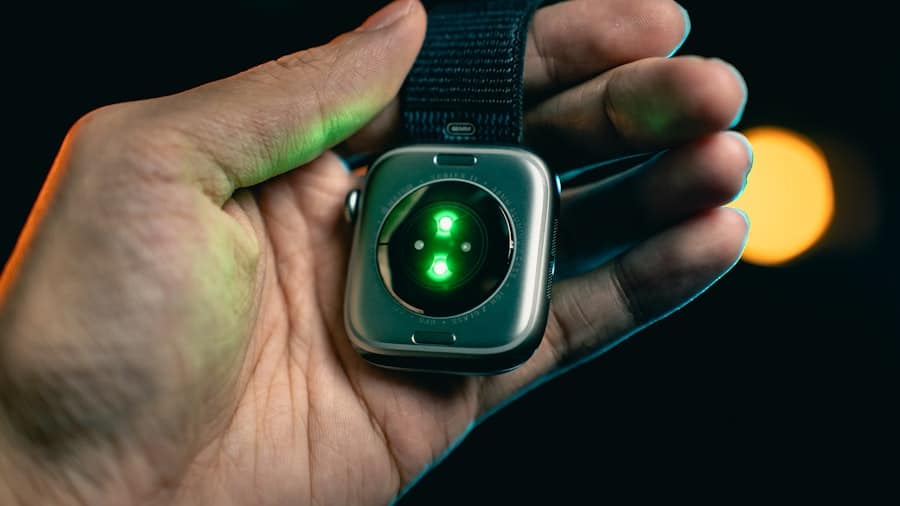
Biometric authentication has seamlessly integrated into our daily routines, often without us even realizing it. One of the most common applications is in smartphones, where users can unlock their devices using fingerprint or facial recognition technology. This convenience not only enhances user experience but also provides a layer of security that traditional methods cannot match.
For example, mobile banking apps now frequently utilize biometric authentication to authorize transactions, ensuring that only the rightful owner can access sensitive financial information. This shift towards biometrics in personal devices reflects a broader trend towards prioritizing security and user convenience in technology design. Beyond personal devices, biometric authentication is increasingly being adopted in public spaces and workplaces.
Many organizations have implemented biometric access control systems to secure their facilities. These systems often use fingerprint or iris scanners to grant entry to authorized personnel while preventing unauthorized access. For instance, airports around the world are employing biometric technology to streamline passenger processing.
Travelers can use facial recognition systems to check in and pass through security checkpoints more efficiently, reducing wait times and enhancing overall travel experiences. Such implementations highlight how biometric authentication is not just a technological advancement but a transformative force in enhancing security and efficiency in everyday life.
Biometric Authentication in the Digital World
In the digital realm, biometric authentication is becoming an essential component of cybersecurity strategies. As cyber threats become more sophisticated, organizations are turning to biometrics as a means to protect sensitive data and systems. For instance, many online services now offer biometric login options that allow users to authenticate their identities using fingerprints or facial recognition instead of traditional passwords.
This shift is particularly significant given that studies have shown that a substantial percentage of users struggle with password management, often resorting to weak or reused passwords that are easily compromised. Moreover, biometric authentication is playing a crucial role in securing financial transactions. Financial institutions are increasingly adopting biometric solutions to verify customer identities during online banking activities or mobile payments.
For example, some banks utilize voice recognition technology to authenticate customers over the phone, ensuring that only authorized individuals can access their accounts. This not only enhances security but also builds customer trust in digital banking services. As more businesses recognize the importance of robust security measures in protecting customer data, the integration of biometric authentication into digital platforms is likely to expand further.
The Future of Biometric Authentication in Security
| Metric | Current Status | Future Projection (5-10 years) | Notes |
|---|---|---|---|
| Accuracy of Biometric Systems | 95-98% | 99.9%+ | Improved AI and sensor technology will reduce false positives/negatives |
| Adoption Rate in Consumer Devices | 60% | 85-90% | Expansion beyond smartphones to wearables and IoT devices |
| Types of Biometrics Used | Fingerprint, Face, Iris | Vein patterns, heartbeat, brainwaves, behavioral biometrics | Shift towards non-invasive and continuous authentication methods |
| Security Breach Incidents | Moderate (increasing) | Reduced significantly | Enhanced encryption and decentralized storage methods |
| User Convenience | High | Very High | Seamless, continuous authentication without user intervention |
| Privacy Concerns | High | Mitigated | Advances in privacy-preserving technologies and regulations |
| Integration with AI | Moderate | Extensive | AI-driven adaptive authentication and anomaly detection |
Looking ahead, the future of biometric authentication appears promising as technology continues to evolve. One area poised for growth is multimodal biometrics, which combines multiple biometric traits for enhanced security. For instance, a system might require both facial recognition and fingerprint scanning for access, significantly reducing the likelihood of unauthorized entry.
This layered approach not only increases security but also addresses some of the limitations associated with single-modal systems, such as false positives or negatives. Additionally, advancements in artificial intelligence are expected to further refine biometric systems’ accuracy and efficiency. AI algorithms can analyze vast amounts of data to improve recognition rates and adapt to changing conditions over time.
For example, machine learning models can learn from user interactions to minimize errors in facial recognition systems or adapt to changes in an individual’s appearance due to aging or other factors. As these technologies mature, we may see widespread adoption across various sectors, including law enforcement, border control, and personal security devices.
Ethical and Privacy Concerns in Biometric Authentication
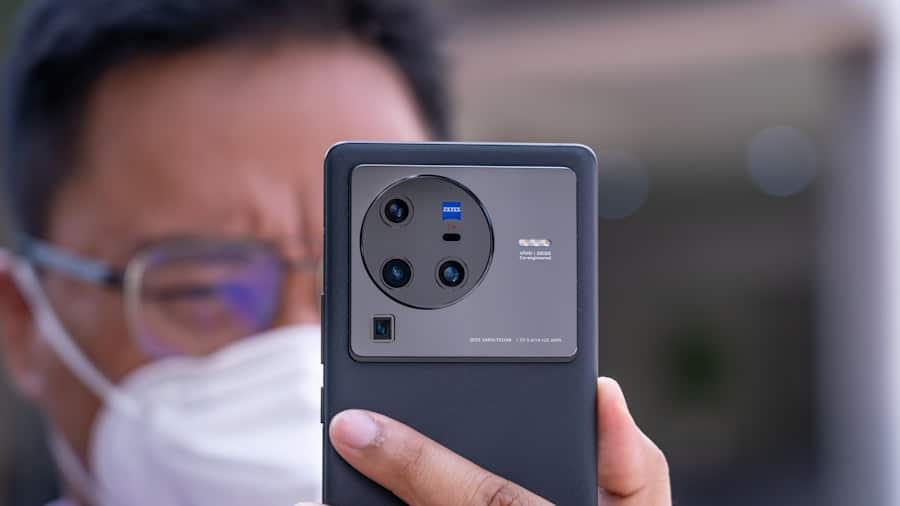
Despite its many advantages, biometric authentication raises significant ethical and privacy concerns that must be addressed as its use becomes more widespread. One primary concern revolves around data privacy; biometric data is inherently sensitive because it is tied directly to an individual’s identity. Unlike passwords that can be changed if compromised, biometric traits cannot be altered once they are collected.
This permanence raises questions about how this data is stored, who has access to it, and how it is protected from breaches. Moreover, there are concerns regarding surveillance and potential misuse of biometric data by governments or corporations. The implementation of facial recognition technology in public spaces has sparked debates about civil liberties and the potential for mass surveillance.
Critics argue that such technologies could lead to invasive monitoring practices that infringe on individual privacy rights. Additionally, there are fears about bias in biometric systems; studies have shown that some facial recognition algorithms perform less accurately for individuals with darker skin tones or certain demographic characteristics. Addressing these ethical dilemmas will be crucial as society navigates the balance between security and individual rights.
Biometric Authentication in Healthcare and Medicine
In the healthcare sector, biometric authentication is revolutionizing patient identification and data security practices. Accurate patient identification is critical for ensuring safe medical care; misidentification can lead to serious medical errors or compromised patient safety.
For instance, hospitals are increasingly implementing fingerprint scanning systems at admission points to ensure that patients receive the correct treatments based on their medical records. Furthermore, biometric authentication enhances data security within healthcare systems by restricting access to sensitive patient information. With stringent regulations like HIPAA (Health Insurance Portability and Accountability Act) governing patient privacy in the United States, healthcare organizations must implement robust security measures to protect electronic health records (EHRs).
Biometric solutions provide an effective means of ensuring that only authorized personnel can access confidential patient data. By integrating biometrics into their security protocols, healthcare providers can significantly reduce the risk of data breaches while maintaining compliance with regulatory requirements.
The Potential of Biometric Authentication Beyond the Body
As we explore the potential of biometric authentication beyond its traditional applications, it becomes clear that this technology holds promise for various innovative uses across different fields. Beyond physical traits like fingerprints or facial features, researchers are investigating behavioral biometrics—such as keystroke dynamics or mouse movement patterns—as additional layers of identity verification. These behavioral traits can provide insights into user habits and preferences while enhancing security measures against unauthorized access.
Moreover, the integration of biometrics with emerging technologies such as blockchain could pave the way for decentralized identity verification systems that empower individuals with greater control over their personal data. By leveraging biometrics alongside secure blockchain networks, users could authenticate their identities without relying on centralized databases vulnerable to breaches or misuse. This convergence of technologies could redefine how we approach identity verification in an increasingly digital world.
In summary, while biometric authentication presents numerous advantages in terms of security and convenience across various sectors—from everyday life applications to healthcare—it also necessitates careful consideration of ethical implications and privacy concerns as we move forward into an era where our biological traits become integral components of our digital identities.
In exploring the advancements in biometric authentication, it’s interesting to consider how these technologies might integrate with various devices, including tablets. For instance, the article on the best Apple tablets in 2023 discusses the latest features and capabilities of these devices, which often include biometric security measures such as Face ID and Touch ID. You can read more about it in this article:

<ul class=)