


Augmented hearing devices represent a significant leap forward in auditory technology, merging the realms of traditional hearing aids with advanced digital capabilities. These devices are designed not only to amplify sound but also to enhance the listening experience by filtering background noise, providing directional sound, and even connecting to smartphones and other digital platforms. The evolution of these devices has been driven by a growing understanding of auditory processing and the need for more personalized hearing solutions.
As society becomes increasingly aware of the importance of hearing health, augmented hearing devices are emerging as essential tools for individuals with hearing impairments, as well as for those seeking to enhance their auditory experiences in various environments. The concept of augmented hearing extends beyond mere amplification; it encompasses a range of functionalities that cater to diverse listening needs. For instance, augmented hearing devices can be programmed to adapt to different environments, such as bustling restaurants or quiet libraries, allowing users to engage more fully in conversations and activities.
This adaptability is crucial in a world where soundscapes are constantly changing. Furthermore, the integration of artificial intelligence (AI) into these devices has opened new avenues for customization, enabling users to tailor their auditory experiences based on personal preferences and specific listening situations. As we delve deeper into the current technology and advancements in this field, it becomes evident that augmented hearing devices are not just tools for the hard of hearing; they are transformative technologies that enhance human interaction with sound.
Key Takeaways
- Augmented hearing devices enhance auditory experiences beyond traditional hearing aids.
- Recent advancements include AI integration and improved sound clarity.
- These devices significantly improve communication and quality of life for users.
- Future innovations may offer seamless integration with other smart technologies.
- Accessibility and ethical considerations remain critical for widespread adoption.
Current Technology and Advancements
The landscape of augmented hearing devices is rapidly evolving, driven by innovations in digital signal processing, miniaturization of components, and advancements in wireless connectivity. Modern devices utilize sophisticated algorithms that analyze sound environments in real-time, allowing for dynamic adjustments that improve clarity and reduce unwanted noise. For example, many contemporary hearing aids employ directional microphones that focus on sounds coming from specific directions while minimizing background noise from other sources.
This technology is particularly beneficial in social settings where multiple conversations may be occurring simultaneously. Moreover, the integration of Bluetooth technology has revolutionized how users interact with their devices. Many augmented hearing devices can now connect seamlessly to smartphones, tablets, and other digital platforms, enabling users to stream music, phone calls, and other audio directly into their hearing aids.
Users can adjust volume levels, switch between different listening programs, and even receive software updates without needing to visit an audiologist. The convenience and flexibility offered by these advancements have made augmented hearing devices more appealing to a broader audience, including younger individuals who may not have previously considered using hearing aids.
The Impact of Augmented Hearing Devices on Daily Life
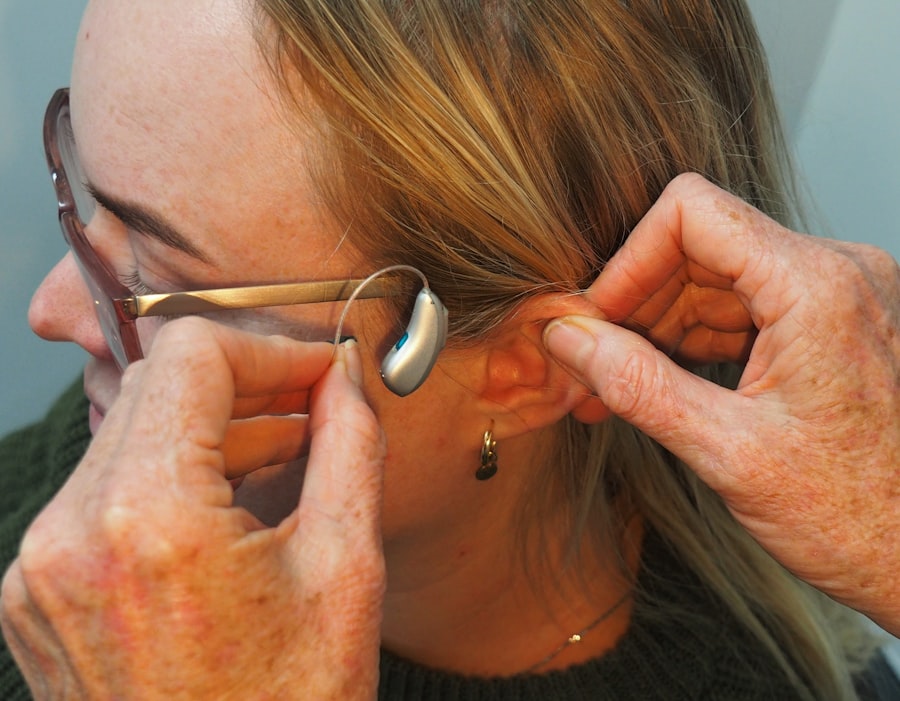
The impact of augmented hearing devices on daily life is profound and multifaceted. For individuals with hearing loss, these devices can significantly improve communication abilities, leading to enhanced social interactions and a greater sense of inclusion.
This newfound clarity can reduce feelings of isolation and frustration often associated with hearing impairments, fostering stronger relationships and a more active lifestyle. In addition to improving interpersonal communication, augmented hearing devices can also enhance the overall quality of life by enabling users to engage with their surroundings more effectively. For instance, individuals can enjoy music, movies, and live performances with greater fidelity, as these devices often come equipped with features that enhance sound quality and clarity.
Furthermore, many augmented hearing devices include features such as environmental awareness alerts that notify users of important sounds in their surroundings, such as alarms or approaching vehicles. This heightened awareness contributes to a sense of safety and independence, allowing users to navigate their environments with confidence.
The Potential for Future Innovations
As technology continues to advance at an unprecedented pace, the potential for future innovations in augmented hearing devices is vast. One area ripe for exploration is the integration of machine learning algorithms that can learn from user behavior and preferences over time. Such advancements could lead to even more personalized auditory experiences, where devices automatically adjust settings based on individual listening habits or environmental changes without requiring manual input from the user.
Another exciting frontier is the development of augmented reality (AR) applications that could work in tandem with hearing devices. Imagine a scenario where users could receive visual cues about their auditory environment through AR glasses or smartphone screens. This could include information about nearby conversations or alerts about important sounds that may not be immediately audible.
Such innovations could further bridge the gap between the auditory and visual senses, creating a more immersive experience for users.
Accessibility and Affordability of Augmented Hearing Devices
| Metric | Current Status | Projected Future (5-10 years) | Notes |
|---|---|---|---|
| Market Size (Global) | Approximately 10 million users | Expected to reach 25 million users | Driven by aging population and tech adoption |
| Device Battery Life | 8-12 hours per charge | 20-30 hours per charge | Advances in low-power chips and battery tech |
| Sound Processing Latency | 10-15 milliseconds | Less than 5 milliseconds | Improved real-time audio processing algorithms |
| Integration with AI | Basic noise reduction and speech enhancement | Context-aware adaptive hearing and language translation | AI-driven personalization and environment adaptation |
| Device Size | Small, but visible behind-ear or in-ear | Nearly invisible, fully implantable options | Miniaturization and biocompatible materials |
| Connectivity | Bluetooth and basic wireless | Seamless multi-device, cloud-connected ecosystems | Improved user experience and remote tuning |
| Cost | High, limiting accessibility | Moderate, with insurance and subsidies | Mass production and tech advances reduce costs |
Despite the remarkable advancements in augmented hearing technology, accessibility and affordability remain significant barriers for many individuals who could benefit from these devices. Traditional hearing aids can be prohibitively expensive, often costing thousands of dollars per unit, which poses a challenge for those without adequate insurance coverage or financial resources. While some manufacturers have begun to offer more affordable options, there is still a considerable gap between the cost of advanced technology and what many consumers can afford.
Efforts are being made to address these disparities through initiatives aimed at increasing access to hearing healthcare. For instance, some countries have implemented programs that subsidize the cost of hearing aids for low-income individuals or provide them at reduced prices through community health initiatives. Additionally, the rise of over-the-counter (OTC) hearing aids has introduced a new market segment that aims to provide more affordable solutions for mild to moderate hearing loss without the need for a prescription.
However, it is crucial that these products maintain quality standards to ensure they effectively meet users’ needs.
Ethical and Social Implications of Augmented Hearing Devices
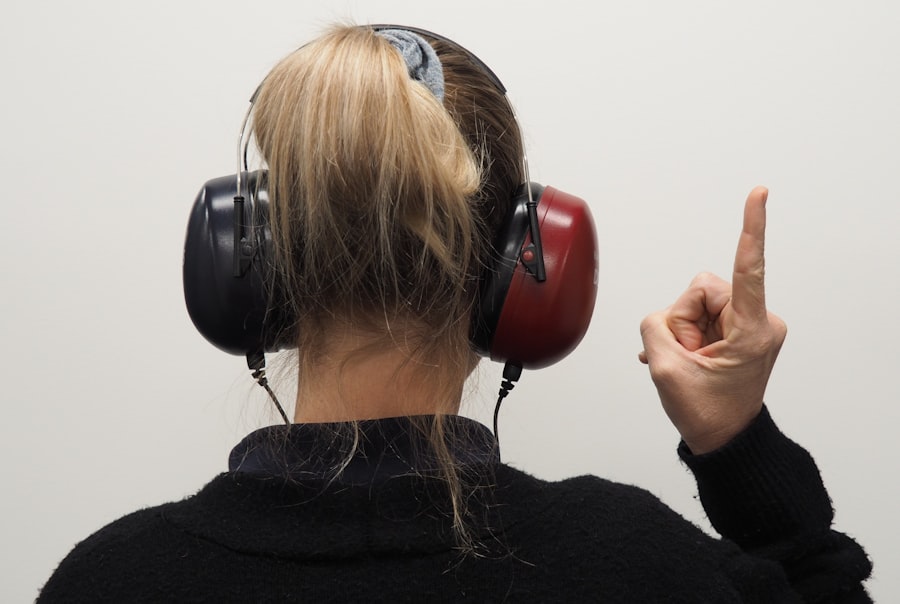
The rise of augmented hearing devices also brings forth ethical and social implications that warrant careful consideration. One significant concern revolves around privacy and data security. As these devices become increasingly connected and capable of collecting user data for personalization purposes, questions arise regarding how this information is stored, shared, and protected.
Users must be informed about data usage policies and have control over their personal information to ensure their privacy is respected. Moreover, there is a social dimension to consider regarding the perception of individuals who use augmented hearing devices. While these technologies can empower users by enhancing their auditory experiences, they may also inadvertently contribute to stigma or misconceptions about hearing loss.
Society’s understanding of what it means to wear a hearing aid or an augmented device must evolve alongside technological advancements. Education and awareness campaigns can play a vital role in fostering acceptance and understanding within communities, helping to normalize the use of these devices as tools for empowerment rather than symbols of disability.
Integration of Augmented Hearing Devices with Other Technologies
The integration of augmented hearing devices with other technologies presents exciting opportunities for enhancing user experiences across various domains. For instance, smart home technology can be linked with augmented hearing devices to create a more cohesive living environment. Users could receive audio alerts from smart appliances or security systems directly through their hearing aids, ensuring they remain informed about their surroundings without needing additional devices.
Furthermore, collaboration between augmented hearing device manufacturers and developers of virtual reality (VR) platforms could lead to immersive experiences that cater specifically to users with hearing impairments. By creating VR environments that simulate real-world soundscapes while allowing users to customize auditory inputs based on their preferences or needs, developers could offer unique training or therapeutic experiences that enhance auditory processing skills.
The Role of Augmented Hearing Devices in Healthcare
In the realm of healthcare, augmented hearing devices are poised to play an increasingly vital role in patient care and rehabilitation. Audiologists are beginning to recognize the potential for these devices not only as tools for amplification but also as platforms for delivering therapeutic interventions. For example, some augmented hearing devices can be programmed with specific sound therapy protocols designed to assist individuals with tinnitus or auditory processing disorders.
Additionally, the data collected by augmented hearing devices can provide valuable insights into patients’ auditory health over time. By monitoring usage patterns and environmental exposure levels, healthcare providers can better understand patients’ needs and tailor interventions accordingly. This data-driven approach has the potential to revolutionize how audiologists diagnose and treat hearing-related conditions, leading to more effective outcomes for patients.
As we continue to explore the intersection of technology and healthcare, it becomes clear that augmented hearing devices are not merely tools for enhancing sound; they represent a paradigm shift in how we approach auditory health and well-being in an increasingly complex auditory landscape.
In exploring the advancements in augmented hearing devices, it’s interesting to consider how technology is enhancing various fields. For instance, the article on top scheduling software for 2023 highlights tools that can improve efficiency and organization, much like how augmented hearing devices aim to enhance auditory experiences. Both innovations reflect a growing trend towards integrating technology into daily life to improve functionality and user experience.
FAQs
What are augmented hearing devices?
Augmented hearing devices are advanced technologies designed to enhance or improve the user’s hearing experience by amplifying sound, filtering noise, or providing additional auditory information through digital processing.
How do augmented hearing devices differ from traditional hearing aids?
Unlike traditional hearing aids that primarily amplify sound, augmented hearing devices often incorporate features such as artificial intelligence, connectivity with smartphones, real-time sound processing, and environmental adaptation to provide a more personalized and enhanced hearing experience.
What technologies are driving the future of augmented hearing devices?
Key technologies include artificial intelligence (AI), machine learning, wireless connectivity (Bluetooth and 5G), miniaturized sensors, advanced microphones, and improved battery life, all contributing to smarter, more efficient, and user-friendly hearing solutions.
Are augmented hearing devices suitable for all types of hearing loss?
While many augmented hearing devices are designed to assist various degrees and types of hearing loss, their suitability depends on individual hearing profiles and medical advice. Some devices may be more effective for mild to moderate hearing loss, while others cater to severe cases.
Can augmented hearing devices connect to other smart devices?
Yes, many modern augmented hearing devices can connect wirelessly to smartphones, tablets, and other smart devices, allowing users to stream audio, adjust settings, and receive updates through dedicated apps.
What are the potential benefits of using augmented hearing devices?
Benefits include improved speech clarity, noise reduction, personalized sound settings, enhanced situational awareness, seamless connectivity, and overall better quality of life for individuals with hearing impairments.
Are there any privacy concerns with augmented hearing devices?
As some devices collect and process audio data, privacy concerns exist regarding data security and unauthorized access. Manufacturers typically implement encryption and privacy policies to protect user information.
How is artificial intelligence used in augmented hearing devices?
AI algorithms analyze sound environments in real-time to optimize amplification, reduce background noise, recognize speech patterns, and adapt settings automatically to provide the best hearing experience.
What advancements can we expect in the future of augmented hearing devices?
Future advancements may include fully implantable devices, improved battery technology, enhanced AI capabilities, integration with augmented reality (AR), and more discreet, comfortable designs.
Where can I get a professional evaluation for augmented hearing devices?
A licensed audiologist or hearing specialist can provide a comprehensive hearing evaluation and recommend appropriate augmented hearing devices based on individual needs.