

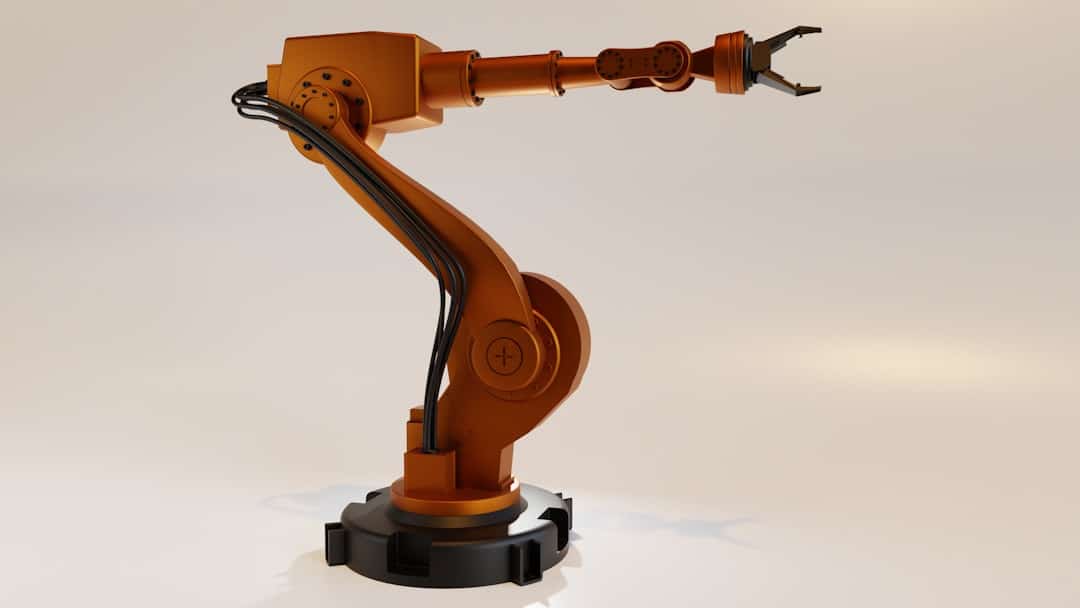
The convergence of artificial intelligence and robotics represents a significant technological development that is transforming multiple industries and affecting everyday life. AI-powered robotics combines artificial intelligence algorithms with robotic hardware, creating machines capable of performing tasks that require cognitive abilities including perception, reasoning, and decision-making. This integration enables robots to move beyond executing predetermined commands to adapting to changing environments, learning from data and experiences, and engaging in more natural human-machine interactions.
These technologies demonstrate measurable improvements in operational efficiency, safety protocols, and problem-solving capabilities across various applications. The advancement of AI-powered robotics stems from progress in several key technological areas: machine learning algorithms, computer vision systems, natural language processing capabilities, and sensor technology improvements. These developments enable robots to process environmental data, interpret human instructions, and participate in social interactions.
Current applications span diverse fields, including autonomous delivery drones, precision surgical robots for medical procedures, and manufacturing automation systems. The implementation of these technologies across different sectors demonstrates their substantial and expanding influence on modern operations and services.
Key Takeaways
- AI-powered robotics are transforming multiple sectors by integrating advanced machine learning and automation.
- In healthcare, these robots enhance precision in surgeries and improve patient care through intelligent assistance.
- Home assistance robots provide support for daily tasks, promoting independence for the elderly and disabled.
- Educational robots offer interactive learning experiences, adapting to individual student needs.
- Ethical considerations are crucial as AI robotics raise questions about privacy, job displacement, and social impact.
AI-Powered Robotics in Healthcare
In the healthcare sector, AI-powered robotics is revolutionizing patient care and medical procedures. Surgical robots, such as the da Vinci Surgical System, exemplify how AI can enhance precision in operations. These robots allow surgeons to perform minimally invasive procedures with greater accuracy and control than traditional methods.
By utilizing advanced imaging and AI algorithms, these systems can assist in navigating complex anatomical structures, reducing the risk of complications and improving patient outcomes. The integration of AI also enables these robots to learn from previous surgeries, refining their techniques over time. Beyond surgical applications, AI-powered robotics is also making significant contributions to patient monitoring and rehabilitation.
Robots like PARO, a therapeutic robotic seal, are being used in nursing homes and hospitals to provide comfort and companionship to patients suffering from dementia or other cognitive impairments. These robots can recognize emotional cues and respond accordingly, fostering a sense of connection and reducing feelings of loneliness among patients. Additionally, robotic exoskeletons are being developed to assist individuals with mobility impairments, enabling them to regain independence and improve their quality of life through enhanced physical capabilities.
AI-Powered Robotics in Home Assistance
The advent of AI-powered robotics in home assistance is transforming the way individuals manage their daily lives. Smart home devices equipped with AI capabilities can automate routine tasks, enhancing convenience and efficiency for homeowners. For instance, robotic vacuum cleaners like the Roomba utilize advanced sensors and machine learning algorithms to navigate through homes, avoiding obstacles while efficiently cleaning floors.
These devices not only save time but also allow individuals to maintain a cleaner living environment with minimal effort.
These voice-activated systems can control various smart devices, manage schedules, provide reminders, and even answer questions.
The integration of AI allows these assistants to learn user preferences over time, creating a more personalized experience. As technology continues to advance, we can expect even more sophisticated home assistance robots that can perform complex tasks such as meal preparation or laundry management, further enhancing the quality of life for individuals and families.
AI-Powered Robotics in Education
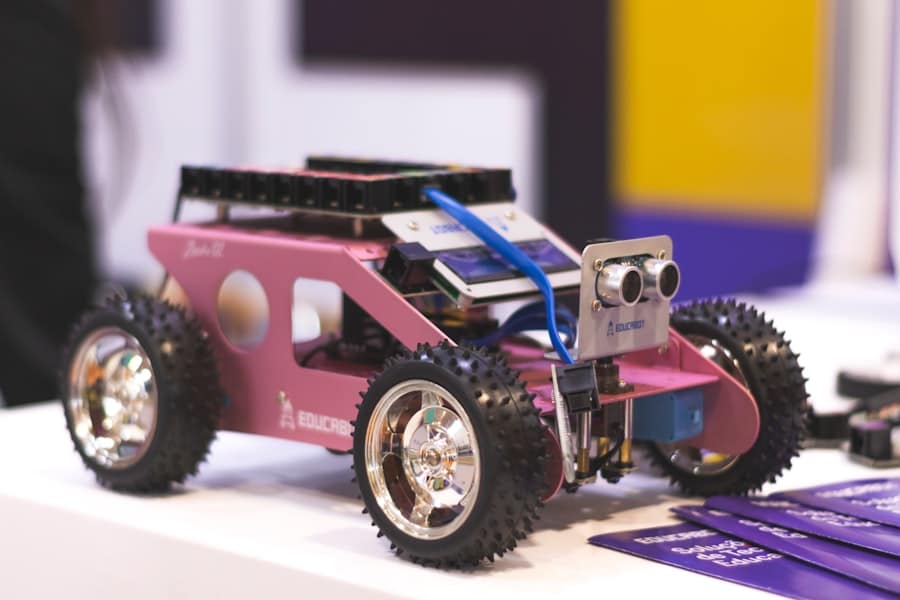
In the realm of education, AI-powered robotics is reshaping traditional teaching methods and enhancing learning experiences for students. Educational robots like LEGO Mindstorms and Sphero are being utilized in classrooms to teach coding and robotics concepts in an engaging manner. These hands-on learning tools encourage creativity and problem-solving skills among students while making complex subjects more accessible.
By integrating robotics into the curriculum, educators can foster a deeper understanding of technology and its applications in real-world scenarios. Furthermore, AI-driven tutoring systems are emerging as valuable resources for personalized learning. These systems analyze student performance data to identify strengths and weaknesses, tailoring educational content to meet individual needs.
For example, platforms like Carnegie Learning use AI algorithms to provide real-time feedback and adaptive learning paths for students struggling with mathematics. This personalized approach not only enhances student engagement but also promotes a more effective learning environment where each student can progress at their own pace.
AI-Powered Robotics in Manufacturing
| Metric | Current Status (2024) | Projected Status (2030) | Notes |
|---|---|---|---|
| Household Robot Adoption Rate | 12% | 45% | Increased affordability and functionality drive adoption |
| Average Robot Task Efficiency | 65% | 90% | Improved AI algorithms and sensors enhance performance |
| AI-Powered Robotics Market Size (Billion Units) | 3.5 | 12.0 | Growth fueled by consumer and industrial demand |
| Number of AI-Enabled Home Assistants per Household | 1.2 | 3.5 | Multiple devices integrated for diverse tasks |
| Reduction in Household Chore Time | 20% | 60% | Robotics automate cleaning, cooking, and maintenance |
| Public Trust in AI Robotics (%) | 55% | 80% | Improved safety and transparency increase trust |
| Energy Efficiency Improvement in Robotics | 30% | 70% | Advances in battery and power management technologies |
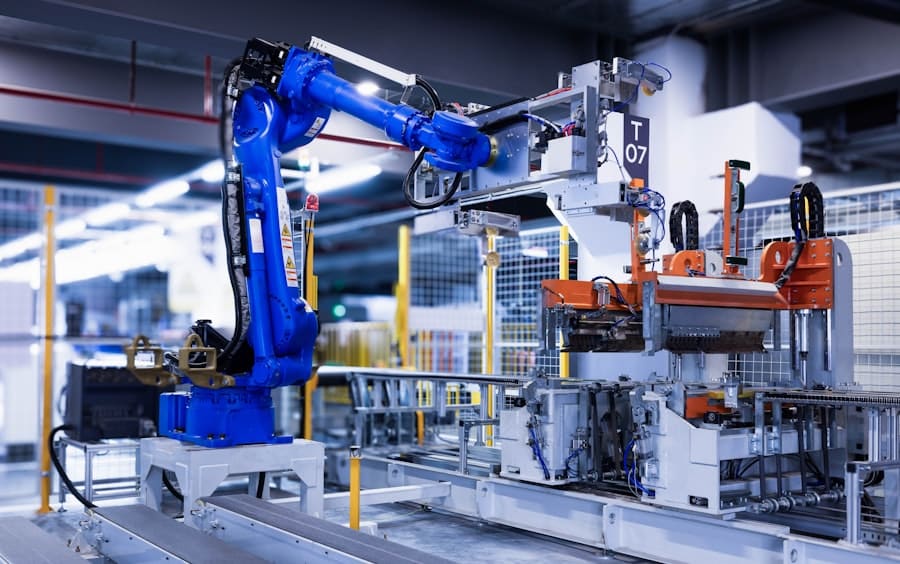
The manufacturing industry has long been at the forefront of adopting robotic technologies, but the integration of AI has taken this evolution to new heights. AI-powered robots are now capable of performing complex tasks that require adaptability and precision. For instance, collaborative robots (cobots) work alongside human operators on assembly lines, enhancing productivity while ensuring safety.
These cobots can learn from human movements and adjust their actions accordingly, creating a harmonious working environment that maximizes efficiency. Moreover, predictive maintenance powered by AI is revolutionizing how manufacturers approach equipment upkeep. By analyzing data from sensors embedded in machinery, AI algorithms can predict when a machine is likely to fail or require maintenance.
This proactive approach minimizes downtime and reduces operational costs by addressing issues before they escalate into significant problems. As manufacturers continue to embrace AI-powered robotics, we can expect increased automation and efficiency across production processes, ultimately leading to higher quality products and improved competitiveness in the global market.
AI-Powered Robotics in Transportation
The transportation sector is undergoing a significant transformation due to the advent of AI-powered robotics. Autonomous vehicles are perhaps the most prominent example of this trend, with companies like Tesla and Waymo leading the charge in developing self-driving technology. These vehicles utilize a combination of sensors, cameras, and advanced algorithms to navigate roads safely while making real-time decisions based on their surroundings.
The potential benefits of autonomous vehicles include reduced traffic accidents caused by human error, increased fuel efficiency, and enhanced mobility for individuals unable to drive. In addition to personal transportation, AI-powered robotics is also making strides in logistics and delivery services. Drones equipped with AI capabilities are being deployed for package delivery in urban areas, offering a faster alternative to traditional shipping methods.
Companies like Amazon are experimenting with drone delivery systems that can autonomously navigate through complex environments while adhering to safety regulations. This innovation not only streamlines the delivery process but also has the potential to reduce congestion on roads by minimizing the number of delivery vehicles required.
Ethical and Social Implications of AI-Powered Robotics
As the integration of AI-powered robotics becomes more prevalent across various sectors, it raises important ethical and social considerations that must be addressed. One major concern is the potential displacement of jobs due to automation. While robots can enhance productivity and efficiency, there is a fear that widespread adoption could lead to significant job losses in industries reliant on manual labor.
Policymakers must consider strategies for workforce retraining and upskilling to ensure that individuals can transition into new roles created by technological advancements. Another critical issue revolves around privacy and data security. Many AI-powered robotic systems rely on vast amounts of data to function effectively, raising concerns about how this data is collected, stored, and used.
For instance, home assistants that monitor user behavior may inadvertently compromise personal privacy if not properly secured. Establishing robust ethical guidelines and regulations surrounding data usage will be essential in fostering public trust in these technologies.
The Potential Impact of AI-Powered Robotics on Everyday Life
The potential impact of AI-powered robotics on everyday life is immense and multifaceted. As these technologies continue to evolve and integrate into various sectors—from healthcare to education—society stands on the brink of a transformative shift that could redefine how we live and work. The benefits offered by AI-powered robotics are not merely theoretical; they are already being realized in practical applications that enhance efficiency, improve quality of life, and foster innovation.
However, as we embrace these advancements, it is crucial to remain vigilant about the ethical implications they entail. Balancing technological progress with social responsibility will be key in ensuring that the benefits of AI-powered robotics are equitably distributed across society.
As we explore the transformative potential of AI-powered robotics in everyday life, it’s interesting to consider how technology is shaping our social interactions as well. A related article that delves into the impact of technology on social media trends is available at Top Trends on Instagram 2023. This piece highlights how advancements in technology, including AI, are influencing the way we connect and share experiences in our daily lives.
FAQs
What is AI-powered robotics?
AI-powered robotics refers to robots that are integrated with artificial intelligence technologies, enabling them to perform tasks autonomously, learn from their environment, and make decisions without human intervention.
How are AI-powered robots currently used in everyday life?
AI-powered robots are used in various everyday applications such as robotic vacuum cleaners, personal assistants, automated lawn mowers, and smart home devices that can interact with users and adapt to their preferences.
What advancements are expected in AI-powered robotics in the near future?
Future advancements include improved machine learning algorithms, enhanced sensory perception, better human-robot interaction, increased autonomy, and the ability to perform more complex and diverse tasks in homes, workplaces, and public spaces.
How will AI-powered robotics impact daily living?
AI-powered robotics will increase convenience, improve efficiency in household chores, provide assistance to elderly and disabled individuals, enhance safety and security, and potentially create new job opportunities in technology and maintenance sectors.
Are AI-powered robots safe to use in homes?
Yes, AI-powered robots designed for home use undergo rigorous safety testing and comply with regulatory standards to ensure they operate safely around humans and pets.
Will AI-powered robotics replace human jobs?
While AI-powered robotics may automate certain repetitive or hazardous tasks, they are also expected to create new roles focused on robot management, programming, and maintenance, complementing rather than completely replacing human labor.
What challenges exist in integrating AI-powered robotics into everyday life?
Challenges include ensuring privacy and data security, managing ethical concerns, addressing technical limitations, reducing costs, and achieving seamless interaction between humans and robots.
How can individuals prepare for the integration of AI-powered robotics?
Individuals can stay informed about technological developments, develop digital literacy skills, adapt to new tools and interfaces, and engage in discussions about ethical and social implications of AI and robotics.