

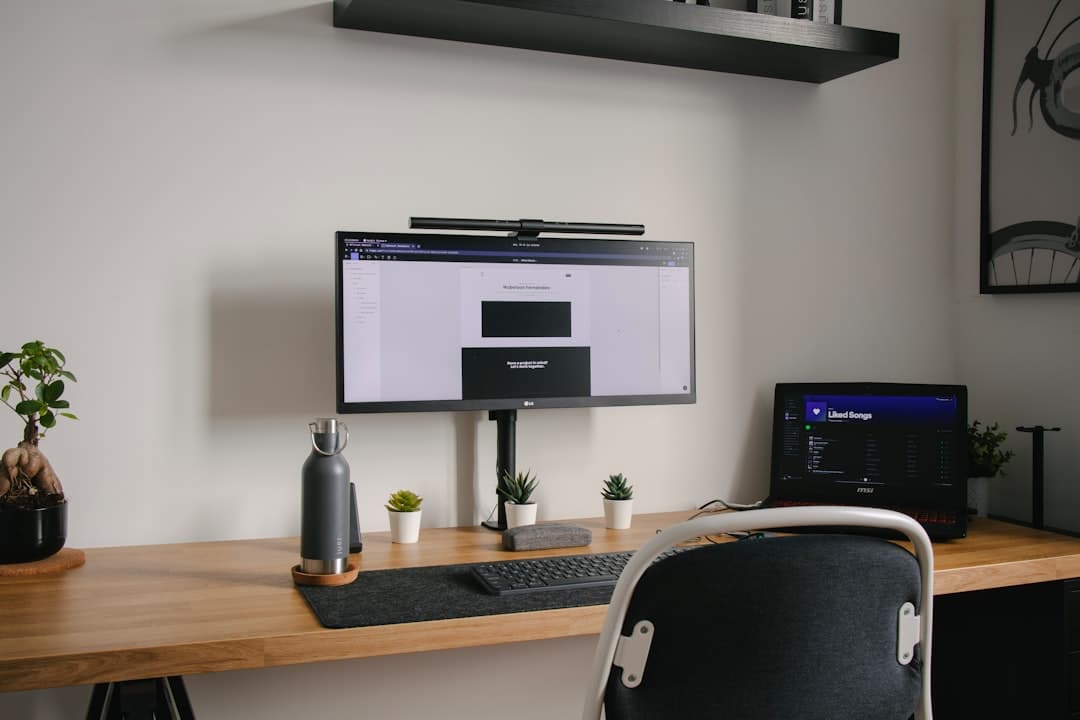
In today’s fast-paced work environment, the ability to multitask has become increasingly important. With the advent of advanced technology and software, individuals can now manage multiple tasks simultaneously with greater ease. This capability is particularly beneficial in settings where time is of the essence, such as in corporate offices or during project deadlines. The integration of various applications and tools allows users to switch between tasks without losing momentum, thereby enhancing productivity.
Moreover, increased multitasking abilities are not solely reliant on technology; they also stem from improved cognitive skills. As individuals engage in multitasking, they often develop better organizational strategies and mental agility. This cognitive flexibility enables them to prioritize tasks effectively and allocate their attention where it is most needed. Consequently, the combination of technological advancements and enhanced cognitive skills fosters an environment where multitasking becomes a valuable asset in achieving professional goals.
In exploring the advantages of dual monitor setups for productivity, you may find it beneficial to read a related article that delves into the various ways technology can enhance work efficiency. This article discusses not only the benefits of multiple screens but also offers insights into optimal workspace organization and ergonomic considerations. For more information, you can check out this resource on HTML styles and their impact on user experience: HTML Styles for Enhanced Productivity.
Key Takeaways
- Multitasking improves with multiple screens, boosting productivity.
- Workflow becomes more efficient through seamless task management.
- Organization and time management are enhanced with better screen layout.
- Larger screen space allows for expanded work areas and resource access.
- Focus is improved by minimizing distractions and reducing eye strain.
Enhanced Workflow Efficiency
Workflow efficiency is a critical component of any successful operation, whether in a corporate setting or a creative environment. The implementation of streamlined processes and the use of productivity tools can significantly enhance workflow efficiency.
By automating repetitive tasks and minimizing manual input, organizations can reduce the time spent on mundane activities, allowing employees to focus on more strategic initiatives.
This shift not only improves overall productivity but also contributes to employee satisfaction, as workers can engage in more meaningful work.
Additionally, enhanced workflow efficiency often leads to better resource allocation. When processes are optimized, teams can identify bottlenecks and areas for improvement more easily. This insight allows for adjustments that can lead to faster project completion and higher quality outcomes. As a result, organizations that prioritize workflow efficiency are better positioned to adapt to changing market demands and maintain a competitive edge.
Improved Organization and Time Management
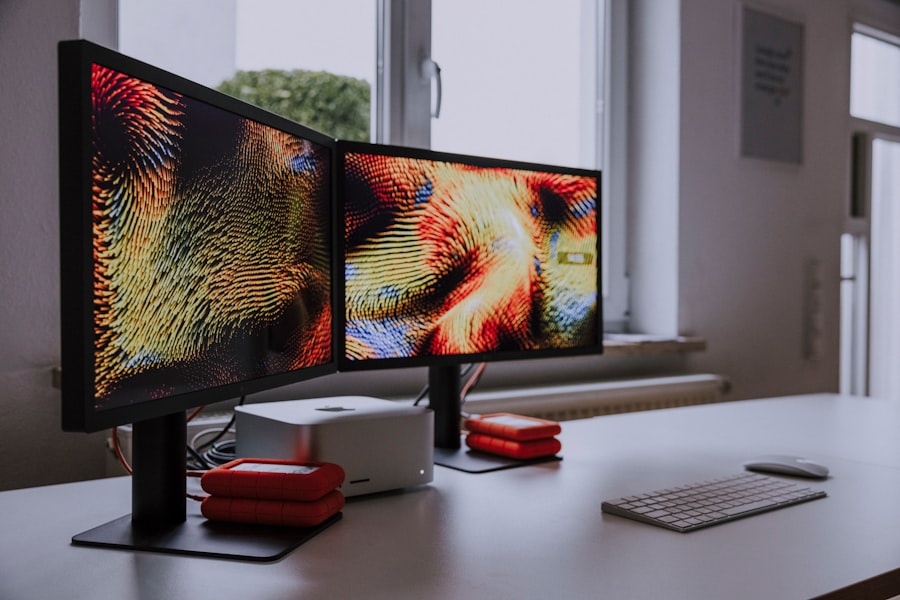
Effective organization and time management are essential skills in both personal and professional contexts. With the rise of digital tools designed for task management and scheduling, individuals can now organize their responsibilities more effectively than ever before. Applications that allow users to create to-do lists, set reminders, and track progress have transformed how people approach their daily tasks. This level of organization not only helps individuals stay on top of their responsibilities but also reduces the likelihood of missed deadlines.
Furthermore, improved time management techniques enable individuals to allocate their time more wisely. By breaking tasks into smaller, manageable segments and setting specific time frames for completion, individuals can enhance their focus and productivity. Techniques such as the Pomodoro Technique or time-blocking have gained popularity as effective methods for managing time. These strategies encourage individuals to work in concentrated bursts followed by short breaks, which can lead to increased efficiency and reduced burnout.
Expanded Screen Real Estate
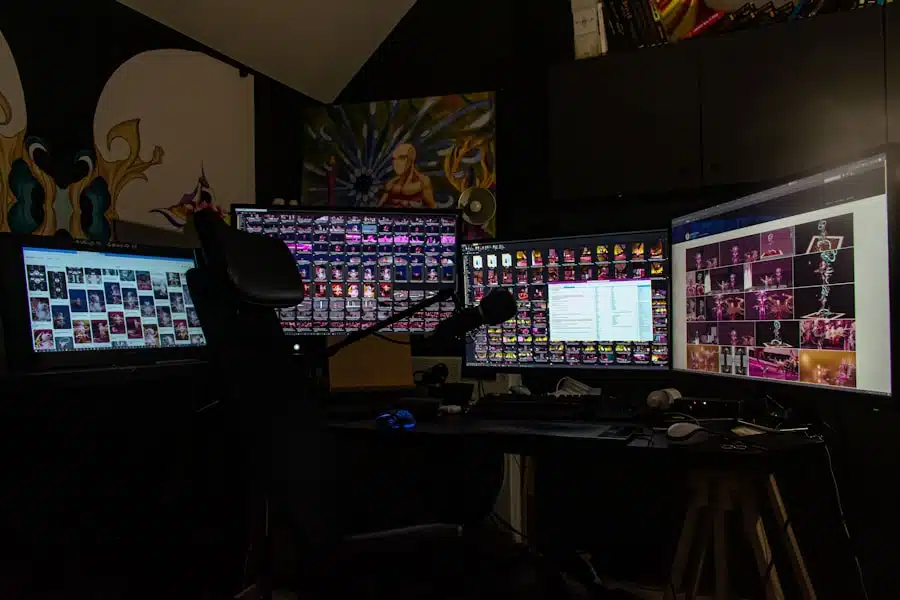
The concept of expanded screen real estate has gained traction with the proliferation of larger monitors and multi-screen setups. This development allows users to view multiple applications or documents simultaneously without the need for constant switching between tabs or windows. For professionals who rely on data analysis or creative design, having additional screen space can significantly enhance their workflow. It enables them to compare information side by side or reference materials while working on projects, ultimately leading to more informed decision-making.
Moreover, expanded screen real estate can contribute to a more organized workspace. With the ability to arrange applications across multiple screens, users can create a customized layout that suits their specific needs. This organization reduces clutter and minimizes the time spent searching for information or switching between applications. As a result, professionals can maintain a clearer focus on their tasks, which can lead to improved outcomes and greater job satisfaction.
In exploring the advantages of dual monitor setups for productivity, you might find it beneficial to read about enhancing your content creation process through effective SEO strategies. An insightful article on this topic can be found here, where it discusses how tools like NeuronWriter can optimize your writing and improve your overall workflow. Integrating such techniques alongside a dual monitor setup can significantly elevate your efficiency and output.
Better Focus and Minimized Distractions
| Benefit | Metric | Details |
|---|---|---|
| Increased Productivity | 20-30% Improvement | Studies show users complete tasks 20-30% faster with dual monitors. |
| Reduced Task Switching | Up to 50% Reduction | Less time spent switching between windows and applications. |
| Improved Multitasking | 40% More Efficient | Users can view multiple documents or apps simultaneously, enhancing workflow. |
| Decreased Error Rate | 15% Fewer Errors | Better visibility reduces mistakes in data entry and analysis. |
| Enhanced Focus | 25% Increase in Concentration | Less need to minimize/maximize windows helps maintain focus on tasks. |
| Ergonomic Benefits | Reduced Neck and Eye Strain | Proper monitor placement can improve posture and reduce fatigue. |
In an age where distractions are abundant, maintaining focus has become a significant challenge for many individuals. However, advancements in technology have introduced various tools designed to help users minimize distractions and enhance concentration. Applications that block distracting websites or limit notifications can create a more conducive work environment. By reducing interruptions, individuals can dedicate their attention to the task at hand, leading to higher quality work and increased productivity.
Additionally, creating a focused work environment often involves establishing boundaries around work hours and personal time. Techniques such as setting specific work hours or designating a quiet workspace can help individuals maintain their focus throughout the day. By consciously managing their environment and utilizing available tools, individuals can cultivate a mindset that prioritizes concentration over distraction.
In today’s fast-paced work environment, maximizing productivity is essential, and one effective way to achieve this is through the use of dual monitor setups. By expanding your screen real estate, you can easily multitask and manage multiple applications simultaneously, which can significantly enhance your workflow. For those interested in exploring how technology can further improve efficiency, a related article discusses the emerging trend of conversational commerce and its impact on user interaction. You can read more about it in this insightful piece on conversational commerce.
Enhanced Collaboration and Communication
Collaboration is a cornerstone of modern work culture, and advancements in technology have significantly improved how teams communicate and work together.
Tools such as video conferencing software, instant messaging platforms, and collaborative project management applications have made it easier for teams to connect regardless of geographical barriers.
This enhanced communication fosters a sense of unity among team members and allows for real-time feedback and brainstorming sessions.
Moreover, these collaborative tools often come equipped with features that facilitate document sharing and version control. This capability ensures that all team members have access to the most up-to-date information, reducing the risk of miscommunication or errors. As teams become more interconnected through these technologies, they can leverage diverse perspectives and expertise, ultimately leading to more innovative solutions and successful project outcomes.
Easier Access to Information and Resources
The digital age has transformed how individuals access information and resources. With just a few clicks, users can obtain vast amounts of data from online databases, research articles, and industry reports. This ease of access empowers professionals to make informed decisions based on current trends and best practices within their fields. The ability to quickly gather relevant information enhances problem-solving capabilities and supports strategic planning efforts.
Furthermore, cloud-based storage solutions have revolutionized how individuals store and share resources. By utilizing platforms that allow for easy access to files from any device with an internet connection, professionals can collaborate more effectively and ensure that important documents are readily available when needed. This accessibility not only streamlines workflows but also promotes a culture of knowledge sharing within organizations.
Reduced Eye Strain and Fatigue
As reliance on screens has increased, so too has awareness of the potential negative effects on eye health. Prolonged screen time can lead to eye strain and fatigue, which can hinder productivity and overall well-being. However, advancements in display technology have introduced features designed to mitigate these issues. For instance, monitors with blue light filters or adjustable brightness settings can help reduce eye strain during extended use.
Additionally, adopting practices such as the 20-20-20 rule—where individuals take a 20-second break to look at something 20 feet away every 20 minutes—can further alleviate discomfort associated with prolonged screen exposure. By prioritizing eye health through both technology and mindful practices, individuals can maintain their focus and productivity while minimizing the risk of fatigue-related issues.
In conclusion, the integration of technology into daily workflows has led to numerous benefits across various aspects of professional life. From increased multitasking abilities to enhanced collaboration and communication, these advancements have transformed how individuals approach their work. By leveraging these tools effectively, professionals can improve their organization, time management, and overall productivity while also prioritizing their well-being in an increasingly digital world.
FAQs
What are the main productivity benefits of using a dual monitor setup?
Using a dual monitor setup allows users to view and manage multiple applications simultaneously, reducing the need to switch between tabs or windows. This can lead to faster multitasking, improved workflow, and increased overall productivity.
How does a dual monitor setup improve multitasking?
A dual monitor setup provides additional screen space, enabling users to keep reference materials, communication tools, or work documents open on one screen while actively working on the other. This minimizes interruptions and streamlines task management.
Are dual monitor setups beneficial for all types of work?
While dual monitors are especially advantageous for tasks that require frequent switching between applications—such as programming, graphic design, data analysis, and writing—they may be less impactful for jobs that rely on a single application or minimal screen interaction.
What hardware is needed to set up dual monitors?
To set up dual monitors, you need a computer with a graphics card that supports multiple displays, two compatible monitors, and the necessary cables (such as HDMI, DisplayPort, or VGA). Additionally, adjustable monitor stands or mounts can help optimize ergonomics.
Can dual monitor setups reduce eye strain and improve ergonomics?
Yes, dual monitor setups can reduce eye strain by allowing users to position screens at comfortable viewing angles and distances, minimizing excessive head and eye movement. Proper arrangement and breaks are still important to maintain eye health and ergonomic comfort.