


Synthetic media encompasses content generated or altered through artificial intelligence technologies, including text, images, audio, and video. This field has expanded rapidly due to improvements in machine learning and neural network development. The creation of highly realistic depictions of people, places, and events has enabled new forms of creative expression and communication, while simultaneously raising concerns about media authenticity and credibility.
As synthetic media applications expand across entertainment, education, and other sectors, comprehending its effects is crucial for understanding the challenges it presents. The development of generative adversarial networks (GANs) and comparable AI techniques has enabled the production of content that closely resembles human-created work. AI-generated artwork now appears in galleries, and voice synthesis technology can produce audio nearly identical to human speech.
These developments have altered creative industries and prompted discussions regarding authorship and originality. Examining both the benefits and challenges of synthetic media reveals that this technology is significantly altering contemporary culture and communication practices.
Key Takeaways
- Synthetic media leverages AI to create realistic video and audio content with numerous benefits.
- While offering creative and efficiency advantages, synthetic media poses significant ethical and misuse risks.
- Deepfakes exemplify the potential for manipulation and misinformation through synthetic media.
- Legal frameworks and regulations struggle to keep pace with the rapid development of synthetic media technologies.
- Tech companies and developers bear responsibility to implement safeguards and promote ethical use.
The Advantages of AI-Generated Video and Audio
One of the most significant advantages of AI-generated video and audio is the democratization of content creation. With tools powered by artificial intelligence, individuals and small businesses can produce high-quality media without the need for extensive resources or technical expertise. For example, platforms like Synthesia allow users to create professional-looking videos featuring AI avatars that can speak in multiple languages, making it easier for companies to reach global audiences.
This accessibility empowers creators from diverse backgrounds to share their stories and ideas, fostering a more inclusive media landscape. Moreover, AI-generated content can significantly reduce production costs and time. Traditional video production often involves a lengthy process that includes scripting, filming, editing, and post-production.
In contrast, AI tools can automate many of these steps, enabling rapid content generation. For instance, companies like OpenAI have developed models that can generate realistic dialogue and narratives, allowing filmmakers to brainstorm ideas or create entire scripts in a fraction of the time it would take a human writer. This efficiency not only accelerates the creative process but also allows for more experimentation and innovation in storytelling.
The Risks and Ethical Concerns of Synthetic Media
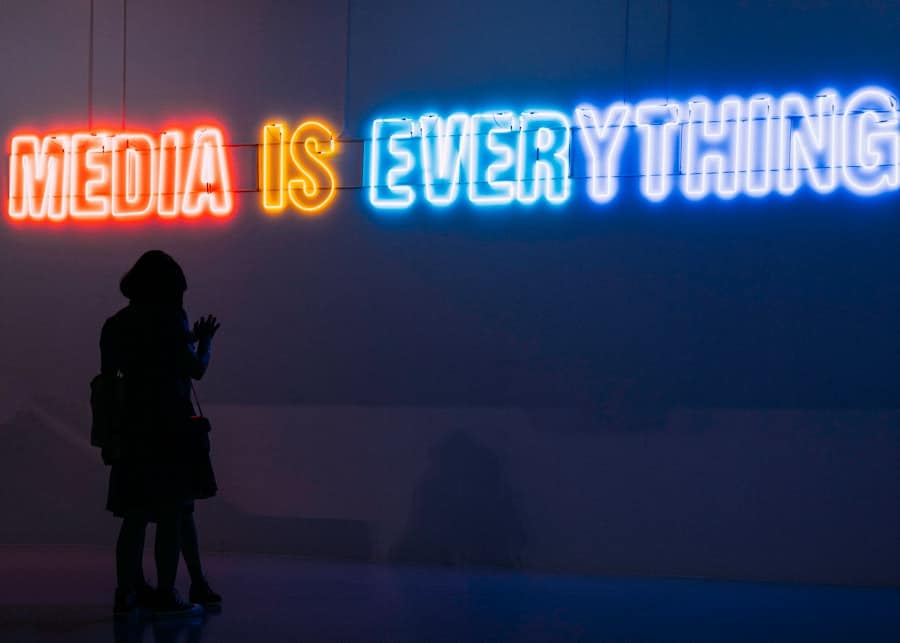
Despite its advantages, synthetic media raises several ethical concerns that warrant careful consideration. One major issue is the potential for misinformation and disinformation. As AI-generated content becomes more sophisticated, distinguishing between authentic and synthetic media becomes increasingly challenging.
This blurring of lines can lead to the spread of false information, particularly in politically charged environments where deepfakes or manipulated videos can be used to mislead voters or incite social unrest. The implications for democracy and public trust are profound, as individuals may find it difficult to discern fact from fiction in an era where visual evidence is no longer a reliable indicator of truth. Another ethical concern revolves around consent and representation.
The ability to create realistic avatars or voice clones raises questions about who has the right to use someone’s likeness or voice without permission. For instance, celebrities have found their images used in unauthorized advertisements or manipulated videos without their consent, leading to potential reputational harm. This issue extends beyond public figures; everyday individuals may also find themselves victims of synthetic media misuse.
The ethical implications of using someone’s likeness without their knowledge or approval highlight the need for clear guidelines and standards in the development and deployment of synthetic media technologies.
Misuse of Synthetic Media: Deepfakes and Manipulation
The misuse of synthetic media is perhaps most prominently exemplified by deepfakes—hyper-realistic videos that manipulate an individual’s likeness to create false narratives. Deepfake technology has been used in various contexts, from creating fake celebrity pornographic videos to spreading misinformation during elections. The ease with which these videos can be produced raises alarm bells about their potential impact on personal lives and societal trust.
For instance, a deepfake video of a political leader making inflammatory statements could incite violence or unrest, demonstrating how this technology can be weaponized against individuals or groups. Moreover, deepfakes pose significant challenges for law enforcement and cybersecurity professionals. As these technologies become more accessible, the potential for malicious actors to exploit them increases.
Cybercriminals could use deepfakes to impersonate individuals in video calls or create fraudulent content that damages reputations or finances. The implications extend beyond individual cases; entire organizations could be targeted through sophisticated scams that leverage synthetic media to deceive employees or stakeholders. This evolving landscape necessitates a proactive approach to understanding and mitigating the risks associated with deepfake technology.
Legal and Regulatory Challenges
| Metric | Description | Current Status | Ethical Concern | Mitigation Strategies |
|---|---|---|---|---|
| Accuracy of AI-Generated Content | Degree to which synthetic media replicates real audio/video | Up to 95% realism in some models | Potential for misinformation and deception | Watermarking, source verification |
| Detection Rate of Deepfakes | Effectiveness of tools to identify AI-generated media | Approximately 85% detection accuracy | False negatives can enable misuse | Continuous improvement of detection algorithms |
| Prevalence of Synthetic Media in Social Platforms | Percentage of AI-generated content shared online | Estimated 2-5% of total video/audio content | Spread of manipulated content | Platform policies and user education |
| Consent Rate for Synthetic Media Use | Percentage of synthetic media created with subject’s permission | Less than 50% in reported cases | Violation of privacy and personal rights | Legal frameworks and ethical guidelines |
| Impact on Public Trust | Effect of synthetic media on trust in media sources | Declining trust by 20% in recent surveys | Erosion of credibility in journalism and communication | Transparency and accountability measures |
The rapid advancement of synthetic media technologies has outpaced existing legal frameworks, creating a complex landscape for regulation and accountability. Current laws often struggle to address the unique challenges posed by AI-generated content, particularly regarding intellectual property rights and privacy concerns. For instance, traditional copyright laws may not adequately protect creators whose work is used without permission in synthetic media applications.
Additionally, the question of liability arises when synthetic media is used maliciously—who is responsible for the harm caused by a deepfake? These legal ambiguities complicate efforts to hold individuals or organizations accountable for misuse. Regulatory bodies around the world are beginning to grapple with these challenges, but comprehensive solutions remain elusive.
Some countries have introduced legislation aimed at addressing deepfakes specifically; for example, California passed a law making it illegal to use deepfake technology with the intent to harm or defraud others. However, such measures are often reactive rather than proactive, responding to specific incidents rather than establishing a robust framework for managing synthetic media as a whole. The need for international cooperation is also evident, as digital content transcends borders and requires a unified approach to regulation.
The Responsibility of Tech Companies and Developers
As creators of synthetic media technologies, tech companies and developers bear a significant responsibility in shaping how these tools are used and perceived. With great power comes great responsibility; therefore, it is crucial for these entities to prioritize ethical considerations in their design processes. This includes implementing safeguards against misuse and ensuring transparency about how their technologies work.
For instance, companies could develop features that watermark AI-generated content or provide clear labeling indicating when content has been altered or created synthetically. Furthermore, tech companies should engage with stakeholders—including policymakers, ethicists, and civil society organizations—to develop best practices for responsible AI use. Collaborative efforts can lead to the establishment of industry standards that promote ethical behavior while fostering innovation.
By taking proactive steps to address potential harms associated with synthetic media, tech companies can help build public trust in their products and contribute positively to the discourse surrounding AI technologies.
Safeguards and Countermeasures
In response to the challenges posed by synthetic media, various safeguards and countermeasures are being explored to mitigate risks while allowing for innovation. One promising approach involves the development of detection tools capable of identifying manipulated content. Researchers are working on algorithms that can analyze videos for signs of deepfake technology, such as inconsistencies in facial movements or audio mismatches.
These tools could empower platforms like social media networks to flag potentially harmful content before it spreads widely. Additionally, educational initiatives aimed at increasing media literacy among the public are essential in combating misinformation stemming from synthetic media. By equipping individuals with the skills to critically evaluate sources and discern between authentic and manipulated content, society can foster resilience against deceptive practices.
Schools and community organizations can play a vital role in promoting awareness about synthetic media’s capabilities and limitations, encouraging informed consumption of digital content.
The Future of Synthetic Media and Ethical Considerations
Looking ahead, the future of synthetic media is likely to be shaped by ongoing technological advancements alongside evolving societal norms regarding ethics and accountability.
For instance, virtual reality experiences could become more immersive through AI-generated environments tailored to individual preferences or needs.
However, with these advancements come critical ethical considerations that must be addressed proactively. The balance between innovation and responsibility will be paramount as society navigates the complexities introduced by synthetic media technologies. Engaging in open dialogues about the implications of these tools—both positive and negative—will be essential for fostering an environment where creativity flourishes while minimizing harm.
As we embrace the possibilities offered by synthetic media, it is crucial to remain vigilant about its ethical dimensions and work collaboratively towards solutions that prioritize integrity and trust in our digital landscape.
In the discussion surrounding the ethics of AI-generated video and audio, it’s essential to consider the broader implications of technology in our daily lives. A related article that explores the capabilities of advanced technology is the one on the Samsung Galaxy Tab S8, which highlights how powerful devices can enhance our media consumption and creation experiences. This intersection of technology and ethics raises important questions about the authenticity and ownership of content in an increasingly digital world.
FAQs
What is synthetic media?
Synthetic media refers to content such as images, videos, or audio that is generated or manipulated using artificial intelligence (AI) technologies. This includes deepfakes, AI-generated voices, and computer-created visuals.
How is AI used to create synthetic video and audio?
AI uses machine learning models, particularly deep learning techniques, to analyze and replicate patterns in existing media. For video, this can involve generating realistic facial movements or entire scenes. For audio, AI can synthesize human-like speech or replicate specific voices.
What are some common applications of synthetic media?
Synthetic media is used in entertainment (e.g., movies and video games), advertising, virtual assistants, education, and accessibility tools. It can also be used for creating realistic simulations or enhancing creative projects.
What ethical concerns are associated with AI-generated video and audio?
Key ethical concerns include misinformation and deception, privacy violations, consent issues, potential for harassment or defamation, and the impact on trust in media. There is also concern about the misuse of synthetic media for political manipulation or fraud.
How can synthetic media impact society?
Synthetic media can influence public opinion, spread false information, and undermine trust in authentic content. It can also affect individuals’ reputations and privacy. Conversely, it offers opportunities for innovation and creative expression.
Are there any regulations governing synthetic media?
Regulations vary by country and are still evolving. Some jurisdictions have laws addressing deepfakes and synthetic media, especially when used maliciously. Many organizations advocate for transparency, consent, and ethical guidelines in the creation and distribution of synthetic media.
How can individuals identify AI-generated video and audio?
Detection can be challenging but may involve looking for inconsistencies in lighting, facial movements, or audio quality. Specialized software and forensic tools are being developed to help identify synthetic media.
What measures can creators take to ensure ethical use of synthetic media?
Creators should obtain consent from individuals whose likeness or voice is used, disclose when content is AI-generated, avoid deceptive practices, and adhere to legal and ethical standards. Transparency and accountability are key principles.
Can synthetic media be used positively?
Yes, synthetic media can enhance accessibility (e.g., generating speech for those who cannot speak), preserve cultural heritage, support education, and enable creative storytelling. When used responsibly, it offers significant benefits.
What is the future outlook for synthetic media ethics?
As AI technology advances, ethical considerations will become increasingly important. Ongoing dialogue among technologists, policymakers, ethicists, and the public is essential to develop frameworks that balance innovation with protection against harm.