


This article explores the development and applications of sweat sensing technology for measuring cortisol and stress levels.
Sweat, often perceived as merely a byproduct of physical exertion, holds significant potential as a rich source of biomarkers. Its composition changes in response to various physiological and psychological states, offering a window into our internal environment that is less invasive than blood draws. The skin, our largest organ, acts as a complex interface, and the eccrine glands, responsible for sweat production, are intricate micro-factories responding to signals from the central nervous system.
Composition of Sweat and its Temporal Dynamics
Sweat itself is primarily composed of water, electrolytes such as sodium and chloride, and a diverse array of organic molecules. These include urea, lactic acid, glucose, and importantly for stress monitoring, various hormones and metabolites. The concentration of these analytes can fluctuate significantly based on factors like hydration levels, diet, physical activity, and critically, stress.
Electrolytes and their Role
The principal electrolytes, sodium and potassium, fluctuate with sweat rate and acclimatization. While these are crucial for understanding hydration and thermoregulation, their direct link to stress hormones is indirect. However, changes in electrolyte transport can be influenced by the autonomic nervous system, which is intimately involved in the stress response.
Hormones and Neurotransmitters in Sweat
Cortisol, often dubbed the “stress hormone,” is a key focus in sweat analysis. Produced by the adrenal glands, cortisol levels typically rise in response to stressors. While blood is the gold standard for measuring cortisol, its transient nature and the invasiveness of blood sampling limit continuous, real-time monitoring. Sweat offers a less intrusive alternative, although the correlation between blood and sweat cortisol levels, and the lag time in sweat excretion, are areas of ongoing research. Other stress-related molecules, such as epinephrine and norepinephrine, are also present in sweat, though their detection and quantification present distinct analytical challenges.
The Autonomic Nervous System and Sweat Production
The sympathetic nervous system, the body’s “fight or flight” mechanism, directly stimulates eccrine sweat glands, particularly during acute stress. This physiological link establishes sweat as a relevant medium for reflecting sympathetic activation. The rate of sweat production, as well as the electrochemical properties of the skin, can provide indirect indicators of autonomic arousal.
Sympathetic vs. Parasympathetic Influence
When faced with a perceived threat, the sympathetic nervous system triggers increased heart rate, respiration, and, importantly, sweat production. Conversely, the parasympathetic nervous system, responsible for “rest and digest” functions, generally leads to reduced sweat output. Monitoring these shifts in autonomic balance through sweat can offer insights into an individual’s stress state.
Challenges in Sweat Collection and Analysis
Despite its potential, utilizing sweat as a biomarker is not without its hurdles. The variability in sweat rate, the influence of environmental factors, and the small volumes of sweat produced in certain conditions all pose challenges to consistent and reliable measurement.
Factors Influencing Sweat Volume and Composition
Environmental temperature, humidity, and individual physiological conditions (e.g., hydration status, fitness level) all impact how much sweat is produced and its precise chemical makeup. A runner in a humid environment will produce vastly different sweat volumes and concentrations compared to someone experiencing psychological stress in a cool office. This variability necessitates robust analytical methods that can account for these confounding factors.
Contamination and Dilution Issues
The surface of the skin is exposed to the external environment, making sweat samples susceptible to contamination from dirt, oils, and residues. Furthermore, if minimal sweat is produced, analytes can become diluted, making detection difficult. Developing effective sweat collection strategies that minimize contamination and maximize analyte concentration is crucial for accurate measurements.
Sweat sensing technology has emerged as a groundbreaking method for measuring cortisol and stress levels, providing valuable insights into our physiological responses. For a deeper understanding of how innovative technologies are shaping our daily lives, you can explore a related article that discusses the unique features of the Google Pixel phone and its impact on user experience. Check it out here: What Makes the Google Pixel Phone Different?.
Wearable Sweat Sensors for Cortisol and Stress Monitoring
The advent of wearable technology has opened new avenues for continuous, non-invasive physiological monitoring. Sweat sensing technology has seen significant progress in this domain, with researchers developing patches and devices that can be worn on the skin to collect and analyze sweat in real-time.
Types of Wearable Sweat Sensing Platforms
A variety of approaches are being explored for building wearable sweat sensors. These often involve microfluidic channels to collect and direct sweat, combined with electrochemical or optical detection mechanisms.
Electrochemical Sensors
Electrochemical sensors are among the most common methods employed. They rely on redox reactions to quantify analytes. For cortisol, this often involves enzyme-linked assays immobilized on the sensor surface. When cortisol binding occurs, it triggers a change in electrochemical signal that can be measured.
Enzyme-Linked Immunosorbent Assay (ELISA) Principle in Wearables
While traditional ELISA is a laboratory technique, its principles are adapted for miniaturized electrochemical sensors. Antibodies specific to cortisol are immobilized on an electrode. When cortisol binds to the antibody, a secondary enzyme-linked detection step generates an electrochemically active species that can be measured.
Biosensors for Other Stress Biomarkers
Beyond cortisol, researchers are developing biosensors for other stress-related molecules. This includes sensors for neurotransmitters like dopamine or indicators of oxidative stress, which can also be elevated during prolonged stress.
Optical Sensors
Optical sensing methods, such as colorimetric or fluorescence-based techniques, are also being investigated for sweat analysis. These methods rely on the detection of changes in light absorption or emission upon interaction with specific analytes.
Colorimetric Assays for Visual Indication
Colorimetric sensors offer the advantage of potential visual readout, making them attractive for simple, point-of-care applications. These typically involve chemical reactions that produce a color change proportional to the concentration of the target analyte.
Fluorescence-Based Detection for Higher Sensitivity
Fluorescence detection can offer greater sensitivity and specificity. This approach uses molecules that emit light at a specific wavelength when excited by another wavelength. Changes in fluorescent signals can be indicative of the presence and concentration of stress biomarkers.
Integration with Microfluidics for Sample Handling
Microfluidic channels are indispensable components of many wearable sweat sensors. These tiny channels act like miniature laboratories, guiding sweat from the skin surface to the sensing elements efficiently.
Sweat Collection and Routing
The design of microfluidic channels is critical for ensuring adequate sweat collection even at low production rates. Channels are often designed to passively wick sweat, or actively pump it towards the sensing area, preventing evaporation and dilution.
On-Chip Sample Pre-treatment
More advanced microfluidic platforms can incorporate on-chip pre-treatment steps, such as filtration to remove debris or mixing with reagents to facilitate the detection reaction. This integrated approach simplifies the sensing process and improves accuracy.
Challenges in Sensor Design and Robustness
Creating reliable and durable wearable sweat sensors requires overcoming significant engineering challenges. The sensors must be biocompatible, able to withstand movement and environmental exposure, and provide accurate readings over extended periods.
Biocompatibility and Skin Irritation
Materials used in wearable sensors must be non-toxic and hypoallergenic to avoid skin irritation and adverse reactions. Prolonged contact with the skin necessitates careful selection of polymers and coatings.
Power Consumption and Data Transmission
For continuous monitoring, energy efficiency is paramount. Wearable sensors need to be powered by small, long-lasting batteries, and data transmission to external devices (like smartphones) needs to be power-optimized to avoid frequent recharging.
Measuring Cortisol Levels in Sweat: Unlocking Real-time Stress Insights
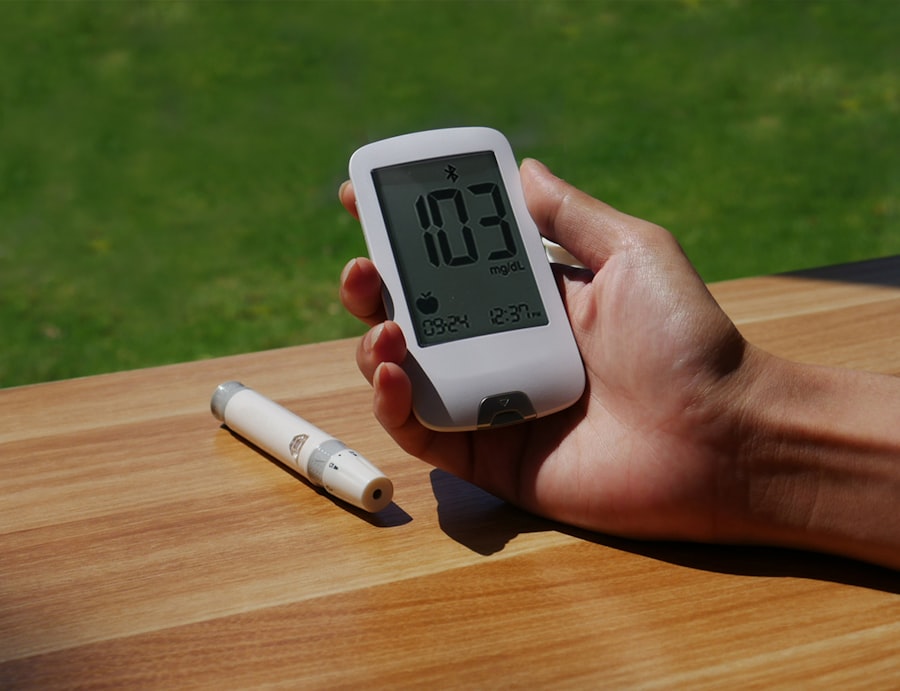
Cortisol’s ubiquitous role in the stress response makes it a prime target for sweat sensing technologies. Historically, measuring cortisol meant blood tests, but wearable sensors offer a paradigm shift towards continuous monitoring that can capture the dynamic ebb and flow of this crucial hormone.
The Dynamics of Cortisol in Sweat
Cortisol exhibits a diurnal rhythm, with levels typically peaking shortly after waking and declining throughout the day. This natural pattern complicates direct interpretation of absolute cortisol values from sweat. Instead, the focus is often on deviations from an individual’s baseline or rapid increases in response to acute stressors.
Diurnal Rhythm and its Implications
Understanding an individual’s typical cortisol profile is essential for interpreting sweat measurements. A sensor that shows a dip in cortisol during the evening might be reflecting natural circadian rhythms rather than a lack of stress. Therefore, baseline measurements are crucial for establishing personal norms.
Acute vs. Chronic Stress Signatures
Acute stressors, such as a challenging work deadline or a public speaking engagement, tend to elicit a more pronounced and immediate, albeit often temporary, spike in cortisol. Chronic stress, on the other hand, can lead to persistently elevated cortisol levels or, in some cases, a dysregulated response where cortisol levels become blunted over time. Sweat sensors aim to capture these different signatures.
Correlation Between Blood and Sweat Cortisol
Establishing a reliable correlation between cortisol levels measured in blood and those detected in sweat is a key area of research. While blood remains the gold standard, sweat offers the advantage of continuous sampling, which can provide a more holistic picture of hormonal fluctuations.
Time Lag and Diffusion
One of the primary challenges is the time lag between cortisol secretion into the bloodstream and its appearance in sweat. Cortisol enters the interstitial fluid and then diffuses into sweat glands. This diffusion process introduces a delay, meaning sweat cortisol levels may not instantaneously reflect blood cortisol levels.
Influences on Sweat-Blood Correlation
Factors such as sweat rate, skin hydration, and the specific location of the sensor on the body can all influence the correlation between blood and sweat cortisol concentrations. Research is ongoing to identify optimal sampling sites and to develop algorithms that can compensate for these variations.
Methodological Approaches for Sweat Cortisol Detection
Various analytical techniques are being adapted for the direct or indirect measurement of cortisol in sweat. These range from highly sensitive laboratory methods miniaturized for wearable devices to simpler, point-of-care approaches.
Immunoassay-Based Sensors
Immunoassays, which utilize antibodies to detect specific molecules, are commonly employed for cortisol detection. These assays can be adapted for electrochemical or optical readout in wearable sensors.
Antibody Immobilization and Specificity
The success of immunoassay-based sweat sensors hinges on the proper immobilization of highly specific antibodies onto the sensor surface. This ensures that only cortisol, and not other similar molecules, is detected, minimizing false positives.
Chromatography Coupled with Mass Spectrometry (Miniaturized)
While not yet widely miniaturized for consumer wearables, research is exploring the integration of micro-chromatographic separation techniques with miniaturized mass spectrometry for highly accurate sweat cortisol analysis. This offers the potential for unprecedented specificity and sensitivity.
Enzyme-Based Detection Systems
Enzyme-based biosensors can also be used to detect cortisol. These systems leverage the catalytic activity of enzymes to produce a measurable signal in the presence of cortisol.
Applications of Sweat Sensing for Stress Monitoring
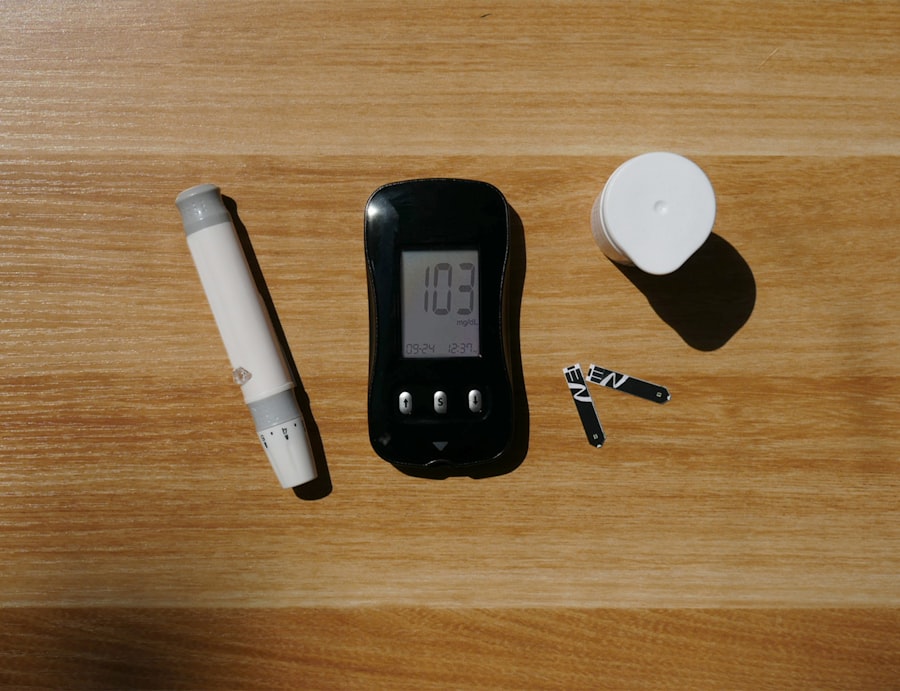
The ability to non-invasively and continuously monitor stress levels through sweat has profound implications for various fields, ranging from healthcare and mental well-being to sports performance and occupational safety.
Mental Health and Psychological Well-being
The constant pressure of modern life can take a toll on mental health. Sweat sensing technology offers a promising tool for early detection and management of stress-related conditions.
Early Detection of Stress Disorders
By tracking an individual’s cortisol patterns and other stress indicators in sweat, it may be possible to identify early signs of conditions like anxiety, depression, or burnout before they become severe. This proactive approach could lead to timely interventions.
Personalized Stress Management Interventions
Understanding individual stress responses through wearable sensors can inform personalized stress management strategies. This could include tailoring mindfulness exercises, recommending specific relaxation techniques, or guiding individuals to adjust their routines to mitigate stressors.
Impact on Sleep Quality and Cognitive Function
Chronic stress is known to disrupt sleep patterns and impair cognitive function. Continuous sweat monitoring could help individuals identify the link between their stress levels and sleep disturbances or periods of reduced cognitive performance, empowering them to make necessary lifestyle changes.
Sports Performance and Training Optimization
For athletes, stress management is crucial for both physical and mental performance. Sweat sensing offers a new layer of insight into how athletes cope with training loads and competition stress.
Monitoring Training Load and Recovery
Excessive training can lead to overtraining syndrome, which is characterized by fatigue, reduced performance, and increased susceptibility to illness. Sweat cortisol levels can provide an objective measure of physiological stress, helping coaches and athletes to fine-tune training regimens and ensure adequate recovery.
Competition Stress and Performance Enhancement
During high-stakes competitions, athletes often experience significant stress. Monitoring cortisol levels in real-time could allow athletes to gauge their stress responses and employ coping mechanisms to maintain optimal performance. This could inform in-situ interventions, such as guided breathing exercises.
Hydration and Electrolyte Balance
Beyond stress hormones, sweat sensors can also monitor electrolyte levels, which are critical for athletic performance and preventing heat-related illnesses. This integrated approach provides a more comprehensive view of an athlete’s physiological state.
Occupational Health and Safety
Certain work environments are inherently stressful, posing risks to employee health and safety. Wearable sweat sensors can help identify prolonged periods of high stress and inform interventions to protect workers.
Monitoring Stress in High-Risk Professions
Professions like first responders, air traffic controllers, or military personnel often operate under intense pressure. Continuous sweat monitoring could provide early warnings of debilitating stress, allowing for timely intervention and preventing critical errors.
Workplace Stress Management Programs
The data gathered from sweat sensors could inform the development of more effective workplace stress management programs. Identifying patterns of heightened stress within teams or departments could lead to targeted interventions and a healthier work environment.
Preventing Burnout and Improving Productivity
By helping to manage stress levels, sweat sensing technology could contribute to reducing burnout rates and improving overall employee productivity and well-being. A less stressed workforce is generally a more engaged and efficient workforce.
Recent advancements in sweat sensing technology have opened new avenues for measuring cortisol and stress levels, providing valuable insights into our physiological responses. This innovative approach not only enhances our understanding of stress management but also aligns with the growing interest in health monitoring solutions. For those interested in exploring related technologies that can improve decision-making processes, you might find this article on fault tree analysis software particularly informative. It highlights how software tools can aid in analyzing complex systems, much like how sweat sensing technology can help us decode our body’s stress signals.
Future Directions and Ethical Considerations
| Metric | Description | Typical Range | Measurement Unit | Relevance to Stress Monitoring |
|---|---|---|---|---|
| Cortisol Concentration | Amount of cortisol hormone detected in sweat | 1 – 50 | ng/mL | Primary biomarker indicating stress levels |
| Sweat Rate | Volume of sweat produced per unit time | 0.1 – 2.0 | μL/min | Influences concentration and sensor calibration |
| pH Level | Acidity or alkalinity of sweat | 4.5 – 7.0 | pH units | Affects sensor accuracy and cortisol stability |
| Temperature | Skin surface temperature during measurement | 30 – 37 | °C | Impacts sensor response and sweat composition |
| Response Time | Time taken for sensor to detect cortisol changes | 30 – 120 | seconds | Critical for real-time stress monitoring |
| Sensor Sensitivity | Minimum detectable cortisol concentration change | 0.1 – 1.0 | ng/mL | Determines precision of stress level detection |
The field of sweat sensing technology is rapidly evolving, with ongoing research focused on improving accuracy, miniaturization, and the breadth of detectable biomarkers. However, as this technology becomes more integrated into our lives, important ethical considerations emerge.
Advancements in Sensor Technology
Ongoing research aims to enhance the capabilities of sweat sensors, moving towards more sophisticated and user-friendly devices.
Increased Sensitivity and Specificity
Future sensors will likely offer greater sensitivity, allowing for the detection of lower concentrations of biomarkers, and improved specificity to avoid cross-reactivity with other substances. This will lead to more accurate and reliable stress assessments.
Multi-Analyte Detection Platforms
The development of “labs-on-a-chip” capable of simultaneously detecting multiple biomarkers in sweat will provide a more comprehensive understanding of an individual’s physiological state. This could include measuring not only cortisol but also other hormones, electrolytes, and metabolites, offering a richer picture of stress and overall health.
Integration with Artificial Intelligence and Machine Learning
The vast amounts of data generated by continuous sweat monitoring will be invaluable for the application of AI and machine learning algorithms. These tools can help identify complex patterns, predict stress events, and provide personalized feedback and recommendations.
Challenges in Data Interpretation and Validation
While the technology is advancing, the interpretation and validation of sweat data remain critical.
Standardization of Measurement Protocols
To ensure comparability across studies and devices, standardization of sweat collection and analysis protocols is essential. This includes defining optimal skin preparation, collection methods, and data processing techniques.
Long-term Validation Studies
Robust, long-term validation studies are needed to confirm the accuracy and reliability of sweat sensing technologies in diverse populations and under various real-world conditions. This will build confidence in the data generated.
Addressing Individual Variability
Recognizing and accounting for individual differences in sweat composition, metabolic rates, and stress responses is crucial for accurate interpretation of data. Personalization of algorithms and interpretation will be key.
Ethical and Privacy Concerns
The widespread adoption of wearable sweat sensors raises important ethical questions regarding data ownership, privacy, and potential misuse.
Data Security and Privacy
The sensitive physiological data collected by sweat sensors must be protected with robust security measures to prevent unauthorized access or breach. Clear policies on data ownership and usage are needed.
Potential for Misinterpretation and Stigmatization
There is a risk that stress data could be misinterpreted or used to stigmatize individuals. Educational efforts and careful framing of results are necessary to avoid negative consequences. For instance, high cortisol readings should not automatically be interpreted as a sign of weakness.
Informed Consent and Transparency
Individuals using sweat sensing technology must provide informed consent regarding what data is collected, how it is used, and who it is shared with. Transparency in data handling practices is paramount.
The development of sweat sensing technology for measuring cortisol and stress levels represents a significant stride in non-invasive physiological monitoring. As the technology matures, its potential to revolutionize how we understand and manage stress in various aspects of our lives becomes increasingly apparent, while prompting careful consideration of the ethical landscape it navigates.
FAQs
What is sweat sensing technology?
Sweat sensing technology refers to wearable devices or sensors that analyze sweat to monitor various biomarkers, such as cortisol levels, electrolytes, and metabolites. These sensors provide real-time data on physiological conditions, including stress and hydration status.
How does sweat sensing technology measure cortisol levels?
Sweat sensing devices detect cortisol by analyzing sweat samples using biochemical sensors that bind specifically to cortisol molecules. The sensors convert this biochemical interaction into electrical signals, which are then processed to quantify cortisol concentration, reflecting the user’s stress levels.
Why is measuring cortisol important for stress monitoring?
Cortisol is a hormone released by the adrenal glands in response to stress. Monitoring cortisol levels provides insight into an individual’s stress response and overall health. Elevated or prolonged high cortisol levels can indicate chronic stress, which is linked to various health issues.
What are the advantages of using sweat sensing technology over traditional stress measurement methods?
Sweat sensing technology offers non-invasive, continuous, and real-time monitoring of stress biomarkers like cortisol, unlike traditional blood tests or saliva samples that require laboratory analysis. This allows for more convenient and timely stress management and health monitoring.
Are sweat sensing devices commercially available and safe to use?
Yes, several sweat sensing devices are commercially available and designed for safe, wearable use. They typically use biocompatible materials and have undergone testing to ensure user safety. However, users should follow manufacturer guidelines and consult healthcare professionals for medical concerns.