

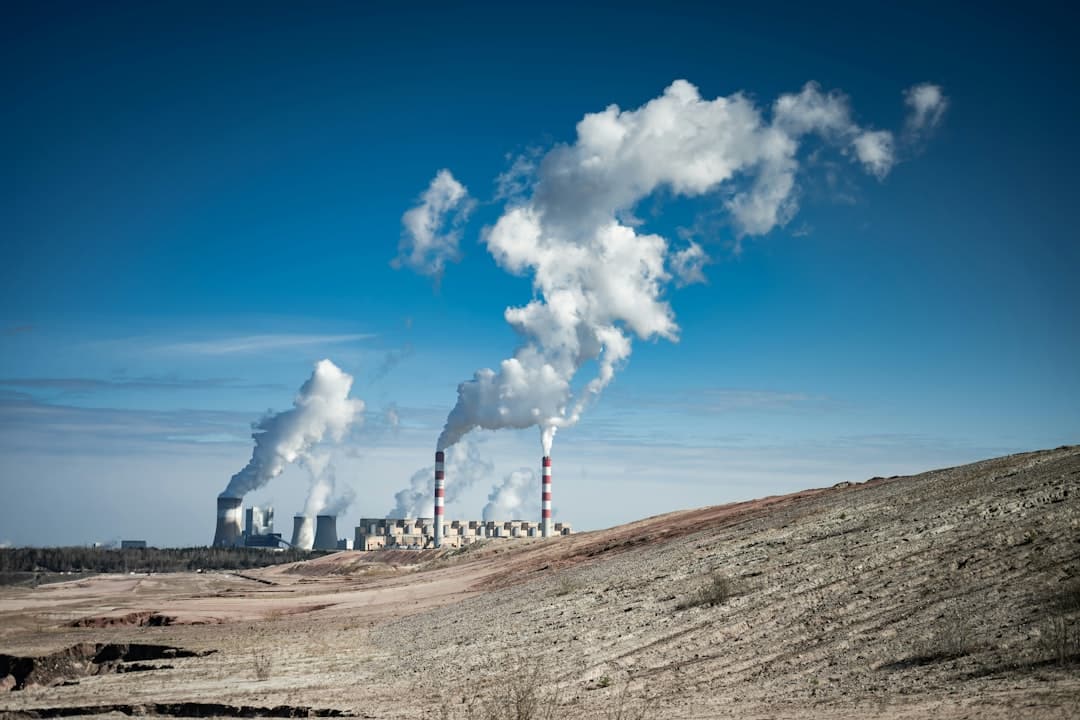
Sustainable cooling solutions are increasingly recognized as essential in addressing the challenges posed by climate change and urbanization. As global temperatures rise, the demand for cooling systems in residential, commercial, and industrial settings has surged. Traditional cooling methods, primarily reliant on fossil fuels and energy-intensive technologies, contribute significantly to greenhouse gas emissions. In contrast, sustainable cooling solutions aim to minimize environmental impact while meeting the growing need for temperature regulation. These solutions not only help reduce energy consumption but also promote a healthier living environment.
The importance of sustainable cooling extends beyond mere energy efficiency. It encompasses a holistic approach to climate resilience, public health, and economic stability. By adopting sustainable cooling practices, communities can mitigate the urban heat island effect, improve air quality, and enhance overall comfort. Furthermore, these solutions can lead to significant cost savings over time, as they often involve lower operational costs and reduced energy bills. As cities continue to expand and populations grow, the integration of sustainable cooling technologies becomes crucial for creating livable urban spaces.
In the pursuit of Sustainable Cooling Solutions for a Warming Planet, it is essential to explore innovative technologies and strategies that can help mitigate the effects of climate change. One related article that delves into the importance of efficient resource management for businesses is available at this link: Best Software for Small Business in 2023. This article highlights various software solutions that can assist small businesses in optimizing their operations, ultimately contributing to a more sustainable future.
Key Takeaways
- Sustainable cooling is essential to reduce energy consumption and combat climate change.
- Global warming increases the demand for cooling, making sustainable solutions more critical.
- Innovations like energy-efficient ACs and passive cooling technologies are advancing sustainable cooling.
- Integrating renewable energy sources, such as solar power, enhances the sustainability of cooling systems.
- Government incentives and individual actions play key roles in promoting sustainable cooling practices.
The Impact of Global Warming on Cooling Needs
Global warming has a profound effect on cooling needs across the globe. As average temperatures rise due to climate change, the frequency and intensity of heatwaves have increased, leading to a greater reliance on air conditioning and refrigeration systems. This heightened demand for cooling not only strains energy resources but also exacerbates the challenges associated with climate change. In many regions, particularly those already experiencing high temperatures, the need for effective cooling solutions has become a pressing issue.
Moreover, the impact of global warming is not uniform; it varies by region and demographic factors. Vulnerable populations, such as low-income households and the elderly, are disproportionately affected by extreme heat events. These groups often lack access to adequate cooling systems or live in areas where heat is intensified by urban infrastructure. Consequently, addressing the cooling needs driven by global warming requires targeted strategies that consider both environmental sustainability and social equity. As climate patterns continue to shift, developing adaptive cooling solutions will be essential for safeguarding public health and ensuring equitable access to comfort.
Innovations in Sustainable Cooling Technologies
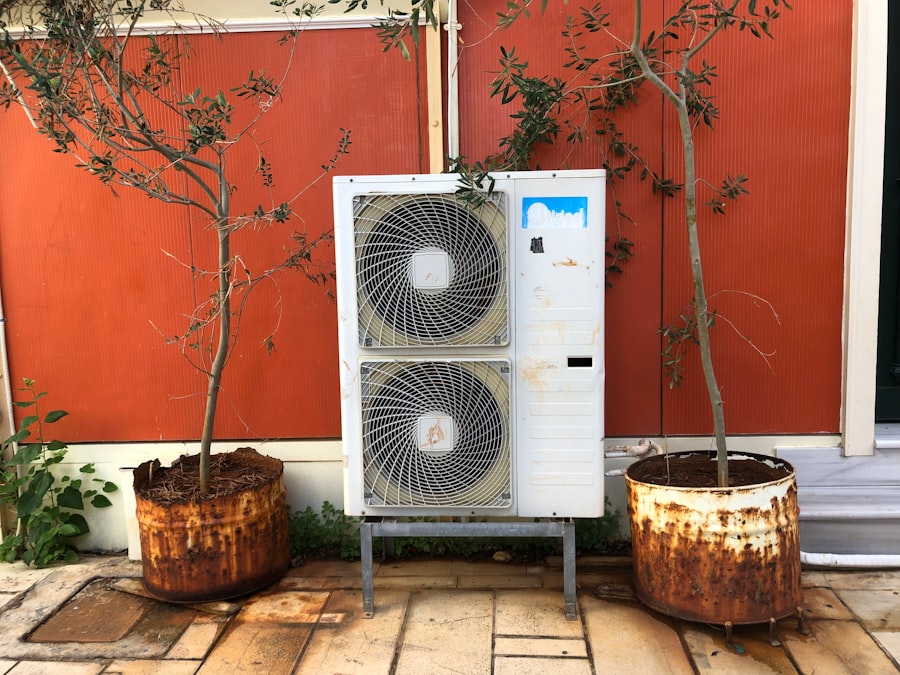
The field of sustainable cooling technologies has seen significant advancements in recent years. Innovations such as evaporative cooling systems, phase change materials, and advanced heat pumps are gaining traction as viable alternatives to traditional air conditioning units. Evaporative cooling, for instance, utilizes the natural process of water evaporation to lower temperatures, making it an energy-efficient option in arid climates. Similarly, phase change materials can absorb and release thermal energy, helping to regulate indoor temperatures without excessive energy consumption.
In addition to these technologies, smart cooling systems that leverage artificial intelligence and machine learning are emerging as game-changers in energy management. These systems can optimize cooling based on real-time data, adjusting settings according to occupancy levels and external weather conditions. By integrating smart technology with sustainable practices, buildings can achieve significant reductions in energy use while maintaining comfort levels. The ongoing research and development in this sector promise even more innovative solutions that will further enhance the efficiency and sustainability of cooling systems.
The Role of Renewable Energy in Cooling Solutions
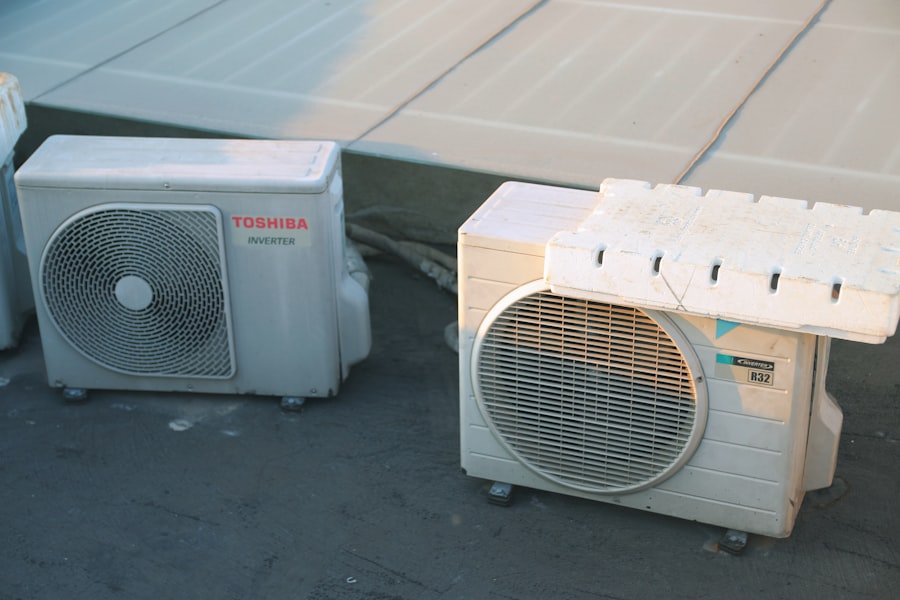
Renewable energy plays a critical role in advancing sustainable cooling solutions. By harnessing sources such as solar, wind, and geothermal energy, cooling systems can operate with minimal environmental impact. Solar-powered air conditioning units are becoming increasingly popular, utilizing photovoltaic panels to generate electricity for cooling purposes. This approach not only reduces reliance on fossil fuels but also aligns with broader efforts to transition to a low-carbon economy.
Geothermal cooling is another promising renewable energy application that leverages the stable temperatures found underground. By circulating water through underground pipes, geothermal systems can provide efficient heating and cooling without the need for traditional energy sources. The integration of renewable energy into cooling solutions not only enhances their sustainability but also contributes to energy independence and resilience against fluctuating fossil fuel prices. As technology continues to evolve, the potential for renewable energy in cooling applications will likely expand further.
In the quest for Sustainable Cooling Solutions for a Warming Planet, it is essential to explore innovative technologies and strategies that can mitigate the effects of climate change. One interesting approach involves the integration of energy-efficient systems and renewable energy sources to reduce carbon footprints. For those looking to enhance their outreach on this critical topic, understanding the role of social media can be invaluable. A related article discusses effective tools for managing social media content, which can be found Mobility 2021: Early Bird Price Extended for One More Day, which discusses advancements in mobility that can contribute to reducing carbon footprints. By integrating these solutions, we can work towards a more sustainable future while addressing the pressing issue of global warming.
The Benefits of Sustainable Cooling for the Environment
Sustainable cooling solutions offer numerous environmental benefits that extend beyond energy savings. By reducing reliance on fossil fuels, these technologies contribute to lower greenhouse gas emissions, helping to mitigate climate change impacts. Furthermore, sustainable cooling practices can decrease the demand for electricity during peak hours, alleviating pressure on power grids and reducing the need for additional power generation from non-renewable sources.
Additionally, sustainable cooling can enhance biodiversity and ecosystem health. For instance, green roofs and urban vegetation can help cool buildings while providing habitats for various species. These practices contribute to improved urban ecosystems by promoting biodiversity and enhancing overall quality of life in cities.
By prioritizing sustainable cooling solutions, communities can foster a more resilient environment that supports both human well-being and ecological balance.
Government Policies and Incentives for Sustainable Cooling
Government policies play a crucial role in promoting sustainable cooling solutions at local, national, and international levels. Many countries have implemented regulations aimed at improving energy efficiency in buildings and incentivizing the adoption of renewable energy technologies. For example, tax credits or rebates for installing energy-efficient cooling systems can encourage homeowners and businesses to invest in sustainable options.
In addition to financial incentives, governments can support research and development initiatives focused on innovative cooling technologies. Collaborations between public institutions and private companies can lead to breakthroughs that enhance sustainability in the sector. Furthermore, establishing building codes that mandate energy-efficient designs can drive widespread adoption of sustainable cooling practices across various industries.
Tips for Individuals to Adopt Sustainable Cooling Practices
Individuals can take several practical steps to adopt sustainable cooling practices in their daily lives. One of the simplest actions is to set thermostats at higher temperatures during warmer months while using fans to circulate air effectively. This approach reduces reliance on air conditioning while maintaining comfort levels. Additionally, utilizing natural ventilation by opening windows during cooler evenings can help cool homes without mechanical assistance.
Investing in energy-efficient appliances is another effective way to promote sustainable cooling. When purchasing air conditioning units or refrigerators, individuals should look for models with high Energy Star ratings or other efficiency certifications. Regular maintenance of these appliances is also essential; cleaning filters and ensuring proper functioning can enhance their efficiency and lifespan.
In conclusion, sustainable cooling solutions are vital in addressing the growing demand for temperature regulation amid global warming challenges. By embracing innovative technologies, renewable energy sources, and effective practices, individuals and communities can contribute to a more sustainable future while enjoying comfortable living environments. Through collective efforts supported by government policies and individual actions, it is possible to create a more resilient world that prioritizes both human comfort and environmental health.
FAQs
What are sustainable cooling solutions?
Sustainable cooling solutions refer to methods and technologies designed to reduce the environmental impact of cooling systems. These solutions aim to minimize energy consumption, lower greenhouse gas emissions, and use eco-friendly refrigerants while maintaining effective temperature control.
Why is sustainable cooling important for a warming planet?
As global temperatures rise due to climate change, the demand for cooling increases, leading to higher energy consumption and greenhouse gas emissions. Sustainable cooling helps mitigate these effects by promoting energy-efficient technologies and reducing reliance on harmful refrigerants, thereby supporting climate goals.
What are some examples of sustainable cooling technologies?
Examples include passive cooling techniques (such as natural ventilation and shading), energy-efficient air conditioners using advanced compressors, evaporative cooling systems, solar-powered cooling, and the use of low-global-warming-potential (GWP) refrigerants like hydrofluoroolefins (HFOs).
How can individuals contribute to sustainable cooling?
Individuals can contribute by using energy-efficient cooling appliances, maintaining and properly sizing cooling systems, utilizing natural ventilation and shading, setting thermostats to moderate temperatures, and supporting policies and products that promote sustainable cooling technologies.
What role do governments and industries play in promoting sustainable cooling?
Governments can implement regulations and incentives to encourage the adoption of energy-efficient cooling technologies and phase out high-GWP refrigerants. Industries can invest in research and development of innovative cooling solutions, improve manufacturing standards, and promote sustainable practices throughout the supply chain.