

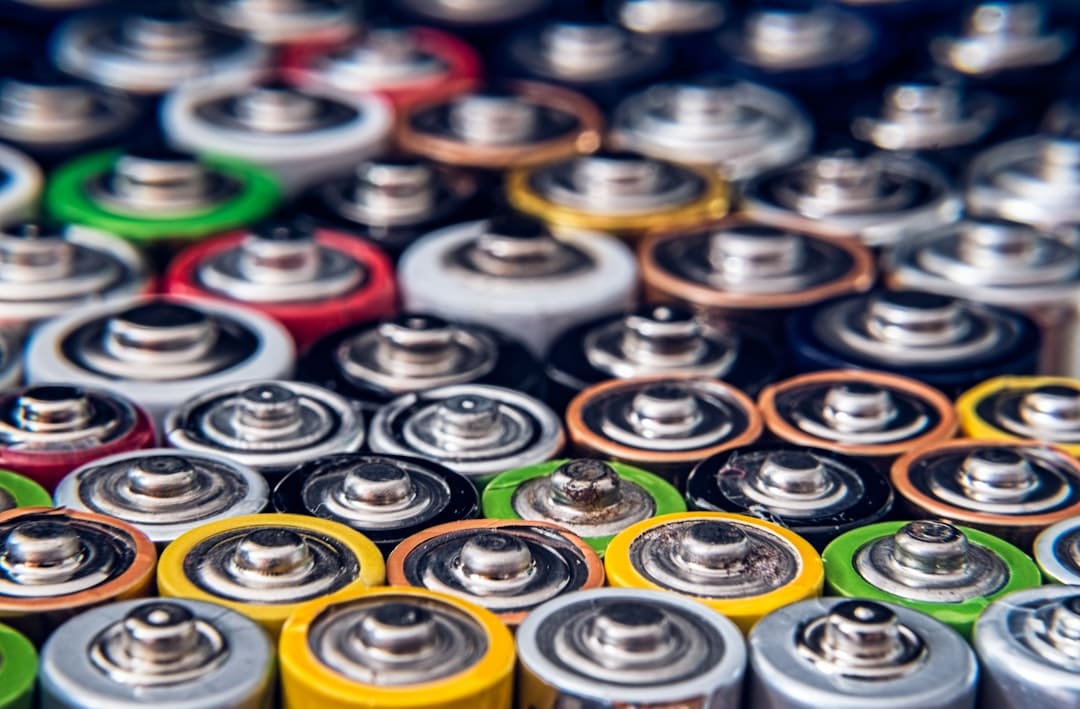
Solid-state batteries represent a significant advancement in energy storage technology, offering a promising alternative to traditional lithium-ion batteries. Unlike conventional batteries with liquid electrolytes, solid-state batteries use a solid electrolyte that can improve safety, energy density, and lifespan. Although the concept has existed for decades, recent technological progress has renewed interest in their applications, particularly for electric vehicles (EVs).
The primary distinction between solid-state and conventional batteries is their structural design. Traditional lithium-ion batteries contain a liquid electrolyte that enables lithium ions to move between the anode and cathode during charging and discharging cycles.
Solid-state batteries, by contrast, use a solid electrolyte made from materials such as ceramics or polymers. This structural change improves battery safety by reducing leakage and flammability risks while enabling higher energy densities, which could result in longer-lasting power sources for electric vehicles.
Key Takeaways
- Solid-state batteries offer improved safety and energy density over traditional lithium-ion batteries.
- Key challenges include manufacturing complexity and high production costs.
- Significant advancements are being made in materials and scalability for commercial use.
- Integration of solid-state batteries could greatly enhance electric vehicle range and charging speed.
- Widespread adoption in EVs is expected within the next decade, potentially transforming the industry.
Advantages of Solid-State Batteries
One of the most compelling advantages of solid-state batteries is their superior energy density compared to traditional lithium-ion batteries. Energy density is a critical factor in determining how much energy a battery can store relative to its weight and volume. Solid-state batteries can achieve energy densities exceeding 300 Wh/kg, significantly higher than the 150-250 Wh/kg typical of conventional batteries.
This increase in energy density translates to longer driving ranges for electric vehicles, addressing one of the primary concerns of consumers: range anxiety.
The use of a solid electrolyte eliminates the flammable liquid components found in traditional batteries, reducing the risk of thermal runaway—a phenomenon where a battery overheats and can potentially catch fire.
Furthermore, solid-state batteries are less prone to dendrite formation, which can occur in liquid electrolytes and lead to short circuits. This inherent safety advantage makes solid-state technology particularly appealing for applications in electric vehicles, where safety is paramount. Another notable benefit is the longevity of solid-state batteries.
They tend to exhibit greater cycle stability and can endure more charge-discharge cycles without significant degradation in performance. This durability not only extends the lifespan of the battery but also reduces the frequency of replacements, ultimately lowering the total cost of ownership for electric vehicle users. As manufacturers strive to create more sustainable products, the longevity of solid-state batteries aligns well with environmental goals by minimizing waste.
Challenges and Obstacles

Despite their numerous advantages, solid-state batteries face several challenges that must be addressed before they can be widely adopted in electric vehicles. One of the primary obstacles is the high manufacturing cost associated with producing solid-state batteries. The materials used for solid electrolytes, such as lithium garnets or sulfides, can be expensive and difficult to source.
Additionally, the manufacturing processes required to create these batteries are often more complex than those used for traditional lithium-ion batteries, leading to increased production costs. Another significant challenge is achieving scalability in production. While small-scale prototypes have demonstrated the potential of solid-state technology, scaling up production to meet the demands of the automotive industry presents logistical hurdles.
Manufacturers must develop efficient processes that can produce solid-state batteries at a competitive price point while maintaining quality and performance standards. This transition from laboratory-scale production to mass manufacturing is critical for the successful integration of solid-state batteries into electric vehicles. Moreover, there are technical challenges related to the interface between the solid electrolyte and the electrodes.
Achieving a stable and efficient interface is crucial for optimal ion conduction and overall battery performance. Poor interfacial contact can lead to increased resistance and reduced efficiency, undermining some of the advantages that solid-state technology promises. Researchers are actively exploring various materials and engineering solutions to enhance interfacial compatibility and performance.
Current Progress and Development
In recent years, significant strides have been made in the development of solid-state battery technology. Major automotive manufacturers and tech companies are investing heavily in research and development efforts aimed at overcoming existing challenges. For instance, Toyota has been at the forefront of solid-state battery research, announcing plans to unveil a prototype by 2025.
The company aims to leverage its expertise in battery technology to create a safe and efficient solid-state battery that could revolutionize electric vehicle performance. Additionally, companies like QuantumScape have garnered attention for their innovative approaches to solid-state battery design. QuantumScape’s technology focuses on using a lithium metal anode combined with a solid electrolyte, which has shown promise in achieving high energy densities while maintaining safety and longevity.
The company has reported successful test results that indicate their batteries can operate effectively at room temperature, a critical factor for practical applications in electric vehicles. Research institutions are also playing a vital role in advancing solid-state battery technology. Collaborative efforts between academia and industry are fostering innovation and accelerating progress.
For example, researchers at Stanford University have developed a new type of solid electrolyte that exhibits high ionic conductivity at room temperature, potentially paving the way for more efficient solid-state batteries. Such breakthroughs highlight the importance of continued investment in research to unlock the full potential of this technology.
Potential Impact on Electric Vehicles
| Metric | Current Lithium-Ion Batteries | Solid-State Batteries (Projected) | Notes |
|---|---|---|---|
| Energy Density (Wh/kg) | 150-250 | 300-500 | Solid-state batteries can potentially double energy density |
| Charging Time | 30-60 minutes (fast charge) | 10-20 minutes (fast charge) | Faster charging due to improved electrolyte conductivity |
| Cycle Life (full charge cycles) | 1000-2000 | 2000-5000 | Longer lifespan expected with solid electrolytes |
| Operating Temperature Range (°C) | -20 to 60 | -30 to 80 | Better thermal stability in solid-state batteries |
| Safety | Moderate risk of fire/explosion | Low risk, non-flammable electrolyte | Solid electrolytes reduce fire hazards |
| Commercial Availability | Widely available | Limited, pilot production | Mass production expected around mid-2020s to 2030 |
| Cost per kWh | 100-150 | Projected 150-250 | Currently higher but expected to decrease with scale |
The integration of solid-state batteries into electric vehicles could have transformative effects on the automotive industry. With their higher energy densities, these batteries could enable manufacturers to produce electric vehicles with significantly longer ranges on a single charge. This advancement would alleviate consumer concerns about range anxiety and make electric vehicles more appealing to a broader audience.
As driving ranges increase, it becomes feasible for consumers to consider electric vehicles as viable alternatives to traditional gasoline-powered cars. Moreover, the enhanced safety features of solid-state batteries could lead to greater consumer confidence in electric vehicles. Safety remains a critical concern for potential buyers, especially following incidents involving battery fires in traditional lithium-ion vehicles.
By offering a safer alternative with reduced risks of thermal runaway and dendrite formation, solid-state batteries could help shift public perception and encourage wider adoption of electric vehicles. The environmental implications are also noteworthy. Solid-state batteries have the potential to reduce reliance on rare materials commonly used in lithium-ion batteries, such as cobalt.
By utilizing more abundant materials or alternative chemistries, manufacturers could create more sustainable battery solutions that align with global efforts to reduce carbon footprints. This shift could contribute to a more sustainable automotive industry while addressing ethical concerns related to resource extraction.
Timeline for Integration into EVs
While the promise of solid-state batteries is clear, their integration into electric vehicles is not without its timeline challenges. Industry experts suggest that widespread adoption may still be several years away due to ongoing research and development efforts required to address existing obstacles. Many manufacturers are targeting the mid-2020s for initial commercial applications, with some optimistic projections suggesting that prototypes could be ready as early as 2025.
Toyota’s commitment to unveiling a prototype by 2025 exemplifies this timeline ambition within the industry. Other automakers are also racing against time to develop their own solid-state battery technologies, with companies like BMW and Volkswagen investing heavily in research initiatives aimed at accelerating development timelines. The competitive landscape is driving innovation but also highlights the urgency for manufacturers to bring viable products to market.
However, it is essential to recognize that transitioning from prototype development to mass production involves numerous steps that can extend timelines further than anticipated. Regulatory approvals, supply chain logistics, and consumer acceptance all play critical roles in determining when solid-state batteries will become mainstream in electric vehicles.
Implications for the Electric Vehicle Industry
The implications of adopting solid-state battery technology extend beyond individual vehicle performance; they could reshape the entire electric vehicle industry landscape. As manufacturers begin integrating these advanced batteries into their offerings, competition will intensify among automakers striving to differentiate themselves based on battery performance and safety features. Furthermore, advancements in battery technology could lead to new business models within the automotive sector.
For instance, longer-lasting batteries may reduce maintenance costs for consumers while enabling automakers to explore innovative leasing or subscription models that emphasize battery performance over ownership. This shift could redefine how consumers interact with electric vehicles and influence purchasing decisions. Additionally, as solid-state technology matures, it may catalyze further investments in charging infrastructure development.
With longer ranges achievable through higher energy densities, there will be an increased demand for fast-charging stations capable of accommodating these advanced battery systems. This evolution could lead to improved charging networks that enhance convenience for electric vehicle users.
Conclusion and Future Outlook
The future outlook for solid-state batteries within the electric vehicle industry is promising yet complex. As research continues to address existing challenges related to cost, scalability, and technical performance, it is clear that these advanced energy storage solutions hold significant potential for transforming transportation as we know it today. The ongoing collaboration between automakers, researchers, and technology companies will be crucial in driving innovation forward.
While timelines remain uncertain due to various factors influencing development and integration processes, it is evident that solid-state batteries are poised to play an integral role in shaping the future of electric mobility. As manufacturers strive for safer, more efficient energy solutions that align with sustainability goals, solid-state technology stands out as a beacon of hope for achieving cleaner transportation systems worldwide. The journey toward widespread adoption may be gradual; however, each step taken brings us closer to realizing the full potential of this groundbreaking technology in revolutionizing electric vehicles.
Solid-state batteries are often hailed as the future of energy storage for electric vehicles (EVs), promising greater efficiency and safety compared to traditional lithium-ion batteries. As we await their widespread adoption, it’s interesting to explore how advancements in technology are influencing various sectors. For instance, if you’re considering a new device to enhance your productivity while studying, you might find this article on how to choose a PC for students particularly useful. Understanding the latest tech trends can help us appreciate the innovations that will eventually lead to breakthroughs in battery technology.
FAQs
What are solid-state batteries?
Solid-state batteries are a type of rechargeable battery that use a solid electrolyte instead of the liquid or gel electrolytes found in traditional lithium-ion batteries. This design aims to improve safety, energy density, and longevity.
How do solid-state batteries differ from conventional lithium-ion batteries?
Unlike conventional lithium-ion batteries that use liquid electrolytes, solid-state batteries use solid electrolytes, which can reduce the risk of leaks and fires. They also have the potential to offer higher energy density and faster charging times.
What are the advantages of solid-state batteries for electric vehicles (EVs)?
Solid-state batteries can provide longer driving ranges, improved safety, faster charging, and longer lifespan compared to current lithium-ion batteries, making them highly attractive for EV applications.
What are the main challenges in developing solid-state batteries?
Key challenges include finding suitable solid electrolyte materials that conduct ions efficiently, ensuring stable interfaces between the electrolyte and electrodes, manufacturing scalability, and cost reduction.
When are solid-state batteries expected to be commercially available in EVs?
While some companies aim to introduce solid-state batteries in EVs within the mid-2020s, widespread commercial adoption is expected to take several more years due to technical and manufacturing hurdles.
Which companies are leading the development of solid-state batteries?
Major automakers like Toyota, BMW, and Volkswagen, as well as battery manufacturers such as QuantumScape and Solid Power, are actively researching and developing solid-state battery technology.
Will solid-state batteries completely replace lithium-ion batteries?
Solid-state batteries have the potential to become the next generation of battery technology for EVs, but lithium-ion batteries will likely remain in use for some time due to existing infrastructure and cost considerations.
How will solid-state batteries impact the cost of electric vehicles?
Initially, solid-state batteries may be more expensive due to complex manufacturing processes, but costs are expected to decrease as technology matures and production scales up, potentially making EVs more affordable in the long term.
Are solid-state batteries safer than current lithium-ion batteries?
Yes, solid-state batteries are generally considered safer because the solid electrolyte is less flammable than liquid electrolytes, reducing the risk of battery fires and thermal runaway.
Can solid-state batteries be used in applications other than electric vehicles?
Yes, solid-state batteries have potential applications in consumer electronics, grid storage, aerospace, and other fields where high energy density and safety are important.