

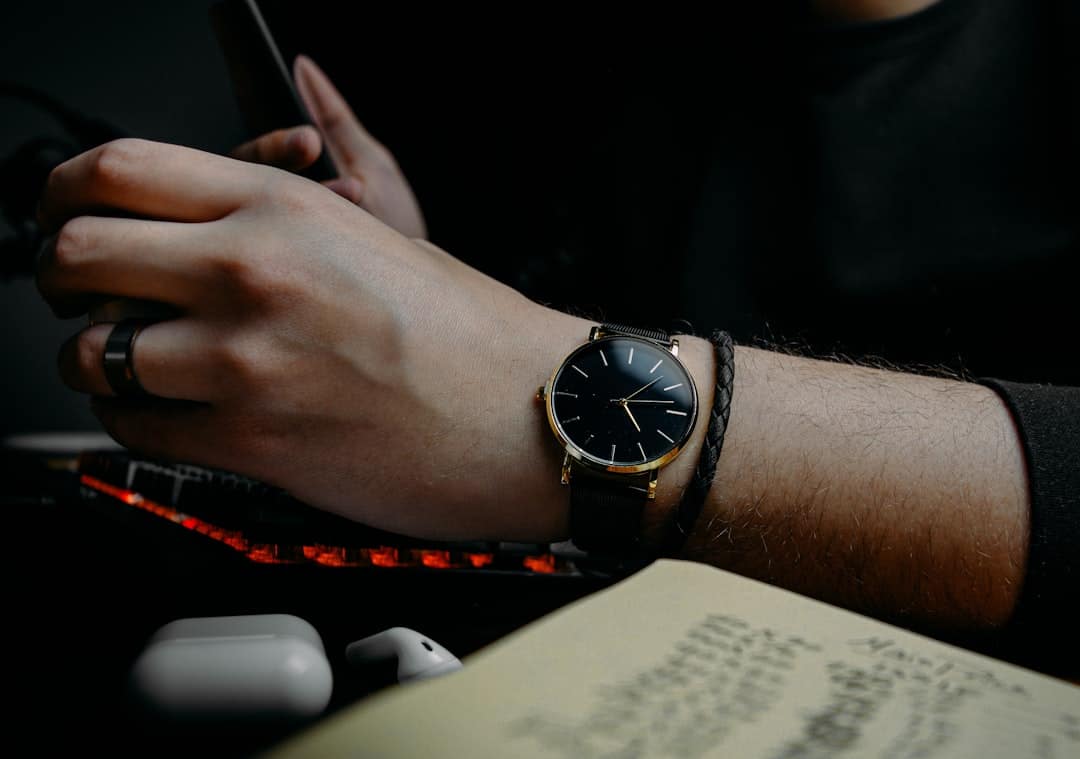
The wearable technology landscape is in a constant state of evolution, with devices striving to integrate seamlessly into our lives. For years, the smartwatch has dominated this space, positioned as a multifaceted companion for communication, fitness tracking, and information access. However, a new contender has emerged, quietly making its presence known: the smart ring. This article explores the ongoing “battle for form factor” between these two categories of wearables, examining their distinct advantages, limitations, and the potential future of personal technology.
The smartwatch, unlike its sleeker counterpart, has had a considerable head start. Its larger display and broader surface area have allowed for a more expansive feature set, a veritable Swiss Army knife of digital interaction strapped to the wrist. This has been instrumental in its widespread adoption.
Display and Interaction: A Visual Canvas
The primary differentiator for the smartwatch is its screen. Available in various sizes and resolutions, these displays allow for rich visual interfaces.
Notifications and Information at a Glance
Smartwatches excel at delivering notifications. From text messages and emails to social media alerts and calendar reminders, the ability to discreetly check information without pulling out a phone is a significant convenience. This allows users to stay connected while minimizing distractions.
App Ecosystem and Functionality
The larger screen of a smartwatch enables a more robust app ecosystem. Developers can create more complex and interactive applications, offering a wider range of functionalities beyond basic notifications. This includes dedicated apps for navigation, music control, payment processing, and even rudimentary gaming.
Input Methods: Taps, Swipes, and Voice
Interaction with smartwatches primarily occurs through touch gestures – taps, swipes, and pinches. Additionally, voice assistants, integrated into most modern smartwatches, offer a hands-free method for tasks such as setting reminders, sending messages, or asking questions.
Features and Capabilities: A Feature-Rich Hub
The physical constraints of a smartwatch have historically allowed for a greater density of sensors and processing power, leading to a broader array of features.
Health and Fitness Tracking: Beyond the Basics
While both form factors offer health tracking, smartwatches often provide more advanced capabilities. This can include continuous blood oxygen monitoring, electrocardiogram (ECG) capabilities, and more detailed sleep analysis, thanks to the larger space available for sensors and batteries.
Communication Hub: Calls and Messages
Many smartwatches offer the ability to make and receive calls directly from the device, often through a paired smartphone or an integrated eSIM. Similarly, responding to messages is generally more intuitive on a larger screen.
Productivity Tools: Calendars, To-Do Lists, and More
The visual real estate of a smartwatch makes it suitable for managing calendars, viewing to-do lists, and even engaging with simplified versions of productivity apps.
Design and Ergonomics: A Matter of Personal Style
Smartwatches have evolved considerably in design, moving beyond purely functional aesthetics to become fashion accessories.
Customization Options: Straps and Watch Faces
The interchangeable strap system on most smartwatches allows users to personalize their device to match their style or occasion. Similarly, a vast library of customizable watch faces offers another layer of personalization.
Comfort and Weight: The Wrist Burden
The bulk of a smartwatch can be a consideration for some users. The weight and size of the device can sometimes lead to discomfort during extended wear, particularly during sleep or physical activity.
In the ongoing debate of Smart Rings vs Smartwatches: The Battle for Form Factor, it’s interesting to consider how the design and functionality of wearable technology can influence various industries. For instance, the realm of interior design is also evolving with innovative tools and software that enhance creativity and efficiency. A related article that explores the best software for interior design in 2023 can provide insights into how technology is shaping different fields. You can read more about it here: The Best Software for Interior Design in 2023.
The Ascendancy of the Smart Ring: Stealth and Subtlety
The smart ring represents a paradigm shift in wearable technology, prioritizing discretion and a minimalist approach. It aims to embed technology in a way that feels less intrusive, more like an extension of oneself rather than a separate gadget.
Form Factor and Discreetness: The Unobtrusive Presence
The most defining characteristic of a smart ring is its size and intended placement. It’s a compact device, designed to be worn on a finger, offering a level of subtlety that a wrist-worn device cannot match.
Minimalist Design: A Jewel of Technology
Smart rings often embrace a jewelry-like aesthetic. Their understated design allows them to blend seamlessly with existing rings, making them less conspicuous and appealing to users who prefer not to advertise their technology.
Comfort and Wearability: All-Day Integration
The small form factor and lightweight nature of smart rings contribute to exceptional comfort. They are designed for continuous wear, including during sleep, without causing irritation or noticeable bulk. This leads to a more passive and integral health monitoring experience.
Core Functionality: Focused on Essential Data
While lacking the expansive display of a smartwatch, smart rings are engineered to excel at specific, crucial functions. They are like a finely tuned instrument, designed for precision in a few key areas.
Health Monitoring: The Silent Observer
Smart rings are emerging as powerful tools for passive health tracking. Continuous monitoring of heart rate, sleep patterns, body temperature, and activity levels is a primary focus. The intimate placement on the finger can potentially offer more accurate readings for certain biometrics.
Contactless Payments: The Digital Wallet on Your Finger
One of the most compelling use cases for smart rings is contactless payments. By embedding NFC technology, users can make purchases with a simple tap of their finger, eliminating the need to carry a wallet or phone.
Access Control: Unlocking Possibilities
Similar to contactless payments, smart rings can be used for access control. This can range from unlocking smart locks in the home to granting entry to gyms or office buildings, streamlining daily routines.
Interaction and Interface: A Different Kind of Conversation
Without a screen to display information, smart rings rely on alternative methods for interaction and feedback.
Haptic Feedback: The Language of Vibrations
Haptic feedback is a crucial element for smart rings. Subtle vibrations can alert users to notifications, confirm actions, or guide them through specific tasks without requiring visual confirmation.
Companion App: The Command Center
The primary interface for a smart ring is typically a dedicated smartphone application. This app serves as the command center for configuring settings, viewing data, and managing features.
Gesture Control: Intuitive Interactions
Some smart rings are exploring gesture control, allowing users to perform actions with simple finger movements. While still a developing area, this offers a potential avenue for discreet interaction.
The Trade-offs: Form vs. Functionality
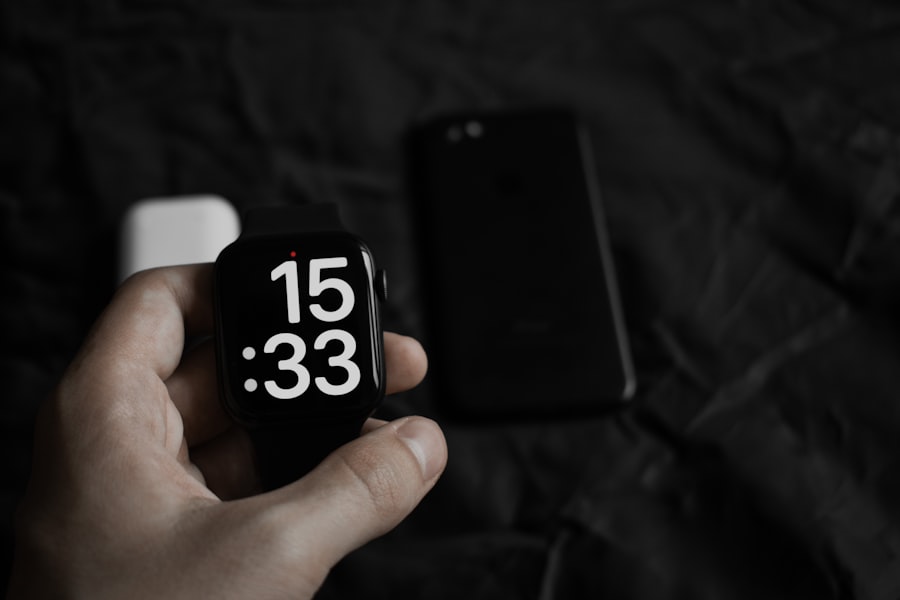
The fundamental difference in form factor between smart rings and smartwatches inherently leads to a discussion of trade-offs. It’s a classic engineering dilemma: how much can you pack into a limited space before it becomes unwieldy?
Display Limitations: A Matter of Real Estate
The most significant limitation of smart rings is their lack of a display. This means that direct interaction with notifications, apps, and detailed data is not possible on the device itself. Users must rely on their paired smartphone for a richer visual experience or detailed analysis.
App Ecosystem: A Niche Landscape
With their limited interface, smart rings have a more restricted app ecosystem compared to smartwatches. The complex interactive apps found on smartwatches are not feasible on a screenless ring. The focus is on well-defined, single-purpose functionalities.
Battery Life: A Tale of Two Architectures
The power demands of a smartwatch, with its vibrant display and more complex processing capabilities, often lead to daily or near-daily charging. Smart rings, with their less power-intensive components, can often achieve significantly longer battery life, sometimes lasting for several days or even weeks on a single charge. This is a distinct advantage for users prioritizing longevity.
Durability and Resilience: Navigating the Elements
Smart rings, being smaller and often made with materials like ceramic or titanium, can be quite durable. However, their small size also means they could be more susceptible to loss if removed. Smartwatches, while robust, have a more visible presence and are less likely to be inadvertently dropped or misplaced.
The Future Landscape: Coexistence or Consolidation?
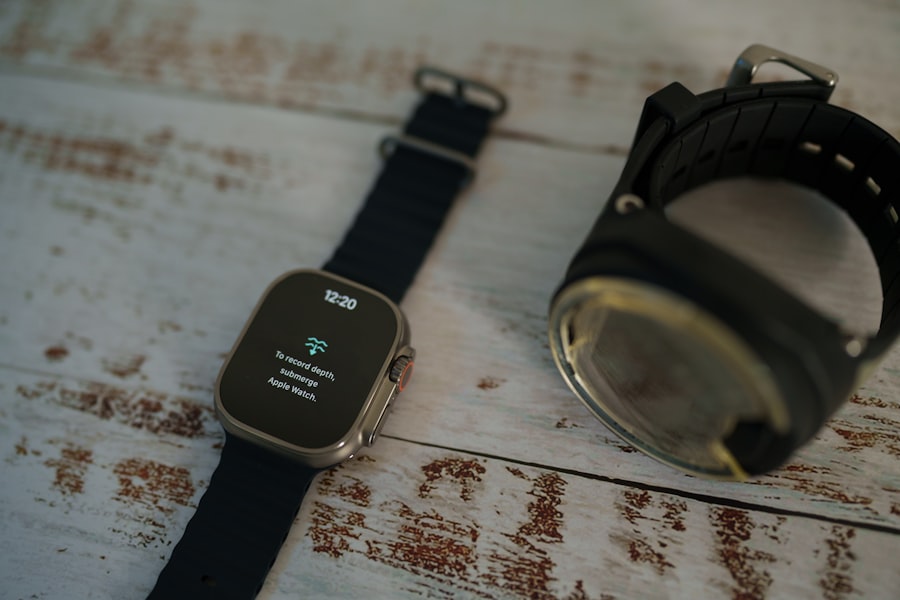
The emergence of the smart ring doesn’t necessarily spell the end of the smartwatch. Instead, it suggests a broadening of the wearable market, catering to different user needs and preferences. The future likely holds a scenario of coexistence, with each form factor carving out its niche.
Diversification of Wearable Needs: One Size Does Not Fit All
The rise of the smart ring indicates that users are seeking different benefits from their wearables. Some prioritize the comprehensive feature set and interactive capabilities of a smartwatch, while others value the unobtrusive health tracking and discreet payment options of a smart ring. This diversification is a healthy sign for technological innovation.
Targeted Use Cases: Specialization for Efficacy
It’s conceivable that certain smart ring functionalities will become so refined and convenient that they will supersede their smartwatch counterparts for specific tasks. For example, for individuals primarily interested in contactless payments and passive sleep tracking, a smart ring might offer a superior experience.
The Potential for Convergence: The Best of Both Worlds?
While distinct, there is always the possibility of technologies converging. Perhaps future smartwatches will become sleeker and more energy-efficient, while smart rings might gain rudimentary display capabilities or more advanced interaction methods. The boundaries could blur over time.
In the ongoing debate between smart rings and smartwatches, enthusiasts often seek to understand the advantages and disadvantages of each form factor. A related article that delves into the intricacies of technology and design is available at The Ultimate Guide to the Best Lighting Design Software of 2023, which explores how innovative design tools can enhance user experience across various tech devices. This comparison not only highlights the features of smart wearables but also emphasizes the importance of aesthetics and functionality in modern technology.
The Consumer’s Choice: Navigating the Wearable Spectrum
| Feature | Smart Rings | Smartwatches |
|---|---|---|
| Form Factor | Compact, worn on finger | Larger, worn on wrist |
| Display | Minimal or no display | Full color touchscreen |
| Battery Life | Up to 3-7 days | 1-3 days |
| Health Tracking | Basic (heart rate, sleep, SpO2) | Advanced (heart rate, ECG, SpO2, GPS) |
| Notifications | Vibration alerts, limited info | Full notifications with interaction |
| Connectivity | Bluetooth, some with NFC | Bluetooth, Wi-Fi, NFC, LTE (optional) |
| Durability | Water resistant, scratch resistant | Water resistant, often more rugged |
| Price Range | Moderate to high | Low to high |
| Use Cases | Discreet health monitoring, minimal interaction | Fitness tracking, communication, apps |
| Customization | Limited bands and styles | Wide range of watch faces and bands |
Ultimately, the “battle for form factor” is less about outright dominance and more about providing consumers with a diverse range of options. The choice between a smartwatch and a smart ring will largely depend on individual priorities, lifestyle, and aesthetic preferences.
Prioritizing Functionality: Who Needs What?
The user who wants to stay connected, manage their day, and access a wide array of apps will likely gravitate towards a smartwatch. The individual seeking discreet health monitoring, seamless payments, and a minimalist approach to technology might find a smart ring to be the ideal solution.
Aesthetic Appeal: Fashion vs. Function
Design plays a significant role. For some, the smartwatch is a statement piece, a technological accessory to be showcased. For others, the subtle elegance and jewelry-like quality of a smart ring align better with their personal style.
The Price Point: Accessibility and Investment
The cost of smart rings and smartwatches can vary significantly. While high-end smartwatches can be quite expensive, some entry-level models offer good value. Smart rings are also entering the market at various price points. Consumers will weigh the feature set against their budget.
The competition between smart rings and smartwatches is a microcosm of a larger trend in technology: the push for integration and personalization. As these devices continue to evolve, they will likely become even more sophisticated, offering users a spectrum of choices to seamlessly weave technology into the fabric of their lives. The “battle” is, in essence, a testament to the innovation driving the wearables market forward, ensuring that consumers have increasingly tailored options for staying connected, informed, and in control.
FAQs
What are the main differences between smart rings and smartwatches?
Smart rings are compact wearable devices worn on the finger, primarily designed for discreet notifications, health tracking, and gesture control. Smartwatches are larger devices worn on the wrist, offering a broader range of features including apps, calls, messaging, fitness tracking, and more comprehensive displays.
Which device offers better health and fitness tracking?
Smartwatches generally provide more advanced health and fitness tracking capabilities due to their larger sensors and displays. They can monitor heart rate, GPS, sleep patterns, and workouts in detail. Smart rings offer basic tracking such as heart rate and sleep but are more limited due to their smaller size.
How do smart rings and smartwatches compare in terms of battery life?
Smart rings typically have longer battery life than smartwatches because they have fewer features and smaller displays, which consume less power. Smartwatches often require daily or every few days charging, while smart rings can last several days to weeks on a single charge.
Are smart rings or smartwatches more comfortable to wear?
Comfort is subjective, but many users find smart rings more comfortable due to their lightweight and unobtrusive design. Smartwatches can feel bulkier and heavier on the wrist, especially during physical activities or sleep.
Which form factor is better for notifications and interaction?
Smartwatches provide a better experience for notifications and interaction because of their larger screens and touch interfaces, allowing users to read messages, respond, and use apps directly. Smart rings offer more limited interaction, often relying on vibrations or simple gestures for alerts.