

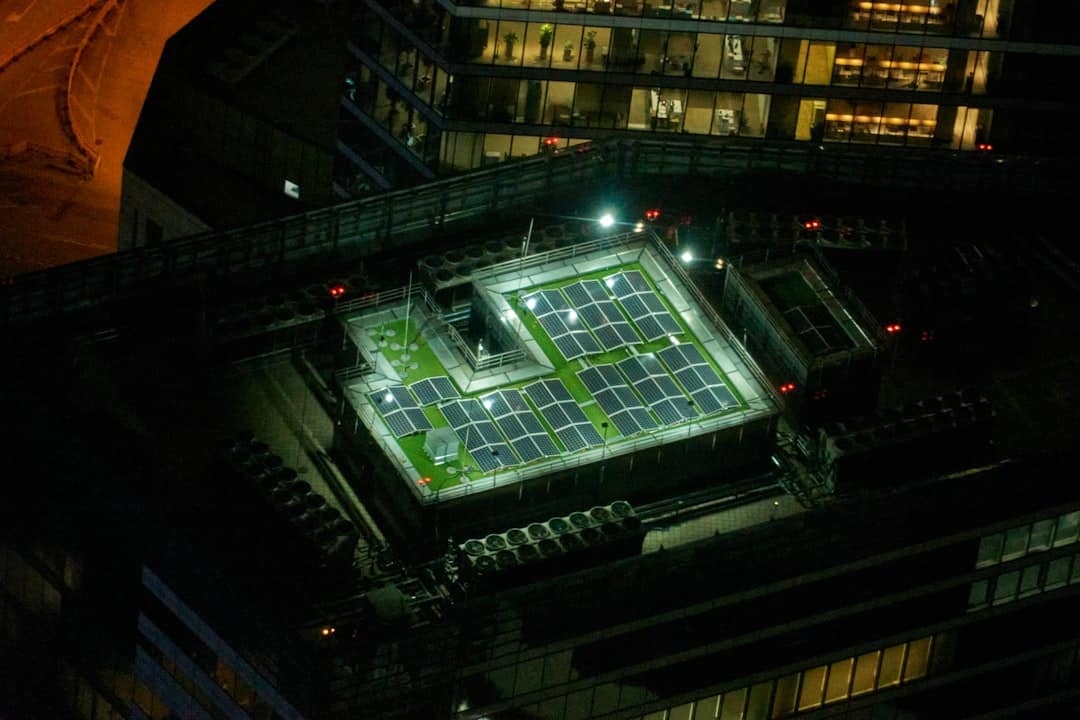
Smart grids represent a significant evolution in the traditional electrical grid system, incorporating advanced technologies to enhance the efficiency, reliability, and sustainability of electricity distribution. At their core, smart grids utilize digital communication tools and automated systems to monitor and manage the flow of electricity from various sources, including renewable energy. This integration is crucial as the world shifts towards cleaner energy solutions, necessitating a more flexible and responsive grid infrastructure capable of accommodating variable energy sources such as solar and wind.
The role of smart grids in integrating renewables is multifaceted. They facilitate real-time data exchange between utilities and consumers, enabling better demand management and energy distribution. By employing smart meters and sensors, utilities can monitor energy consumption patterns and adjust supply accordingly. This capability is particularly important for renewable energy sources, which can be intermittent and unpredictable. Smart grids help balance supply and demand, ensuring that excess energy generated during peak production times can be stored or redirected to meet consumer needs during periods of low generation.
Smart grids are revolutionizing the way we manage electricity distribution, particularly in the context of integrating renewable energy sources. The challenge lies in balancing supply and demand while ensuring grid stability. For a deeper understanding of the technological advancements and strategies being employed to tackle these challenges, you can explore a related article that discusses various tools and techniques in the energy sector. For more insights, visit this article.
Key Takeaways
- Smart grids enable efficient integration and management of renewable energy sources by using advanced communication and control technologies.
- They enhance grid reliability and flexibility, helping to balance variable renewable energy supply with demand.
- Energy storage systems are crucial for addressing intermittency and ensuring stable power delivery in smart grids.
- Modernizing grid infrastructure and updating policies are essential to overcome technical and regulatory challenges in renewable integration.
- Demand response programs play a key role in optimizing energy use and supporting the seamless incorporation of renewables into the grid.
The Benefits of Smart Grids in Managing Renewable Energy Sources
One of the primary benefits of smart grids is their ability to enhance the integration of renewable energy sources into the existing energy infrastructure. By providing real-time data on energy production and consumption, smart grids enable utilities to optimize the use of renewable resources. For instance, when solar or wind energy generation peaks, smart grids can automatically adjust the distribution of electricity to minimize waste and maximize efficiency. This capability not only supports the increased use of renewables but also contributes to reducing greenhouse gas emissions.
Additionally, smart grids promote consumer engagement in energy management. With access to detailed information about their energy usage, consumers can make informed decisions about their consumption patterns. This empowerment can lead to increased adoption of energy-efficient practices and technologies, further supporting the integration of renewables. Programs such as time-of-use pricing incentivize consumers to shift their energy usage to times when renewable generation is high, thereby enhancing grid stability and reducing reliance on fossil fuels.
Challenges of Integrating Renewables into Smart Grids

Despite the advantages offered by smart grids, several challenges remain in the integration of renewable energy sources. One significant issue is the variability and unpredictability associated with renewable generation. Solar and wind energy production can fluctuate based on weather conditions, which complicates grid management. Utilities must develop sophisticated forecasting models and real-time monitoring systems to anticipate these changes and maintain grid stability.
Another challenge lies in the existing infrastructure. Many regions still rely on outdated grid systems that are not equipped to handle the complexities introduced by renewable energy sources. Upgrading these systems requires substantial investment in technology and infrastructure, which can be a barrier for utilities and governments. Furthermore, regulatory frameworks may not be adequately aligned with the needs of a modernized grid, hindering progress toward effective integration.
The Role of Energy Storage in Smart Grids
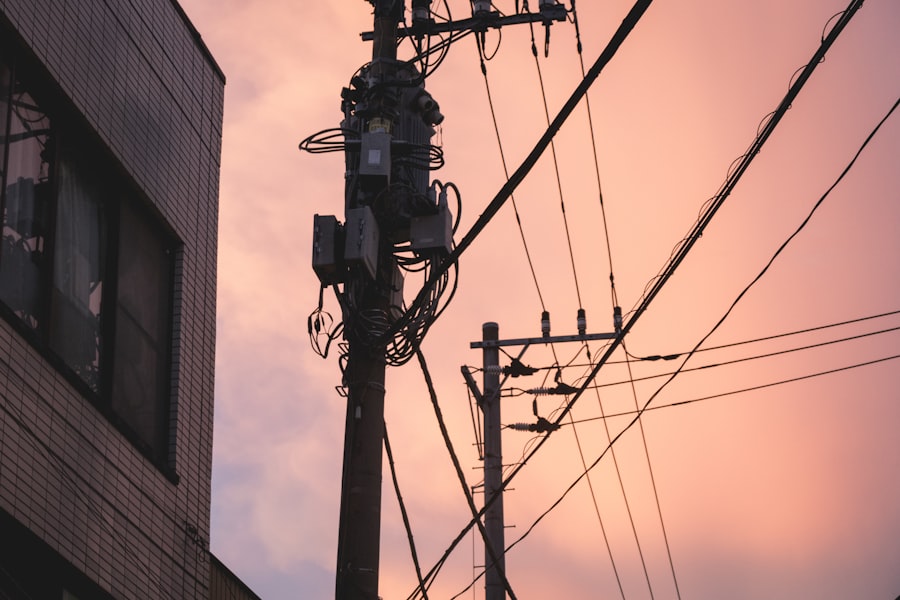
Energy storage plays a critical role in enhancing the functionality of smart grids, particularly in relation to renewable energy integration. Storage systems, such as batteries, allow for the capture of excess energy generated during peak production times for later use. This capability is essential for managing the intermittent nature of renewable sources like solar and wind. By storing surplus energy, utilities can ensure a steady supply during periods of low generation, thereby improving grid reliability.
Moreover, advancements in energy storage technology are making it increasingly viable for both utilities and consumers. As battery costs continue to decline, more households are investing in home energy storage systems that work in conjunction with solar panels. This trend not only empowers consumers to manage their energy use more effectively but also contributes to overall grid stability by reducing peak demand pressures on the grid.
The transition to Smart Grids presents significant opportunities and challenges, particularly in integrating renewable energy sources into existing infrastructure. A related article discusses the best software for 3D printing, which can play a crucial role in developing innovative components for Smart Grid technologies. By leveraging advanced manufacturing techniques, stakeholders can create more efficient systems that accommodate the variability of renewable energy. For more insights on this topic, you can read the article here.
Grid Modernization and its Impact on Renewable Integration
| Metric | Description | Value / Range | Unit | Relevance to Smart Grids |
|---|---|---|---|---|
| Renewable Energy Penetration | Percentage of total energy generated from renewable sources | 20 – 80 | % | Indicates the share of renewables that the grid must integrate |
| Grid Stability Index | Measure of grid frequency and voltage stability | 95 – 99 | % uptime | Reflects the ability to maintain stable power supply with renewables |
| Energy Storage Capacity | Installed capacity of energy storage systems supporting the grid | 500 – 5000 | MW | Enables balancing supply and demand fluctuations from renewables |
| Demand Response Participation | Percentage of consumers enrolled in demand response programs | 10 – 40 | % | Helps manage load and integrate variable renewable generation |
| Smart Meter Penetration | Percentage of households equipped with smart meters | 60 – 90 | % | Facilitates real-time monitoring and control of energy consumption |
| Renewable Energy Forecast Accuracy | Accuracy of predicting renewable generation output | 85 – 95 | % | Improves grid scheduling and reduces balancing costs |
| Grid Integration Cost | Cost associated with integrating renewables into the grid | 10 – 50 | Cost units per MWh | Represents economic challenge of renewable integration |
Grid modernization is a crucial component in facilitating the integration of renewable energy sources into existing electrical systems. This process involves upgrading infrastructure, implementing advanced technologies, and adopting new operational practices that enhance grid resilience and efficiency. Modernized grids are better equipped to handle the complexities associated with distributed energy resources, including renewables.
The impact of grid modernization on renewable integration is significant. Enhanced communication technologies enable real-time monitoring and control of energy flows, allowing for more effective management of variable generation sources. Additionally, modernized grids can support a greater diversity of energy resources, including microgrids and decentralized generation systems. This flexibility not only enhances reliability but also fosters innovation in energy solutions, paving the way for a more sustainable energy future.
Policy and Regulatory Hurdles in the Integration of Renewables into Smart Grids
The integration of renewables into smart grids is often impeded by policy and regulatory challenges. Existing regulations may not adequately support the deployment of new technologies or incentivize investment in renewable energy infrastructure. For instance, outdated interconnection standards can create barriers for distributed generation systems seeking to connect to the grid. Policymakers must address these issues to facilitate smoother integration processes.
Furthermore, regulatory frameworks need to evolve alongside technological advancements. As smart grids become more prevalent, regulations must account for new business models that emerge from decentralized energy production and consumption. This includes addressing issues related to data privacy, cybersecurity, and market access for new entrants in the energy sector. A comprehensive approach to policy reform is essential for creating an environment conducive to renewable integration.
The Importance of Demand Response in Smart Grids and Renewable Integration
Demand response programs are integral to the successful operation of smart grids and the effective integration of renewable energy sources. These programs encourage consumers to adjust their electricity usage during peak demand periods or when renewable generation is high. By incentivizing shifts in consumption patterns, demand response helps balance supply and demand on the grid.
The implementation of demand response strategies can significantly enhance grid reliability while maximizing the use of renewable resources. For example, during times when solar generation peaks, demand response can encourage consumers to increase their usage or store excess energy for later use. This not only alleviates pressure on the grid but also reduces reliance on fossil fuel-based power plants during peak periods. As demand response technologies continue to evolve, they will play an increasingly vital role in supporting a sustainable energy future.
Future Outlook for Smart Grids and the Integration of Renewables
The future outlook for smart grids and their role in integrating renewables appears promising as technological advancements continue to unfold. Innovations in artificial intelligence, machine learning, and data analytics are expected to enhance grid management capabilities further. These technologies will enable utilities to predict demand more accurately and optimize resource allocation in real time.
Moreover, as public awareness of climate change grows, there is increasing pressure on governments and utilities to transition towards cleaner energy solutions. This societal shift will likely drive investments in smart grid technologies and renewable energy infrastructure. Collaborative efforts among stakeholders—including governments, utilities, and private companies—will be essential for overcoming existing challenges and realizing the full potential of smart grids in facilitating a sustainable energy future.
In conclusion, smart grids represent a transformative approach to managing electricity distribution in an era increasingly defined by renewable energy sources. While challenges remain in integrating these technologies effectively, ongoing advancements in grid modernization, energy storage solutions, and policy reform hold significant promise for enhancing sustainability in the global energy landscape. The future will depend on continued innovation and collaboration among all stakeholders involved in this critical transition towards a cleaner energy system.
FAQs
What is a smart grid?
A smart grid is an electricity network that uses digital technology to monitor and manage the transport of electricity from all generation sources to meet the varying electricity demands of end users. It enables two-way communication between the utility and its customers and incorporates advanced sensors, meters, and controls to improve efficiency, reliability, and sustainability.
Why is integrating renewable energy into the grid challenging?
Integrating renewable energy sources like solar and wind is challenging because they are intermittent and variable, depending on weather and time of day. This variability can cause fluctuations in power supply, making it difficult to balance supply and demand and maintain grid stability without advanced management and storage solutions.
How do smart grids help with renewable energy integration?
Smart grids facilitate renewable integration by providing real-time data and automated controls that help balance supply and demand. They enable better forecasting, demand response, distributed generation management, and energy storage integration, which collectively help accommodate the variability of renewables and maintain grid reliability.
What technologies are commonly used in smart grids?
Common smart grid technologies include smart meters, advanced sensors, automated switches, communication networks, energy management systems, and distributed energy resources like battery storage and rooftop solar panels. These technologies work together to enhance grid monitoring, control, and optimization.
What are the benefits of integrating renewables through smart grids?
Integrating renewables via smart grids leads to reduced greenhouse gas emissions, improved energy efficiency, enhanced grid reliability, and greater consumer participation in energy management. It also supports the transition to a more sustainable and resilient energy system by enabling higher penetration of clean energy sources.