

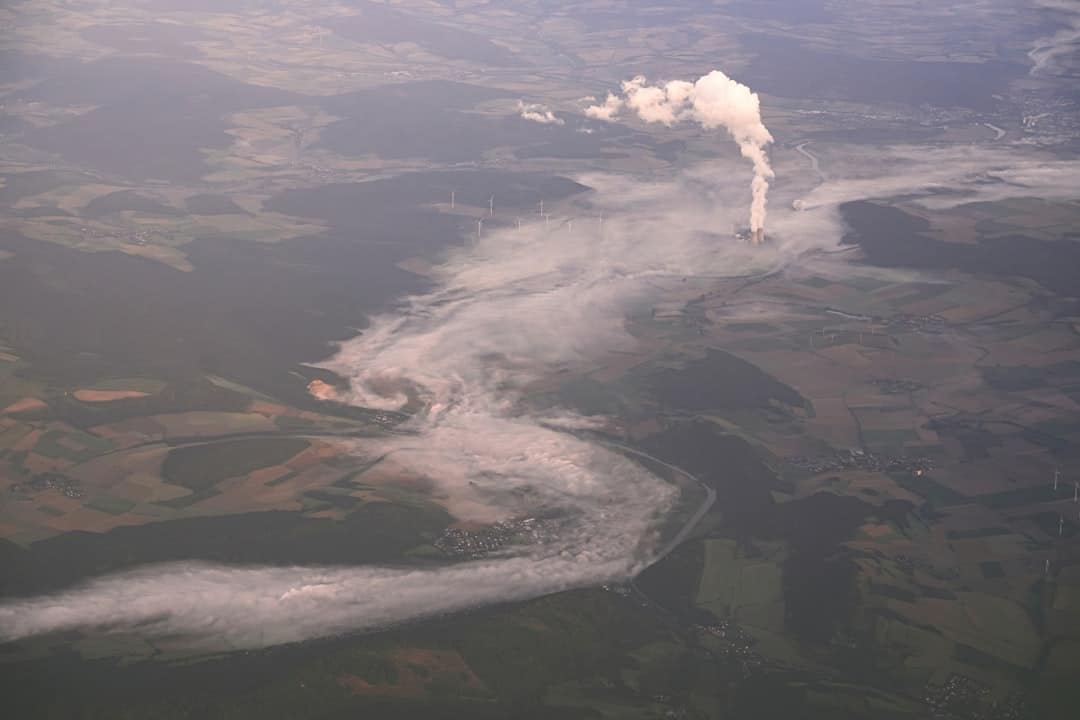
Methane, a potent greenhouse gas, is a significant byproduct of oil and gas extraction processes. Its impact on climate change is substantial, as it has a global warming potential many times greater than carbon dioxide over a short time frame. The oil and gas industries are major contributors to methane emissions, primarily through leaks that occur during extraction, processing, and transportation. These leaks can be unintentional, arising from equipment failures or operational inefficiencies, and they pose both environmental and economic challenges. Addressing methane leaks is crucial for mitigating climate change and improving the sustainability of energy production.
The urgency to monitor and reduce methane emissions has gained traction in recent years, driven by increasing regulatory scrutiny and public awareness of climate issues. Governments and organizations worldwide are implementing stricter regulations to curb methane emissions, recognizing the need for effective monitoring systems. As the oil and gas industries strive to meet these regulations, innovative technologies are being explored to enhance leak detection capabilities.
Among these technologies, satellite monitoring has emerged as a promising solution, offering a comprehensive approach to identifying and quantifying methane leaks across vast areas.
Satellite monitoring of methane leaks in the oil and gas industries is becoming increasingly vital for environmental protection and regulatory compliance. A related article discusses the advancements in technology that enable precise detection and quantification of methane emissions from space. This innovative approach not only enhances the ability to monitor leaks but also supports efforts to mitigate climate change impacts. For more insights on this topic, you can read the article at Trusted Reviews.
Key Takeaways
- Methane leaks in oil and gas industries significantly contribute to greenhouse gas emissions and climate change.
- Monitoring methane leaks is crucial for environmental protection and regulatory compliance.
- Satellite technology enables large-scale, real-time detection of methane emissions from remote and widespread sources.
- Advantages of satellite monitoring include broad coverage, frequent data collection, and cost-effectiveness compared to traditional methods.
- Despite challenges like resolution limits and data interpretation, ongoing advancements promise improved accuracy and expanded use of satellite methane detection.
The Importance of Monitoring Methane Leaks
Monitoring methane leaks is essential for several reasons. First and foremost, it plays a critical role in environmental protection. Methane is a significant contributor to climate change, and its reduction is vital for achieving global climate goals. By identifying and addressing leaks promptly, the oil and gas industries can significantly lower their greenhouse gas emissions, contributing to a more sustainable energy future. Furthermore, effective monitoring can help companies comply with regulatory requirements, avoiding potential fines and enhancing their reputation among stakeholders.
In addition to environmental considerations, monitoring methane leaks has economic implications. Methane is a valuable resource; when it escapes into the atmosphere, it represents lost revenue for companies involved in its extraction and distribution. By implementing robust monitoring systems, companies can minimize these losses and improve operational efficiency. Moreover, proactive leak detection can prevent larger incidents that may lead to costly repairs or environmental disasters. Thus, the economic rationale for monitoring methane leaks aligns closely with environmental objectives, creating a compelling case for investment in advanced detection technologies.
How Satellite Technology is Used for Monitoring Methane Leaks
Satellite technology has revolutionized the way methane leaks are monitored in the oil and gas industries. Traditional methods of leak detection often rely on ground-based sensors or manual inspections, which can be time-consuming and limited in scope.
In contrast, satellites equipped with advanced sensors can cover large geographical areas quickly and efficiently.
These satellites utilize remote sensing technology to detect methane concentrations in the atmosphere, providing real-time data on emissions from various sources.
The process begins with satellites capturing images of the Earth’s surface using specialized instruments that can detect specific wavelengths of light associated with methane. When methane is present in the atmosphere, it absorbs certain wavelengths of infrared light, allowing satellites to identify its concentration levels. This data is then processed and analyzed to pinpoint the locations of potential leaks. By integrating satellite data with ground-based measurements, companies can gain a comprehensive understanding of their methane emissions and take targeted actions to address any identified leaks.
Advantages of Using Satellites for Methane Leak Detection

The use of satellite technology for monitoring methane leaks offers several advantages over traditional methods. One of the primary benefits is the ability to monitor vast areas simultaneously. Ground-based sensors are often limited by their physical reach and require significant manpower for deployment and maintenance. In contrast, satellites can cover hundreds of square miles in a single pass, providing a broader perspective on emissions across multiple facilities or regions.
Another advantage is the ability to obtain consistent and high-resolution data over time. Satellites can continuously monitor methane emissions, allowing for the identification of trends and patterns that may not be apparent through sporadic ground-based measurements. This long-term data collection is crucial for understanding the effectiveness of mitigation strategies and making informed decisions about future investments in leak detection technologies. Additionally, satellite monitoring can enhance transparency in reporting emissions, as data can be independently verified by third parties.
Recent advancements in technology have significantly enhanced the ability to monitor methane leaks in the oil and gas industries, providing a more effective means of addressing environmental concerns. A related article discusses the top trends on YouTube in 2023, highlighting how platforms are increasingly focusing on sustainability and environmental awareness. This shift in content creation reflects a growing public interest in topics such as methane emissions and their impact on climate change. For more insights on this trend, you can read the article here.
Challenges of Satellite Monitoring for Methane Leaks
| Metric | Description | Typical Range/Value | Unit | Source/Method |
|---|---|---|---|---|
| Methane Emission Rate | Amount of methane released from a leak detected by satellite | 1 – 1000+ | kg/hour | Satellite spectral analysis (e.g., TROPOMI, GHGSat) |
| Detection Threshold | Minimum methane emission rate detectable by satellite sensors | ~10 – 50 | kg/hour | Sensor sensitivity and resolution |
| Spatial Resolution | Size of the smallest area on the ground that can be resolved | 30 – 1000 | meters | Satellite instrument design |
| Revisit Frequency | How often the satellite passes over the same location | Daily to weekly | days | Satellite orbit and constellation |
| Number of Detected Leaks | Count of methane leaks identified in a given oil and gas region | Varies by region and monitoring period | count | Satellite data analysis |
| Leak Duration | Estimated time a methane leak persists before repair | Hours to months | time | Time series satellite observations |
| Emission Reduction Potential | Estimated methane emissions that could be prevented by leak repair | Up to 50% of detected emissions | percentage | Leak detection and mitigation studies |
Despite its advantages, satellite monitoring for methane leaks also faces several challenges. One significant issue is the need for accurate calibration of satellite sensors to ensure reliable data collection. Variations in atmospheric conditions, such as humidity or temperature, can affect the accuracy of measurements. Therefore, ongoing calibration and validation efforts are necessary to maintain data integrity.
Another challenge lies in the interpretation of satellite data. While satellites can detect methane concentrations, distinguishing between natural sources of methane (such as wetlands) and anthropogenic sources (like oil and gas operations) can be complex. This requires sophisticated algorithms and models to accurately attribute emissions to specific sources. Furthermore, there may be limitations in detecting smaller leaks or those occurring at low altitudes due to interference from other atmospheric components or surface features.
Recent advancements in satellite monitoring technology have significantly enhanced our ability to detect methane leaks in the oil and gas industries. This innovative approach not only improves environmental safety but also helps companies reduce their operational costs. For a deeper understanding of how technology is transforming various fields, you might find this article on the differences between graphic tablets and drawing tablets insightful. It highlights the importance of choosing the right tools for specific tasks, much like selecting the appropriate technology for effective methane monitoring. You can read more about it here.
Case Studies of Successful Methane Leak Detection Using Satellites
Several case studies illustrate the successful application of satellite technology in detecting methane leaks within the oil and gas industries. One notable example occurred in the Permian Basin in Texas, where researchers utilized satellite data from NASA’s Orbiting Carbon Observatory-2 (OCO-2) to identify significant methane emissions from oil production facilities. The study revealed that certain operators were responsible for disproportionately high emissions compared to their peers, prompting targeted interventions to address these leaks.
Another case involved the use of satellite data from the European Space Agency’s Sentinel-5P mission to monitor methane emissions across various regions in Europe. This initiative allowed researchers to track emissions from multiple sources, including landfills and agricultural activities, alongside oil and gas operations. The findings provided valuable insights into regional emission patterns and helped inform policy decisions aimed at reducing overall methane emissions.
Future Developments in Satellite Monitoring for Methane Leaks
The future of satellite monitoring for methane leaks appears promising as advancements in technology continue to evolve. Ongoing developments in sensor technology are expected to enhance the sensitivity and accuracy of satellite measurements, enabling even smaller leaks to be detected more reliably. Additionally, improvements in data processing algorithms will facilitate better interpretation of satellite data, allowing for more precise attribution of emissions to specific sources.
Moreover, collaborations between governments, research institutions, and private companies are likely to drive innovation in this field. Initiatives aimed at integrating satellite data with ground-based monitoring systems will create a more comprehensive approach to leak detection. As regulatory frameworks become increasingly stringent regarding methane emissions, the demand for effective monitoring solutions will continue to grow, further incentivizing advancements in satellite technology.
The Role of Satellite Technology in Reducing Methane Emissions
In conclusion, satellite technology plays a crucial role in monitoring methane leaks within the oil and gas industries. Its ability to provide comprehensive coverage and real-time data enhances the capacity for identifying and addressing emissions effectively. As environmental concerns surrounding methane continue to escalate, the importance of robust monitoring systems cannot be overstated. By leveraging satellite technology, companies can not only comply with regulatory requirements but also contribute to broader efforts aimed at mitigating climate change.
The ongoing development of satellite monitoring capabilities promises to further improve detection accuracy and expand the scope of emissions tracking. As these technologies advance, they will likely become integral components of comprehensive strategies aimed at reducing methane emissions across various sectors. Ultimately, the integration of satellite technology into leak detection efforts represents a significant step toward achieving a more sustainable energy future while addressing pressing environmental challenges.
FAQs
What is satellite monitoring of methane leaks?
Satellite monitoring of methane leaks involves using satellites equipped with specialized sensors to detect and measure methane emissions from oil and gas facilities. This technology allows for large-scale, real-time observation of methane leaks from space.
Why is monitoring methane leaks important in the oil and gas industry?
Methane is a potent greenhouse gas with a much higher global warming potential than carbon dioxide over a short time frame. Detecting and repairing methane leaks in the oil and gas industry is crucial for reducing environmental impact and complying with regulatory standards.
How do satellites detect methane emissions?
Satellites detect methane by measuring the specific wavelengths of light absorbed and emitted by methane molecules in the atmosphere. Instruments such as spectrometers analyze these signals to identify methane concentrations and pinpoint leak locations.
What are the advantages of using satellites over traditional methane detection methods?
Satellites provide wide-area coverage, enabling the monitoring of remote or inaccessible sites. They offer frequent revisits for continuous monitoring and can detect large-scale leaks that might be missed by ground-based sensors or aerial surveys.
Are there any limitations to satellite methane monitoring?
Yes, satellite monitoring can be affected by weather conditions such as clouds and atmospheric interference. The spatial resolution may limit detection of very small leaks, and data processing requires sophisticated algorithms to accurately interpret methane concentrations.