

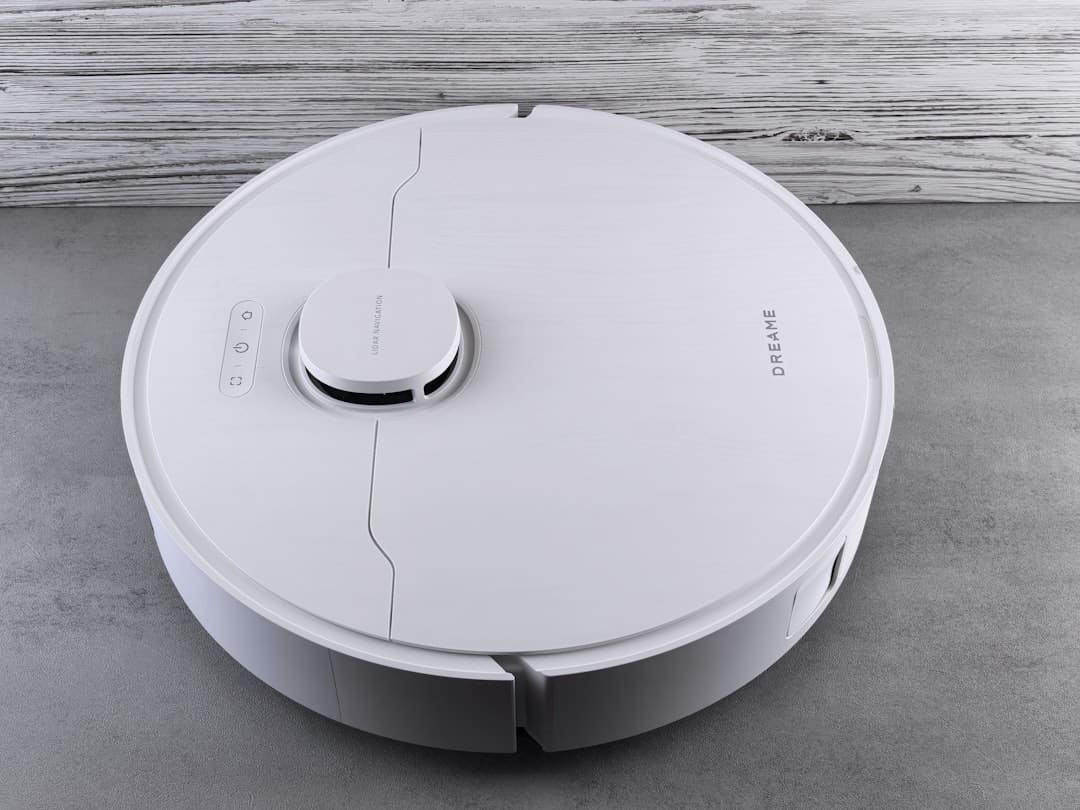
Robot vacuums with climbing capabilities for door thresholds represent an advancement in automated home cleaning technology. These devices are designed to autonomously navigate and clean various floor surfaces, including traversing elevated obstacles such as door thresholds. This article explores the design, functionality, advantages, limitations, and future developments of these specialized robotic cleaners.
The ability of a robot vacuum to climb over thresholds is directly linked to its physical design, specifically its wheel system and chassis clearance. Manufacturers employ various engineering solutions to achieve this capability.
Wheel Design and Suspension
The wheels are a critical component. Robot vacuums designed for threshold climbing often feature larger diameter wheels compared to standard models. This increased diameter provides a greater contact patch with the obstacle, facilitating traction during ascent.
- Tread Patterns: Aggressive tread patterns, similar to those found on off-road vehicles, enhance grip on varying threshold materials, which can include wood, tile, or metal. These patterns are engineered to bite into the surface, preventing slippage.
- Independent Suspension: Many models incorporate independent spring-loaded suspension systems for each wheel. This allows the wheels to adapt to uneven surfaces and maintain continuous contact with both the floor and the threshold as the robot navigates the transition. The suspension acts as a mini-climber’s harness, keeping the robot grounded.
- Articulating Wheels: Some advanced designs feature wheels that can articulate or pivot independently. This allows for a more dynamic response to obstacles, enabling the vacuum to distribute its weight effectively and maintain stability during the climbing process.
Chassis Clearance and Angle of Approach
The overall height of the robot’s undercarriage from the ground, known as chassis clearance, is a primary determinant of its threshold climbing capacity. A greater clearance allows the robot to approach taller thresholds without grounding.
- Sloped Undercarriage: Some robots feature a slightly sloped front underside. This design allows the robot to ease its way onto a threshold rather than meeting it with an abrupt perpendicular impact. This gentle ramp, a kind of architectural empathy for the robot, aids in a smoother transition.
- Threshold Height Specifications: Manufacturers typically specify the maximum threshold height their robots can overcome. This metric is a crucial consideration for consumers whose homes have varying threshold heights. Exceeding this specified height can lead to the robot becoming stuck or unable to cross.
Obstacle Detection and Navigation
Effective navigation is paramount for threshold climbing. Robots utilize an array of sensors to detect obstacles, including thresholds, and plan their traversal strategy.
- Infrared and Laser Sensors: These sensors are employed to map the environment and identify physical barriers. Infrared sensors detect proximity to objects, while laser sensors (Lidar) create a detailed map of the room, including variations in floor height. This allows the robot to “see” the threshold as an elevation change rather than just a wall.
- Bump Sensors: While not ideal for smooth threshold climbing, bump sensors provide a fail-safe. If the robot encounters an obstacle it didn’t previously detect, these sensors register the impact and prompt the robot to adjust its course or attempt to climb.
- Algorithms for Threshold Recognition: Sophisticated algorithms within the robot’s software are programmed to recognize specific patterns indicative of a threshold, such as a sudden rise followed by another flat surface. This empowers the robot to differentiate a threshold from a wall or a piece of furniture.
If you’re interested in the innovative features of robot vacuums, particularly those with climbing capabilities designed to tackle door thresholds, you might find this article insightful. It discusses the latest advancements in mobility technology and how they enhance the functionality of household devices. For more information, you can read the article here: Mobility 2021: Early Bird Price Extended for One More Day.
Functionality and Performance
The performance of robot vacuums with threshold climbing capabilities extends beyond simply overcoming an obstacle; it encompasses their ability to maintain cleaning efficacy across diverse environments.
Cleaning Efficacy Across Thresholds
A key challenge is ensuring consistent cleaning performance immediately before, during, and after traversing a threshold. The transition should not result in missed spots.
- Brush Head Adjustment: Some models feature automatically adjusting brush heads that can maintain optimal contact with varying floor heights, even as the robot ascends or descends a threshold. This dynamic adjustment is like a painter’s brush adapting to the contours of a canvas.
- Suction Power Maintenance: Maintaining consistent suction power during the uneven traversal of a threshold is essential to prevent debris from being left behind. Robots with robust motors and efficient airflow systems are better equipped for this.
- Edge Cleaning: The areas immediately adjacent to thresholds are often high-traffic zones and require thorough cleaning. Robots with effective edge-cleaning brushes can reach into these tight spaces, preventing dirt accumulation.
Battery Life and Power Consumption
Climbing thresholds demands additional power compared to cleaning on a flat surface. This can impact overall battery life and the robot’s ability to complete its cleaning cycle.
- Optimized Power Management: Manufacturers integrate power management systems that dynamically adjust motor speed and suction power based on the terrain. During threshold climbing, the system might briefly increase power to overcome the obstacle, then return to standard consumption.
- Battery Capacity: Robots designed for homes with many thresholds often come equipped with higher capacity batteries to compensate for the increased power drain. This ensures the robot can complete its cleaning tasks without requiring frequent recharges.
- Recharging Efficiency: The ability of the robot to efficiently navigate back to its charging dock after completing its cleaning or when its battery is low is critical. This is especially relevant if the charging dock is located in a different room, requiring an additional threshold crossing.
Noise Levels During Traversal
The act of climbing a threshold can generate additional noise due to the increased strain on motors and the contact with the obstacle. This is a consideration for user experience.
- Motor Insulation: Advanced designs incorporate noise dampening materials and motor insulation to minimize operational noise, even during challenging maneuvers like stair or threshold climbing.
- Wheel Material: The material of the wheels can also influence noise levels. Softer, rubberized wheels tend to be quieter than harder plastic wheels when making contact with hard surfaces.
Advantages of Threshold Climbing Robots
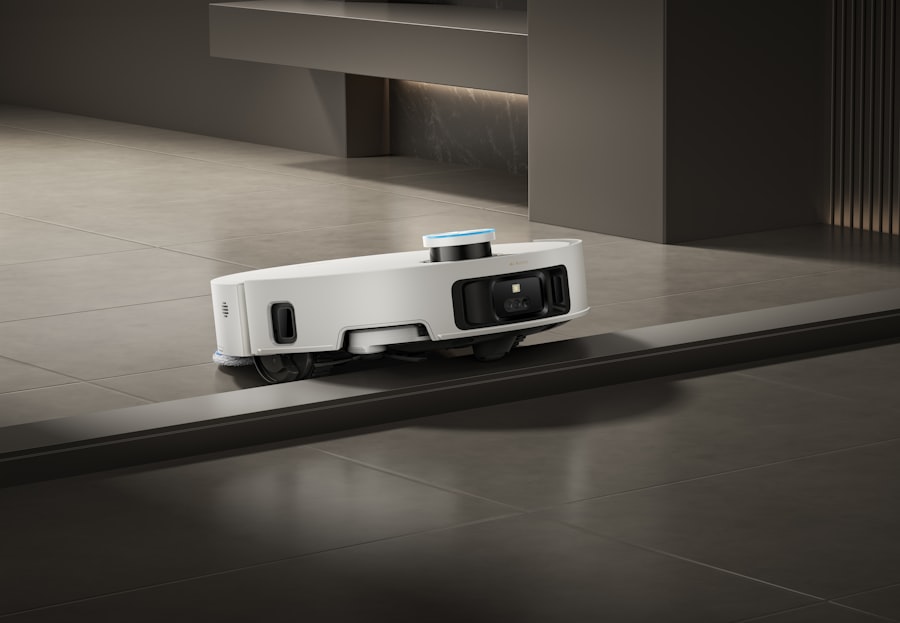
The integration of threshold climbing capabilities offers several distinct advantages for automated home cleaning.
Uninterrupted Cleaning Coverage
The primary benefit is the ability to clean multiple rooms without human intervention. This enables the robot to move seamlessly from one area to another.
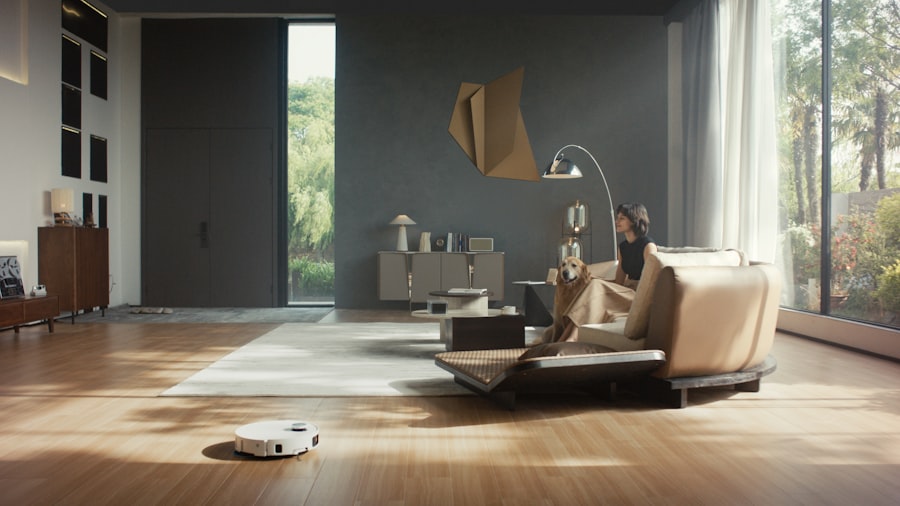
- Whole-Home Cleaning: Without the barrier of thresholds, the robot can clean entire floor plans, providing a more comprehensive cleaning solution compared to models confined to single rooms. This transforms the robot from a house cleaner into a home cleaner.
- Scheduled Cleaning Efficiency: For users who schedule autonomous cleaning sessions, threshold-climbing robots ensure that programmed cleaning routines are executed across all desired areas, without the robot becoming stranded.
Enhanced User Convenience
The elimination of manual intervention to move the robot over thresholds significantly enhances the user experience.
- Reduced Manual Intervention: Users are relieved from the task of physically moving the robot from room to room, which is especially beneficial in larger homes or for individuals with mobility limitations.
- Remote Operation: For users who operate their robot remotely via a smartphone app, the threshold climbing capability means they can initiate a whole-house clean without needing to be physically present to assist the robot.
Adaptability to Diverse Home Layouts
Modern homes often feature open-plan designs but also include distinct rooms separated by thresholds. These robots are well-suited regardless of the layout style.
- Multi-Room Homes: For homes with multiple rooms separated by thresholds, these robots provide a practical solution for maintaining cleanliness throughout the entire living space.
- Varied Flooring: Homes often feature different flooring types in different rooms (e.g., hardwood in the living room, tile in the kitchen, carpet in the bedroom). Threshold-climbing robots can transition between these surfaces, provided the height difference is within their capabilities.
Limitations and Considerations
Despite their advancements, threshold-climbing robot vacuums have certain limitations and require careful consideration before purchase.
Threshold Height and Shape Restrictions
The climbing capability is not limitless; manufacturers provide specifications that must be adhered to.
- Maximum Height: Each robot has a maximum threshold height it can effectively climb. Attempts to cross thresholds exceeding this limit will result in the robot becoming stuck or giving up. This is the robot’s glass ceiling.
- Threshold Profile: The shape of the threshold also matters. A rounded or sloped threshold is generally easier for a robot to traverse than a sharp, perpendicular rise.
- Slippery Surfaces: Certain threshold materials, especially if polished or wet, can be challenging even for robots with good traction, leading to slippage and failed attempts.
Potential for Getting Stuck or Damaged
While designed for climbing, there remains a possibility of the robot encountering an insurmountable obstacle.
- Obstacle Trapping: If the robot’s sensors misinterpret a threshold or if the threshold is too high, the robot can become wedged or stuck, requiring human intervention. This can sometimes lead to minor cosmetic damage to the robot or the threshold itself.
- Sensor Malfunctions: Damaged or dirty sensors can impair the robot’s ability to accurately detect thresholds, leading to difficulties in navigation and potential collisions.
Cost and Complexity
The enhanced engineering required for threshold climbing often translates to a higher price point and potentially more complex maintenance.
- Higher Purchase Price: Robot vacuums with advanced climbing mechanisms and robust suspension systems are generally more expensive than basic models.
- Maintenance Requirements: The more complex mechanical systems, such as advanced suspension, may require more intricate maintenance or be more prone to wear and tear over time. For example, ensuring wheels and suspension components remain free of debris is crucial.
If you’re interested in innovative home cleaning solutions, you might want to explore the advancements in robot vacuums with climbing capabilities designed to tackle door thresholds. These devices are engineered to seamlessly transition between different floor types, ensuring a thorough clean throughout your home. For more insights on technology that enhances everyday tasks, check out this article on voice recording software, which highlights tools that can simplify your life in other ways.
Future Developments
| Model | Max Threshold Height (mm) | Battery Life (minutes) | Suction Power (Pa) | Navigation Type | Weight (kg) | Special Features |
|---|---|---|---|---|---|---|
| ClimbBot X1 | 20 | 120 | 2500 | Lidar + SLAM | 3.5 | Door threshold climbing, multi-floor mapping |
| ThresholdMaster 3000 | 18 | 100 | 2200 | Camera-based | 3.2 | Auto edge detection, carpet boost |
| StepUp RoboVac | 22 | 110 | 2300 | Infrared + Gyroscope | 3.8 | Enhanced climbing wheels, obstacle avoidance |
| DoorClimber Pro | 25 | 90 | 2400 | Lidar | 4.0 | High threshold climbing, voice control |
| EdgeCross 2.0 | 15 | 130 | 2100 | SLAM | 3.3 | Smart home integration, app control |
The field of robotic vacuum technology is continuously evolving, with ongoing research and development focused on enhancing capabilities.
Enhanced AI and Machine Learning
Future robots will leverage more sophisticated AI to improve their understanding of complex environments.
- Adaptive Climbing Strategies: AI will enable robots to learn from past experiences, adapting their climbing strategies to different threshold types and even anticipating challenges. This moves beyond simple detection to intelligent prediction.
- Real-time Obstacle Recognition: Improved machine learning algorithms will allow robots to better differentiate between various types of obstacles and develop more nuanced responses, rather than a generic “climb” attempt. This means distinguishing a low threshold from a child’s toy.
- Predictive Maintenance: AI-driven systems could predict potential issues with climbing mechanisms based on usage and sensor data, prompting users for maintenance before a problem occurs.
Advanced Sensor Technology
New sensor technologies will provide robots with a more comprehensive understanding of their immediate surroundings.
- 3D Mapping and Depth Perception: Next-generation robots may incorporate advanced 3D mapping and depth perception sensors, allowing them to create a highly detailed volumetric understanding of their environment, including precise threshold dimensions and profiles.
- Material Recognition: Sensors capable of identifying the material properties of thresholds (e.g., wood, tile, metal, carpet) could allow the robot to optimize its climbing technique for grip and power.
Modular and Self-Healing Designs
Future robots might feature modular components and even a degree of self-healing or adaptive design.
- Replaceable Climbing Modules: The ability to swap out or upgrade climbing modules could allow users to adapt their robots to evolving home layouts or more challenging thresholds.
- Adaptive Wheel Systems: Wheels that can dynamically change their shape, size, or tread pattern in response to different terrains or obstacles are a possibility, offering unparalleled climbing versatility. This would be like a car tire transforming for off-road conditions.
In conclusion, robot vacuums with threshold climbing capabilities are a significant step in achieving truly autonomous home cleaning. While current models offer substantial advantages in convenience and coverage, understanding their design principles, performance nuances, and inherent limitations is essential for informed consumer choices. The future promises even more sophisticated solutions, driven by advancements in artificial intelligence and sensor technology, pushing the boundaries of what these devices can achieve.
FAQs
What are robot vacuums with climbing capabilities for door thresholds?
Robot vacuums with climbing capabilities are automated cleaning devices designed to navigate and clean multiple rooms by overcoming small obstacles such as door thresholds. These vacuums have enhanced wheels or suspension systems that allow them to climb over raised edges typically found at doorways.
How high of a door threshold can these robot vacuums climb?
Most robot vacuums with climbing capabilities can handle door thresholds ranging from about 0.5 to 2 centimeters (approximately 0.2 to 0.8 inches) in height. The exact climbing height varies by model and manufacturer specifications.
Do climbing robot vacuums require special maintenance?
While maintenance is generally similar to standard robot vacuums, climbing models may require occasional checks on their wheels and suspension components to ensure they remain free of debris and function properly. Regular cleaning of sensors and brushes is also recommended.
Are robot vacuums with climbing capabilities more expensive than regular models?
Typically, robot vacuums with climbing features are priced higher than basic models due to their advanced mobility technology. However, prices vary widely depending on brand, features, and additional functionalities like mapping and smart home integration.
Can these robot vacuums handle other obstacles besides door thresholds?
Many climbing-capable robot vacuums can also navigate over small rugs, cables, and uneven floor surfaces. However, they are generally not designed to climb stairs or very high obstacles, and large thresholds or steps may still require manual intervention.