


In recent years, the proliferation of mobile technology and the increasing reliance on digital communication have led to the emergence of various cyber threats. Among these, quishing attacks—malicious schemes that exploit QR codes—have gained prominence. As QR codes have become ubiquitous in marketing, payment systems, and information sharing, cybercriminals have identified them as a convenient vector for launching attacks. The term “quishing” is derived from the combination of “QR code” and “phishing,” highlighting the method’s deceptive nature. This rise in quishing attacks can be attributed to several factors, including the rapid adoption of contactless technologies during the COVID-19 pandemic and the general lack of awareness surrounding QR code security.
The convenience offered by QR codes has made them an attractive target for attackers. Users often scan QR codes without considering the potential risks involved, leading to a false sense of security. As businesses and organizations increasingly incorporate QR codes into their operations, the opportunities for malicious actors to exploit this technology have expanded. The rise of quishing attacks reflects a broader trend in cybercrime, where attackers continuously adapt their methods to exploit emerging technologies and user behaviors. As a result, understanding the nature of quishing attacks and their implications is essential for both individuals and organizations.
In the digital age, where convenience often trumps caution, it’s essential to be aware of the potential risks associated with new technologies. A related article that explores the best practices for online security is titled “Discover the Best Laptops for Blender in 2023: Top Picks and Reviews.” This article not only highlights the latest laptop models suitable for graphic-intensive tasks but also emphasizes the importance of cybersecurity measures when using technology. You can read more about it here: Discover the Best Laptops for Blender in 2023.
Key Takeaways
- Quishing attacks exploit QR codes to redirect users to malicious websites or steal personal information.
- Scanning unknown or suspicious QR codes can lead to phishing, malware installation, or financial loss.
- Attackers use tactics like fake QR code stickers, phishing URLs, and social engineering to deceive victims.
- Awareness and cautious behavior, such as verifying QR code sources, are crucial for protection.
- As QR code usage grows, enhancing security measures and public education is vital to combat future quishing threats.
How QR Codes are Exploited
QR codes function as a bridge between the physical and digital worlds, allowing users to access websites, download apps, or make payments with a simple scan. However, this functionality can be manipulated by cybercriminals who create fraudulent QR codes that redirect users to malicious sites or initiate harmful actions. One common method involves placing counterfeit QR codes over legitimate ones in public spaces, such as restaurants or retail stores. Unsuspecting users may scan these altered codes, unwittingly providing sensitive information or downloading malware onto their devices.
Another tactic involves sending QR codes through phishing emails or text messages. In these scenarios, attackers may impersonate trusted entities, such as banks or service providers, to lure victims into scanning the code.
Once scanned, the code may lead to a fake website designed to harvest personal information or install malware.
The ease with which QR codes can be generated and distributed makes them an appealing tool for cybercriminals seeking to exploit unsuspecting users. As awareness of traditional phishing techniques grows, attackers are increasingly turning to quishing as a means of circumventing user defenses.
The Dangers of Scanning Unknown QR Codes
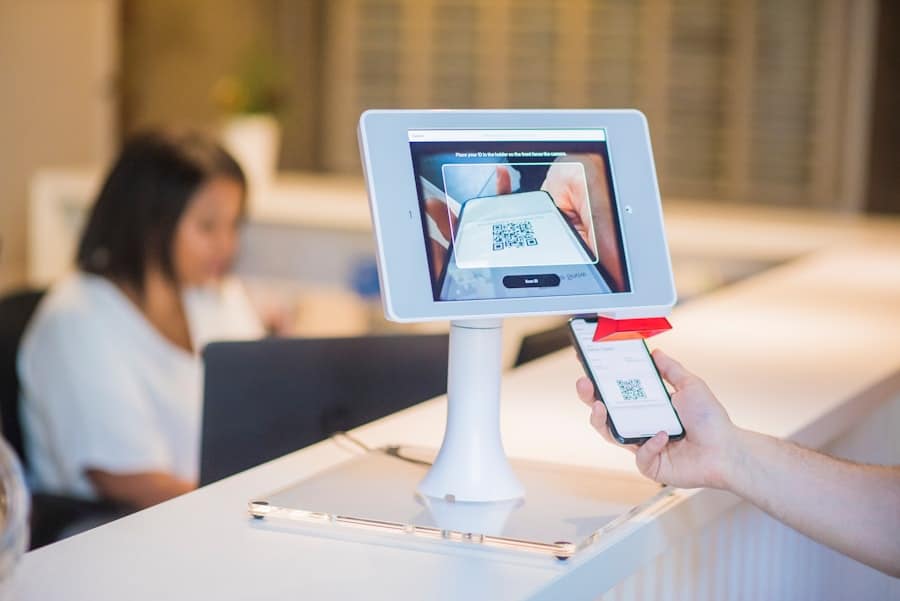
Scanning unknown QR codes poses significant risks to users, primarily due to the potential for data theft and malware installation. When individuals scan a QR code without verifying its source, they may inadvertently expose themselves to various cyber threats. For instance, a malicious QR code could redirect users to a phishing site that mimics a legitimate service, prompting them to enter sensitive information such as passwords or credit card numbers. This information can then be exploited by attackers for financial gain or identity theft.
Moreover, some quishing attacks involve the installation of malware on the victim’s device. This malware can take various forms, including ransomware that encrypts files and demands payment for their release or spyware that monitors user activity and collects personal data. The consequences of such attacks can be severe, leading to financial loss, reputational damage, and long-term security vulnerabilities. As users become more reliant on mobile devices for everyday tasks, the dangers associated with scanning unknown QR codes will likely continue to escalate.
Common Tactics Used in Quishing Attacks
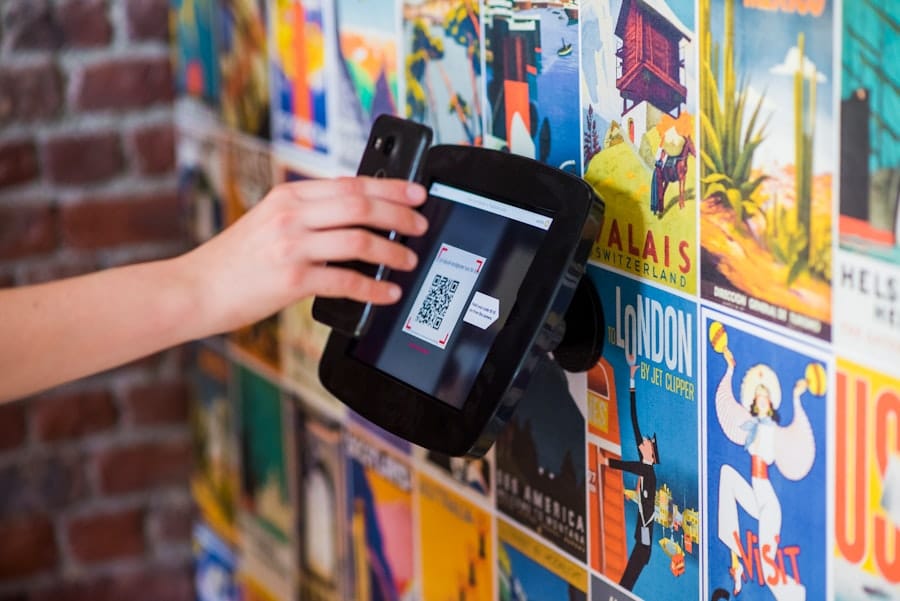
Quishing attacks employ a range of tactics designed to deceive users and facilitate malicious activities. One prevalent method is social engineering, where attackers manipulate victims into taking specific actions based on trust or urgency. For example, an attacker might send an email claiming to be from a reputable company, urging the recipient to scan a QR code for an important update or security alert. This sense of urgency can cloud judgment and lead individuals to act without proper scrutiny.
Another common tactic involves creating visually appealing but fraudulent QR codes that mimic legitimate ones. Attackers may use design elements similar to those of trusted brands to lend credibility to their malicious codes. Additionally, they may place these counterfeit codes in high-traffic areas or on promotional materials where users are likely to scan them without hesitation. By leveraging psychological triggers such as curiosity or fear of missing out (FOMO), quishing attacks can effectively bypass user defenses and achieve their objectives.
In today’s digital landscape, the rise of quishing attacks highlights the importance of being cautious with seemingly harmless actions, such as scanning QR codes. For those interested in enhancing their tech knowledge, an insightful article on the best Apple tablets in 2023 can provide valuable information on devices that support secure browsing and app usage. You can explore this resource further by visiting Many mobile devices now come equipped with built-in security features that can alert users to potential threats when accessing unfamiliar sites. Keeping software and applications up-to-date is also crucial, as updates often include security patches that protect against known vulnerabilities. Raising awareness about QR code security is essential in combating quishing attacks effectively. Many users remain unaware of the potential risks associated with scanning unknown QR codes, making them prime targets for cybercriminals. Educational initiatives aimed at informing individuals about safe scanning practices can significantly reduce the likelihood of falling victim to quishing attacks. Organizations also play a critical role in promoting QR code security awareness among their customers and employees. By providing clear guidance on how to identify legitimate QR codes and encouraging vigilance when interacting with digital content, businesses can help create a more secure environment for their stakeholders. As technology continues to evolve, fostering a culture of security awareness will be vital in mitigating emerging threats like quishing. As technology advances and QR codes become increasingly integrated into daily life, the threat posed by quishing attacks is likely to persist and evolve. Cybercriminals will continue to refine their tactics in response to growing awareness and countermeasures implemented by users and organizations alike. This ongoing cat-and-mouse game underscores the importance of remaining vigilant and proactive in addressing potential vulnerabilities associated with QR code usage. Looking ahead, it is crucial for developers and businesses to prioritize security measures when implementing QR code technology. This may include incorporating features such as dynamic QR codes that can be updated or revoked if compromised or utilizing encryption methods to protect sensitive data transmitted through scans. By fostering collaboration between technology providers, cybersecurity experts, and end-users, it may be possible to create a more secure ecosystem that minimizes the risks associated with quishing attacks while maximizing the benefits of QR code technology. A quishing attack is a type of cyberattack where malicious actors use QR codes to trick users into scanning them, leading to phishing websites or downloading malware. The term “quishing” combines “QR” and “phishing.” In a quishing attack, attackers create fake QR codes that appear legitimate. When scanned, these codes redirect users to fraudulent websites designed to steal personal information or install harmful software on their devices. Scanning unknown QR codes can expose users to risks such as identity theft, financial loss, unauthorized access to personal data, and malware infections that compromise device security. To protect yourself, only scan QR codes from trusted sources, verify the URL before clicking any links, use security software on your device, and avoid scanning codes found in suspicious locations or unsolicited messages. Yes, some mobile security apps and QR code scanner apps include features that check the safety of a QR code before opening the link. Additionally, previewing the URL embedded in a QR code can help identify potential threats. The Importance of QR Code Security Awareness
The Future of Quishing Attacks and QR Code Security
FAQs
What is a quishing attack?
How do quishing attacks work?
What are the risks of scanning unknown QR codes?
How can I protect myself from quishing attacks?
Are there tools to detect malicious QR codes?