

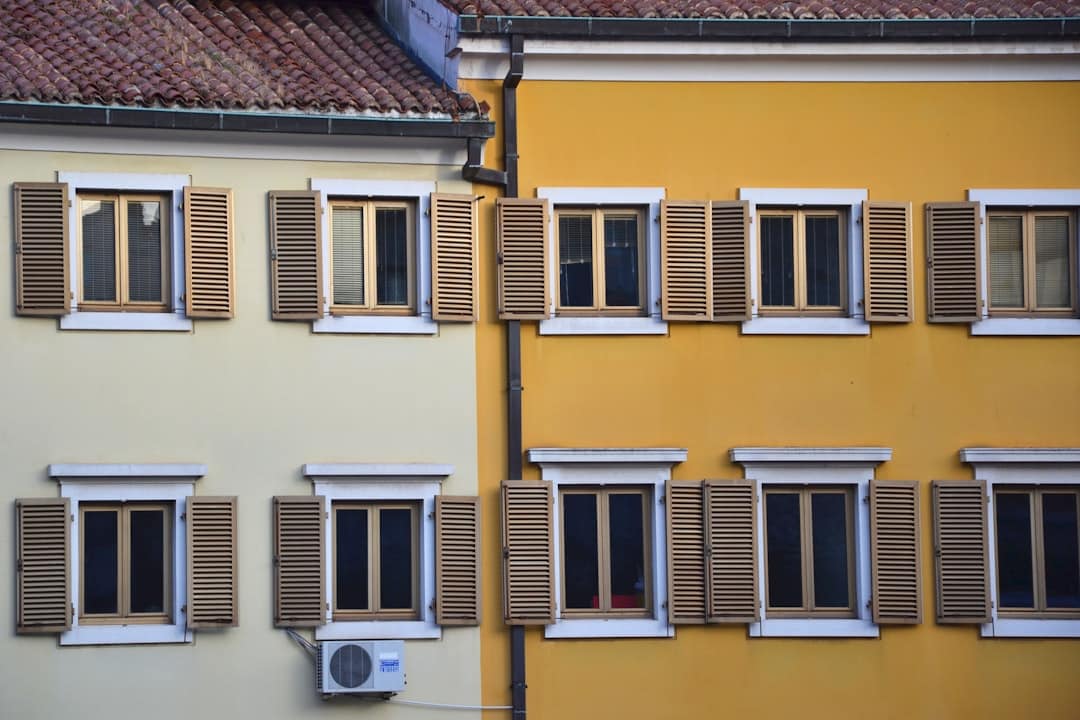
Passive House Standards refer to a rigorous set of design and construction criteria aimed at creating energy-efficient buildings that maintain a comfortable indoor climate without the need for conventional heating and cooling systems. Originating in Germany in the late 20th century, these standards emphasize high levels of insulation, airtight construction, and the use of energy-efficient windows. The goal is to minimize energy consumption while maximizing comfort, thereby reducing the environmental impact of buildings.
The core principles of Passive House design include superior thermal insulation, high-performance windows, and mechanical ventilation with heat recovery. These elements work together to create a building envelope that significantly reduces energy loss. By adhering to these standards, buildings can achieve a reduction in energy use by up to 90% compared to traditional structures. This approach not only addresses energy efficiency but also promotes sustainability by reducing reliance on fossil fuels and lowering greenhouse gas emissions.
In exploring the intersection of energy efficiency and modern technology, a related article discusses the best software for furniture design, which can play a significant role in creating smart homes that adhere to Passive House Standards. By integrating innovative design software, homeowners and architects can optimize their living spaces for both comfort and sustainability. For more insights on how technology can enhance furniture design in the context of smart homes, you can read the article here: Best Software for Furniture Design.
Key Takeaways
- Passive House Standards focus on energy-efficient building design to minimize heating and cooling needs.
- Smart Home Integration involves using technology to automate and optimize home systems for convenience and efficiency.
- Combining Passive House Standards with Smart Home technology enhances energy savings and occupant comfort.
- Integration challenges include technical complexity, cost, and ensuring compatibility between systems.
- Future trends point toward increased synergy between energy-efficient building practices and advanced smart home solutions.
Benefits of Passive House Standards
The benefits of Passive House Standards extend beyond mere energy savings. One of the most significant advantages is the enhanced comfort experienced by occupants. The design principles ensure consistent indoor temperatures throughout the year, eliminating cold drafts and hot spots that are common in conventional buildings. This stable environment contributes to improved air quality and overall well-being, making Passive Houses an attractive option for homeowners and tenants alike.
In addition to comfort, Passive House buildings often lead to substantial financial savings over time. Although the initial construction costs may be higher due to the quality of materials and design expertise required, the long-term savings on energy bills can be considerable. Many homeowners find that the investment pays off within a few years, thanks to reduced heating and cooling costs. Furthermore, as energy prices continue to rise, the financial benefits of energy-efficient homes become increasingly pronounced, making Passive House Standards a wise choice for future-proofing investments.
What is Smart Home Integration?
Smart Home Integration refers to the incorporation of advanced technology into residential environments to enhance convenience, security, and energy management.
This integration typically involves the use of devices such as smart thermostats, lighting systems, security cameras, and home automation hubs that can be controlled remotely via smartphones or other devices.
The primary aim is to create a seamless living experience where various systems communicate with each other to optimize functionality and efficiency.
The rise of the Internet of Things (IoT) has significantly contributed to the growth of smart home technology. With an increasing number of devices becoming interconnected, homeowners can monitor and control their environments in real-time. This capability not only enhances comfort but also allows for more efficient energy use, as systems can be programmed or adjusted based on occupancy patterns and preferences. As technology continues to evolve, smart home integration is becoming more accessible and affordable for a wider range of consumers.
Advantages of Smart Home Integration
The advantages of Smart Home Integration are multifaceted, encompassing convenience, security, and energy efficiency. One of the most notable benefits is the ability to control various aspects of a home remotely. Homeowners can adjust lighting, heating, and security settings from their smartphones or tablets, providing peace of mind and flexibility in managing their living spaces. This level of control can be particularly beneficial for those with busy lifestyles or for individuals who travel frequently.
In terms of energy efficiency, smart home technology can lead to significant reductions in energy consumption. For instance, smart thermostats can learn user habits and adjust heating or cooling accordingly, ensuring that energy is not wasted when spaces are unoccupied. Additionally, smart lighting systems can automatically turn off when rooms are empty or adjust brightness based on natural light levels. These features not only contribute to lower utility bills but also align with broader sustainability goals by reducing overall energy demand.
The integration of Passive House Standards with smart home technology is revolutionizing energy efficiency in modern construction. By combining these two innovative approaches, homeowners can achieve optimal thermal comfort while significantly reducing energy consumption. For those interested in exploring the best tools to enhance their smart home experience, a related article discusses various software solutions that can streamline operations and improve energy management. You can read more about it in this insightful piece on best software for small businesses. This synergy not only promotes sustainability but also enhances the overall living experience.
How Passive House Standards and Smart Home Integration Work Together
| Metric | Passive House Standard | Smart Home Integration | Impact on Energy Efficiency |
|---|---|---|---|
| Annual Heating Demand | ≤ 15 kWh/m²/year | Automated HVAC control based on occupancy and weather forecasts | Reduces heating energy use by up to 30% |
| Air Tightness | ≤ 0.6 air changes per hour at 50 Pa | Smart ventilation systems with demand-controlled ventilation | Improves indoor air quality and reduces heat loss |
| Primary Energy Demand | ≤ 120 kWh/m²/year | Energy monitoring and optimization via smart meters | Enables real-time energy consumption adjustments |
| Thermal Comfort | Consistent indoor temperature 20-25°C | Smart thermostats with adaptive learning algorithms | Maintains comfort while minimizing energy use |
| Renewable Energy Integration | Encouraged but not mandatory | Smart solar panel management and battery storage control | Maximizes self-consumption and grid independence |
The integration of Passive House Standards with smart home technology creates a synergistic effect that enhances both energy efficiency and occupant comfort. Passive House design focuses on minimizing energy loss through superior insulation and airtightness, while smart home technology optimizes energy use through intelligent management systems. Together, they create a holistic approach to sustainable living that addresses both environmental concerns and user needs.
For example, a Passive House equipped with smart home technology can monitor indoor air quality and adjust ventilation rates accordingly. This ensures that fresh air is introduced without compromising energy efficiency. Additionally, smart sensors can detect occupancy levels and adjust heating or cooling systems in real-time, further enhancing comfort while minimizing energy waste. This combination not only maximizes the benefits of each approach but also sets a new standard for modern living environments.
As the demand for energy-efficient buildings continues to rise, the integration of Passive House Standards with smart home technology is becoming increasingly relevant. A recent article discusses how architects can leverage modern tools to create sustainable designs that meet these standards while incorporating smart features for enhanced user experience. For more insights on the best tools available for architects, you can check out this informative piece on