

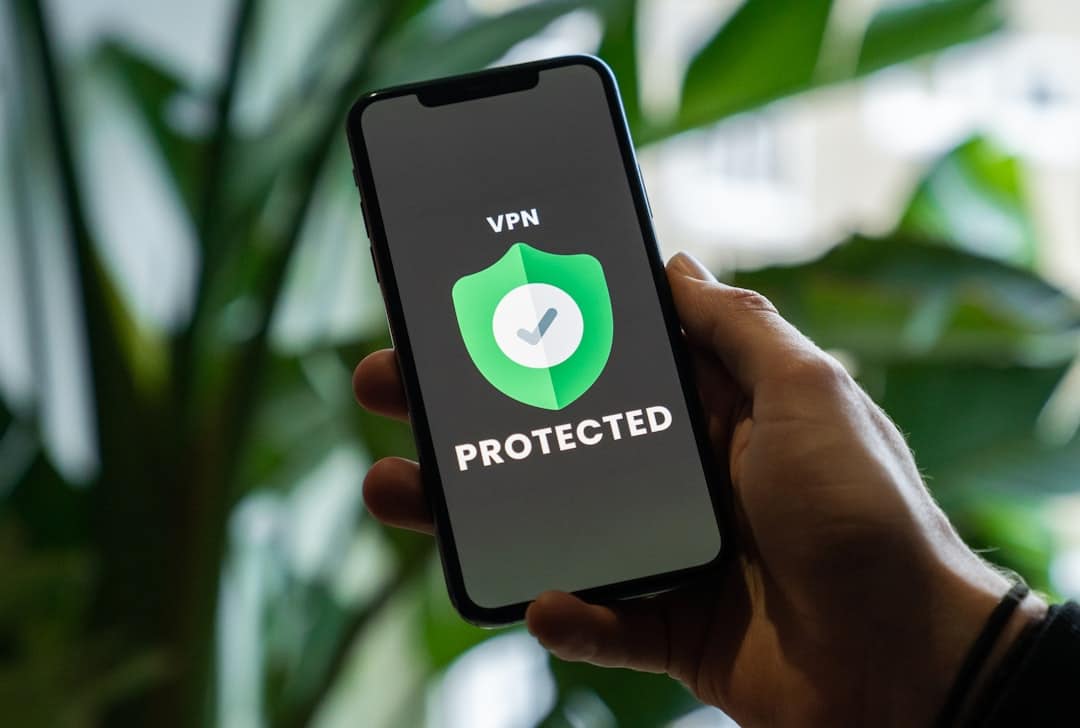
In recent years, the shift towards remote and hybrid workforces has transformed the landscape of corporate operations. As employees increasingly rely on mobile devices to perform their tasks, the need for robust mobile-first security measures has become paramount. Organizations must recognize that traditional security protocols, which often focus on desktop environments, are insufficient in addressing the vulnerabilities associated with mobile technology. A mobile-first security approach not only safeguards sensitive data but also ensures compliance with regulatory requirements, thereby protecting the organization from potential legal repercussions.
Moreover, the rise of mobile workforces has led to a more decentralized approach to data access. Employees may connect to corporate networks from various locations and devices, increasing the risk of unauthorized access and data breaches. By prioritizing mobile-first security, organizations can implement tailored strategies that address these unique challenges. This proactive stance not only enhances the overall security posture but also fosters a culture of accountability among employees, encouraging them to take an active role in safeguarding corporate information.
In the evolving landscape of remote and hybrid workforces, implementing mobile-first security strategies has become essential for safeguarding sensitive information. A related article that explores the capabilities of mobile devices in enhancing productivity and security is available at this link: New World of Possibilities with the Samsung Galaxy Chromebook 4. This article highlights how innovative technology can support secure remote work environments while maintaining efficiency and collaboration among teams.
Key Takeaways
- Mobile-first security is crucial for protecting remote and hybrid workforces.
- Mobile devices face unique security risks that require specialized strategies.
- Multi-factor authentication and Mobile Device Management (MDM) enhance mobile security.
- Employee education and regular updates are key to maintaining mobile device safety.
- Having a clear response plan is essential for handling mobile security incidents effectively.
Understanding the Unique Security Risks of Mobile Devices
Mobile devices present a distinct set of security risks that differ significantly from those associated with traditional computing environments. One of the primary concerns is the potential for loss or theft. Unlike stationary desktop computers, mobile devices are portable and often used in public spaces, making them more susceptible to being misplaced or stolen. When such incidents occur, sensitive corporate data stored on these devices can easily fall into the wrong hands, leading to data breaches and financial losses.
Additionally, mobile devices are frequently connected to unsecured networks, such as public Wi-Fi. These networks can expose devices to various cyber threats, including man-in-the-middle attacks and eavesdropping. Cybercriminals can exploit these vulnerabilities to intercept sensitive information transmitted over these networks. Furthermore, the proliferation of mobile applications introduces another layer of risk. Many apps may not adhere to stringent security standards, potentially allowing malware to infiltrate devices and compromise corporate data. Understanding these unique risks is essential for organizations aiming to develop effective mobile security strategies.
Implementing Multi-Factor Authentication for Mobile Devices

One of the most effective ways to enhance mobile security is through the implementation of multi-factor authentication (MFA). MFA adds an additional layer of protection by requiring users to provide multiple forms of verification before gaining access to corporate resources. This could include something they know, such as a password; something they have, like a smartphone app that generates a one-time code; or something they are, such as biometric data like fingerprints or facial recognition.
The adoption of MFA significantly reduces the likelihood of unauthorized access, even if a password is compromised. For remote and hybrid workforces, where employees may access sensitive information from various locations and devices, MFA serves as a critical safeguard. Organizations should ensure that MFA is not only implemented for accessing corporate networks but also for applications that handle sensitive data. By doing so, they can create a more secure environment that deters potential cyber threats.
Utilizing Mobile Device Management (MDM) Solutions
Mobile Device Management (MDM) solutions play a crucial role in securing mobile devices within an organization. MDM allows IT administrators to monitor, manage, and secure employees’ mobile devices from a centralized platform. This capability is particularly important in a remote or hybrid work environment where employees may use personal devices for work purposes—a practice known as Bring Your Own Device (BYOD). MDM solutions enable organizations to enforce security policies, such as requiring strong passwords and encrypting data on devices.
Furthermore, MDM solutions facilitate remote wiping of data in case a device is lost or stolen. This feature ensures that sensitive information does not remain accessible if a device falls into unauthorized hands.
Additionally, MDM can help organizations manage app installations and updates, ensuring that only approved applications are used and that they are kept up-to-date with the latest security patches.
By leveraging MDM solutions, organizations can maintain control over their mobile environments while providing employees with the flexibility they need to work effectively.
In the evolving landscape of remote and hybrid workforces, implementing mobile-first security strategies has become essential for organizations aiming to protect sensitive data. A related article discusses the best laptops for teachers in 2023, highlighting the importance of choosing devices that not only enhance productivity but also support robust security measures. For more insights on selecting the right technology for educational professionals, you can read the article here: best laptops for teachers in 2023. This connection underscores the significance of equipping employees with secure and efficient tools in today’s mobile-centric work environment.
Educating Employees on Mobile Security Best Practices
| Security Strategy | Description | Key Metrics | Effectiveness |
|---|---|---|---|
| Multi-Factor Authentication (MFA) | Requires multiple verification methods to access mobile devices and apps. | Reduction in unauthorized access attempts: 70% | High |
| Mobile Device Management (MDM) | Centralized control over mobile devices to enforce security policies. | Compliance rate with security policies: 85% | High |
| End-to-End Encryption | Encrypts data transmitted between mobile devices and corporate servers. | Data breach incidents reduced by: 60% | Medium-High |
| Regular Security Training | Educates remote employees on mobile security best practices. | Phishing click rates decreased by: 50% | Medium |
| Zero Trust Network Access (ZTNA) | Ensures strict identity verification for every device and user. | Unauthorized access attempts blocked: 75% | High |
| Secure VPN Usage | Encrypts internet traffic for remote mobile users. | VPN adoption rate among remote workers: 90% | Medium |
| Regular Software Updates | Ensures mobile devices run the latest security patches. | Devices updated within 30 days: 80% | High |
Employee education is a critical component of any mobile security strategy. Even the most advanced technological solutions can be undermined by human error or negligence. Organizations should invest in comprehensive training programs that inform employees about the potential risks associated with mobile device usage and the best practices for mitigating those risks. This training should cover topics such as recognizing phishing attempts, understanding the importance of strong passwords, and knowing how to securely connect to public Wi-Fi networks.
Regularly scheduled refresher courses can help reinforce these concepts and keep security top-of-mind for employees. Additionally, organizations should encourage a culture of open communication regarding security concerns. Employees should feel comfortable reporting suspicious activity or potential vulnerabilities without fear of repercussions. By fostering an environment where security is prioritized and employees are well-informed, organizations can significantly reduce their risk exposure related to mobile device usage.
Regularly Updating and Patching Mobile Operating Systems and Apps
Keeping mobile operating systems and applications up-to-date is essential for maintaining security in a rapidly evolving threat landscape. Software developers frequently release updates that address vulnerabilities and enhance functionality. Failing to apply these updates can leave devices exposed to known exploits that cybercriminals may leverage to gain unauthorized access or deploy malware.
Organizations should establish a routine for monitoring and applying updates across all mobile devices used within their workforce. This process can be streamlined through MDM solutions that automate updates and ensure compliance with organizational policies. Additionally, employees should be educated on the importance of updating their personal devices if they are used for work purposes. By prioritizing regular updates and patches, organizations can significantly reduce their vulnerability to cyber threats targeting mobile devices.
Monitoring and Managing Access to Corporate Data on Mobile Devices
Effective monitoring and management of access to corporate data on mobile devices are vital for maintaining security in a remote or hybrid work environment. Organizations should implement access controls that limit data access based on user roles and responsibilities.
This principle of least privilege ensures that employees only have access to the information necessary for their job functions, reducing the risk of data exposure.
Moreover, continuous monitoring of user activity can help identify unusual behavior that may indicate a security breach or insider threat. Organizations can utilize analytics tools to track access patterns and detect anomalies in real-time. In addition to monitoring access, organizations should establish clear protocols for reporting suspicious activity or potential breaches. By combining proactive access management with vigilant monitoring practices, organizations can better protect their sensitive data from unauthorized access.
Developing a Response Plan for Mobile Security Incidents
Despite best efforts in prevention, security incidents may still occur. Therefore, it is essential for organizations to develop a comprehensive response plan specifically tailored for mobile security incidents. This plan should outline clear procedures for identifying, containing, and mitigating incidents involving mobile devices. Key components of the response plan should include roles and responsibilities for team members, communication protocols for notifying affected parties, and steps for conducting post-incident analysis.
Regular drills and simulations can help ensure that employees are familiar with the response plan and can act swiftly in the event of an incident. Additionally, organizations should review and update their response plans periodically to account for new threats and changes in technology. By having a well-defined response plan in place, organizations can minimize the impact of mobile security incidents and recover more effectively from any breaches that may occur.
In conclusion, as remote and hybrid workforces continue to grow, prioritizing mobile-first security becomes increasingly important. By understanding the unique risks associated with mobile devices and implementing comprehensive strategies—including multi-factor authentication, MDM solutions, employee education, regular updates, access management, and incident response planning—organizations can create a secure environment that protects sensitive data while enabling employees to work efficiently from anywhere.
FAQs
What is mobile-first security?
Mobile-first security is an approach to cybersecurity that prioritizes the protection of mobile devices and applications as the primary access points to corporate networks and data. It involves designing security strategies that address the unique risks associated with mobile usage, especially in remote and hybrid work environments.
Why is mobile-first security important for remote and hybrid workforces?
Remote and hybrid workforces rely heavily on mobile devices to access company resources from various locations. This increases the attack surface and potential vulnerabilities. Mobile-first security ensures that these devices are secured against threats such as data breaches, malware, and unauthorized access, thereby protecting sensitive information and maintaining business continuity.
What are common security challenges faced by mobile users in remote work settings?
Common challenges include unsecured Wi-Fi networks, device loss or theft, outdated software, lack of encryption, phishing attacks, and insufficient endpoint protection. These risks can lead to data leaks, unauthorized access, and compromised corporate systems.
What strategies are effective for implementing mobile-first security?
Effective strategies include enforcing strong authentication methods (like multi-factor authentication), using mobile device management (MDM) solutions, ensuring data encryption both at rest and in transit, regularly updating software and security patches, educating employees on security best practices, and monitoring device compliance continuously.
How does mobile device management (MDM) support mobile-first security?
MDM solutions allow organizations to remotely manage, monitor, and secure mobile devices used by employees. They enable enforcement of security policies, remote wiping of lost or stolen devices, application control, and real-time threat detection, which are critical for maintaining security in a mobile-first environment.
What role does employee training play in mobile-first security?
Employee training is essential to raise awareness about mobile security risks and best practices. Educated employees are less likely to fall victim to phishing attacks, use insecure networks, or mishandle sensitive data, thereby strengthening the overall security posture of the organization.
Are there specific technologies recommended for mobile-first security?
Yes, technologies such as virtual private networks (VPNs), endpoint detection and response (EDR), secure access service edge (SASE), zero trust network access (ZTNA), and mobile threat defense (MTD) tools are commonly recommended to enhance mobile-first security.
How can organizations balance security and user experience in mobile-first strategies?
Organizations can balance security and usability by implementing seamless authentication methods, minimizing intrusive security prompts, providing user-friendly security tools, and ensuring that security measures do not hinder productivity while still maintaining robust protection.
What compliance considerations are relevant to mobile-first security?
Organizations must ensure that their mobile security strategies comply with relevant regulations such as GDPR, HIPAA, CCPA, and industry-specific standards. This includes protecting personal data, maintaining audit trails, and implementing appropriate access controls.
How often should mobile security policies be reviewed and updated?
Mobile security policies should be reviewed and updated regularly, at least annually or whenever there are significant changes in technology, threat landscape, or organizational structure, to ensure they remain effective and aligned with current risks and business needs.