

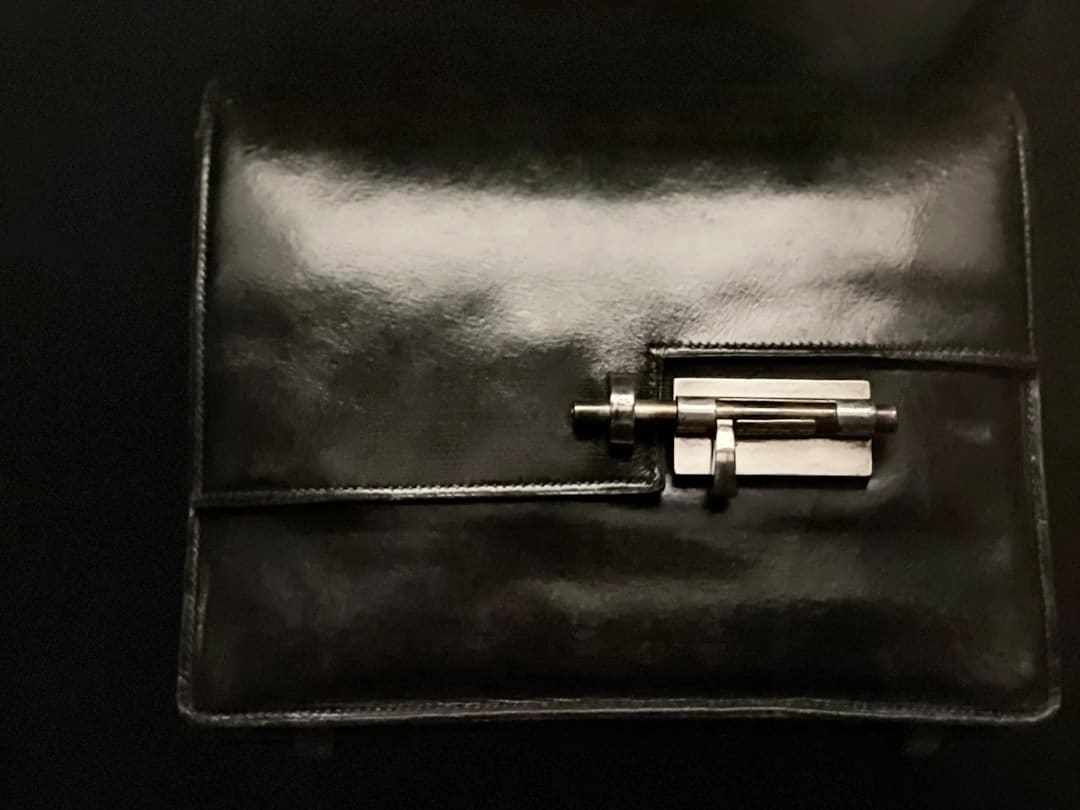
In recent years, the fashion and consumer goods industries have witnessed a significant shift towards sustainability, with lab-grown leather emerging as a prominent alternative to traditional animal leather. This innovative material is produced through biotechnology, offering a solution to the ethical and environmental concerns associated with conventional leather production. As consumers become increasingly aware of the impact of their purchasing decisions, lab-grown leather has gained traction as a viable option that aligns with a more sustainable lifestyle.
The rise of lab-grown leather can be attributed to several factors, including the growing demand for cruelty-free products and the need to reduce the carbon footprint associated with livestock farming. Traditional leather production is resource-intensive, requiring vast amounts of water and land while contributing to greenhouse gas emissions. In contrast, lab-grown leather is created using cellular agriculture techniques that minimize resource use and environmental degradation. This shift not only addresses ethical concerns but also appeals to a market that values sustainability and innovation.
As the demand for sustainable materials continues to rise, lab-grown leather is emerging as a popular alternative for consumer tech accessories, combining innovation with eco-friendliness. This shift towards sustainable materials is not only transforming the fashion industry but also influencing the tech sector, where companies are increasingly looking for ways to reduce their environmental impact. For those interested in exploring how technology intersects with sustainability, a related article on social media management can provide insights into how brands are promoting their eco-friendly initiatives. You can read more about it here: The Best Software for Social Media Management in 2023.
Key Takeaways
- Lab-grown leather offers a sustainable and ethical alternative to traditional animal leather.
- The production involves cultivating animal cells in a lab to create leather without harming animals.
- Benefits include reduced environmental impact and addressing animal welfare concerns.
- Lab-grown leather is increasingly used in consumer tech accessories for both style and functionality.
- Innovations in lab-grown materials extend beyond leather, with ongoing advancements shaping the future of sustainable tech products.
How Lab-Grown Leather is Made: The Science Behind the Process
The production of lab-grown leather involves advanced scientific techniques that replicate the natural processes of skin formation. At its core, the process begins with the extraction of cells from animal skin, which are then cultured in a controlled environment. These cells are provided with the necessary nutrients and conditions to grow and multiply, forming a tissue that mimics the properties of traditional leather. This method allows for the creation of a material that retains the aesthetic and functional qualities of animal leather without the ethical implications.
One of the key advantages of lab-grown leather production is its ability to be tailored to specific needs. By manipulating the growth conditions and cellular composition, manufacturers can create various textures, thicknesses, and finishes. This level of customization is not typically possible with traditional leather, which is subject to the limitations of animal hides. As a result, lab-grown leather offers designers and consumers a broader range of options while maintaining a commitment to sustainability.
The Benefits of Lab-Grown Leather: Environmental and Ethical Considerations
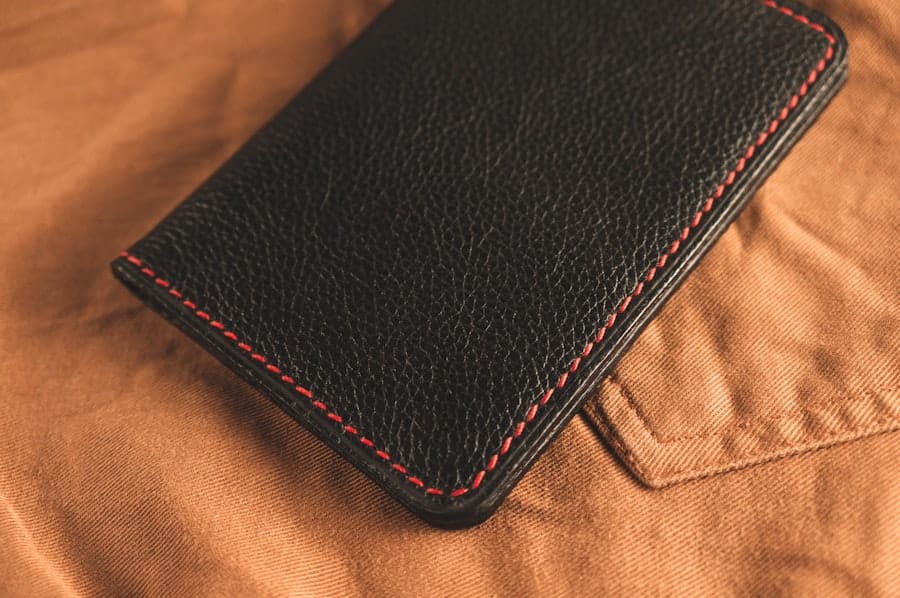
Lab-grown leather presents numerous benefits that extend beyond its production process. From an environmental perspective, it significantly reduces the ecological footprint associated with traditional leather manufacturing. The cultivation of lab-grown leather requires less water and land, and it generates fewer greenhouse gas emissions. Additionally, because it eliminates the need for livestock farming, it helps mitigate issues related to deforestation and biodiversity loss.
Ethically, lab-grown leather addresses concerns surrounding animal welfare. The traditional leather industry often involves inhumane practices related to animal husbandry and slaughter. By utilizing cellular agriculture, lab-grown leather provides a cruelty-free alternative that does not compromise on quality or style. This ethical consideration resonates with consumers who prioritize humane treatment of animals in their purchasing decisions, further driving the demand for sustainable materials in fashion and consumer goods.
Lab-Grown Leather in Consumer Tech Accessories: A Fashionable and Functional Choice
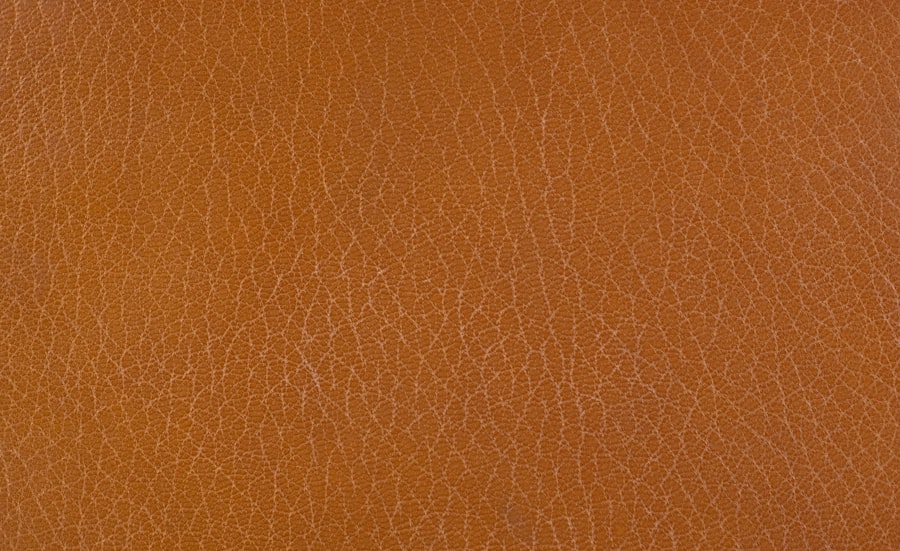
The application of lab-grown leather extends beyond fashion into the realm of consumer tech accessories. As technology becomes increasingly integrated into daily life, there is a growing demand for stylish yet functional products that reflect personal values. Lab-grown leather offers an appealing option for tech accessories such as phone cases, laptop sleeves, and bags, combining durability with aesthetic appeal.
Incorporating lab-grown leather into consumer tech accessories not only enhances their visual appeal but also aligns with a broader trend towards sustainability in technology. Many consumers are now seeking products that reflect their commitment to environmental responsibility. By choosing lab-grown leather accessories, individuals can express their style while supporting sustainable practices in the tech industry. This intersection of fashion and functionality positions lab-grown leather as a compelling choice for modern consumers.
As the demand for sustainable materials continues to rise, lab-grown leather is emerging as a promising alternative for consumer tech accessories. This innovative material not only reduces the environmental impact associated with traditional leather production but also offers a unique aesthetic that appeals to eco-conscious consumers. For those interested in exploring the broader implications of sustainable materials in various industries, a related article discusses the evolution of eco-friendly practices in technology and fashion. You can read more about it here.
Other Lab-Grown Materials for Consumer Tech Accessories: Beyond Leather
| Metric | Lab-Grown Leather | Traditional Leather | Other Lab-Grown Materials | Application in Consumer Tech Accessories |
|---|---|---|---|---|
| Production Time | 2-4 weeks | 6-12 months (animal growth) | 1-3 weeks | Faster prototyping and manufacturing cycles |
| Environmental Impact (CO2 Emissions) | 80% less than traditional leather | High (due to livestock farming) | Varies, generally 50-70% less than traditional materials | Reduced carbon footprint for accessories |
| Water Usage | 90% less than traditional leather | High (thousands of liters per kg) | Low to moderate | Supports sustainable manufacturing |
| Durability | Comparable to traditional leather | High | Varies by material, often high | Long-lasting consumer tech cases and straps |
| Cost per Square Meter | Higher initially, decreasing with scale | Moderate to high | Varies widely | Cost-effective with mass production |
| Customization | High (texture, color, thickness) | Limited | High | Enables unique designs and finishes |
| Biodegradability | Yes, biodegradable | Yes, biodegradable | Depends on material composition | Eco-friendly disposal options |
| Common Uses in Consumer Tech | Phone cases, watch straps, laptop sleeves | Phone cases, watch straps, laptop sleeves | Phone cases, device skins, protective covers | Wide range of accessories with sustainable materials |
While lab-grown leather has garnered significant attention, it is not the only innovative material emerging from biotechnological advancements. Other lab-grown materials are being developed for use in consumer tech accessories, expanding the possibilities for sustainable design. For instance, lab-grown textiles made from plant-based fibers or synthetic alternatives are gaining traction as eco-friendly options for clothing and accessories.
Additionally, materials such as lab-grown rubber and plastics are being explored for their potential applications in tech accessories. These alternatives can provide similar performance characteristics to traditional materials while reducing environmental impact. As research continues to advance in this field, consumers can expect a wider array of sustainable options that challenge conventional manufacturing practices across various industries.
As the demand for sustainable materials continues to rise, lab-grown leather is becoming an increasingly popular choice for consumer tech accessories. This innovative material not only reduces the environmental impact associated with traditional leather production but also offers a unique aesthetic and durability. For those interested in exploring how such advancements are influencing the tech industry, you might find insights in a related article about the features of the Samsung Galaxy Chromebook 2, which highlights the importance of eco-friendly materials in modern design. You can read more about it here.
The Future of Lab-Grown Materials: Innovations and Advancements
The future of lab-grown materials appears promising as technological advancements continue to drive innovation in this sector. Researchers are exploring new methods for enhancing the properties of lab-grown materials, making them even more versatile and appealing to consumers. For example, advancements in bioengineering may lead to the development of materials with improved durability, flexibility, or even self-healing properties.
Moreover, as consumer awareness regarding sustainability grows, companies are likely to invest more in research and development of lab-grown materials. This investment could lead to breakthroughs that make these materials more accessible and affordable for a wider audience. As production techniques become more refined and efficient, lab-grown materials may become mainstream alternatives across various sectors, including fashion, automotive, and consumer electronics.
Challenges and Limitations of Lab-Grown Materials: What to Consider
Despite the many advantages associated with lab-grown materials, there are challenges and limitations that must be addressed. One significant hurdle is the perception among some consumers that lab-grown products may lack authenticity or quality compared to their traditional counterparts. Overcoming this skepticism will require effective marketing strategies that emphasize the benefits and innovations behind lab-grown materials.
Additionally, the scalability of production remains a concern. While laboratory techniques can produce small quantities of lab-grown leather or other materials efficiently, scaling up production to meet global demand poses logistical challenges. Companies must navigate issues related to cost-effectiveness and resource allocation to ensure that lab-grown materials can compete with established alternatives in terms of price and availability.
Embracing Sustainable Choices: The Growing Demand for Lab-Grown Materials in Consumer Tech Accessories
As awareness of environmental issues continues to rise, consumers are increasingly seeking sustainable choices in their purchasing decisions. The growing demand for lab-grown materials reflects a broader cultural shift towards responsible consumption and ethical practices. In the realm of consumer tech accessories, this trend is evident as more brands incorporate lab-grown leather and other sustainable materials into their product lines.
This shift towards sustainability is not just a passing trend; it represents a fundamental change in consumer values.
As individuals become more conscious of their impact on the planet, they are more likely to support brands that prioritize ethical sourcing and environmentally friendly practices.
Consequently, companies that embrace lab-grown materials stand to benefit from this evolving landscape by appealing to a market that values innovation alongside sustainability.
In conclusion, lab-grown leather represents a significant advancement in sustainable materials within the fashion and consumer tech industries. Its production process offers an ethical alternative to traditional leather while addressing environmental concerns associated with livestock farming. As technology continues to evolve, so too will the possibilities for lab-grown materials, paving the way for a future where sustainability is at the forefront of design and manufacturing practices across various sectors.
FAQs
What is lab-grown leather?
Lab-grown leather is a type of material created by cultivating animal cells in a controlled environment, rather than sourcing leather from animal hides. This process allows for the production of leather-like materials without the need for traditional livestock farming.
How is lab-grown leather made?
Lab-grown leather is produced by extracting animal cells, such as skin cells, and growing them on a scaffold or matrix in a bioreactor. Over time, these cells multiply and form a material that mimics the texture and properties of natural leather.
What are the benefits of using lab-grown leather for consumer tech accessories?
Lab-grown leather offers several benefits, including reduced environmental impact, as it requires less water, land, and chemicals compared to traditional leather production. It also avoids animal slaughter, making it a more ethical choice. Additionally, it can be engineered for specific qualities like durability and texture, ideal for tech accessories.
Are lab-grown leather products durable and high-quality?
Yes, lab-grown leather can be engineered to meet high standards of durability and quality. Advances in biotechnology allow manufacturers to tailor the material’s thickness, flexibility, and finish, making it suitable for consumer tech accessories such as phone cases, watch bands, and laptop sleeves.
Is lab-grown leather widely available in the market?
Lab-grown leather is an emerging technology and is currently available from select brands and startups. While it is not yet as widespread as traditional leather, increasing consumer demand for sustainable and ethical materials is driving growth and broader availability in the consumer tech accessory market.