


Insider threats refer to security risks that originate from within an organization, typically involving employees, contractors, or business partners who have inside information concerning the organization’s security practices, data, and computer systems. These threats can manifest in various forms, including data theft, sabotage, or unintentional breaches due to negligence. Unlike external threats, which are often easier to identify and mitigate, insider threats can be particularly challenging because they involve individuals who have legitimate access to sensitive information and systems.
This familiarity can lead to a false sense of security, making it difficult for organizations to recognize and address potential risks.
The motivations behind insider threats can vary widely. Some individuals may act out of malice or revenge, while others may be driven by financial gain or the desire to sell sensitive information to competitors. Additionally, there are cases where employees inadvertently contribute to security breaches due to a lack of awareness or understanding of security protocols. This complexity necessitates a comprehensive approach to understanding insider threats, as organizations must consider both intentional and unintentional actions that could compromise their security posture. By recognizing the various dimensions of insider threats, organizations can better prepare themselves to mitigate these risks effectively.
In the realm of cybersecurity, understanding the delicate balance between security measures and employee privacy is crucial, especially when addressing insider threats. A related article that delves into the importance of data management and analysis in enhancing security protocols can be found at Best Software for Working with Piles of Numbers. This resource highlights how effective data handling can aid organizations in identifying potential risks while maintaining respect for employee privacy.
Key Takeaways
- Insider threats require a clear understanding of potential risks from within an organization.
- Balancing security measures with respect for employee privacy is crucial.
- Effective detection involves implementing robust monitoring and reporting systems.
- Legal and ethical guidelines must guide insider threat management practices.
- Ongoing employee education and collaboration between security and HR enhance threat prevention.
Balancing Security and Employee Privacy
In addressing insider threats, organizations face the challenge of balancing security measures with the need to respect employee privacy. Implementing stringent monitoring and surveillance practices can enhance security but may also lead to employee dissatisfaction and a decline in morale. Employees may feel that their privacy is being invaded, which can create an atmosphere of distrust and hinder productivity. Therefore, organizations must carefully consider how they implement security measures while maintaining a respectful workplace environment.
To achieve this balance, organizations should establish clear policies that outline the extent and nature of monitoring activities. Transparency is key; employees should be informed about what data is being collected, how it will be used, and the rationale behind these measures. By fostering an open dialogue about security practices, organizations can help employees understand the necessity of certain measures while also addressing their concerns about privacy. This approach not only helps in building trust but also encourages employees to take an active role in safeguarding the organization’s assets.
Implementing Insider Threat Detection Measures

Effective detection of insider threats requires a multi-faceted approach that combines technology, processes, and human oversight. Organizations can utilize various tools and technologies designed to monitor user behavior and identify anomalies that may indicate malicious intent or negligence. For instance, user activity monitoring software can track access patterns to sensitive data and alert security teams when unusual behavior is detected. Additionally, data loss prevention (DLP) solutions can help prevent unauthorized data transfers, thereby reducing the risk of data breaches.
However, technology alone is not sufficient for comprehensive insider threat detection. Organizations must also develop robust processes that include regular audits and assessments of user access rights. By ensuring that employees have access only to the information necessary for their roles, organizations can minimize the potential for insider threats. Furthermore, fostering a culture of vigilance among employees is crucial; they should be encouraged to report suspicious behavior without fear of reprisal. This combination of technology and process-oriented strategies creates a more resilient defense against insider threats.
Legal and Ethical Considerations
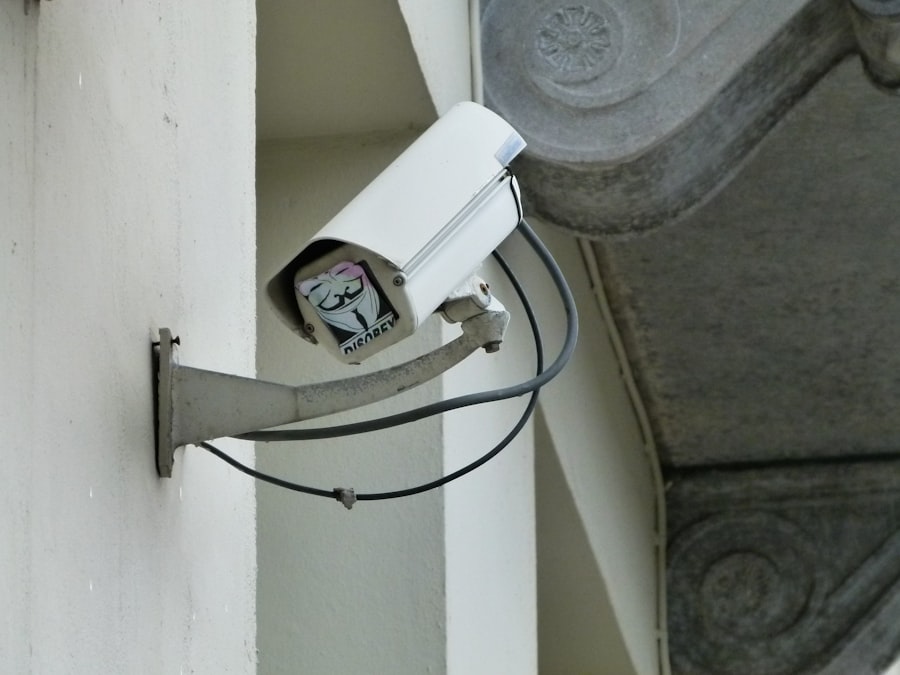
When implementing measures to detect and mitigate insider threats, organizations must navigate a complex landscape of legal and ethical considerations. Privacy laws vary by jurisdiction, and organizations must ensure that their monitoring practices comply with relevant regulations. For example, in some regions, employees may have a legal right to privacy in their communications and activities, which could limit the extent to which organizations can monitor their behavior. Failure to adhere to these laws can result in legal repercussions and damage to the organization’s reputation.
Ethically, organizations must consider the implications of their monitoring practices on employee trust and morale. While it is essential to protect sensitive information and maintain security, overly intrusive measures can lead to a toxic work environment. Organizations should strive for a balance that respects employee rights while still addressing security concerns. Engaging legal counsel during the development of monitoring policies can help ensure compliance with applicable laws while also considering ethical implications.
In the ongoing discussion about insider threat detection, it is crucial to consider the delicate balance between ensuring security and respecting employee privacy. A related article explores various tools that can aid in monitoring workplace communications without infringing on personal rights. For instance, you can learn more about effective solutions in this resource, which highlights software options that can help organizations maintain a secure environment while being mindful of their employees’ privacy concerns.
Employee Education and Awareness
| Metric | Description | Typical Range/Value | Privacy Consideration |
|---|---|---|---|
| Number of Insider Threat Incidents Detected | Count of confirmed insider threat events within a given period | 5-20 per year (varies by organization size) | Ensure detection methods do not infringe on personal communications |
| False Positive Rate | Percentage of alerts incorrectly flagged as insider threats | 10-30% | High false positives can lead to unnecessary employee scrutiny |
| Employee Monitoring Coverage | Percentage of employees under active monitoring for insider threats | 30-70% | Balance between security needs and respecting employee privacy |
| Average Time to Detect Threat | Time elapsed from threat occurrence to detection | Hours to days | Faster detection improves security but may require intrusive monitoring |
| Data Access Logs Reviewed | Number of access logs analyzed for suspicious activity | Thousands to millions per month | Logs should be anonymized or aggregated to protect privacy |
| Employee Consent Rate | Percentage of employees informed and consenting to monitoring | 70-100% | Transparency improves trust and compliance with privacy laws |
| Use of Anonymization Techniques | Extent to which data is anonymized before analysis | Partial to full anonymization | Reduces privacy risks while maintaining detection capabilities |
One of the most effective strategies for mitigating insider threats is through employee education and awareness programs.
Organizations should invest in training initiatives that inform employees about the risks associated with insider threats and the importance of adhering to security protocols.
By providing employees with knowledge about potential threats and how to recognize them, organizations empower their workforce to act as a first line of defense against security breaches.
Regular training sessions should cover topics such as recognizing phishing attempts, understanding data handling procedures, and reporting suspicious activities. Additionally, organizations can create awareness campaigns that reinforce the importance of cybersecurity in everyday operations. By fostering a culture of security awareness, organizations not only reduce the likelihood of insider threats but also promote a sense of shared responsibility among employees for protecting organizational assets.
Monitoring and Reporting Processes
Establishing effective monitoring and reporting processes is critical for identifying and responding to insider threats promptly. Organizations should implement systems that allow for continuous monitoring of user activities while ensuring that these systems are aligned with privacy policies. Automated alerts can be set up to notify security teams when specific thresholds are crossed or when unusual patterns are detected in user behavior.
In addition to monitoring systems, organizations should create clear reporting channels for employees to report suspicious activities or concerns regarding potential insider threats. These channels should be easily accessible and ensure confidentiality for those who come forward with information. Encouraging a culture where employees feel comfortable reporting concerns without fear of retaliation is essential for fostering vigilance within the organization. A well-defined reporting process not only aids in early detection but also reinforces the organization’s commitment to maintaining a secure environment.
Collaboration Between Security and HR Departments
Collaboration between security teams and human resources (HR) departments is vital for effectively managing insider threats. Security professionals bring technical expertise in identifying vulnerabilities and implementing protective measures, while HR departments possess insights into employee behavior and organizational culture. By working together, these departments can develop comprehensive strategies that address both security concerns and employee well-being.
HR can play a crucial role in the onboarding process by ensuring that new employees understand the organization’s security policies and their responsibilities regarding data protection. Additionally, HR can assist in identifying potential red flags during employee evaluations or exit interviews that may indicate a risk for insider threats. Regular communication between security and HR teams fosters a holistic approach to managing insider threats, ensuring that both technical measures and human factors are considered in developing effective strategies.
Continuous Improvement and Adaptation
The landscape of insider threats is constantly evolving, necessitating a commitment to continuous improvement and adaptation within organizations. Regular assessments of existing security measures are essential to identify gaps or weaknesses that may have emerged over time. Organizations should conduct periodic reviews of their insider threat programs, incorporating feedback from employees and stakeholders to refine their strategies.
Moreover, staying informed about emerging trends in cybersecurity is crucial for adapting to new threats as they arise. This may involve investing in new technologies or revising policies based on lessons learned from past incidents or industry best practices. By fostering a culture of continuous improvement, organizations can enhance their resilience against insider threats while ensuring that their security measures remain effective in an ever-changing environment.
FAQs
What is insider threat detection?
Insider threat detection refers to the process of identifying and mitigating risks posed by individuals within an organization who may intentionally or unintentionally cause harm to the company’s data, systems, or operations.
Why is balancing security and employee privacy important in insider threat detection?
Balancing security and employee privacy is crucial because while organizations need to protect sensitive information and assets, they must also respect employees’ rights to privacy and avoid creating a culture of mistrust or violating legal regulations.
What methods are commonly used for insider threat detection?
Common methods include monitoring user behavior analytics, access controls, anomaly detection systems, data loss prevention tools, and conducting regular security training and awareness programs.
How can organizations ensure employee privacy while monitoring for insider threats?
Organizations can ensure privacy by implementing transparent policies, limiting data collection to necessary information, anonymizing data when possible, obtaining employee consent, and complying with relevant privacy laws and regulations.
What are the challenges in implementing insider threat detection programs?
Challenges include balancing effective monitoring with privacy concerns, avoiding false positives, managing large volumes of data, ensuring employee trust, and keeping up with evolving insider threat tactics and technologies.