


Wearable technology has undergone significant development over the past decade, evolving from specialized devices to mainstream health monitoring tools.
Through embedded sensors and accompanying software, these devices measure physical activity levels, heart rate, sleep duration and quality, and stress indicators through real-time data collection.
This technological advancement has created new opportunities for individuals to actively monitor and manage their health status, including mental health parameters. The expansion of wearable technology reflects a broader movement toward preventive healthcare approaches and individual health management. As mental health awareness increases, there is growing interest in technological solutions that can assist in monitoring emotional and psychological well-being.
Wearable devices are being studied and utilized for their capacity to detect mental health indicators, analyze emotional patterns, and support behavioral modifications that promote psychological wellness. This analysis examines the applications of wearable technology in mental health support, including its functions in monitoring psychological conditions, promoting physical activity, managing stress responses, optimizing sleep patterns, facilitating mindfulness practices, enabling access to support systems, and the limitations and considerations associated with these technologies.
Key Takeaways
- Wearable technology offers innovative ways to monitor and support mental health through real-time data tracking.
- These devices encourage physical activity, which is beneficial for both mental and physical well-being.
- Wearables provide tools for stress and anxiety relief, including guided breathing and relaxation exercises.
- They help improve sleep quality by tracking sleep patterns and promoting better sleep habits.
- Despite benefits, wearable tech faces challenges such as data privacy concerns and the need for personalized mental health support.
Monitoring and Tracking Mental Health
One of the most significant advantages of wearable technology is its ability to monitor and track mental health indicators. Many devices are equipped with advanced sensors that can detect physiological changes associated with emotional states. For instance, heart rate variability (HRV) is a key metric that can indicate stress levels and emotional resilience.
By continuously measuring HRV, wearables can provide users with real-time feedback about their mental state, allowing them to recognize patterns and triggers that may affect their mood. Moreover, some wearables incorporate algorithms that analyze data collected over time to identify trends in mental health. For example, a smartwatch might track a user’s physical activity levels alongside their sleep patterns and heart rate.
By correlating these metrics with self-reported mood states, users can gain insights into how their lifestyle choices impact their mental well-being. This data-driven approach empowers individuals to make informed decisions about their daily habits and seek professional help when necessary. The ability to visualize mental health trends through user-friendly apps further enhances engagement and encourages proactive management of one’s mental health.
Encouraging Physical Activity and Exercise

Physical activity is a cornerstone of mental health, and wearable technology plays a pivotal role in promoting exercise among users. Many wearables come equipped with features that encourage users to move more throughout the day. For instance, fitness trackers often include step counters, reminders to stand up after prolonged periods of inactivity, and goal-setting functionalities that motivate users to achieve daily activity targets.
These features not only promote physical fitness but also contribute to improved mental health outcomes. Research has consistently shown that regular physical activity can alleviate symptoms of anxiety and depression. Wearable devices facilitate this by making exercise more accessible and enjoyable.
Users can track their workouts, monitor progress over time, and even participate in virtual challenges with friends or family members. This social aspect of fitness tracking can enhance motivation and accountability, creating a supportive environment for individuals striving to improve their physical and mental health. Furthermore, many wearables offer guided workouts or integrate with fitness apps that provide personalized training plans tailored to individual needs and preferences.
Providing Stress and Anxiety Relief
Wearable technology has also emerged as a valuable tool for managing stress and anxiety. Many devices feature built-in stress management tools that utilize biofeedback mechanisms to help users regulate their emotional responses. For example, some smartwatches offer guided breathing exercises that prompt users to engage in deep breathing techniques when elevated stress levels are detected.
By focusing on breath control, individuals can activate their parasympathetic nervous system, promoting relaxation and reducing feelings of anxiety.
When these metrics indicate heightened stress levels, the device can send alerts or notifications to encourage users to take a moment for self-care.
This real-time feedback allows individuals to develop greater awareness of their stress triggers and implement coping strategies more effectively. The integration of mindfulness practices into wearable technology further enhances its potential for stress relief, providing users with tools to cultivate a sense of calm amidst the chaos of daily life.
Improving Sleep Quality
| Wearable Tech Feature | Mental Health Benefit | Example Metrics Tracked | Impact on Well-Being |
|---|---|---|---|
| Heart Rate Monitoring | Stress and Anxiety Detection | Resting heart rate, heart rate variability (HRV) | Helps users recognize stress triggers and manage anxiety through biofeedback |
| Sleep Tracking | Improved Sleep Quality | Total sleep time, sleep stages (REM, deep, light), sleep interruptions | Supports better sleep hygiene and identifies sleep disorders affecting mental health |
| Activity Tracking | Enhanced Mood and Energy Levels | Steps taken, active minutes, calories burned | Encourages physical activity which is linked to reduced depression and improved mood |
| Mindfulness and Meditation Apps | Reduced Stress and Improved Focus | Session duration, frequency, guided meditation completion | Promotes relaxation and cognitive clarity, reducing symptoms of anxiety and depression |
| Skin Temperature Sensors | Early Detection of Mood Changes | Skin temperature fluctuations correlated with emotional states | Alerts users to potential mood shifts, enabling proactive mental health management |
| Electrodermal Activity (EDA) Sensors | Stress Level Monitoring | Galvanic skin response indicating sweat gland activity | Provides real-time stress feedback to help users practice coping strategies |
Sleep is a critical component of mental health, yet many individuals struggle with sleep-related issues that can exacerbate anxiety and depression. Wearable technology has made significant strides in sleep tracking capabilities, offering insights into sleep patterns and quality. Devices equipped with sleep monitoring features can analyze various aspects of sleep, including duration, restfulness, and sleep stages (light, deep, REM).
This data empowers users to understand their sleep habits better and make necessary adjustments to improve overall sleep quality. For instance, some wearables provide personalized recommendations based on sleep data analysis. If a user consistently experiences restless nights or insufficient sleep duration, the device may suggest changes in bedtime routines or lifestyle habits that could enhance sleep quality.
Additionally, many wearables offer features such as sleep environment monitoring, which assesses factors like room temperature and noise levels that may impact sleep. By addressing these variables, individuals can create an optimal sleep environment conducive to restorative rest.
Promoting Mindfulness and Meditation
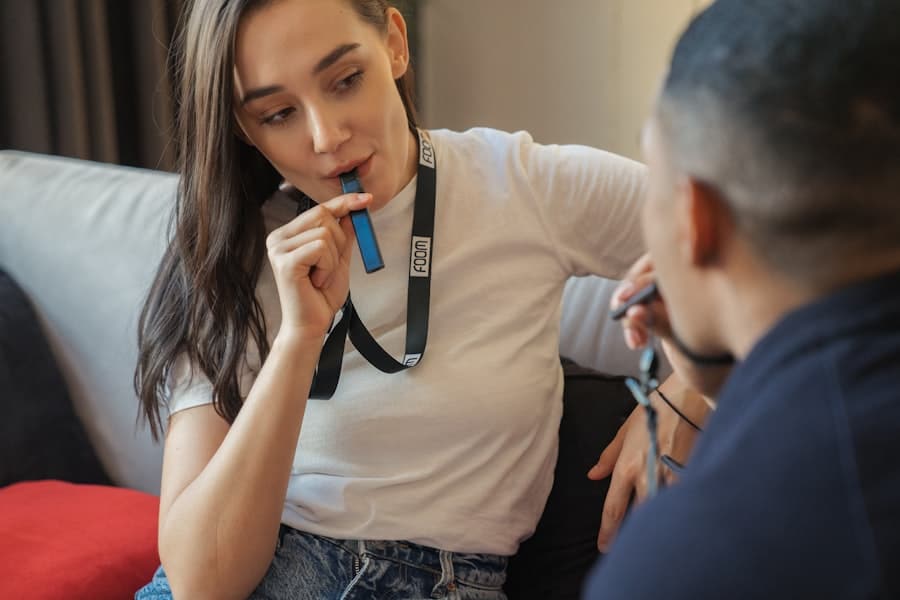
The practice of mindfulness has gained considerable attention for its positive effects on mental health, and wearable technology is increasingly incorporating features that promote mindfulness and meditation practices. Many devices offer guided meditation sessions or mindfulness exercises that users can engage in throughout the day. These practices encourage individuals to cultivate present-moment awareness and develop coping strategies for managing stress and anxiety.
Wearables often include reminders for mindfulness breaks during busy days, prompting users to take a few moments for themselves amidst their hectic schedules. This integration of mindfulness into daily routines fosters a sense of balance and emotional regulation. Furthermore, some devices utilize gamification elements to make mindfulness practices more engaging; users can earn rewards or achievements for completing meditation sessions or reaching mindfulness goals.
This approach not only enhances user engagement but also reinforces the importance of prioritizing mental well-being.
Connecting Users with Support Networks
Another significant benefit of wearable technology is its potential to connect users with support networks that can enhance their mental health journey. Many wearables are designed to integrate with mobile applications that facilitate communication with friends, family members, or mental health professionals. This connectivity allows users to share their progress, seek encouragement from loved ones, or access professional support when needed.
For instance, some fitness trackers enable users to join online communities where they can share experiences related to mental health challenges or fitness journeys. These communities foster a sense of belonging and reduce feelings of isolation that often accompany mental health struggles. Additionally, certain wearables offer features that allow users to connect directly with licensed therapists or counselors through telehealth services integrated into the device’s app ecosystem.
This accessibility ensures that individuals have the resources they need at their fingertips, promoting timely intervention and support.
Potential Challenges and Limitations of Wearable Tech for Mental Health
Despite the numerous benefits associated with wearable technology in supporting mental health, there are also challenges and limitations that must be acknowledged. One significant concern is data privacy and security; as wearables collect sensitive personal information related to an individual’s mental health status, there is a risk of data breaches or misuse if proper safeguards are not in place. Users must be educated about how their data is stored and used by manufacturers to ensure informed consent.
Moreover, while wearable technology can provide valuable insights into mental health indicators, it is not a substitute for professional diagnosis or treatment. Individuals may misinterpret data or become overly reliant on these devices for managing their mental health without seeking appropriate medical advice when necessary. Additionally, the effectiveness of wearables can vary significantly among individuals; what works for one person may not yield the same results for another due to differences in personal circumstances or preferences.
In conclusion, while wearable technology offers promising tools for enhancing mental health management through monitoring capabilities, encouragement for physical activity, stress relief techniques, improved sleep quality, mindfulness promotion, and connection with support networks, it is essential to approach these devices with a critical understanding of their limitations and potential risks. As technology continues to advance, ongoing research will be crucial in maximizing the benefits while addressing the challenges associated with wearable tech in the realm of mental health.
Wearable technology has emerged as a powerful tool in supporting mental health and well-being, offering features that help users track their mood, manage stress, and promote mindfulness. For those interested in exploring how technology can enhance various aspects of life, you might find the article on BOPIS (Buy Online, Pick Up In Store) particularly insightful, as it discusses the integration of technology in retail and how it can improve customer experiences, paralleling the way wearable tech enhances personal well-being.
FAQs
What types of wearable technology are commonly used to support mental health?
Wearable technologies that support mental health include smartwatches, fitness trackers, and specialized devices that monitor physiological signals such as heart rate variability, sleep patterns, and stress levels. Some wearables also offer guided meditation, mood tracking, and biofeedback features.
How do wearables help in managing stress and anxiety?
Wearables can monitor physiological indicators like heart rate and skin conductance to detect signs of stress or anxiety. They often provide real-time feedback, breathing exercises, or mindfulness prompts to help users regulate their emotional state and reduce stress.
Can wearable technology track sleep quality and its impact on mental health?
Yes, many wearables track sleep duration, stages, and disturbances. Since sleep quality significantly affects mental health, these devices help users identify sleep issues and encourage better sleep habits, which can improve overall well-being.
Are wearable devices effective in supporting mental health treatment?
Wearables can complement traditional mental health treatments by providing continuous monitoring and personalized insights. However, they are not a substitute for professional diagnosis or therapy but can enhance self-awareness and support treatment plans.
Is the data collected by wearable devices secure and private?
Data security and privacy depend on the device manufacturer and the app’s policies. Reputable companies implement encryption and comply with data protection regulations, but users should review privacy policies and manage permissions carefully.
Can wearable technology detect early signs of mental health issues?
Some wearables can identify patterns such as changes in sleep, activity levels, or physiological stress markers that may indicate emerging mental health concerns. Early detection can prompt users to seek professional help sooner.
Do wearable devices require professional interpretation of the data?
While wearables provide accessible data and insights, interpreting complex mental health information often requires professional expertise. Users should consult healthcare providers for accurate diagnosis and treatment recommendations.
How accessible is wearable technology for mental health support?
Wearable devices vary in cost and complexity, making some more accessible than others. Increasingly, affordable and user-friendly options are available, broadening access to mental health support through technology.
Can wearable technology improve motivation for mental health self-care?
Yes, wearables often include goal-setting, reminders, and progress tracking features that can motivate users to engage in healthy behaviors such as regular exercise, mindfulness, and adequate sleep, all of which support mental well-being.
Are there any limitations to using wearable technology for mental health?
Limitations include potential inaccuracies in data, over-reliance on technology, privacy concerns, and the need for professional guidance. Wearables should be used as part of a comprehensive approach to mental health care.