

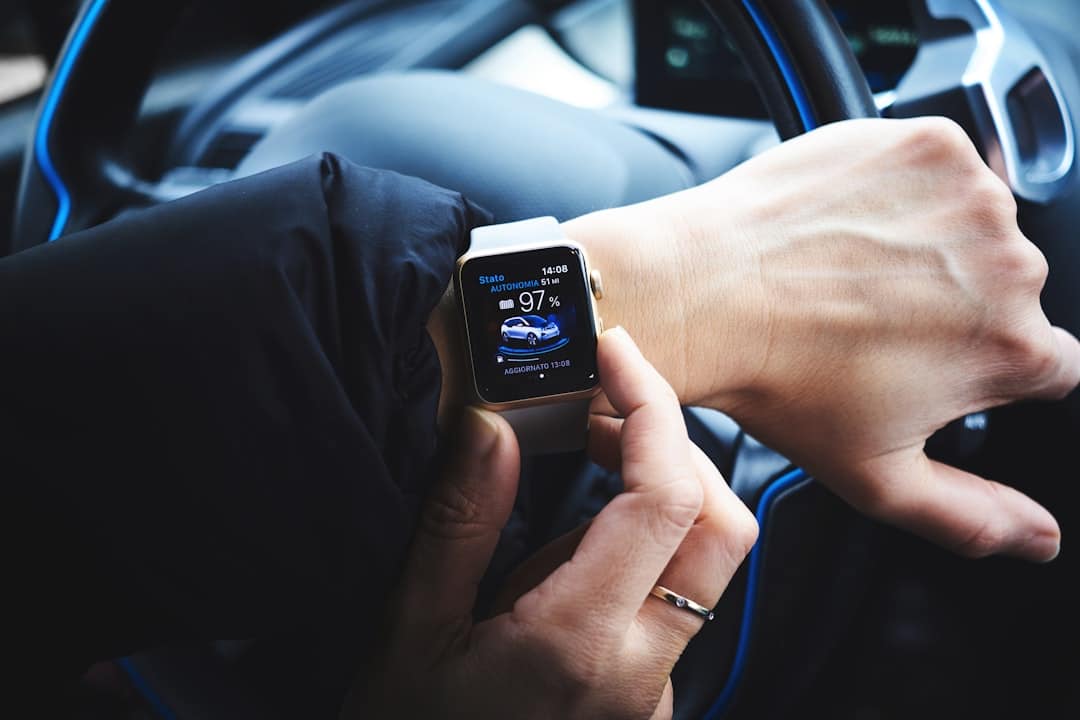
The integration of wearable technology into healthcare represents a transformative shift in how medical professionals monitor, diagnose, and treat patients. Wearable devices, ranging from smartwatches to specialized health monitors, have gained traction due to their ability to collect real-time data on various health metrics. This technology not only empowers patients to take charge of their health but also provides healthcare providers with invaluable insights that can lead to more personalized and effective care.
The rise of wearable tech is driven by advancements in sensor technology, data analytics, and mobile connectivity, which together create a robust ecosystem for health monitoring. As the global population ages and the prevalence of chronic diseases increases, the demand for innovative healthcare solutions has never been more pressing. Wearable technology offers a promising avenue for addressing these challenges by enabling continuous health monitoring outside traditional clinical settings.
This shift is particularly significant in the context of remote patient care, where timely access to health data can lead to early intervention and improved outcomes. The potential of wearable tech in healthcare is vast, encompassing various applications that enhance patient care and streamline healthcare delivery.
Key Takeaways
- Wearable technology enables continuous monitoring of vital signs, improving real-time health tracking.
- Remote diagnosis and treatment are facilitated through wearable devices, enhancing access to healthcare.
- Medication adherence is supported by wearables, helping patients manage their treatment plans effectively.
- Wearable tech fosters better communication and collaboration between patients and healthcare providers.
- Despite benefits, challenges like data privacy and device accuracy remain, but future trends promise greater healthcare impact.
Monitoring and Tracking Vital Signs
One of the most significant applications of wearable technology in healthcare is the continuous monitoring and tracking of vital signs. Devices such as smartwatches and fitness trackers are equipped with sensors that can measure heart rate, blood pressure, oxygen saturation, and even electrocardiograms (ECGs). For instance, the Apple Watch Series 4 introduced an ECG feature that allows users to take an electrocardiogram directly from their wrist, providing critical data that can help detect atrial fibrillation—a condition that can lead to stroke if left untreated.
This capability not only empowers users to monitor their heart health but also enables healthcare providers to receive real-time data for better decision-making. Moreover, wearable devices can track physical activity levels, sleep patterns, and stress indicators, offering a comprehensive view of an individual’s health. For example, the Fitbit platform provides insights into users’ daily activity, sleep quality, and heart rate variability, which can be crucial for managing conditions like diabetes or hypertension.
By continuously collecting this data, wearables facilitate proactive health management, allowing patients to make informed lifestyle choices while providing healthcare professionals with a wealth of information to tailor treatment plans effectively.
Remote Diagnosis and Treatment
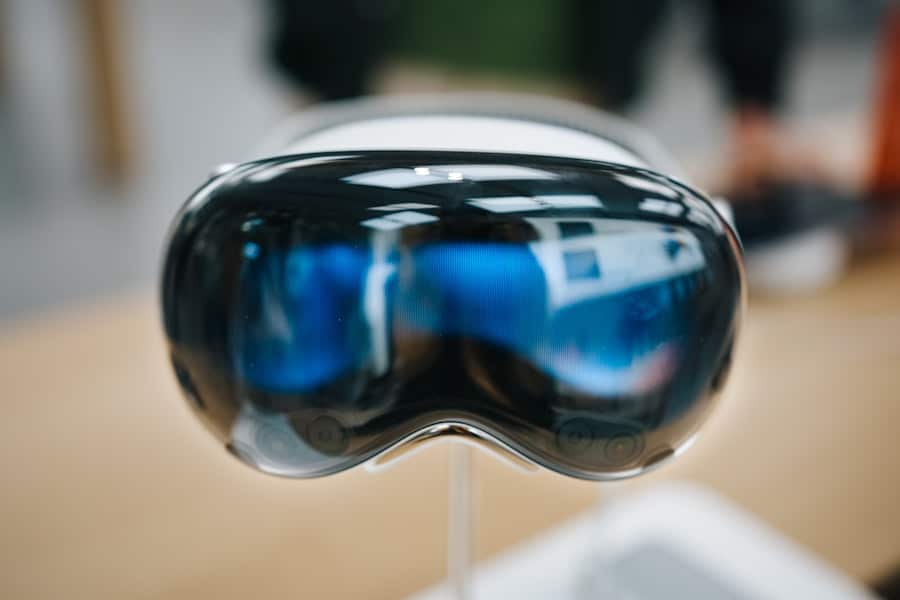
Wearable technology has revolutionized the landscape of remote diagnosis and treatment by enabling healthcare providers to monitor patients from afar. This capability is particularly beneficial for individuals with chronic conditions who require regular check-ups but may face barriers such as mobility issues or geographical distance from healthcare facilities. Telemedicine platforms integrated with wearable devices allow for seamless communication between patients and providers, facilitating timely interventions based on real-time data.
For instance, remote monitoring systems can alert healthcare providers if a patient’s vital signs deviate from established norms, prompting immediate action. A notable example is the use of wearable heart monitors in patients with heart failure. These devices can transmit data regarding fluid retention or changes in heart rhythm directly to healthcare teams, allowing for swift adjustments in treatment plans without necessitating an in-person visit.
This not only enhances patient safety but also optimizes resource allocation within healthcare systems.
Medication Adherence and Management
Medication adherence is a critical component of effective healthcare management, particularly for patients with chronic illnesses who often require complex medication regimens. Wearable technology plays a pivotal role in improving adherence by providing reminders and tracking medication intake. Devices equipped with smart pill dispensers or integrated apps can send alerts to patients when it’s time to take their medication, significantly reducing the likelihood of missed doses.
Additionally, some wearables are designed to monitor physiological responses to medications, offering insights into their effectiveness. For example, a wearable device might track blood glucose levels in diabetic patients while they follow their prescribed medication regimen. By correlating medication intake with physiological data, healthcare providers can assess whether a treatment plan is working or if adjustments are necessary.
This level of monitoring not only enhances patient safety but also fosters a collaborative approach between patients and providers in managing health outcomes.
Improving Communication and Collaboration Between Patients and Healthcare Providers
| Metric | Before Wearable Tech | After Wearable Tech | Impact |
|---|---|---|---|
| Remote Monitoring Frequency | Monthly or less | Continuous (24/7) | Improved real-time health tracking |
| Patient Hospital Readmission Rate | 20% | 12% | Reduced readmissions by 40% |
| Average Response Time to Health Alerts | Several hours to days | Minutes | Faster intervention and care |
| Patient Engagement Level | Low | High | Increased self-management and adherence |
| Data Accuracy in Vital Signs | Moderate (manual entry prone to errors) | High (automated sensor data) | More reliable clinical decisions |
| Healthcare Cost Reduction | Baseline | 15-25% reduction | Lower costs due to preventive care |
Effective communication between patients and healthcare providers is essential for delivering high-quality care. Wearable technology enhances this communication by providing a platform for real-time data sharing and feedback. Patients equipped with wearables can easily share their health metrics with their providers through mobile applications or telehealth platforms, fostering a more collaborative relationship.
For instance, a patient using a wearable device to monitor their blood pressure can share this data during virtual consultations with their physician. This immediate access to relevant information allows for more informed discussions about treatment options and lifestyle modifications. Furthermore, wearables can facilitate two-way communication; patients can ask questions or report concerns directly through connected apps, ensuring that they remain engaged in their care process.
Enhancing Patient Engagement and Empowerment
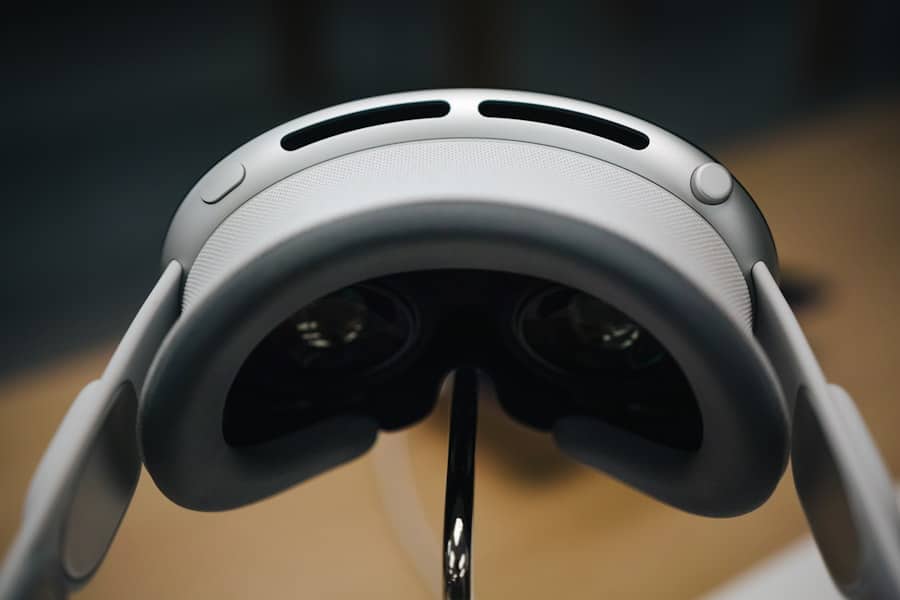
Wearable technology has the potential to significantly enhance patient engagement and empowerment by providing individuals with direct access to their health data. When patients can track their own health metrics—such as physical activity levels, sleep quality, or heart rate—they become more invested in their well-being. This self-monitoring encourages individuals to adopt healthier behaviors and make informed decisions about their lifestyle choices.
Moreover, many wearable devices come equipped with gamification features that motivate users to achieve their health goals. For example, fitness trackers often include challenges or rewards for reaching daily step counts or completing workout sessions. This gamified approach not only makes health management more enjoyable but also fosters a sense of community among users who share similar goals.
As patients become more engaged in their health journeys, they are likely to experience improved outcomes and greater satisfaction with their care.
Challenges and Limitations of Wearable Tech in Remote Patient Care
Despite the numerous benefits of wearable technology in healthcare, several challenges and limitations must be addressed to maximize its potential. One significant concern is the accuracy and reliability of the data collected by these devices. While many wearables are designed to provide precise measurements, variations in sensor technology and user behavior can lead to discrepancies in readings.
Additionally, there are concerns regarding data privacy and security. The collection and transmission of sensitive health information raise questions about how this data is stored and who has access to it.
Patients may be hesitant to use wearable devices if they fear that their personal health information could be compromised or misused. Addressing these concerns requires robust regulatory frameworks and transparent practices from manufacturers and healthcare providers alike.
Future Trends and Potential Impact of Wearable Tech in Healthcare
Looking ahead, the future of wearable technology in healthcare appears promising as innovations continue to emerge at a rapid pace. One notable trend is the integration of artificial intelligence (AI) into wearable devices, which could enhance data analysis capabilities and provide personalized insights for users. AI algorithms could analyze patterns in health data over time, offering predictive analytics that help identify potential health issues before they become critical.
Furthermore, advancements in biosensors may lead to the development of wearables capable of monitoring a broader range of physiological parameters beyond traditional metrics like heart rate or activity levels. For example, researchers are exploring the potential for wearables that can detect biomarkers related to stress or inflammation through sweat analysis. Such innovations could revolutionize preventive care by enabling early detection of health issues.
As wearable technology continues to evolve, its impact on healthcare delivery will likely expand beyond individual patient monitoring to encompass population health management strategies. By aggregating anonymized data from large groups of users, healthcare organizations could gain valuable insights into public health trends and disease outbreaks, ultimately leading to more effective interventions at the community level. In conclusion, wearable technology holds immense potential for transforming healthcare by enhancing monitoring capabilities, improving communication between patients and providers, and empowering individuals to take control of their health.
While challenges remain, ongoing advancements promise to address these limitations and pave the way for a future where wearable tech plays an integral role in delivering high-quality care.
Wearable technology is revolutionizing remote patient care by enabling continuous health monitoring and real-time data transmission to healthcare providers. This transformation is further explored in the article on the best content SEO optimization tool, which discusses how advancements in technology, including wearables, are enhancing various sectors, including healthcare. As these tools become more integrated into patient care, they promise to improve outcomes and streamline communication between patients and providers.
FAQs
What is wearable technology in healthcare?
Wearable technology in healthcare refers to electronic devices worn on the body that monitor and collect health-related data. These devices can track vital signs such as heart rate, blood pressure, oxygen levels, physical activity, and sleep patterns to support patient care.
How does wearable tech improve remote patient care?
Wearable tech enables continuous monitoring of patients outside traditional clinical settings, allowing healthcare providers to track health metrics in real time. This facilitates early detection of potential health issues, timely interventions, and personalized treatment plans, improving overall patient outcomes.
What types of health data can wearable devices collect?
Wearable devices can collect a variety of health data including heart rate, electrocardiogram (ECG) readings, blood oxygen saturation (SpO2), blood pressure, glucose levels, physical activity, sleep quality, respiratory rate, and temperature.
Are wearable devices accurate enough for medical use?
Many wearable devices have been validated for accuracy and are approved by regulatory bodies for medical use. However, accuracy can vary depending on the device and the parameter being measured. It is important for healthcare providers to use clinically validated devices and interpret data within the context of comprehensive patient care.
How do wearable devices transmit data to healthcare providers?
Wearable devices typically use wireless technologies such as Bluetooth, Wi-Fi, or cellular networks to transmit collected data to smartphones, computers, or cloud-based platforms. Healthcare providers can then access this data remotely through secure portals or integrated electronic health record systems.
What are the benefits of using wearable tech for chronic disease management?
Wearable tech allows for continuous monitoring of chronic conditions like diabetes, hypertension, and heart disease. This helps in early detection of complications, better medication adherence, lifestyle adjustments, and reduces the need for frequent in-person visits, enhancing patient engagement and quality of life.
Are there privacy concerns with wearable health devices?
Yes, wearable devices collect sensitive health information, raising concerns about data privacy and security. It is essential that manufacturers and healthcare providers implement strong encryption, comply with healthcare regulations like HIPAA, and ensure transparent data handling practices to protect patient information.
Can wearable technology replace traditional in-person medical visits?
While wearable technology enhances remote monitoring and can reduce the frequency of in-person visits, it does not fully replace the need for physical examinations and direct patient-provider interactions. It serves as a complementary tool to improve healthcare delivery.
What challenges exist in implementing wearable tech in remote patient care?
Challenges include device cost, patient adherence to wearing devices, data management and integration with existing healthcare systems, ensuring data accuracy, addressing privacy concerns, and providing adequate training for both patients and healthcare providers.
How is wearable technology expected to evolve in the future of healthcare?
Future advancements may include more sophisticated sensors, improved battery life, enhanced data analytics using artificial intelligence, better integration with telehealth platforms, and expanded applications in personalized medicine, all contributing to more proactive and efficient remote patient care.