


Wearable technology has emerged as a transformative force within the fashion industry, blending aesthetics with advanced functionality. This intersection of technology and style has given rise to a new category of products that not only serve practical purposes but also make bold fashion statements. From smartwatches and fitness trackers to smart clothing embedded with sensors, wearable tech is reshaping how consumers interact with their apparel and accessories.
The evolution of this trend reflects broader societal shifts towards health consciousness, connectivity, and personalization, making it a pivotal area of exploration for both designers and consumers. The allure of wearable tech lies in its ability to enhance everyday life through innovative features. For instance, smartwatches can track heart rates, monitor sleep patterns, and even facilitate communication, all while being worn as a stylish accessory.
As the lines between fashion and technology continue to blur, the industry is witnessing a surge in collaborations between tech companies and fashion designers, leading to groundbreaking products that challenge traditional notions of what clothing and accessories can achieve.
Key Takeaways
- Wearable technology is transforming fashion by combining style with advanced functionality.
- Integration of tech and fashion enhances user experience through smart, interactive garments.
- Wearable tech has evolved from basic gadgets to sophisticated, stylish accessories.
- Sustainable fashion benefits from wearable tech by promoting eco-friendly materials and smart usage.
- Consumer behavior is shifting as wearable tech influences purchasing decisions and lifestyle choices.
The Impact of Wearable Tech on Functionality
The functionality of wearable tech has revolutionized how individuals approach their daily routines. Fitness trackers, for example, have become ubiquitous among health enthusiasts, providing real-time data on physical activity, calorie expenditure, and even stress levels. These devices empower users to take charge of their health by offering insights that were previously difficult to obtain without professional assistance.
The integration of such technology into clothing—like smart leggings that monitor muscle activity—further enhances the user experience by providing feedback that can improve performance and prevent injuries. Moreover, wearable tech has expanded its functionality beyond health and fitness. Smart glasses, such as those developed by Google and other tech giants, offer augmented reality experiences that can enhance navigation, provide information overlays, or even facilitate hands-free communication.
This shift towards multifunctionality is not just about convenience; it also reflects a growing consumer demand for products that can adapt to various aspects of life. As wearable tech continues to evolve, its potential applications in areas like personal safety, environmental monitoring, and even social interaction are becoming increasingly apparent.
The Integration of Fashion and Technology
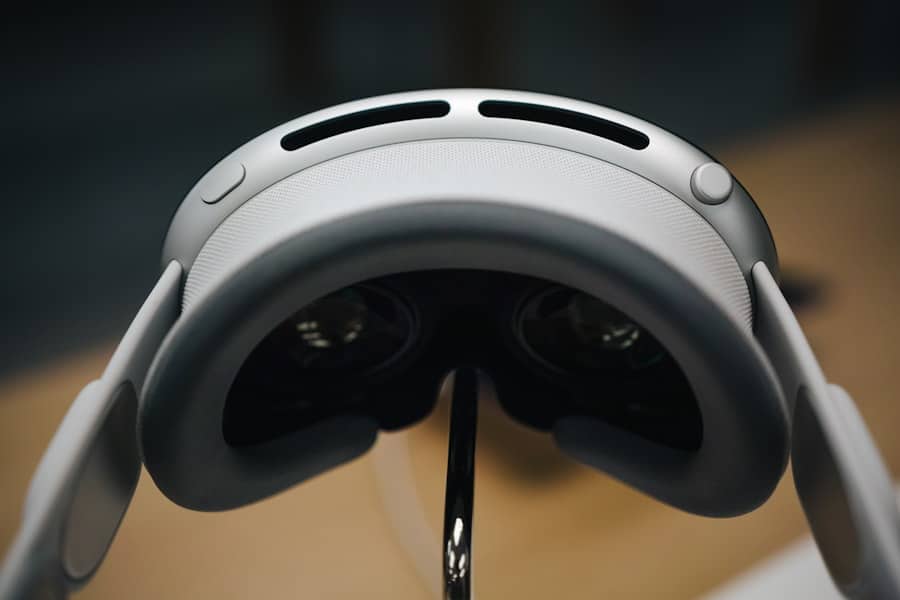
The integration of fashion and technology is not merely a trend; it represents a fundamental shift in how consumers perceive and engage with their clothing. Designers are increasingly incorporating technology into their collections, creating garments that respond to environmental stimuli or change color based on the wearer’s mood. For instance, the fashion label CuteCircuit has developed dresses that can display customizable graphics or messages through embedded LED lights.
Such innovations challenge the traditional boundaries of fashion design, inviting consumers to think about clothing as a dynamic medium rather than a static one. This fusion of fashion and technology also raises questions about identity and self-expression. Wearable tech allows individuals to curate their personal style in ways that were previously unimaginable.
For example, smart jewelry can change its appearance based on the wearer’s preferences or even the occasion, offering a level of customization that resonates with today’s desire for individuality. As brands continue to explore this integration, the potential for creating unique consumer experiences expands, leading to a more interactive relationship between wearers and their garments.
The Evolution of Wearable Tech in Fashion
The evolution of wearable tech in fashion can be traced back to early innovations like the calculator watch in the 1970s, which combined utility with style in a way that was groundbreaking for its time. However, it wasn’t until the advent of smartphones that wearable technology began to gain significant traction. The introduction of fitness trackers in the early 2010s marked a pivotal moment, as these devices appealed to a growing demographic focused on health and wellness.
Brands like Fitbit capitalized on this trend by creating sleek designs that could be worn throughout the day without sacrificing style. As technology advanced, so did the capabilities of wearable devices.
Companies like Apple and Samsung have played crucial roles in popularizing these devices, often collaborating with fashion brands to create limited-edition models that appeal to style-conscious consumers. This evolution reflects a broader trend where technology is no longer seen as an accessory but rather an integral part of modern life.
The Future of Wearable Tech in Fashion
| Aspect | Metric/Statistic | Impact on Fashion | Impact on Functionality |
|---|---|---|---|
| Market Growth | Projected CAGR of 15.5% (2023-2028) | Increased designer collaborations with tech brands | More diverse wearable devices with advanced features |
| Consumer Adoption | Over 400 million wearable devices shipped globally in 2023 | Wearables becoming fashion statements and accessories | Enhanced health monitoring and connectivity |
| Smart Fabrics | 30% increase in smart textile patents filed since 2020 | Integration of LED and color-changing fabrics in apparel | Temperature regulation and biometric sensing capabilities |
| Battery Life | Average wearable battery life improved by 20% in last 3 years | Allows for sleeker, less bulky designs | Longer usage time without frequent charging |
| Customization | 70% of users prefer customizable wearable designs | Personalized styles and interchangeable components | Tailored functionality based on user preferences |
| Health Monitoring | Wearables detect over 10 different health metrics | Fashionable health accessories | Real-time tracking of heart rate, sleep, and activity |
Looking ahead, the future of wearable tech in fashion appears promising yet complex. As advancements in materials science continue to emerge, we can expect to see more innovative fabrics that incorporate technology seamlessly into everyday wear. For instance, researchers are exploring the use of conductive textiles that can monitor biometric data while remaining comfortable and stylish.
This could lead to an era where clothing not only serves aesthetic purposes but also functions as a health-monitoring device. Moreover, the rise of artificial intelligence (AI) is set to further revolutionize wearable tech in fashion. AI algorithms can analyze user data to provide personalized recommendations for clothing styles or fitness routines based on individual preferences and goals.
This level of customization could redefine shopping experiences, allowing consumers to find products that align perfectly with their lifestyles. As brands invest in AI-driven solutions, we may witness a shift towards more sustainable practices as well, with technology helping to optimize production processes and reduce waste.
Advantages and Disadvantages of Wearable Tech in Fashion

The advantages of wearable tech in fashion are manifold, particularly in terms of enhancing user experience and promoting health awareness. One significant benefit is the ability to track personal health metrics effortlessly. Wearable devices can motivate users to adopt healthier lifestyles by providing real-time feedback on physical activity levels or sleep quality.
Additionally, the convenience offered by smart accessories—such as receiving notifications without needing to check a phone—adds a layer of practicality that many consumers find appealing. However, there are also notable disadvantages associated with wearable tech in fashion. Privacy concerns are paramount; many devices collect sensitive data about users’ habits and health metrics, raising questions about how this information is stored and used by companies.
Furthermore, the reliance on technology can lead to issues such as device fatigue or over-dependence on gadgets for daily tasks. As consumers become increasingly aware of these challenges, brands must navigate the delicate balance between innovation and ethical responsibility.
The Role of Wearable Tech in Sustainable Fashion
Sustainability is an increasingly critical consideration within the fashion industry, and wearable tech has the potential to play a significant role in promoting eco-friendly practices. Smart textiles can be designed to reduce waste by incorporating features that extend the lifespan of garments or allow for easy recycling at the end of their life cycle. For example, some companies are developing clothing made from biodegradable materials embedded with sensors that can monitor wear and tear, alerting users when it’s time for repair or recycling.
Additionally, wearable tech can facilitate more sustainable consumption patterns by providing consumers with insights into their purchasing habits. Apps linked to wearable devices can track how often items are worn or suggest alternatives based on usage patterns, encouraging individuals to make more informed choices about their wardrobes. This shift towards conscious consumption aligns with broader movements advocating for reduced environmental impact within the fashion industry.
The Influence of Wearable Tech on Consumer Behavior
The influence of wearable tech on consumer behavior is profound and multifaceted. As consumers become more accustomed to integrating technology into their daily lives, their expectations regarding fashion are evolving accordingly. Wearable devices have fostered a culture of immediacy; individuals now seek products that offer instant gratification through connectivity and functionality.
This shift has led brands to prioritize innovation and responsiveness in their offerings, often resulting in rapid product cycles driven by consumer demand. Moreover, the social aspect of wearable tech cannot be overlooked. Many devices come equipped with features that encourage sharing experiences on social media platforms, creating a community around fitness goals or style choices.
This interconnectedness influences purchasing decisions as consumers look to align themselves with trends endorsed by peers or influencers within their networks. As brands continue to leverage social media marketing strategies alongside wearable tech innovations, understanding consumer behavior will be crucial for success in this evolving landscape. In summary, wearable technology is reshaping the fashion industry by merging functionality with style while addressing contemporary consumer needs and preferences.
As this trend continues to evolve, it will undoubtedly influence not only how we dress but also how we perceive our relationship with clothing and technology.
Wearable technology is not only revolutionizing the fashion industry but also enhancing functionality in everyday life. As highlighted in the article on how to choose a smartphone for chief executives, the integration of smart devices into our daily routines is becoming increasingly important for professionals seeking efficiency and style. For more insights on the intersection of technology and personal devices, you can read the article here.
FAQs
What is wearable technology in fashion?
Wearable technology in fashion refers to clothing and accessories that incorporate advanced electronic components, such as sensors, microchips, and connectivity features, to provide enhanced functionality beyond traditional apparel.
How is wearable tech transforming the fashion industry?
Wearable tech is transforming fashion by integrating smart features like health monitoring, adaptive fabrics, and interactive designs, enabling garments to offer both aesthetic appeal and practical benefits such as fitness tracking, temperature regulation, and personalized style.
What are some common examples of wearable technology in fashion?
Common examples include smartwatches, fitness trackers, LED-embedded clothing, heated jackets, and garments with biometric sensors that monitor heart rate, body temperature, or movement.
Can wearable technology improve functionality in everyday clothing?
Yes, wearable technology can enhance everyday clothing by adding features like moisture-wicking fabrics, UV protection, self-cleaning materials, and embedded sensors that provide real-time data to the wearer.
Are wearable tech garments comfortable to wear?
Advancements in materials and design have made wearable tech garments increasingly comfortable, lightweight, and flexible, ensuring that electronic components do not compromise the wearer’s comfort.
How does wearable tech impact sustainability in fashion?
Wearable tech can promote sustainability by enabling longer-lasting garments, reducing waste through smart maintenance alerts, and encouraging mindful consumption with features that track usage and wear patterns.
Is wearable technology in fashion accessible to consumers?
While some wearable tech products are widely available and affordable, others remain niche or premium items. As technology advances and production scales, accessibility and affordability are expected to improve.
What challenges does wearable technology face in fashion?
Challenges include ensuring durability, battery life, data privacy, seamless integration of electronics with textiles, and balancing style with functionality.
How does wearable tech enhance user experience?
Wearable tech enhances user experience by providing real-time feedback, personalized data, convenience, and interactive features that adapt to the wearer’s needs and environment.
What future trends are expected in wearable technology for fashion?
Future trends include more advanced smart fabrics, greater integration with AI and IoT devices, improved energy harvesting methods, and increased customization options for both style and functionality.