

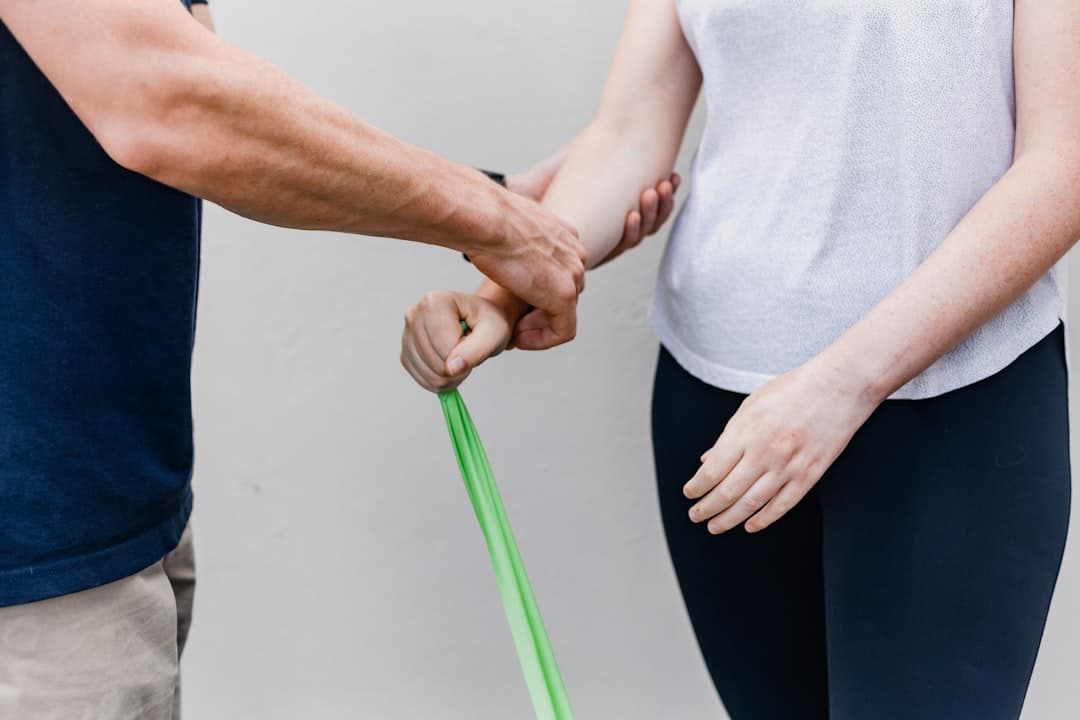
The integration of wearable technology into rehabilitation programs marks a significant evolution in the way healthcare providers approach patient recovery. Wearable devices, which include smartwatches, fitness trackers, and specialized medical sensors, have gained traction in recent years due to their ability to collect real-time data on a patient’s physical activity, vital signs, and overall health status. This technology not only empowers patients to take an active role in their recovery but also provides healthcare professionals with valuable insights that can inform treatment plans.
The convergence of technology and rehabilitation is reshaping traditional practices, making them more efficient and personalized. As the demand for innovative rehabilitation solutions grows, the role of wearable tech becomes increasingly critical. These devices can monitor a wide range of metrics, from heart rate and blood pressure to movement patterns and muscle activity.
By leveraging this data, rehabilitation specialists can tailor interventions to meet individual needs, enhancing the effectiveness of therapy. Furthermore, the ability to track progress over time allows for adjustments to be made in real-time, ensuring that patients remain engaged and motivated throughout their recovery journey. The potential for wearable technology to transform rehabilitation is vast, paving the way for more effective and patient-centered care.
Key Takeaways
- Wearable technology enhances rehabilitation by providing real-time monitoring and personalized feedback.
- Common wearable devices include sensors, smart garments, and motion trackers tailored for rehab needs.
- Success stories demonstrate improved patient outcomes and increased engagement through wearable tech.
- Challenges include data privacy concerns, device accuracy, and user compliance issues.
- Future trends focus on advanced AI integration, improved usability, and addressing ethical considerations.
The Benefits of Wearable Tech in Rehabilitation
Wearable technology offers numerous benefits that enhance the rehabilitation experience for both patients and healthcare providers. One of the most significant advantages is the ability to collect continuous data on a patient’s physical activity and health metrics.
For instance, if a patient is recovering from knee surgery, wearable devices can track their range of motion and weight-bearing activities, providing insights that help therapists adjust exercises accordingly. Another key benefit is the promotion of patient engagement and accountability. Wearable devices often come equipped with features that encourage users to set goals, track their achievements, and receive feedback on their performance.
This gamification aspect can motivate patients to adhere to their rehabilitation protocols more diligently. For example, a patient recovering from a stroke may use a smartwatch that vibrates to remind them to perform prescribed exercises at specific intervals throughout the day. This not only fosters a sense of responsibility but also helps patients develop healthier habits that extend beyond their rehabilitation program.
Types of Wearable Tech Used in Rehabilitation Programs

The landscape of wearable technology in rehabilitation is diverse, encompassing a variety of devices designed for specific therapeutic needs. One prominent category includes fitness trackers and smartwatches, which monitor general physical activity levels, heart rate, and sleep patterns. These devices are particularly useful for patients engaged in physical rehabilitation, as they provide insights into daily activity levels and help set achievable fitness goals.
Another important type of wearable tech is specialized medical devices designed for specific rehabilitation needs. For instance, exoskeletons are robotic suits that assist individuals with mobility impairments by providing support during walking or standing exercises. These devices have shown remarkable success in helping patients with spinal cord injuries regain mobility and improve their overall quality of life.
Additionally, wearable sensors that monitor muscle activity and joint movement are increasingly being used in physical therapy settings. These sensors can provide real-time feedback on a patient’s performance during exercises, allowing therapists to make immediate adjustments to ensure proper technique and prevent injury.
Case Studies: Success Stories of Wearable Tech in Rehabilitation
Numerous case studies illustrate the transformative impact of wearable technology in rehabilitation programs. One notable example involves a group of stroke survivors who participated in a study utilizing smartwatches equipped with motion sensors. The researchers found that patients who wore these devices during their rehabilitation sessions demonstrated significant improvements in motor function compared to those who did not use wearable tech.
The continuous feedback provided by the smartwatches allowed therapists to tailor exercises more effectively, leading to enhanced recovery outcomes. Another compelling case study comes from a rehabilitation center that implemented exoskeleton technology for patients with lower limb paralysis. In this program, individuals used robotic suits during therapy sessions to practice walking and standing.
Over several weeks, participants showed remarkable gains in mobility and strength, with many reporting increased confidence in their ability to perform daily activities independently. The combination of advanced technology and personalized therapy created an environment conducive to recovery, highlighting the potential of wearable tech to revolutionize rehabilitation practices.
Challenges and Limitations of Wearable Tech in Rehabilitation
| Metric | Description | Impact on Rehabilitation | Example Wearable Device |
|---|---|---|---|
| Patient Mobility Tracking | Measures range of motion and movement patterns | Enables personalized therapy adjustments and progress monitoring | Inertial Measurement Units (IMUs) |
| Heart Rate Monitoring | Continuous tracking of heart rate during exercises | Ensures safe exercise intensity and cardiovascular health | Smartwatches (e.g., Fitbit, Apple Watch) |
| Muscle Activity (EMG) | Records electrical activity of muscles during movement | Assists in muscle re-education and strength assessment | Surface Electromyography Sensors |
| Balance and Posture Analysis | Detects body alignment and stability | Helps prevent falls and improve gait | Wearable Posture Sensors |
| Adherence Monitoring | Tracks patient compliance with prescribed exercises | Improves rehabilitation outcomes through accountability | Mobile App-Connected Wearables |
| Real-Time Feedback | Provides immediate cues to correct movements | Enhances motor learning and reduces injury risk | Smart Insoles and Motion Sensors |
Despite the promising benefits of wearable technology in rehabilitation, several challenges and limitations must be addressed for widespread adoption. One significant concern is the accuracy and reliability of data collected by these devices. While many wearables are designed for consumer use, they may not always meet the rigorous standards required for clinical applications.
Inaccurate data can lead to misguided treatment decisions, potentially hindering a patient’s recovery process.
Many rehabilitation facilities may lack the necessary infrastructure or training to effectively utilize these devices.
Additionally, there may be resistance from healthcare professionals who are accustomed to traditional methods of monitoring patient progress. Overcoming these barriers requires comprehensive training programs and a shift in mindset regarding the role of technology in patient care.
Future Trends and Developments in Wearable Tech for Rehabilitation

The future of wearable technology in rehabilitation is poised for exciting developments as advancements continue to emerge at a rapid pace. One trend gaining traction is the incorporation of artificial intelligence (AI) into wearable devices. AI algorithms can analyze vast amounts of data collected from wearables to identify patterns and predict outcomes more accurately.
This capability could lead to more personalized treatment plans tailored to individual patient needs, ultimately improving recovery rates. Moreover, the integration of virtual reality (VR) with wearable tech presents new possibilities for rehabilitation programs. VR environments can simulate real-world scenarios that patients may encounter during their recovery journey, allowing them to practice skills in a safe setting.
When combined with wearables that track physical responses, this approach can provide valuable insights into a patient’s progress while enhancing engagement through immersive experiences.
Ethical Considerations and Privacy Concerns with Wearable Tech in Rehabilitation
As wearable technology becomes more prevalent in rehabilitation settings, ethical considerations and privacy concerns must be addressed proactively. One primary issue revolves around data security; wearables collect sensitive health information that could be vulnerable to breaches if not adequately protected. Ensuring that patient data is encrypted and stored securely is paramount to maintaining trust between patients and healthcare providers.
Additionally, there are ethical implications related to informed consent and data ownership. Patients must be fully aware of how their data will be used and who will have access to it. Clear communication regarding these aspects is essential for fostering transparency and ensuring that patients feel comfortable using wearable technology as part of their rehabilitation process.
Recommendations for Integrating Wearable Tech into Rehabilitation Programs
To effectively integrate wearable technology into rehabilitation programs, several recommendations should be considered by healthcare providers and administrators. First and foremost, it is crucial to conduct thorough assessments of available technologies to identify those that align best with specific rehabilitation goals. This involves evaluating the accuracy, reliability, and usability of various devices before implementation.
Training staff on how to use wearable tech effectively is another vital step in ensuring successful integration. Healthcare professionals should receive education on interpreting data collected from wearables and incorporating it into treatment plans seamlessly. Additionally, fostering collaboration between technology developers and rehabilitation specialists can lead to the creation of tailored solutions that address specific patient needs.
Finally, engaging patients in the decision-making process regarding the use of wearable technology can enhance adherence and satisfaction with rehabilitation programs. By involving patients in discussions about their preferences and concerns related to wearables, healthcare providers can create a more personalized experience that empowers individuals on their path to recovery.
In exploring the impact of wearable technology on rehabilitation programs, it’s interesting to note how advancements in tech are influencing various fields. For instance, a related article discusses how TechRepublic helps IT decision-makers identify technologies that can enhance operational efficiency, which can also be applied to the healthcare sector, particularly in the development and implementation of innovative rehabilitation solutions.
FAQs
What is wearable technology in rehabilitation?
Wearable technology in rehabilitation refers to electronic devices worn on the body that monitor, track, and assist patients during their recovery process. These devices can collect data on movement, vital signs, and other health metrics to support personalized therapy and improve outcomes.
How does wearable tech support rehabilitation programs?
Wearable tech supports rehabilitation by providing real-time feedback, tracking progress, and enabling remote monitoring by healthcare professionals. This helps tailor therapy plans, encourages patient engagement, and allows for adjustments based on accurate data.
What types of wearable devices are commonly used in rehabilitation?
Common wearable devices include smartwatches, fitness trackers, motion sensors, electromyography (EMG) sensors, and exoskeletons. These devices can measure parameters such as range of motion, muscle activity, heart rate, and gait patterns.
Can wearable technology improve patient outcomes in rehabilitation?
Yes, wearable technology can improve patient outcomes by enabling more precise monitoring, enhancing motivation through feedback, and facilitating early detection of complications. This leads to more effective and personalized rehabilitation programs.
Is wearable tech suitable for all types of rehabilitation?
Wearable technology is versatile and can be used in various rehabilitation types, including physical therapy, neurological rehabilitation, cardiac rehab, and post-surgical recovery. However, the choice of device and application depends on the specific needs of the patient and condition.
Are there privacy concerns with using wearable devices in rehabilitation?
Privacy is an important consideration, as wearable devices collect sensitive health data. It is essential that data is securely stored and shared only with authorized healthcare providers, complying with relevant regulations such as HIPAA or GDPR.
How do healthcare professionals use data from wearable devices?
Healthcare professionals analyze data from wearable devices to assess patient progress, adjust treatment plans, and identify any issues early. This data-driven approach enhances clinical decision-making and supports more effective rehabilitation.
Can wearable technology be used for remote rehabilitation?
Yes, wearable technology enables remote rehabilitation by allowing patients to perform exercises at home while their progress is monitored remotely by clinicians. This increases accessibility and convenience, especially for patients with mobility challenges.
What are the challenges of integrating wearable tech into rehabilitation programs?
Challenges include device cost, patient adherence, data accuracy, technical issues, and ensuring that healthcare providers are trained to interpret and use the data effectively. Addressing these challenges is key to successful implementation.
Is wearable technology covered by insurance in rehabilitation?
Coverage varies depending on the insurer, device type, and rehabilitation program. Some wearable devices may be covered if deemed medically necessary, but patients should check with their insurance providers for specific policies.