

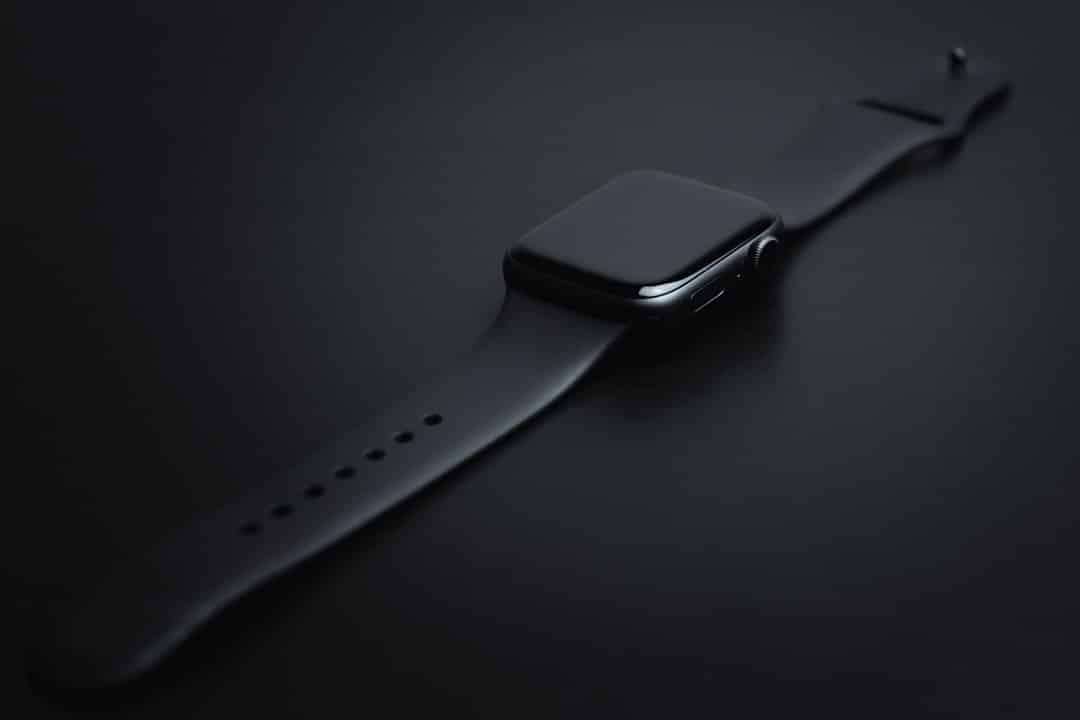
Wearable technology has become increasingly important in healthcare rehabilitation programs. These devices include smartwatches, fitness trackers, and specialized sensors that collect real-time data on patients’ physical activity, vital signs, and health metrics during recovery. Healthcare providers use this continuous monitoring to create individualized rehabilitation strategies based on objective data rather than relying solely on periodic clinical assessments.
Several technological and clinical developments have contributed to the adoption of wearable devices in rehabilitation. Improvements in sensor accuracy and battery life have made continuous monitoring more reliable and practical. Research indicates that patients who actively track their progress through wearable devices demonstrate higher engagement levels and better adherence to prescribed rehabilitation exercises.
The continuous data stream from these devices enables healthcare professionals to identify patterns in recovery, detect potential complications early, and modify treatment protocols based on objective measurements rather than subjective patient reports. The integration of wearable technology in rehabilitation programs provides measurable benefits for both patients and healthcare providers. Patients receive immediate feedback on their performance and progress, while clinicians gain access to comprehensive data sets that inform evidence-based treatment decisions.
This data-driven approach allows for more precise adjustments to rehabilitation intensity, duration, and specific interventions throughout the recovery process.
Key Takeaways
- Wearable technology enhances rehabilitation by providing real-time data and personalized feedback.
- Common wearable devices include sensors, smart garments, and motion trackers tailored for rehab needs.
- Successful case studies demonstrate improved patient outcomes and increased engagement through wearable tech.
- Challenges include device accuracy, patient compliance, and integration with existing healthcare systems.
- Future innovations focus on AI integration, improved usability, and empowering patients in self-managed rehabilitation.
Benefits of Using Wearable Tech in Rehabilitation
The benefits of incorporating wearable technology into rehabilitation programs are manifold. One of the most significant advantages is the ability to collect continuous, objective data on a patient’s physical activity and physiological responses. This data can be instrumental in assessing progress over time, identifying areas that require additional focus, and making informed decisions about treatment adjustments.
For instance, a physical therapist can use data from a wearable device to determine whether a patient is meeting their activity goals or if they are experiencing pain during specific movements. This level of insight allows for a more nuanced approach to rehabilitation, where interventions can be tailored based on real-time feedback rather than relying solely on subjective reports from patients. Another key benefit is the enhancement of patient engagement and motivation.
Wearable devices often come equipped with features that gamify the rehabilitation process, such as setting daily step goals or providing rewards for achieving milestones. This gamification can encourage patients to take an active role in their recovery journey, fostering a sense of ownership over their health. Additionally, many wearable devices offer social sharing capabilities, allowing patients to connect with peers or support groups.
This social aspect can further motivate individuals by creating a sense of community and accountability, which is particularly beneficial in long-term rehabilitation scenarios.
Types of Wearable Tech Used in Rehabilitation
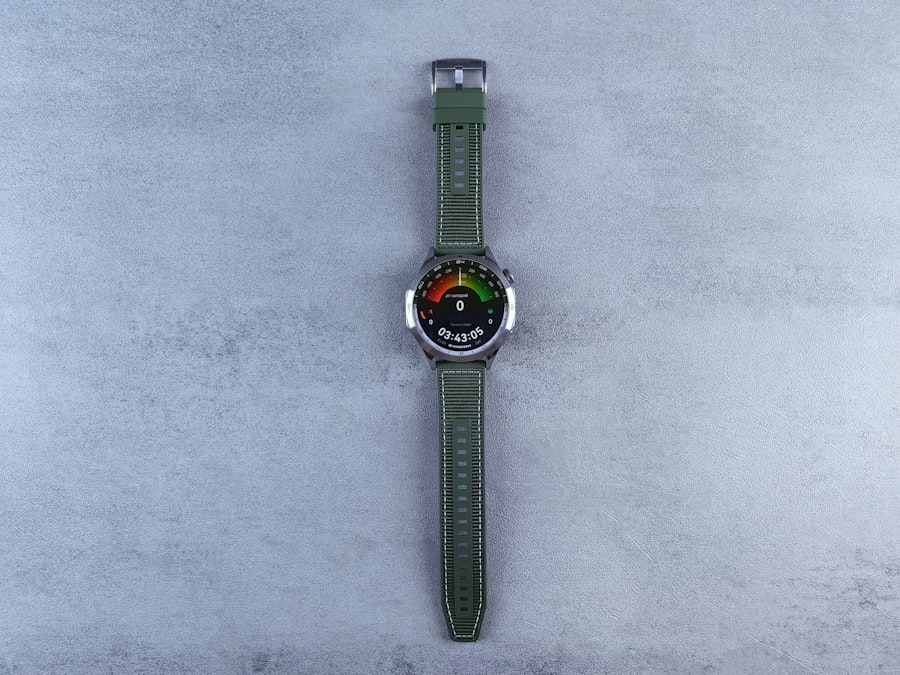
A diverse array of wearable technologies is currently utilized in rehabilitation settings, each serving unique purposes tailored to specific patient needs. One prominent category includes fitness trackers and smartwatches that monitor basic metrics such as heart rate, steps taken, and calories burned. These devices are particularly useful for patients recovering from orthopedic surgeries or those with chronic conditions like diabetes or heart disease.
By tracking daily activity levels, healthcare providers can assess whether patients are adhering to prescribed exercise regimens and make necessary adjustments. Another significant type of wearable tech used in rehabilitation is motion sensors and biomechanical devices. These advanced tools can capture detailed information about a patient’s movement patterns, gait, and posture.
For example, systems like the Gait Analysis System utilize sensors placed on the body to analyze walking patterns in real-time. This data is invaluable for physical therapists working with stroke survivors or individuals with neurological disorders, as it allows for precise identification of movement abnormalities that may hinder recovery. Furthermore, some wearables are designed specifically for rehabilitation exercises, providing guided feedback to ensure that patients perform movements correctly and safely.
Case Studies of Successful Rehabilitation Programs Using Wearable Tech
Numerous case studies illustrate the successful integration of wearable technology into rehabilitation programs across various medical disciplines.
A study conducted at a leading cardiac rehabilitation center demonstrated that patients who wore heart rate monitors during their exercise sessions showed significantly improved adherence to their exercise regimens compared to those who did not use such devices.
The real-time feedback provided by the monitors allowed patients to stay within their target heart rate zones, optimizing their workouts while minimizing the risk of overexertion. In another case study focusing on stroke rehabilitation, researchers implemented a wearable motion sensor system to assist patients in regaining mobility. The system provided real-time feedback on gait performance and offered tailored exercises based on individual progress.
Patients who participated in this program exhibited marked improvements in their walking speed and balance compared to those receiving traditional therapy alone. The combination of objective data collection and personalized feedback not only enhanced physical outcomes but also contributed to higher levels of patient satisfaction and engagement throughout the rehabilitation process.
Challenges and Limitations of Using Wearable Tech in Rehabilitation
| Metric | Description | Impact on Rehabilitation | Example Wearable Device |
|---|---|---|---|
| Patient Mobility Tracking | Measures range of motion and movement patterns | Enables personalized therapy adjustments and progress monitoring | Inertial Measurement Units (IMUs) |
| Heart Rate Monitoring | Continuous tracking of heart rate during exercises | Ensures safe exercise intensity and cardiovascular health | Smartwatches (e.g., Fitbit, Apple Watch) |
| Muscle Activity Measurement | Electromyography (EMG) sensors detect muscle activation | Assists in targeted muscle rehabilitation and biofeedback | EMG Wearable Sensors |
| Balance and Posture Analysis | Detects body alignment and stability during movement | Helps prevent falls and improve gait in patients | Wearable Posture Sensors |
| Adherence Monitoring | Tracks patient compliance with prescribed exercises | Improves rehabilitation outcomes through accountability | Activity Trackers with App Integration |
| Real-time Feedback | Provides immediate data and cues to patients | Enhances motivation and corrects movement errors | Wearable Haptic Feedback Devices |
Despite the numerous advantages associated with wearable technology in rehabilitation, several challenges and limitations must be addressed for its effective implementation. One significant concern is the variability in patient compliance with using these devices consistently. While some patients may embrace the technology enthusiastically, others may find it cumbersome or intrusive.
Factors such as age, technological literacy, and personal preferences can influence how well patients engage with wearable devices. Consequently, healthcare providers must consider these factors when introducing wearable tech into rehabilitation programs to ensure that all patients feel comfortable and motivated to use them. Another challenge lies in the interpretation of the data collected by wearable devices.
While these technologies can provide vast amounts of information regarding a patient’s activity levels and physiological responses, translating this data into actionable insights requires expertise. Healthcare professionals must be trained not only in how to use these devices but also in how to analyze the data effectively. Additionally, there are concerns regarding data privacy and security; as wearable devices collect sensitive health information, ensuring that this data is protected from unauthorized access is paramount.
Future Trends and Innovations in Wearable Tech for Rehabilitation
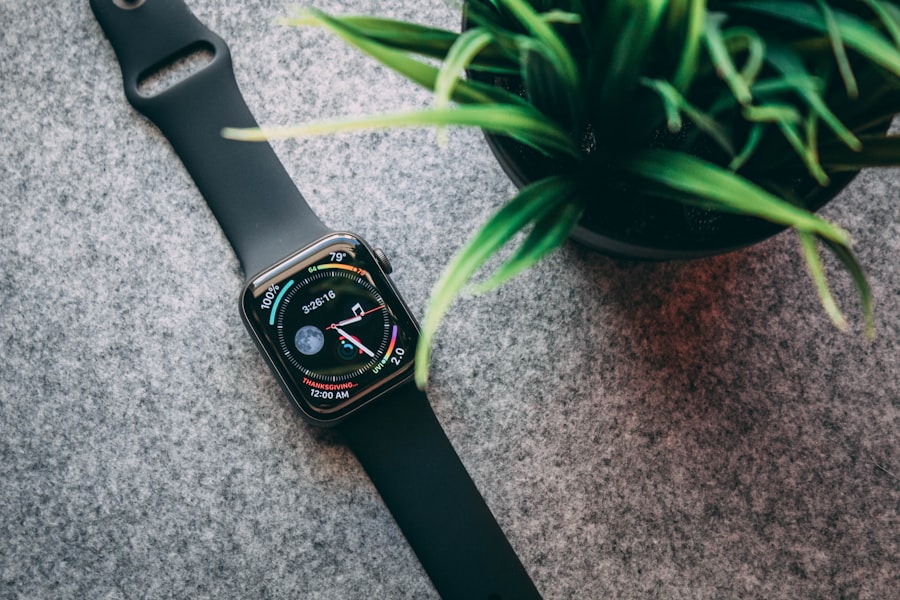
The future of wearable technology in rehabilitation is poised for significant advancements driven by ongoing research and innovation. One promising trend is the integration of artificial intelligence (AI) into wearable devices. AI algorithms can analyze data collected from wearables to identify patterns that may not be immediately apparent to healthcare providers.
For instance, AI could predict potential setbacks in a patient’s recovery based on their activity levels or physiological responses, allowing for proactive interventions before issues arise. Moreover, advancements in materials science are leading to the development of more comfortable and user-friendly wearables. Future devices may be lighter, more flexible, and even capable of being integrated into clothing or accessories rather than being worn as standalone gadgets.
This could enhance patient compliance by making wearables less obtrusive while still providing essential monitoring capabilities. Additionally, as telehealth continues to grow in popularity, we may see an increase in remote monitoring capabilities through wearables, allowing healthcare providers to track patient progress from afar and adjust treatment plans accordingly.
How Wearable Tech is Empowering Patients in Their Rehabilitation Journey
Wearable technology empowers patients by placing them at the center of their rehabilitation journey. With access to real-time data about their health metrics and progress, patients can take an active role in their recovery process. This empowerment fosters a sense of agency; individuals are no longer passive recipients of care but rather active participants who can monitor their own progress and make informed decisions about their health behaviors.
Furthermore, many wearable devices come equipped with features that promote self-reflection and goal-setting. For example, patients can set personal fitness goals based on their recovery objectives and track their achievements over time. This capability not only enhances motivation but also instills a sense of accomplishment as patients witness tangible improvements in their physical abilities.
The ability to share progress with healthcare providers or support networks further reinforces this empowerment by creating opportunities for encouragement and accountability.
The Role of Healthcare Professionals in Integrating Wearable Tech into Rehabilitation Programs
Healthcare professionals play a crucial role in the successful integration of wearable technology into rehabilitation programs. Their expertise is essential not only for selecting appropriate devices but also for educating patients about how to use them effectively. Providers must take the time to explain the benefits of wearables and address any concerns patients may have regarding privacy or usability.
By fostering an open dialogue about technology use, healthcare professionals can help build trust and encourage patient engagement. Additionally, healthcare providers must be adept at interpreting the data generated by wearable devices to inform treatment decisions. This requires ongoing training and collaboration among interdisciplinary teams to ensure that all members understand how to leverage technology effectively within their practice areas.
By embracing wearable tech as a valuable tool rather than viewing it as an additional burden, healthcare professionals can enhance the overall quality of care provided during rehabilitation programs, ultimately leading to better patient outcomes and satisfaction levels.
Wearable technology is revolutionizing rehabilitation programs by providing real-time data and feedback to both patients and healthcare providers. For a deeper understanding of how these devices are shaping health and fitness, you can check out the article on the best tech products of 2023, which highlights various innovations in the wearable tech space.
 sensors, and exoskeletons. These devices can measure parameters such as range of motion, muscle activity, heart rate, and gait patterns.</p>
<h3>Can wearable technology improve patient outcomes in rehabilitation?</h3>
<p>Yes, wearable technology can improve patient outcomes by enhancing motivation, ensuring adherence to therapy protocols, enabling early detection of complications, and facilitating personalized treatment adjustments based on continuous data collection.</p>
<h3>Is wearable tech suitable for all types of rehabilitation?</h3>
<p>Wearable technology is versatile and can be used in various rehabilitation fields, including physical therapy, neurological rehabilitation, cardiac rehab, and post-surgical recovery. However, the choice of device and application depends on the specific needs and conditions of the patient.</p>
<h3>Are there privacy concerns with using wearable devices in rehabilitation?</h3>
<p>Privacy is an important consideration, as wearable devices collect sensitive health data. It is essential that data is securely stored and transmitted, and that patients provide informed consent. Healthcare providers must comply with relevant regulations such as HIPAA to protect patient information.</p>
<h3>How do healthcare professionals use data from wearable devices?</h3>
<p>Healthcare professionals analyze data from wearable devices to monitor patient progress, identify issues early, adjust treatment plans, and communicate more effectively with patients. This data-driven approach supports evidence-based rehabilitation practices.</p>
<h3>What are the challenges of integrating wearable tech into rehabilitation programs?</h3>
<p>Challenges include device cost, patient compliance, data accuracy, technical issues, and ensuring that both patients and clinicians are trained to use the technology effectively. Additionally, integrating data into existing healthcare systems can be complex.</p>
<h3>Can wearable technology enable remote rehabilitation?</h3>
<p>Yes, wearable technology facilitates remote rehabilitation by allowing patients to perform exercises at home while clinicians monitor their progress virtually. This can increase accessibility, reduce costs, and maintain continuity of care, especially in underserved areas.</p>
<h3>What future developments are expected in wearable tech for rehabilitation?</h3>
<p>Future developments may include more advanced sensors, improved data analytics using artificial intelligence, enhanced user interfaces, and greater integration with telehealth platforms. These advancements aim to make rehabilitation more personalized, efficient, and accessible.</p>
<div class="clear"></div> </div>
<footer class="entry-meta">
<div class="entry-tax"><span>Tags: No tags</span></div>
<div class="aux-single-post-share">
<div class="aux-tooltip-socials aux-tooltip-dark aux-socials aux-icon-left aux-medium aux-tooltip-social-no-text" >
<span class="aux-icon auxicon-share" ></span>
</div>
</div>
</footer>
</div>
<nav class="aux-next-prev-posts nav-skin-thumb-arrow">
<section class="np-prev-section has-nav-thumb" >
<a href="https://enicomp.com/case-study-analyzing-the-security-flaws-of-prominent-hacks/">
<div class="np-arrow">
<div class="aux-hover-slide aux-arrow-nav aux-outline">
<span class="aux-svg-arrow aux-medium-left"></span>
<span class="aux-hover-arrow aux-svg-arrow aux-medium-left"></span>
</div>
<img width="80" height="80" src="https://enicomp.com/wp-content/uploads/2025/12/image-993-80x80.jpg" class="auxin-attachment auxin-featured-image attachment-80x80" alt="Photo Hacks" /> </div>
<p class="np-nav-text">Previous Post</p>
<h4 class="np-title">Case Study: Analyzing the Security Flaws of Prominent Hacks</h4>
</a>
</section>
<section class="np-next-section has-nav-thumb" >
<a href="https://enicomp.com/how-ai-is-automating-legal-research-and-document-review/">
<div class="np-arrow">
<div class="aux-arrow-nav aux-hover-slide aux-outline">
<span class="aux-svg-arrow aux-medium-right"></span>
<span class="aux-hover-arrow aux-svg-arrow aux-medium-right"></span>
</div>
<img width="80" height="80" src="https://enicomp.com/wp-content/uploads/2025/12/image-997-80x80.jpg" class="auxin-attachment auxin-featured-image attachment-80x80" alt="Photo Legal" /> </div>
<p class="np-nav-text">Next Post</p>
<h4 class="np-title">How AI Is Automating Legal Research and Document Review</h4>
</a>
</section>
</nav>
</article>
</div><!-- end content -->
</div><!-- end primary -->
<aside class="aux-sidebar aux-sidebar-primary">
<div class="sidebar-inner">
<div class="sidebar-content">
<div class="aux-widget-area"><section id="block-4" class=" aux-open widget-container widget_block">
<h2 class="wp-block-heading">POPULAR</h2>
</section><section id="block-33" class=" aux-open widget-container widget_block">
<h2 class="wp-block-heading">CATEGORIES</h2>
</section><section id="categories-3" class=" aux-open widget-container widget_categories"><h3 class="widget-title">Categories</h3>
<ul>
<li class="cat-item cat-item-162"><a href="https://enicomp.com/category/5g-wireless-communication-technologies/">5G, Wireless & Communication Technologies</a> (177)
<ul class=)