


Wearable technology has emerged as a transformative force in the realm of healthcare, particularly in the management of chronic diseases. These devices, which can be worn on the body, are designed to monitor various health metrics and provide real-time data to both patients and healthcare providers. Chronic diseases, such as diabetes, hypertension, and heart disease, require ongoing management and monitoring, making wearable tech an invaluable tool in this context.
The integration of technology into healthcare has not only enhanced patient engagement but has also facilitated a more proactive approach to disease management. The rise of wearable tech can be attributed to advancements in sensor technology, data analytics, and mobile connectivity. Devices such as smartwatches, fitness trackers, and specialized medical wearables have become increasingly sophisticated, allowing for continuous monitoring of vital signs and other health indicators.
This shift towards real-time data collection empowers patients to take charge of their health while providing healthcare professionals with critical insights that can inform treatment decisions. As the prevalence of chronic diseases continues to rise globally, the role of wearable technology in managing these conditions is becoming more significant.
Key Takeaways
- Wearable technology offers innovative tools for managing chronic diseases through continuous health monitoring.
- These devices improve medication adherence and provide timely reminders to patients.
- Wearables support lifestyle changes by tracking activity, diet, and other health behaviors.
- Challenges include data accuracy, privacy concerns, and user engagement.
- The future of wearable tech promises enhanced integration with healthcare systems and personalized disease management.
The Benefits of Wearable Tech for Chronic Disease Management
One of the primary benefits of wearable technology in chronic disease management is its ability to facilitate continuous health monitoring. Unlike traditional methods that often rely on periodic check-ups, wearables provide a constant stream of data that can help identify trends and anomalies in a patient’s health status. For instance, a diabetic patient can use a continuous glucose monitor (CGM) to track their blood sugar levels throughout the day, allowing for immediate adjustments in diet or medication as needed.
This level of monitoring can lead to better glycemic control and reduce the risk of complications associated with diabetes. Moreover, wearable tech enhances patient engagement by fostering a sense of ownership over one’s health.
This gamification of health management can motivate patients to adhere to their treatment plans and make healthier lifestyle choices. For example, fitness trackers often include features that encourage users to meet daily step goals or engage in regular physical activity, which is particularly beneficial for individuals managing conditions like obesity or cardiovascular disease.
Examples of Wearable Tech Devices for Chronic Disease Management
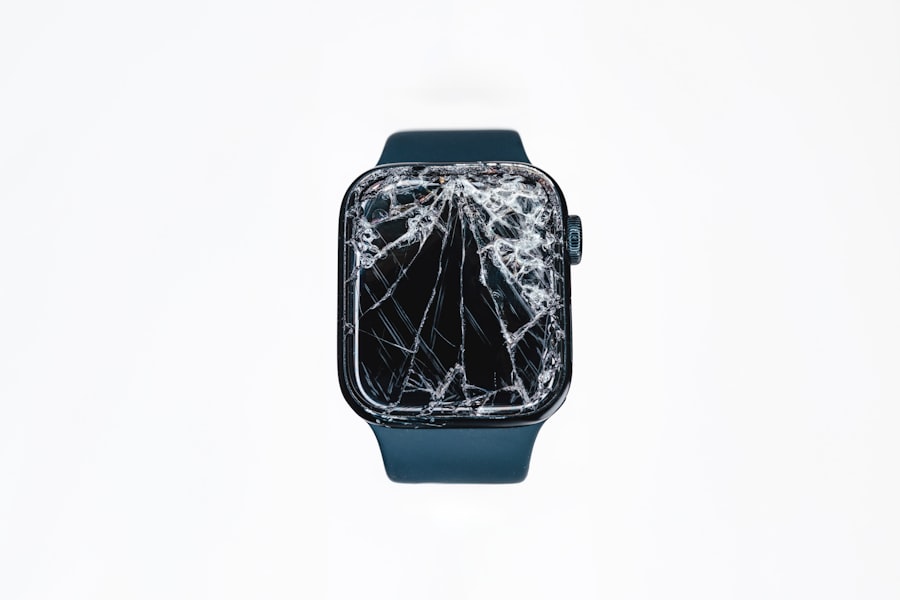
A variety of wearable devices have been developed specifically for chronic disease management, each tailored to address different health needs. One prominent example is the Apple Watch, which includes features such as heart rate monitoring, ECG capabilities, and fall detection. These functionalities are particularly useful for individuals with cardiovascular issues or those at risk of falls due to conditions like Parkinson’s disease.
The watch can alert users to irregular heart rhythms and even notify emergency services if a fall is detected, thereby providing an added layer of safety. Another noteworthy device is the Dexcom G6 Continuous Glucose Monitoring System, which is designed for individuals with diabetes. This device consists of a small sensor placed under the skin that continuously measures glucose levels and sends the data to a smartphone app.
Users receive real-time alerts when their glucose levels are too high or too low, enabling them to take immediate action. The Dexcom G6 not only simplifies glucose monitoring but also allows for better data sharing with healthcare providers, facilitating more informed treatment decisions.
How Wearable Tech Helps with Monitoring and Tracking Health Data
The ability to monitor and track health data in real-time is one of the most significant advantages of wearable technology. These devices collect a wide range of health metrics, including heart rate, blood pressure, oxygen saturation, and physical activity levels. This continuous data collection allows for a comprehensive view of an individual’s health status over time.
For instance, a patient with hypertension can use a wearable blood pressure monitor to track their readings throughout the day, providing valuable insights into how lifestyle factors such as stress or diet may be affecting their condition. Additionally, the integration of artificial intelligence (AI) and machine learning algorithms into wearable tech has enhanced the ability to analyze health data effectively. These technologies can identify patterns and predict potential health issues before they become critical.
For example, an AI-powered wearable might detect irregularities in heart rate patterns that could indicate an impending cardiac event, prompting users to seek medical attention proactively. This predictive capability not only improves individual health outcomes but also reduces the burden on healthcare systems by preventing hospitalizations.
The Role of Wearable Tech in Medication Adherence and Reminders
| Wearable Technology | Chronic Disease | Key Metrics Monitored | Impact on Disease Management | Example Devices |
|---|---|---|---|---|
| Continuous Glucose Monitors (CGMs) | Diabetes | Blood glucose levels, glucose trends | Improves glucose control, reduces hypoglycemia episodes, enables real-time insulin adjustments | Dexcom G6, FreeStyle Libre |
| Smartwatches with Heart Rate Monitors | Cardiovascular Disease | Heart rate, heart rate variability, ECG, arrhythmia detection | Early detection of arrhythmias, continuous heart monitoring, supports medication adherence | Apple Watch, Fitbit Sense |
| Wearable Blood Pressure Monitors | Hypertension | Blood pressure readings, pulse rate | Enables frequent monitoring, helps in medication titration, reduces risk of complications | Omron HeartGuide, Aktiia Bracelet |
| Activity Trackers | Chronic Obstructive Pulmonary Disease (COPD), Obesity | Steps, physical activity levels, sleep quality | Encourages physical activity, tracks rehabilitation progress, improves overall health outcomes | Fitbit Charge, Garmin Vivosmart |
| Wearable Respiratory Monitors | Asthma, COPD | Respiratory rate, oxygen saturation, inhaler usage | Monitors respiratory function, detects exacerbations early, supports medication adherence | Propeller Health, Spire Stone |
Medication adherence is a significant challenge in chronic disease management, with studies indicating that non-adherence can lead to worsening health outcomes and increased healthcare costs. Wearable technology plays a crucial role in addressing this issue by providing reminders and tracking medication intake. Many smartwatches and fitness trackers now include features that allow users to set medication reminders at specific times throughout the day.
These alerts can be customized based on individual schedules and preferences, ensuring that patients take their medications as prescribed. In addition to reminders, some wearable devices are equipped with medication tracking capabilities that allow users to log their intake directly through an app. This feature not only helps patients stay accountable but also provides healthcare providers with valuable data regarding adherence patterns.
For instance, if a patient consistently misses doses or takes medications at irregular intervals, healthcare professionals can intervene with tailored strategies to improve adherence.
The Impact of Wearable Tech on Lifestyle Changes and Behavior Modification
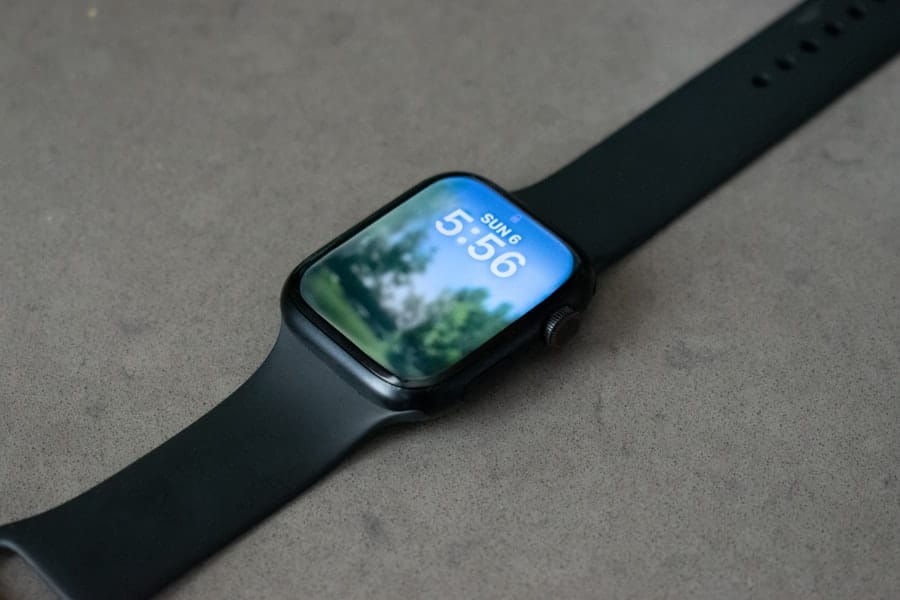
Wearable technology has proven effective in promoting lifestyle changes and behavior modification among individuals managing chronic diseases. By providing real-time feedback on health metrics, these devices encourage users to adopt healthier habits. For example, fitness trackers often include features that monitor physical activity levels and caloric expenditure, motivating users to increase their daily exercise routines.
Research has shown that individuals who use fitness trackers are more likely to meet their physical activity goals compared to those who do not use such devices. Moreover, wearables can facilitate dietary changes by allowing users to track their food intake and monitor nutritional values. Some devices are integrated with apps that provide insights into caloric consumption and macronutrient distribution, helping users make informed dietary choices.
For individuals with conditions like diabetes or obesity, this capability is particularly valuable as it empowers them to manage their weight and blood sugar levels more effectively. The combination of real-time data tracking and personalized feedback creates an environment conducive to sustained behavior change.
Challenges and Limitations of Wearable Tech in Chronic Disease Management
Despite the numerous benefits associated with wearable technology in chronic disease management, several challenges and limitations persist. One significant concern is the issue of data privacy and security. As wearables collect sensitive health information, there is a risk that this data could be accessed by unauthorized parties or misused by third-party companies for marketing purposes.
Patients may be hesitant to fully embrace these technologies if they feel their personal information is at risk. Another challenge lies in the accuracy and reliability of the data collected by wearable devices. While many wearables are designed with advanced sensors and algorithms, discrepancies can occur between device readings and clinical measurements taken by healthcare professionals.
For instance, a smartwatch may provide an inaccurate heart rate reading due to factors such as poor sensor placement or motion artifacts during exercise. Such inaccuracies can lead to misinterpretations of health status and potentially harmful decisions regarding treatment or lifestyle changes.
The Future of Wearable Tech in Chronic Disease Management
Looking ahead, the future of wearable technology in chronic disease management appears promising as innovations continue to emerge at a rapid pace. One potential development is the integration of advanced biosensors capable of monitoring additional health parameters beyond what current devices offer. For example, researchers are exploring the feasibility of wearables that can measure biomarkers related to inflammation or stress levels through non-invasive methods such as sweat analysis or skin temperature monitoring.
Furthermore, the convergence of wearable tech with telehealth services is likely to enhance patient care significantly. As remote consultations become more commonplace, healthcare providers can leverage real-time data from wearables during virtual appointments to make more informed decisions about treatment plans. This integration could lead to more personalized care tailored to individual patient needs while also improving access for those living in remote areas.
As wearable technology continues to evolve, it holds the potential not only to improve chronic disease management but also to revolutionize healthcare delivery as a whole. By empowering patients with real-time data and fostering greater collaboration between patients and providers, wearable tech may ultimately lead to better health outcomes and enhanced quality of life for individuals living with chronic conditions.
Wearable technology is revolutionizing the way we manage chronic diseases, providing patients with real-time data and insights that empower them to take control of their health. For those interested in how specific devices can enhance this experience, a related article on smartwatches can be found in our review of the latest models, which highlights features that are particularly beneficial for health monitoring. You can read more about it in our article on smartwatches.
FAQs
What types of wearable technology are commonly used for chronic disease management?
Wearable technologies used for chronic disease management include smartwatches, fitness trackers, continuous glucose monitors, heart rate monitors, and wearable blood pressure devices. These devices help track vital signs and health metrics in real-time.
How do wearable devices help in managing chronic diseases?
Wearable devices collect continuous health data such as heart rate, blood glucose levels, physical activity, and sleep patterns. This information helps patients and healthcare providers monitor disease progression, adjust treatments, and detect early warning signs of complications.
Can wearable technology improve patient outcomes in chronic disease management?
Yes, wearable technology can improve patient outcomes by enabling timely interventions, promoting medication adherence, encouraging lifestyle changes, and facilitating remote monitoring by healthcare professionals, which can reduce hospital visits and improve quality of life.
Are wearable devices suitable for all chronic diseases?
While wearable devices are beneficial for many chronic conditions such as diabetes, cardiovascular diseases, and respiratory disorders, their suitability depends on the specific disease, the type of data needed, and individual patient needs.
Is the data collected by wearable devices secure and private?
Most reputable wearable devices use encryption and comply with data protection regulations to ensure user data privacy and security. However, users should review privacy policies and choose devices from trusted manufacturers.
Do wearable devices require professional medical supervision?
Wearable devices are tools to support chronic disease management and should complement, not replace, professional medical advice. Patients should consult healthcare providers to interpret data and make informed treatment decisions.
How accurate are wearable devices in monitoring health metrics?
The accuracy of wearable devices varies by device type and manufacturer. Many devices provide clinically relevant data, but they may not be as precise as medical-grade equipment. Users should use them as supplementary tools rather than sole diagnostic devices.
Can wearable technology help reduce healthcare costs for chronic disease patients?
By enabling early detection of health issues, improving disease management, and reducing hospital admissions, wearable technology has the potential to lower overall healthcare costs for chronic disease patients.
Are wearable devices easy to use for elderly patients with chronic conditions?
Many wearable devices are designed with user-friendly interfaces suitable for elderly users. However, ease of use can vary, and some patients may require assistance or training to effectively use the technology.
What future developments are expected in wearable technology for chronic disease management?
Future developments include improved sensor accuracy, integration with artificial intelligence for predictive analytics, enhanced battery life, and more personalized health insights to further support chronic disease management.