

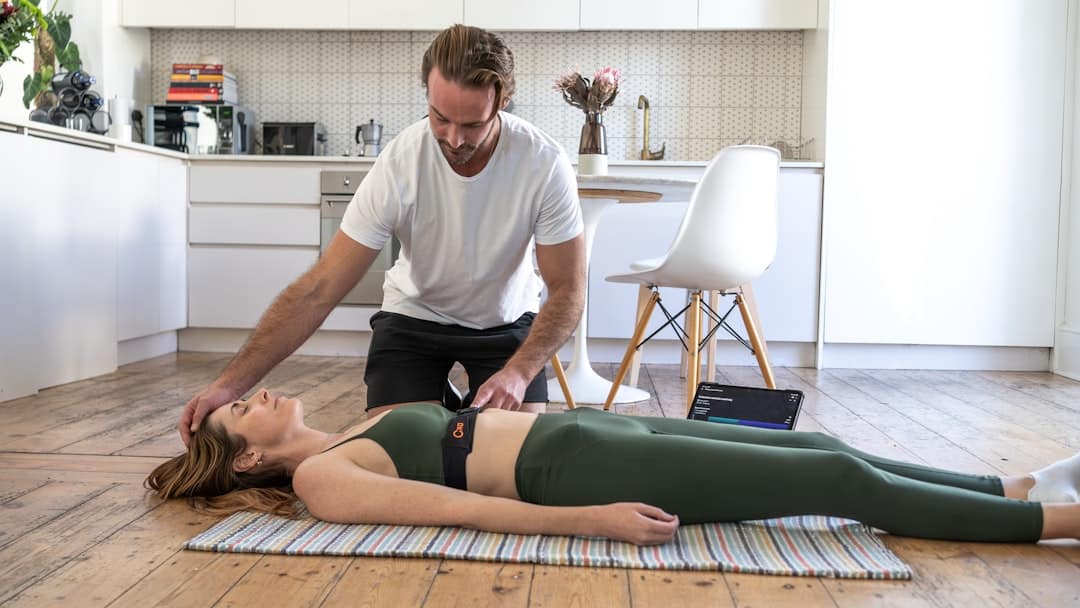
The convergence of technology and wellness has experienced substantial growth in recent years, with meditation and mindfulness applications leading this development. Wearable technology has fundamentally altered how people practice meditation, increasing accessibility and enabling customization of mindfulness experiences. Current devices include smartwatches, fitness trackers, and specialized meditation headbands that serve as both meditation facilitators and experience enhancers.
This development represents part of a larger societal trend toward technology integration in daily routines, where digital tools increasingly support mental health objectives. Several factors drive the expansion of wearable technology in meditation applications. Increased awareness of mental health challenges has motivated individuals to pursue effective stress reduction and emotional regulation methods.
As mindfulness practices gain mainstream acceptance, demand for supporting tools has increased correspondingly. Wearable devices provide real-time biometric feedback and progress tracking capabilities, enabling users to monitor their development and modify their practices based on objective data. This quantitative approach resonates with technology-oriented users who prioritize measurable outcomes, establishing a framework where mindfulness becomes both a practice and a trackable component of daily wellness routines.
Key Takeaways
- Wearable technology is increasingly popular for enhancing meditation and mindfulness practices.
- These devices track physiological signals to measure meditation effectiveness and mindfulness levels.
- Wearable tech supports guided meditation programs by providing real-time feedback and personalized guidance.
- Users can customize their mindfulness routines based on data insights from wearable devices.
- Despite benefits, challenges like accuracy and user engagement remain, but future advancements promise more personalized experiences.
How Wearable Tech Tracks and Measures Meditation and Mindfulness Practices
Wearable technology has revolutionized the way practitioners track and measure their meditation and mindfulness practices. Many devices are equipped with sensors that monitor physiological indicators such as heart rate variability, skin conductance, and even brainwave activity. For instance, devices like the Muse headband utilize EEG sensors to provide insights into brain activity during meditation sessions.
By analyzing these metrics, users can gain a deeper understanding of their mental states and how they fluctuate throughout their practice. Moreover, wearable tech often incorporates algorithms that interpret the collected data, offering personalized feedback and recommendations. For example, some fitness trackers can detect when a user is in a meditative state based on changes in heart rate and breathing patterns.
This information can be invaluable for practitioners looking to refine their techniques or identify which methods yield the best results for them. By providing tangible metrics, wearable devices empower users to take ownership of their mindfulness journey, fostering a sense of accountability and motivation.
The Role of Wearable Tech in Guided Meditation and Mindfulness Programs
Guided meditation has become a popular entry point for many individuals exploring mindfulness practices. Wearable technology plays a crucial role in enhancing these guided experiences by providing users with tailored content that aligns with their personal needs and preferences. Many meditation apps are now compatible with wearable devices, allowing users to receive real-time feedback while following guided sessions.
This integration creates a seamless experience where users can focus on their practice without being distracted by external factors.
For instance, if a user’s heart rate indicates heightened stress levels during a session, the device may suggest a more calming meditation or breathing exercise to help them regain composure.
This dynamic approach not only enriches the guided experience but also fosters a deeper connection between the user and their practice. By leveraging technology to provide immediate support, wearables can help individuals navigate their mindfulness journeys more effectively.
Customizing Meditation and Mindfulness Practices with Wearable Tech
One of the most significant advantages of wearable technology in meditation is its ability to facilitate customization. Each individual’s mindfulness journey is unique, influenced by personal preferences, goals, and challenges. Wearable devices allow users to tailor their meditation practices to suit their specific needs.
For example, some devices enable users to select different meditation styles—such as loving-kindness, body scan, or breath awareness—based on what resonates most with them at any given time. Furthermore, wearables can track user preferences over time, learning which techniques yield the best results for each individual. This data-driven personalization can lead to more effective practices as users are encouraged to engage with methods that align with their emotional states or stress levels.
For instance, if a user consistently finds solace in guided imagery during stressful periods, the device may prioritize this technique in future recommendations. This level of customization not only enhances the effectiveness of meditation but also fosters a sense of agency in users as they curate their mindfulness experiences.
Integrating Wearable Tech into Daily Mindfulness Routines
| Metric | Description | Impact on Meditation and Mindfulness |
|---|---|---|
| Heart Rate Variability (HRV) | Measures the variation in time between heartbeats | Helps users monitor stress levels and optimize meditation sessions |
| Breathing Rate | Tracks the number of breaths per minute | Guides users to maintain calm and focused breathing patterns |
| Galvanic Skin Response (GSR) | Measures skin conductivity related to sweat gland activity | Indicates emotional arousal and helps tailor mindfulness exercises |
| Sleep Quality | Monitors sleep stages and duration | Improves mindfulness by ensuring restorative rest and recovery |
| Real-time Feedback | Provides immediate data on physiological states | Enables personalized adjustments during meditation for better outcomes |
| Session Duration Tracking | Records length of meditation or mindfulness practice | Encourages consistency and progress monitoring |
| Stress Level Index | Aggregates multiple biometric signals to estimate stress | Helps users identify stress triggers and manage them effectively |
The integration of wearable technology into daily mindfulness routines represents a significant shift in how individuals approach their mental well-being. Rather than viewing meditation as a standalone practice reserved for specific times of day, wearables encourage users to incorporate mindfulness into their everyday lives. For instance, many devices offer reminders or prompts throughout the day to engage in short mindfulness exercises or breathing techniques.
This constant nudge can help individuals cultivate a more mindful mindset in various situations—whether at work, during commutes, or while engaging in daily chores. Moreover, wearables can facilitate micro-meditation sessions that fit seamlessly into busy schedules. With features that allow users to engage in brief mindfulness practices lasting just a few minutes, individuals can easily find opportunities to pause and recalibrate throughout their day.
This approach not only makes mindfulness more accessible but also reinforces the idea that even small moments of awareness can contribute significantly to overall mental well-being.
The Impact of Wearable Tech on Personalized Meditation and Mindfulness Experiences

The impact of wearable technology on personalized meditation experiences cannot be overstated. By providing real-time feedback and insights into physiological responses, wearables empower users to make informed decisions about their practices. This personalization extends beyond mere tracking; it encompasses an entire ecosystem where users can explore various techniques and approaches tailored to their unique needs.
This social aspect can enhance motivation and accountability while providing opportunities for shared learning and support. Additionally, many devices are designed to evolve alongside users’ journeys, adapting recommendations based on changing preferences or progress over time.
This dynamic relationship between technology and user experience fosters a sense of growth and exploration within the realm of meditation and mindfulness.
Challenges and Limitations of Wearable Tech in Meditation and Mindfulness
Despite the numerous benefits associated with wearable technology in meditation and mindfulness practices, several challenges and limitations persist. One significant concern is the potential for over-reliance on technology. While wearables can provide valuable insights and support, there is a risk that users may become too focused on metrics rather than the intrinsic value of their practice.
This fixation on data could detract from the essence of mindfulness—being present in the moment without judgment or distraction. Additionally, not all wearables are created equal; variations in accuracy and reliability can impact user experiences. For instance, discrepancies in heart rate monitoring or stress level assessments may lead to misleading conclusions about one’s mental state during meditation.
Furthermore, privacy concerns surrounding data collection and sharing are paramount; users must be aware of how their information is being used and stored by manufacturers. These challenges highlight the need for a balanced approach that embraces technology while remaining grounded in the core principles of mindfulness.
The Future of Wearable Tech in Personalizing Meditation and Mindfulness
Looking ahead, the future of wearable technology in personalizing meditation and mindfulness practices appears promising yet complex. As advancements in artificial intelligence and machine learning continue to evolve, we can expect even more sophisticated algorithms capable of providing deeper insights into individual behaviors and preferences. This evolution may lead to hyper-personalized experiences where wearables not only track physiological responses but also adapt content based on emotional states or environmental factors.
Moreover, as society becomes increasingly aware of mental health’s importance, we may see greater integration between wearable tech and mental health professionals. Collaborations between tech companies and mental health experts could result in innovative solutions that bridge the gap between technology and therapeutic practices. Such partnerships could enhance the efficacy of mindfulness programs while ensuring that users receive comprehensive support tailored to their unique needs.
In conclusion, while challenges remain, the potential for wearable technology to revolutionize meditation and mindfulness practices is undeniable. As we navigate this evolving landscape, it will be essential to strike a balance between leveraging technological advancements and preserving the fundamental principles that underpin mindfulness—awareness, presence, and acceptance.
In exploring the intersection of technology and wellness, the article on how wearable tech is personalizing meditation and mindfulness highlights the innovative ways these devices enhance our mental health practices. For further insights into the impact of technology on personal experiences, you might find the article on the best AI video generator software particularly interesting, as it discusses how AI can create tailored content that resonates with individual preferences, much like how wearables adapt mindfulness practices to suit personal needs.
FAQs
What is wearable technology in the context of meditation and mindfulness?
Wearable technology for meditation and mindfulness refers to devices such as smartwatches, fitness trackers, and specialized headbands that monitor physiological signals like heart rate, brain waves, and breathing patterns to help users enhance their meditation practice.
How does wearable tech personalize meditation experiences?
Wearable tech personalizes meditation by collecting real-time data on the user’s physical and mental state, then providing customized feedback, guided sessions, or biofeedback to improve focus, relaxation, and mindfulness based on individual needs.
What types of sensors are commonly used in meditation wearables?
Common sensors include heart rate monitors, electroencephalogram (EEG) sensors for brain activity, galvanic skin response (GSR) sensors for stress levels, and accelerometers to track movement and posture during meditation.
Can wearable devices help beginners learn meditation?
Yes, wearable devices often include guided meditation programs and real-time feedback that can assist beginners in developing proper techniques and maintaining focus, making meditation more accessible and effective.
Are wearable meditation devices suitable for all age groups?
Most wearable meditation devices are designed for adults and older teens, but some are suitable for children with parental guidance. It is important to check the manufacturer’s recommendations for age suitability.
Do wearable meditation devices require an internet connection?
Many wearable devices can function offline for basic tracking and feedback, but some features like guided sessions, updates, and cloud data syncing may require an internet connection.
How accurate are wearable devices in measuring mindfulness and meditation progress?
While wearable devices provide useful insights through physiological data, they are not perfect and should be used as complementary tools alongside traditional meditation practices. Accuracy can vary depending on the device and sensor quality.
Can wearable tech help reduce stress and anxiety?
Yes, by providing real-time feedback and guided mindfulness exercises, wearable tech can help users manage stress and anxiety more effectively through improved self-awareness and relaxation techniques.
Are there any privacy concerns with using wearable meditation devices?
Since wearable devices collect sensitive physiological and personal data, users should review privacy policies and ensure data is stored securely. Choosing reputable brands with strong data protection measures is recommended.
What are some popular brands or devices for meditation and mindfulness wearables?
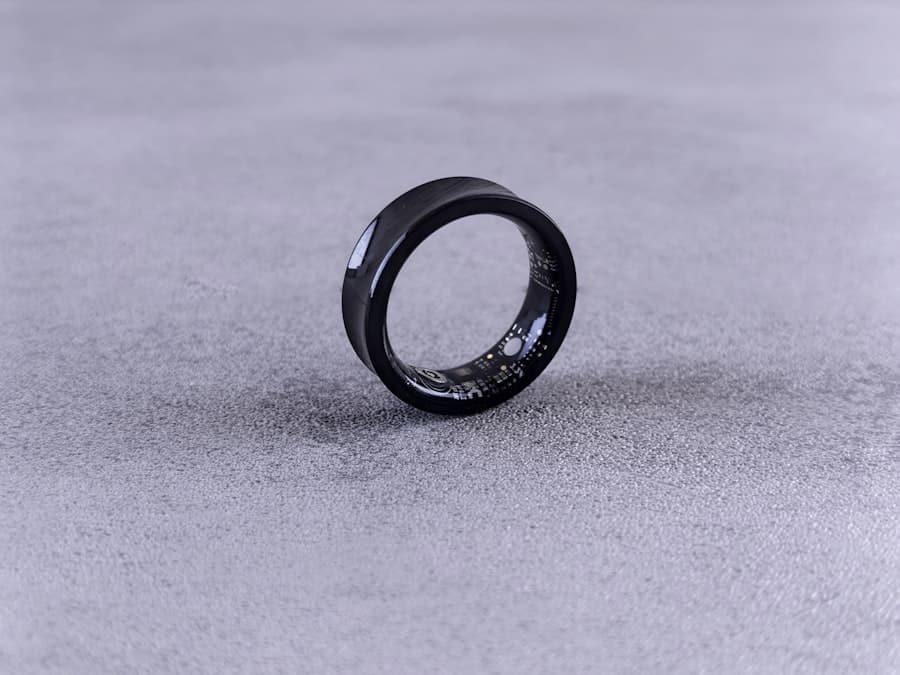
Popular devices include the Muse headband, Fitbit smartwatches with mindfulness apps, Apple Watch with Breathe app, and Oura Ring, all of which offer features to support meditation and mindfulness practices.