

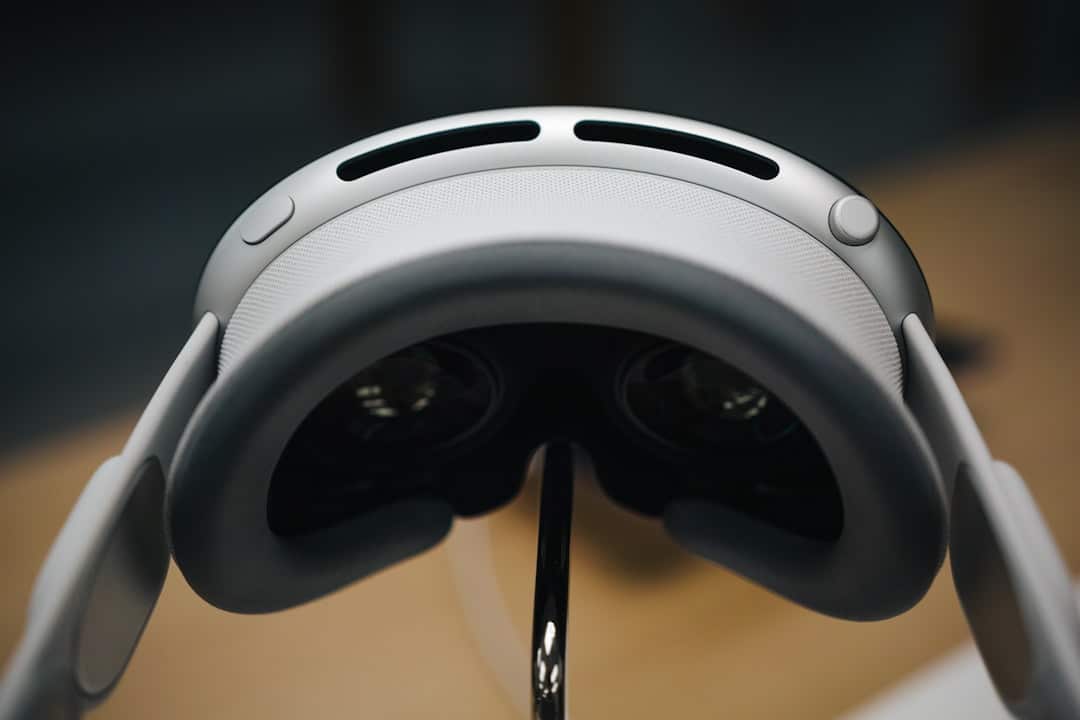
The advent of wearable technology has ushered in a new era in sports performance analytics, fundamentally altering how athletes train, compete, and recover. These devices, which range from smartwatches to specialized sensors embedded in clothing, provide real-time data that can be analyzed to enhance athletic performance. The integration of wearable tech into sports is not merely a trend; it represents a significant shift towards data-driven decision-making in athletic training and performance evaluation.
As athletes and coaches increasingly rely on empirical data, the potential for optimizing performance and minimizing injury becomes more pronounced. Wearable technology encompasses a variety of devices designed to monitor physiological metrics such as heart rate, body temperature, and movement patterns. These devices collect vast amounts of data that can be analyzed to provide insights into an athlete’s physical condition and performance capabilities.
For instance, heart rate monitors can help determine an athlete’s cardiovascular fitness, while accelerometers can track movement efficiency and biomechanics. This wealth of information allows coaches and trainers to tailor training regimens to individual needs, ultimately leading to improved performance outcomes.
Key Takeaways
- Wearable technology is transforming athlete monitoring by providing real-time data on performance and health metrics.
- Injury prevention and recovery are enhanced through continuous tracking and early detection of risk factors.
- Training programs are optimized using detailed analytics from wearable devices to boost athlete performance.
- Integration of wearable tech in team sports enables advanced game analysis and strategic decision-making.
- Despite challenges like data accuracy and privacy, wearable tech holds significant potential to revolutionize sports performance analytics.
The Impact of Wearable Tech on Athlete Monitoring and Tracking
The impact of wearable technology on athlete monitoring and tracking is profound, as it enables a level of precision previously unattainable in sports. By continuously collecting data during training sessions and competitions, these devices allow for real-time monitoring of an athlete’s physiological state. For example, devices like the WHOOP strap or Garmin watches provide insights into sleep quality, recovery status, and exertion levels, which are critical for optimizing training loads.
This continuous feedback loop empowers athletes to make informed decisions about their training intensity and recovery strategies. Moreover, the ability to track performance metrics over time has transformed how athletes approach their training. Coaches can analyze trends in an athlete’s performance data, identifying patterns that may indicate fatigue or overtraining.
For instance, if an athlete’s heart rate variability decreases consistently over several weeks, it may signal that they are not recovering adequately between sessions. This data-driven approach allows for proactive adjustments to training plans, ensuring that athletes remain at peak performance levels while minimizing the risk of burnout or injury.
How Wearable Tech is Revolutionizing Injury Prevention and Recovery

Injury prevention is one of the most critical aspects of athletic training, and wearable technology plays a pivotal role in this domain. By providing detailed insights into biomechanics and movement patterns, these devices can help identify potential injury risks before they manifest. For example, motion sensors embedded in footwear or clothing can analyze an athlete’s gait and detect abnormalities that may predispose them to injuries such as sprains or strains.
This proactive approach allows trainers to implement corrective measures before injuries occur. Recovery is another area where wearable tech has made significant strides. Devices equipped with recovery monitoring features can assess an athlete’s readiness to train based on various physiological markers.
For instance, the Oura Ring tracks sleep patterns and heart rate variability to provide insights into recovery status. Athletes can use this information to determine when they are ready to resume intense training or when they should prioritize rest. This personalized approach to recovery not only enhances performance but also contributes to long-term athlete health by reducing the likelihood of chronic injuries.
The Role of Wearable Tech in Enhancing Training and Performance
Wearable technology has become an indispensable tool for enhancing training and performance across various sports disciplines. By providing athletes with immediate feedback on their performance metrics, these devices facilitate a more targeted approach to training. For instance, in sports like running or cycling, GPS-enabled wearables can track distance, pace, and elevation changes, allowing athletes to analyze their performance in real-time.
This immediate feedback enables athletes to adjust their efforts during training sessions, optimizing their performance outcomes. Furthermore, wearable tech fosters a culture of accountability among athletes. With access to detailed performance data, athletes are more likely to take ownership of their training regimens.
This level of engagement not only enhances motivation but also encourages athletes to adopt a more scientific approach to their training.
The Integration of Wearable Tech in Team Sports and Game Analysis
| Metric | Description | Impact on Sports Performance | Example Wearable Technology |
|---|---|---|---|
| Heart Rate Monitoring | Tracks athlete’s heart rate in real-time | Helps optimize training intensity and recovery | Chest straps, wrist-based heart rate monitors |
| GPS Tracking | Measures distance, speed, and positioning | Analyzes movement patterns and workload | GPS-enabled smartwatches, tracking vests |
| Accelerometry | Detects acceleration and deceleration forces | Assesses explosive power and fatigue levels | Inertial measurement units (IMUs), smart insoles |
| Biomechanical Analysis | Monitors joint angles and body posture | Improves technique and reduces injury risk | Motion capture suits, smart clothing |
| Sleep Tracking | Records sleep duration and quality | Supports recovery and performance optimization | Wearable sleep trackers, smart rings |
| Muscle Oxygen Saturation (SmO2) | Measures oxygen levels in muscles | Monitors endurance and fatigue during exercise | Near-infrared spectroscopy (NIRS) sensors |
| Stress and Recovery Metrics | Analyzes heart rate variability and cortisol levels | Guides training load and mental readiness | Wearables with HRV sensors, biosensors |
In team sports, the integration of wearable technology has revolutionized game analysis and strategy development. Coaches can utilize data collected from players during practices and games to gain insights into team dynamics and individual contributions. For example, tracking metrics such as distance covered, sprint speed, and player positioning allows coaches to evaluate player performance comprehensively.
This data-driven analysis can inform tactical decisions during games, such as substitutions or adjustments in formation. Moreover, wearable tech facilitates enhanced communication between players and coaching staff. With real-time data available during games, coaches can make informed decisions based on player performance metrics rather than relying solely on subjective observations.
For instance, if a player’s heart rate indicates they are nearing exhaustion, a coach may choose to substitute them before fatigue impacts their performance negatively. This integration of technology into team sports not only enhances game strategy but also fosters a more collaborative environment where players are actively involved in their performance analysis.
The Future of Wearable Tech in Sports Performance Analytics
The future of wearable technology in sports performance analytics is poised for remarkable advancements as technology continues to evolve. Innovations such as artificial intelligence (AI) and machine learning are expected to play a significant role in enhancing the capabilities of wearable devices. These technologies can analyze vast datasets more efficiently than ever before, identifying patterns and trends that may not be immediately apparent to human analysts.
As AI algorithms become more sophisticated, they will enable predictive analytics that can forecast an athlete’s performance trajectory based on historical data. Additionally, the miniaturization of sensors and improvements in battery life will lead to even more versatile wearable devices. Future wearables may be seamlessly integrated into everyday clothing or even embedded within the athlete’s skin through biocompatible materials.
This level of integration would allow for continuous monitoring without the need for bulky devices or frequent charging. As these technologies develop, the potential for personalized training regimens tailored to an athlete’s unique physiological responses will become increasingly attainable.
Challenges and Limitations of Wearable Tech in Sports Performance Analytics
Despite the numerous benefits associated with wearable technology in sports performance analytics, several challenges and limitations persist. One significant concern is the accuracy and reliability of the data collected by these devices. Variability in sensor calibration, environmental factors, and individual differences among athletes can lead to discrepancies in data interpretation.
For instance, heart rate monitors may produce inaccurate readings during high-intensity activities due to motion artifacts or poor sensor placement. Another challenge lies in the interpretation of the vast amounts of data generated by wearable devices. While having access to extensive datasets is advantageous, it can also overwhelm coaches and athletes who may lack the expertise to analyze this information effectively.
The risk of misinterpretation could lead to misguided training decisions or unnecessary anxiety among athletes regarding their performance metrics. Therefore, it is crucial for teams and organizations to invest in education and training for coaches and athletes alike to ensure they can leverage this technology effectively.
The Potential of Wearable Tech to Transform Sports Performance Analysis
The potential of wearable technology to transform sports performance analysis is immense, offering unprecedented insights into athlete monitoring, injury prevention, training enhancement, and game strategy development. As these technologies continue to evolve and integrate into various aspects of athletic training and competition, they will undoubtedly reshape how athletes prepare for success on the field or court. However, addressing the challenges associated with data accuracy and interpretation will be essential for maximizing the benefits of wearable tech in sports.
As we look ahead, it is clear that the intersection of technology and athletics will continue to deepen, paving the way for innovations that enhance not only individual performance but also the overall landscape of competitive sports. The journey towards fully harnessing the power of wearable technology is ongoing; however, its impact on sports performance analytics is already profound and will only grow in significance as we move forward into an increasingly data-driven future.
Wearable technology is revolutionizing the way athletes analyze and improve their performance, providing real-time data that can lead to significant enhancements in training and competition. For those interested in how smart devices are shaping the future of sports, a related article on smartwatches can provide further insights into the capabilities of these technologies. You can read more about it in this Xiaomi smartwatch review, which explores features that can aid athletes in tracking their performance metrics effectively.
FAQs
What is wearable technology in sports?
Wearable technology in sports refers to electronic devices worn by athletes that collect data on various physical and physiological parameters. These devices can include smartwatches, fitness trackers, heart rate monitors, GPS trackers, and motion sensors designed to monitor performance and health metrics.
How does wearable tech improve sports performance analytics?
Wearable tech improves sports performance analytics by providing real-time, accurate data on an athlete’s movements, biometrics, and workload. This data helps coaches and athletes analyze performance, identify strengths and weaknesses, prevent injuries, and tailor training programs for optimal results.
What types of data do wearable devices collect in sports?
Wearable devices collect a variety of data including heart rate, speed, distance covered, acceleration, deceleration, body temperature, muscle activity, sleep patterns, and GPS location. This comprehensive data helps in understanding an athlete’s physical condition and performance trends.
Are wearable devices used by professional athletes only?
No, wearable devices are used by athletes at all levels, from amateurs to professionals. While professional teams often have access to advanced technology, many consumer-grade wearables are available for recreational athletes to monitor and improve their performance.
Can wearable tech help prevent sports injuries?
Yes, wearable technology can help prevent injuries by monitoring workload, fatigue levels, and biomechanical patterns. Early detection of abnormal stress or movement patterns allows for timely intervention, reducing the risk of overuse injuries and improving recovery strategies.
Is the data from wearable tech reliable for sports analytics?
Data from wearable tech is generally reliable, especially when using high-quality, sport-specific devices. However, accuracy can vary depending on the device, sensor placement, and environmental factors. Continuous improvements in technology are enhancing data precision.
How is wearable tech data used by coaches and trainers?
Coaches and trainers use wearable tech data to design personalized training plans, monitor athlete progress, adjust workloads, and make informed decisions about rest and recovery. The data also aids in tactical analysis and performance optimization during competitions.
What are some examples of wearable tech used in sports?
Examples include GPS trackers for tracking movement and positioning, heart rate monitors for cardiovascular data, inertial measurement units (IMUs) for motion analysis, smart clothing with embedded sensors, and smartwatches that combine multiple functions.
Does wearable technology impact team sports differently than individual sports?
Wearable technology benefits both team and individual sports by providing performance insights. In team sports, it also helps analyze team dynamics, player interactions, and tactical execution, while in individual sports, it focuses more on personal performance metrics and technique refinement.
What future developments are expected in wearable tech for sports?
Future developments may include more advanced biometric sensors, improved data integration with AI and machine learning for predictive analytics, enhanced comfort and durability of devices, and greater real-time feedback capabilities to further optimize athlete performance and health.