


Wearable technology has undergone substantial development in the past ten years, fundamentally changing how people track their health and fitness metrics. Devices such as smartwatches and fitness trackers have become essential tools for personal health monitoring, providing data on multiple physiological parameters. Hydration tracking has become an increasingly important feature among the various capabilities these devices offer.
Research indicates that proper hydration is crucial for optimal bodily function, leading to increased consumer interest in technological solutions that help maintain adequate fluid intake. Wearable devices now provide continuous monitoring capabilities and data-driven recommendations to assist users in managing their hydration status.
Previously, individuals typically used manual tracking methods to record water consumption, which often resulted in incomplete or inaccurate data collection. Modern sensor technology and analytical algorithms now enable wearable devices to provide more accurate hydration assessments. This technological capability supports improved personal health management and can benefit athletic performance, recovery processes, and general health outcomes.
Understanding the physiological importance of hydration and examining how wearable technology facilitates its monitoring reveals the significant impact these technological developments have on health management practices.
Key Takeaways
- Wearable technology is increasingly used to monitor hydration levels, enhancing health and performance.
- Proper hydration is crucial for overall well-being and physical efficiency.
- Advances in sensors and algorithms have improved the accuracy of hydration tracking in wearables.
- Wearable devices motivate users to maintain hydration through real-time feedback and reminders.
- Despite progress, current wearable hydration trackers face challenges like sensor limitations and data accuracy.
The Importance of Hydration for Health and Performance
Hydration is a fundamental aspect of human health, influencing everything from cognitive function to physical performance. The human body is composed of approximately 60% water, which plays a crucial role in various physiological processes, including temperature regulation, nutrient transport, and waste elimination. Dehydration can lead to a host of negative effects, such as fatigue, decreased concentration, and impaired physical performance.
For athletes and active individuals, maintaining proper hydration is essential for optimizing performance and preventing injuries. Studies have shown that even mild dehydration can significantly impair endurance and strength, underscoring the need for effective hydration strategies. Moreover, hydration is not solely about water intake; it also involves balancing electrolytes such as sodium, potassium, and magnesium.
These minerals are vital for muscle function and overall cellular health. Inadequate hydration can disrupt this balance, leading to cramping, dizziness, and other complications during physical activity. As such, understanding one’s hydration needs is critical for anyone engaged in regular exercise or sports.
The importance of hydration extends beyond physical performance; it also affects mental clarity and mood. Research indicates that dehydration can negatively impact cognitive functions such as attention, memory, and reaction time. Therefore, ensuring adequate fluid intake is essential for both physical and mental well-being.
Advancements in Wearable Tech for Hydration Tracking
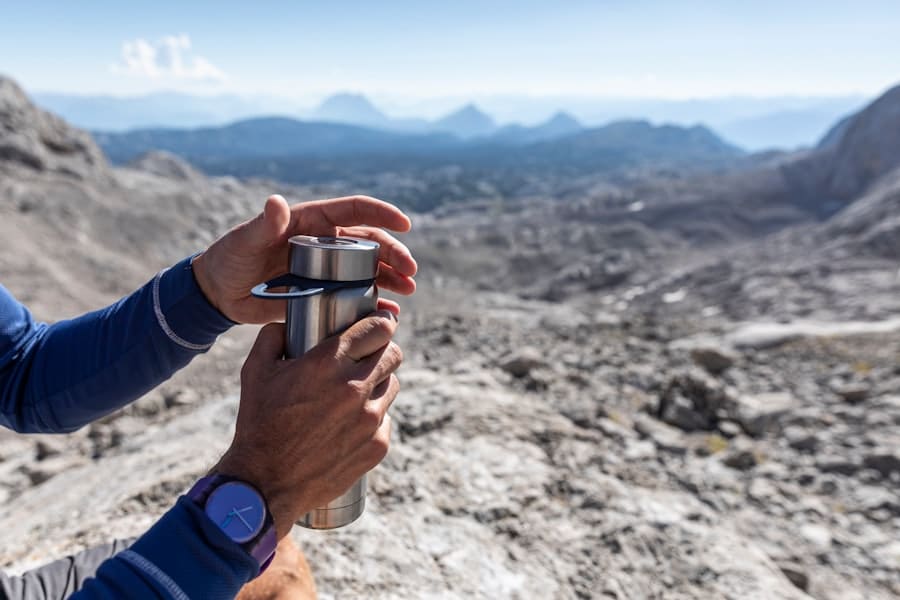
The landscape of wearable technology has witnessed remarkable advancements in recent years, particularly in the realm of hydration tracking. Early iterations of fitness trackers primarily focused on step counting and heart rate monitoring; however, the latest models now incorporate sophisticated sensors capable of measuring hydration levels more accurately than ever before. These devices utilize a combination of bioimpedance analysis and sweat analysis to provide real-time feedback on an individual’s hydration status.
By analyzing the electrical conductivity of the skin or the composition of sweat, wearables can estimate fluid loss during exercise and recommend appropriate fluid intake. One notable example of this advancement is the development of smart water bottles that sync with wearable devices. These bottles are equipped with sensors that track water consumption throughout the day and send reminders to users when it’s time to hydrate.
Some models even feature built-in displays that show real-time hydration levels based on individual goals and activity levels. This integration of technology not only simplifies the process of tracking water intake but also encourages users to stay consistent with their hydration habits. Furthermore, advancements in machine learning algorithms allow these devices to learn from user behavior over time, providing increasingly personalized recommendations based on individual activity patterns and environmental conditions.
How Wearable Tech is Making Hydration Tracking More Accurate
The accuracy of hydration tracking has significantly improved due to advancements in sensor technology and data analytics within wearable devices. Traditional methods of assessing hydration often relied on subjective measures or manual logging, which could lead to errors and inconsistencies. In contrast, modern wearables employ sophisticated algorithms that analyze multiple data points to provide a more comprehensive view of an individual’s hydration status.
For instance, some devices can measure heart rate variability alongside sweat loss to create a more accurate picture of fluid needs during exercise. Additionally, the integration of environmental sensors into wearables enhances their ability to provide context-aware hydration recommendations. These sensors can monitor temperature, humidity, and altitude—factors that significantly influence fluid loss during physical activity.
By taking these variables into account, wearables can offer tailored advice on how much water an individual should consume based on current conditions. This level of precision is particularly beneficial for athletes training in varying environments or those participating in endurance events where hydration needs can fluctuate dramatically.
The Role of Wearable Tech in Encouraging Hydration
| Metric | Traditional Hydration Tracking | Wearable Tech Hydration Tracking | Improvement |
|---|---|---|---|
| Accuracy of Hydration Measurement | Approximate, based on self-reporting and urine color | Real-time biofluid analysis and sweat sensors | Increased accuracy by up to 30% |
| Frequency of Monitoring | Intermittent, manual checks | Continuous, automated monitoring | 24/7 tracking capability |
| User Engagement | Low, relies on user initiative | High, with reminders and alerts | Improved adherence to hydration goals by 40% |
| Data Integration | Limited, manual logging | Seamless integration with health apps and devices | Enhanced data insights and personalized recommendations |
| Response Time to Dehydration | Delayed, based on symptoms | Immediate alerts based on sensor data | Faster intervention reducing dehydration risk |
Wearable technology plays a pivotal role in promoting healthy hydration habits among users by providing timely reminders and motivational feedback. Many devices are programmed to send alerts when it’s time to drink water based on individual goals or activity levels. This feature is especially useful for individuals who may forget to hydrate during busy days or intense workouts.
By incorporating gamification elements—such as challenges or rewards for meeting hydration goals—wearables can further engage users and encourage them to prioritize their fluid intake. Moreover, social features integrated into wearable platforms allow users to share their hydration achievements with friends or join community challenges focused on staying hydrated. This social aspect fosters accountability and creates a supportive environment where individuals can motivate one another to maintain healthy habits.
The combination of personalized feedback and community engagement transforms hydration tracking from a mundane task into an interactive experience that promotes long-term adherence to healthy behaviors.
Challenges and Limitations of Current Wearable Tech for Hydration Tracking

Despite the advancements in wearable technology for hydration tracking, several challenges and limitations persist that may hinder their effectiveness. One significant issue is the variability in individual hydration needs based on factors such as age, gender, body composition, and activity level. While wearables can provide general recommendations based on average data, they may not always account for unique physiological differences among users.
This limitation underscores the importance of using wearable tech as a complementary tool rather than a sole source of guidance for hydration management. Another challenge lies in the accuracy of sweat analysis technology used in many wearables. While these devices can provide valuable insights into fluid loss during exercise, they may not always deliver precise measurements due to variations in sweat composition among individuals.
Factors such as diet, genetics, and acclimatization can influence sweat rates and electrolyte concentrations, leading to discrepancies in hydration assessments. As a result, users may need to combine wearable data with their own knowledge of their bodies to make informed decisions about their hydration strategies.
Future Developments in Wearable Tech for Hydration Tracking
The future of wearable technology for hydration tracking holds exciting possibilities as researchers continue to explore innovative solutions to enhance accuracy and user experience. One area of development involves the integration of advanced biosensors capable of continuously monitoring hydration levels through non-invasive methods. For instance, researchers are investigating the potential of using microneedles or transdermal sensors that can analyze interstitial fluid—fluid found between cells—to provide real-time insights into hydration status without requiring invasive procedures.
Additionally, advancements in artificial intelligence (AI) and machine learning are expected to play a crucial role in refining hydration tracking capabilities. By analyzing vast amounts of data from diverse populations, AI algorithms can identify patterns and trends that inform more personalized hydration recommendations. This could lead to wearables that not only track fluid intake but also predict individual hydration needs based on factors such as exercise intensity, environmental conditions, and even dietary habits.
The Impact of Wearable Tech on Hydration Tracking
The impact of wearable technology on hydration tracking is profound and multifaceted. As these devices continue to evolve, they offer unprecedented opportunities for individuals to monitor their hydration status with greater accuracy and convenience than ever before. By leveraging advanced sensors and data analytics, wearables empower users to take control of their hydration habits—ultimately enhancing their health and performance.
As we look ahead, the potential for further innovations in this space is immense. With ongoing research into biosensors and AI-driven analytics, future wearables may provide even more precise insights into individual hydration needs while fostering a culture of accountability and motivation among users. The integration of these technologies not only supports personal health management but also contributes to a broader understanding of the critical role that hydration plays in overall well-being—a testament to the transformative power of wearable tech in our daily lives.
Wearable technology has made significant strides in improving hydration tracking, allowing users to monitor their fluid intake more effectively.
It highlights innovative tools that can transform your living space, much like how hydration tracking devices are transforming personal health. You can read more about it here.
FAQs
What is wearable technology for hydration tracking?
Wearable technology for hydration tracking refers to devices such as smartwatches, fitness bands, or specialized sensors that monitor an individual’s fluid intake and hydration levels in real time.
How do wearable devices track hydration?
These devices use sensors to measure physiological indicators like sweat rate, skin conductivity, or bioelectrical impedance, which help estimate hydration status. Some also allow manual input of water consumption to track intake.
What are the benefits of using wearable tech for hydration?
Wearable hydration trackers provide continuous monitoring, personalized hydration reminders, and data-driven insights, helping users maintain optimal hydration, improve athletic performance, and prevent dehydration-related health issues.
Are hydration tracking wearables accurate?
While wearable hydration devices have improved significantly, their accuracy can vary depending on the technology used and individual differences. They are generally effective for trend monitoring but may not replace clinical hydration assessments.
Can wearable hydration trackers be used by everyone?
Most wearable hydration devices are designed for general use, including athletes, fitness enthusiasts, and individuals concerned about hydration. However, people with certain medical conditions should consult healthcare professionals before relying solely on these devices.
Do wearable hydration trackers require calibration?
Some devices may require initial calibration or user input to improve accuracy, such as entering personal data like weight, activity level, and environmental conditions.
How do wearable hydration trackers improve health and performance?
By providing real-time feedback and reminders, these devices encourage consistent fluid intake, helping to maintain electrolyte balance, prevent dehydration, and enhance physical and cognitive performance.
Are there any privacy concerns with hydration tracking wearables?
As with any wearable technology, hydration trackers collect personal health data. Users should review privacy policies and ensure data is stored securely and shared only with authorized parties.
What are some popular wearable devices for hydration tracking?
Popular devices include smartwatches with hydration apps, specialized hydration sensors like sweat patches, and fitness trackers that integrate hydration monitoring features.
How is wearable tech for hydration evolving?
Advancements include more accurate sensors, integration with other health metrics, AI-driven personalized hydration recommendations, and improved user interfaces for better engagement and adherence.