

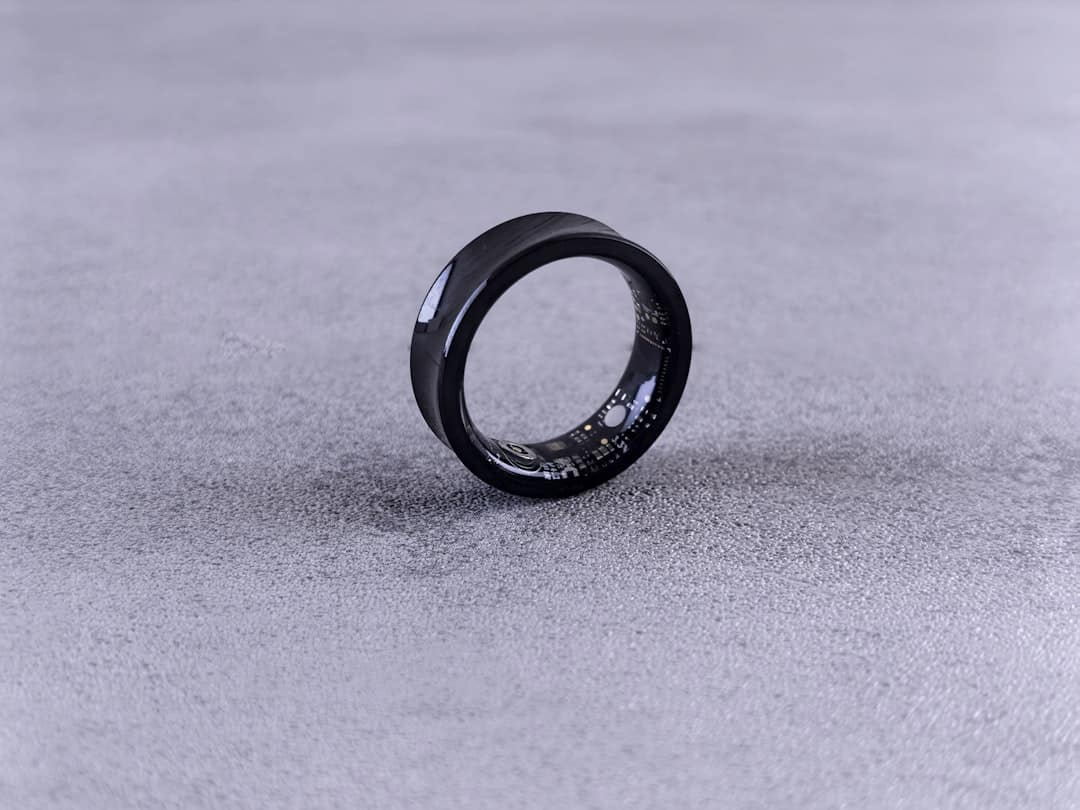
Wearable technology has experienced significant growth in recent years, fundamentally changing how people monitor their health and wellness. Hydration tracking has become a key focus area among the various health metrics these devices can measure. Wearable hydration tracking technology includes smartwatches, fitness bands, and dedicated hydration monitoring devices that help users maintain proper fluid balance.
Increased understanding of hydration’s health importance has driven demand for innovative solutions that integrate into daily routines while providing real-time data and personalized guidance. The incorporation of hydration monitoring into wearable devices represents a major advancement in health technology. These devices employ sensors and computational algorithms to evaluate hydration status, delivering information that was previously accessible only through invasive medical procedures.
Through data analytics and intuitive user interfaces, wearable technology enables individuals to actively manage their hydration while developing better understanding of how fluid intake impacts overall health. The development of hydration tracking mechanisms in wearable devices demonstrates how these technologies are transforming modern approaches to health and wellness management.
Key Takeaways
- Wearable tech offers innovative ways to monitor hydration levels in real-time.
- Proper hydration is crucial for maintaining overall health and wellness.
- Devices use sensors and algorithms to estimate fluid intake and hydration status.
- Wearable tech provides convenience and personalized insights but faces accuracy challenges.
- Future advancements aim to enhance precision and integration with health management systems.
The Importance of Hydration for Overall Health and Wellness
Hydration is a fundamental aspect of human health, influencing everything from physical performance to cognitive function. The human body is composed of approximately 60% water, and this vital fluid plays a crucial role in numerous physiological processes. Adequate hydration is essential for regulating body temperature, transporting nutrients, and facilitating digestion.
Dehydration, on the other hand, can lead to a myriad of health issues, including fatigue, headaches, and impaired cognitive abilities. In extreme cases, severe dehydration can result in serious complications such as kidney failure or heat-related illnesses. The significance of hydration extends beyond mere survival; it is integral to maintaining optimal physical performance and mental clarity.
Athletes, for instance, often experience a decline in performance when dehydrated, as even a small loss of body water can impair endurance and strength. Furthermore, studies have shown that dehydration can negatively impact mood and cognitive function, leading to decreased concentration and increased feelings of anxiety. As such, understanding and managing hydration levels is vital not only for athletes but for anyone seeking to enhance their overall well-being.
How Wearable Tech Devices Track Hydration Levels
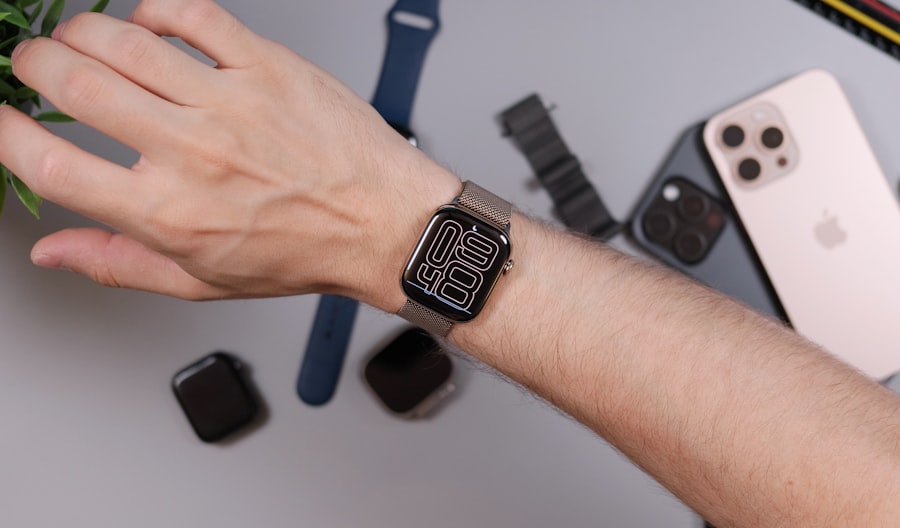
Wearable technology employs various methods to track hydration levels, utilizing sensors that measure physiological indicators related to fluid balance. One common approach involves monitoring sweat rate and composition through skin sensors. These devices analyze the electrolytes present in sweat, such as sodium and potassium, which can provide insights into hydration status.
By correlating sweat loss with fluid intake, users can gain a clearer picture of their hydration needs. Another method involves the use of bioimpedance analysis, which measures the resistance of body tissues to electrical currents. This technique can estimate total body water content and help determine whether an individual is adequately hydrated.
Some advanced wearables even incorporate algorithms that take into account factors such as activity level, environmental conditions, and individual physiology to provide personalized hydration recommendations. This multifaceted approach allows users to receive real-time feedback on their hydration status, enabling them to make informed decisions about fluid intake throughout the day.
The Advantages of Using Wearable Tech for Hydration Tracking
The advantages of utilizing wearable technology for hydration tracking are manifold. One of the most significant benefits is the convenience it offers. Traditional methods of monitoring hydration often require manual logging or reliance on subjective feelings of thirst, which can be misleading.
Wearable devices automate this process, providing users with continuous monitoring and alerts when hydration levels dip below optimal thresholds. This proactive approach encourages individuals to stay ahead of their hydration needs rather than reactively addressing them. Moreover, wearable tech fosters a greater awareness of personal hydration habits.
Many devices come equipped with companion apps that allow users to visualize their hydration data over time, identify patterns, and set personalized goals. This data-driven approach not only enhances accountability but also empowers users to make healthier choices regarding their fluid intake. Additionally, some wearables integrate with other health metrics—such as physical activity levels or sleep quality—creating a comprehensive view of how hydration interacts with overall health.
Challenges and Limitations of Current Wearable Tech for Hydration Tracking
| Metric | Description | Impact of Wearable Tech | Example Devices |
|---|---|---|---|
| Hydration Level Accuracy | Precision in measuring body water content | Improved from ±10% to ±3% with advanced sensors | Gatorade GX, LVL Hydration Monitor |
| Real-Time Monitoring | Continuous tracking of hydration status | Enabled 24/7 monitoring and instant alerts | Fitbit Charge, Garmin Vivosmart |
| Personalized Hydration Recommendations | Customized daily water intake suggestions | Based on activity, sweat rate, and environment | HydraCoach, Nix Hydration Biosensor |
| User Engagement | Frequency of hydration tracking usage | Increased by 40% due to gamification and reminders | Apple Watch, Samsung Galaxy Watch |
| Integration with Health Apps | Syncing hydration data with broader health metrics | Improved holistic health insights and trends | MyFitnessPal, Apple Health |
Despite the advancements in wearable technology for hydration tracking, several challenges and limitations persist. One primary concern is the accuracy of measurements. While many devices provide valuable insights into hydration status, variations in individual physiology can lead to discrepancies in data interpretation.
Factors such as skin temperature, sweat composition, and even the type of activity being performed can influence readings, making it difficult for some wearables to deliver precise assessments consistently. Another limitation lies in user compliance and engagement.
Some users may find it challenging to adhere to recommended hydration levels due to lifestyle factors or personal preferences regarding beverage choices. Additionally, the reliance on technology may lead some individuals to overlook basic cues from their bodies regarding thirst and hydration needs.
Future Developments and Innovations in Wearable Tech for Hydration Tracking
The future of wearable technology for hydration tracking holds exciting potential as advancements in sensor technology and data analytics continue to evolve. One promising area of development is the integration of non-invasive sensors that can provide real-time monitoring without requiring direct contact with the skin. Innovations such as optical sensors or microneedle technology may enable more accurate assessments of hydration levels while minimizing discomfort or inconvenience for users.
Furthermore, artificial intelligence (AI) and machine learning algorithms are poised to enhance the personalization of hydration recommendations significantly. By analyzing vast amounts of data from diverse populations, these technologies could identify trends and correlations that inform more tailored advice based on individual characteristics such as age, gender, activity level, and environmental conditions. This level of customization could revolutionize how individuals approach their hydration strategies, making it easier to achieve optimal fluid balance.
Tips for Using Wearable Tech to Improve Hydration Levels
To maximize the benefits of wearable technology for hydration tracking, users should consider several practical tips. First and foremost, it is essential to set realistic hydration goals based on individual needs and lifestyle factors. Users should take into account their activity levels, climate conditions, and personal preferences when determining how much water they should aim to consume daily.
Additionally, leveraging the features of companion apps can enhance engagement with hydration tracking. Many apps allow users to log their fluid intake easily and receive reminders throughout the day. Setting up notifications for regular water breaks can serve as a helpful prompt to drink more water consistently.
Users should also explore various beverage options beyond plain water—such as herbal teas or electrolyte-infused drinks—to keep their hydration routine enjoyable and varied. Lastly, it is crucial to listen to one’s body signals in conjunction with wearable tech data. While technology provides valuable insights, personal awareness of thirst cues remains an essential aspect of effective hydration management.
By combining data-driven recommendations with intuitive understanding of one’s own needs, individuals can achieve a balanced approach to staying hydrated.
The Impact of Wearable Tech on Hydration Tracking
The impact of wearable technology on hydration tracking is profound and multifaceted.
By providing real-time feedback and personalized recommendations based on individual physiology and lifestyle factors, wearable tech fosters a proactive approach to health management.
As we continue to explore the intersection of technology and wellness, it is clear that wearable devices will play an integral role in shaping our understanding of hydration’s importance in overall health. With ongoing innovations on the horizon—ranging from advanced sensor technologies to AI-driven analytics—the future looks promising for those seeking to optimize their hydration strategies through wearable tech. The journey toward better health begins with informed choices about fluid intake, and wearable technology stands at the forefront of this transformative movement.
Wearable technology is revolutionizing the way we monitor our health, particularly in hydration tracking. As these devices become more sophisticated, they not only remind us to drink water but also provide insights into our overall wellness. For those interested in exploring how technology is shaping various industries, you might find the article on

<ul class=)