

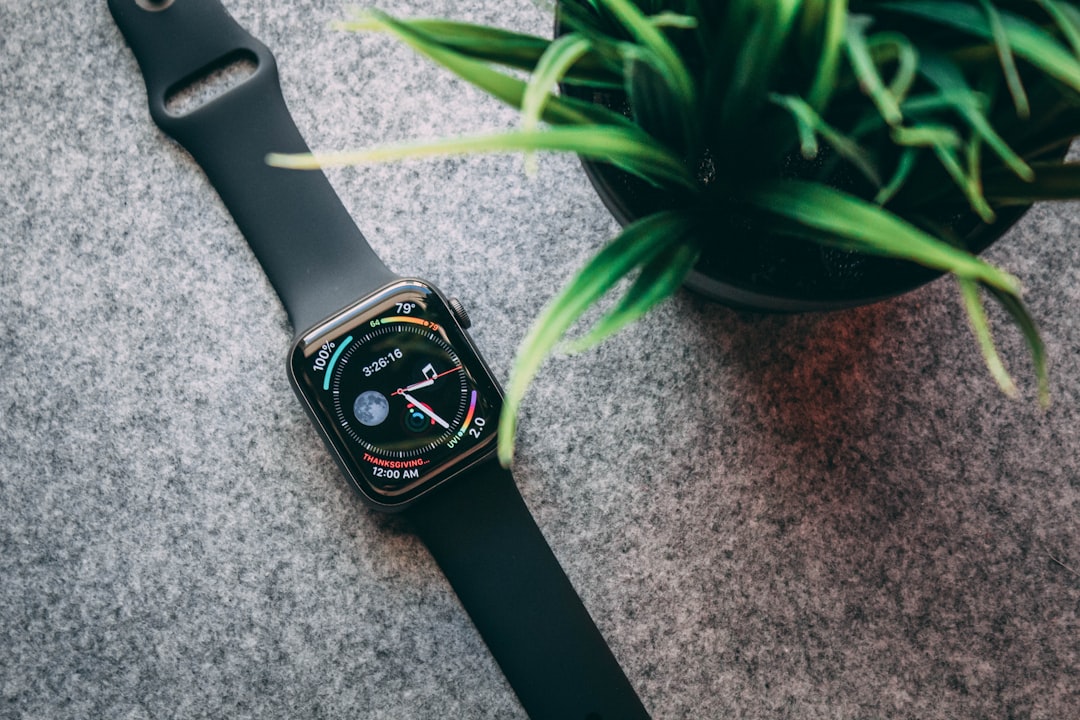
The convergence of technology and fitness has created a new paradigm in exercise methodology, specifically through the incorporation of wearable devices in virtual fitness programs. Global adoption of digital solutions has increased demand for alternative fitness approaches. Wearable technology encompasses devices including smartwatches, fitness trackers, and heart rate monitors, which have become fundamental components of this evolution.
These devices monitor physical activity and deliver real-time biometric data, facilitating enhanced user engagement with exercise protocols. The expansion of virtual fitness classes, accelerated by pandemic-related restrictions, has provided an optimal environment for wearable technology implementation, enabling remote workout participation while maintaining access to real-time physiological monitoring. Virtual fitness classes offer accessibility and convenience advantages.
Participants can access instruction from certified trainers globally without physical gym attendance. The primary challenge involves maintaining motivation and workout effectiveness in remote environments. Wearable technology addresses this limitation by providing immediate performance data including heart rate, caloric expenditure, and exercise intensity measurements.
These devices enhance virtual fitness experiences by reducing the disconnect between physical presence and digital participation, resulting in more engaging and interactive workout environments.
Key Takeaways
- Wearable technology plays a crucial role in tracking performance and progress during virtual fitness classes.
- It enhances user engagement and motivation by providing real-time feedback and personalized insights.
- Wearable tech enables the creation of customized virtual fitness programs tailored to individual needs.
- Integrating wearable data into virtual classes improves the overall workout experience and effectiveness.
- Despite its potential, wearable tech faces challenges such as accuracy issues and user privacy concerns.
The Role of Wearable Tech in Tracking Performance and Progress
Wearable technology serves as a powerful tool for tracking performance and progress in virtual fitness classes. These devices are equipped with sensors that monitor various physiological parameters, allowing users to gain insights into their workouts that were previously difficult to obtain outside of a gym setting. For instance, a fitness tracker can measure heart rate variability during a high-intensity interval training (HIIT) session, providing users with data on their cardiovascular response to exercise.
This information is invaluable for understanding personal limits and optimizing workout intensity. Moreover, many wearable devices come with companion apps that aggregate data over time, enabling users to visualize their progress through graphs and statistics. This longitudinal data tracking is essential for setting realistic fitness goals and adjusting training regimens accordingly.
For example, if a user notices that their average heart rate during workouts is consistently lower than desired, they can modify their approach to increase intensity or duration. This level of insight fosters a sense of accountability and encourages users to push their boundaries, ultimately leading to improved fitness outcomes.
How Wearable Tech Enhances Engagement and Motivation in Virtual Fitness Classes

Engagement and motivation are critical components of any successful fitness program, and wearable technology significantly enhances both aspects in virtual fitness classes. One of the most compelling features of wearable devices is their ability to gamify the workout experience. Many fitness trackers include challenges, badges, or leaderboards that allow users to compete against themselves or others.
This competitive element can be particularly motivating in a virtual setting where social interaction may be limited. For instance, participants can share their achievements on social media or within dedicated fitness communities, fostering a sense of camaraderie and support. Additionally, real-time feedback provided by wearable tech can create a more dynamic workout experience.
Instructors can encourage participants to reach specific heart rate zones or achieve certain milestones during a class, making the session feel more interactive. For example, during a virtual cycling class, an instructor might prompt participants to increase their resistance based on their heart rate data displayed on-screen. This immediate feedback loop not only keeps participants engaged but also helps them understand the importance of pushing their limits for optimal results.
The Impact of Wearable Tech on Personalized Virtual Fitness Programs
Personalization is one of the most significant advantages that wearable technology brings to virtual fitness programs. With access to detailed biometric data, trainers can tailor workouts to meet individual needs and preferences. For instance, if a user’s wearable device indicates that they have a higher-than-average resting heart rate, a trainer might suggest incorporating more recovery days or lower-intensity workouts into their regimen.
This level of customization ensures that participants are not only working hard but also working smart. Furthermore, many wearable devices utilize algorithms that analyze user data to provide personalized recommendations for future workouts. These insights can include suggested exercises based on past performance or even recovery tips based on sleep patterns tracked by the device.
For example, if a user consistently reports poor sleep quality through their wearable tech, the system might recommend lighter workouts or yoga sessions focused on relaxation. This adaptability allows users to optimize their training based on real-time feedback rather than relying solely on generic workout plans.
Incorporating Wearable Tech Data into Virtual Fitness Class Experiences
| Metric | Wearable Tech Impact | Example Data | Benefit to Virtual Fitness |
|---|---|---|---|
| Heart Rate Monitoring | Real-time tracking during classes | Average HR accuracy: 95% | Enables personalized intensity adjustments |
| Calorie Burn Estimation | Tracks calories burned per session | Estimates within ±10% margin | Motivates users with progress feedback |
| Motion Tracking | Monitors form and movement accuracy | 90% accuracy in detecting exercise form | Reduces injury risk and improves technique |
| Sleep Quality Data | Integrates recovery insights into training | Tracks sleep stages with 85% accuracy | Optimizes workout scheduling and recovery |
| Step Count & Activity Levels | Measures daily activity outside classes | Step count accuracy: 98% | Encourages holistic fitness habits |
| Social & Competitive Features | Connects users via leaderboards and challenges | Increases engagement by 30% | Boosts motivation and class participation |
The integration of wearable tech data into virtual fitness class experiences can significantly enhance the overall effectiveness and enjoyment of workouts. Instructors can leverage real-time data from participants’ devices to adjust class dynamics on-the-fly. For instance, if several participants are struggling to maintain an elevated heart rate during a high-energy dance class, the instructor can modify the routine or introduce more challenging moves to elevate intensity levels across the board.
Moreover, many platforms now allow for seamless integration between wearable devices and virtual class software. This means that participants can see their performance metrics displayed live during classes, creating an immersive experience that mimics the energy of an in-person workout environment. For example, during a group strength training session, participants might see their individual weights lifted or reps completed displayed on-screen alongside others’ stats.
This not only fosters healthy competition but also encourages users to push themselves further as they strive to keep up with their peers.
The Future of Wearable Tech in Virtual Fitness Classes

As technology continues to evolve at an unprecedented pace, the future of wearable tech in virtual fitness classes looks promising. Innovations such as augmented reality (AR) and virtual reality (VR) are beginning to make their way into the fitness landscape, offering new ways for users to engage with workouts. Imagine participating in a virtual cycling class where you can see your surroundings change as you ride through different landscapes—all while your wearable device tracks your performance metrics in real-time.
AI algorithms could analyze vast amounts of user data to create highly tailored workout plans that adapt not only based on performance but also on mood and energy levels reported by users through their wearables.
Challenges and Limitations of Wearable Tech in Virtual Fitness Classes
Despite the numerous benefits that wearable technology offers in virtual fitness classes, there are also challenges and limitations that must be addressed. One significant concern is data privacy and security. As users become increasingly reliant on wearable devices for tracking personal health information, ensuring that this data is protected from breaches becomes paramount.
Companies must implement robust security measures and transparent privacy policies to build trust with consumers. Another challenge lies in the potential for over-reliance on technology. While wearable devices provide valuable insights into performance and health metrics, there is a risk that users may become too focused on numbers rather than enjoying the process of exercise itself.
This fixation can lead to burnout or frustration if individuals do not see immediate results or if they feel pressured to constantly improve their metrics. Striking a balance between utilizing technology for motivation while maintaining a healthy relationship with fitness is crucial for long-term success.
The Potential of Wearable Tech to Revolutionize Virtual Fitness Classes
The integration of wearable technology into virtual fitness classes has the potential to revolutionize how individuals approach exercise and wellness. By providing real-time feedback, enhancing engagement through gamification, and enabling personalized training programs, wearables create an enriched experience that transcends traditional workout methods. As advancements continue in this field—ranging from AI-driven personalization to immersive AR experiences—the possibilities for enhancing virtual fitness classes are boundless.
However, it is essential for both users and developers to remain mindful of the challenges associated with this technology. Addressing concerns around data privacy and ensuring that technology serves as an aid rather than a crutch will be vital as we move forward into this new era of fitness. Ultimately, when harnessed effectively, wearable tech has the power not only to enhance individual performance but also to foster a more connected and motivated fitness community in the digital realm.
Wearable technology is revolutionizing the way we engage with virtual fitness classes, providing real-time data and personalized feedback that enhances the overall experience. For those interested in exploring how technology is shaping various aspects of our lives, you might find the article on the best Toshiba laptops of 2023 particularly insightful, as it highlights devices that can support your fitness journey through effective performance and portability. Check it out here:

<ul class=)