

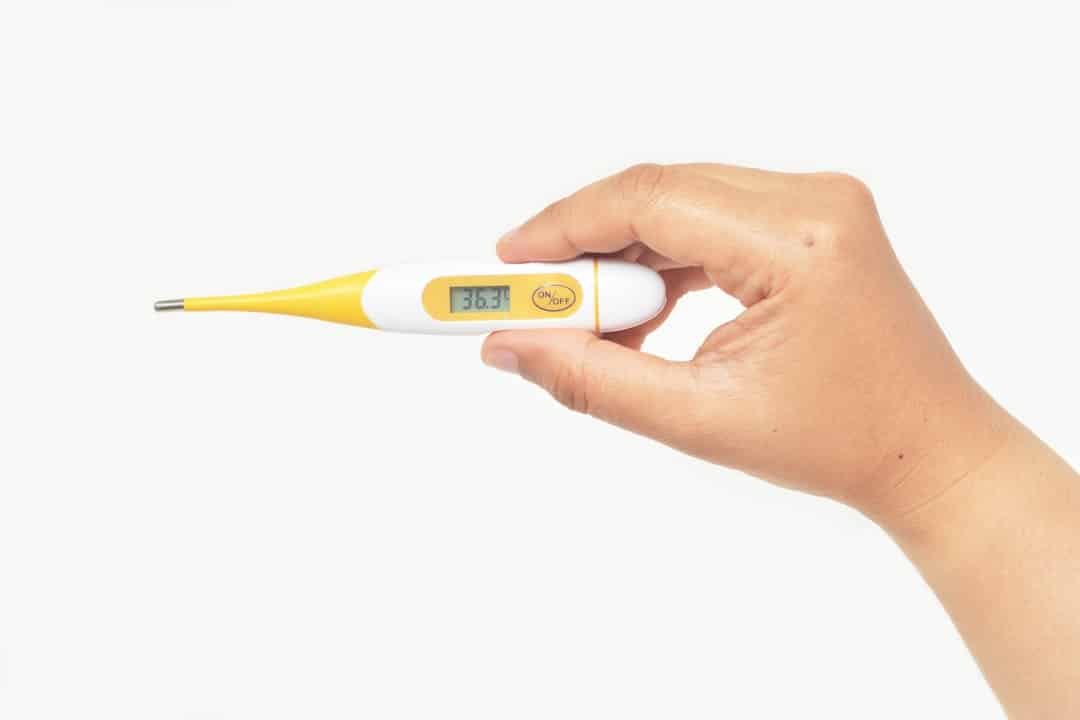
Fertility tracking is a method used by individuals and couples to monitor reproductive health by observing physiological indicators that signal fertile periods, ovulation timing, and overall reproductive function. Traditional approaches include calendar-based calculations, daily basal body temperature measurements, and cervical mucus analysis. Modern technology has enhanced these methods through digital applications and devices that provide more accurate data collection and analysis.
This practice serves multiple purposes in reproductive health management. For individuals attempting to conceive, identifying the ovulation window can increase pregnancy likelihood, as conception is most probable during the few days surrounding ovulation. For those seeking to prevent pregnancy, fertility awareness methods can serve as a non-hormonal contraceptive approach when used correctly.
Additionally, fertility tracking assists in monitoring menstrual cycle regularity and can help identify potential reproductive health issues that may require medical attention. The growing emphasis on reproductive health education has increased demand for accessible fertility tracking tools. Digital platforms now offer features such as symptom logging, cycle prediction algorithms, and integration with wearable devices that monitor physiological changes.
These technological advances have made fertility tracking more precise and user-friendly, enabling individuals to make informed decisions about their reproductive health and family planning goals.
Key Takeaways
- Wearable devices enhance fertility tracking by providing continuous, real-time data on key reproductive indicators.
- These devices improve accuracy in predicting fertile windows compared to traditional methods.
- Popular wearables include smartwatches and specialized fertility trackers that monitor temperature, heart rate, and hormonal changes.
- Wearable technology promotes greater fertility awareness and education by making data accessible and easy to understand.
- Despite benefits, challenges like data privacy, device accuracy, and user adherence remain significant limitations.
The Role of Wearable Devices in Fertility Tracking
Wearable devices have become a cornerstone in the realm of fertility tracking, offering a sophisticated approach to monitoring reproductive health. These devices, which include smartwatches, fitness trackers, and specialized fertility monitors, are designed to collect and analyze data related to an individual’s physiological parameters. By leveraging sensors that measure heart rate variability, skin temperature, and other biometrics, these devices provide real-time insights into the user’s fertility status.
This technological advancement allows for a more nuanced understanding of one’s cycle compared to traditional methods. The integration of wearable technology into fertility tracking has also facilitated a more personalized approach. Many devices come equipped with algorithms that analyze collected data over time, enabling users to identify patterns specific to their bodies.
For instance, some wearables can predict ovulation windows based on historical data and physiological changes, providing users with tailored insights that enhance their ability to conceive or avoid pregnancy. This shift towards personalized data collection marks a significant evolution in how individuals engage with their reproductive health.
Advantages of Using Wearable Devices for Fertility Tracking
The advantages of utilizing wearable devices for fertility tracking are manifold. One of the most significant benefits is the convenience they offer. Unlike traditional methods that require meticulous record-keeping and manual calculations, wearable devices automate much of the process.
Users can simply wear the device throughout the day and night, allowing it to continuously gather data without requiring constant attention. This ease of use encourages more consistent tracking, which is essential for accurate fertility predictions. Moreover, wearable devices often come with companion apps that provide users with comprehensive insights into their reproductive health.
These applications can display trends over time, highlight fertile windows, and even send reminders for important dates related to ovulation or menstruation. The visual representation of data can empower users by making complex information more digestible. Additionally, many devices allow for integration with other health metrics, such as sleep patterns and physical activity levels, providing a holistic view of how lifestyle factors may influence fertility.
Popular Wearable Devices for Fertility Tracking
Several wearable devices have gained popularity in the fertility tracking space, each offering unique features tailored to different user needs.
The Oura Ring’s ability to monitor changes in body temperature can be particularly useful for predicting ovulation, as a slight increase in temperature often indicates that ovulation has occurred.
Another prominent device is the Ava bracelet, which is specifically designed for women seeking to conceive. The Ava bracelet tracks multiple physiological parameters such as skin temperature, resting pulse rate, and sleep patterns. Its algorithm analyzes this data to provide users with a daily fertility score and predictions about their fertile window.
The Ava app also offers educational resources about reproductive health, making it a comprehensive tool for those on their fertility journey.
How Wearable Devices Are Improving Accuracy in Fertility Tracking
| Metric | Before Wearable Devices | After Wearable Devices | Improvement |
|---|---|---|---|
| Accuracy of Ovulation Prediction | 60% | 90% | +30% |
| Cycle Tracking Consistency | 50% | 85% | +35% |
| User Engagement (Daily Use) | 40% | 75% | +35% |
| Time to Pregnancy (Average Months) | 6 months | 4 months | Reduced by 2 months |
| Detection of Fertility Window | 70% | 95% | +25% |
| Reduction in Missed Fertile Days | 30% | 10% | -20% |
The accuracy of fertility tracking has seen significant improvements thanks to wearable devices that utilize advanced algorithms and machine learning techniques. These technologies analyze vast amounts of data collected from users over time, allowing for more precise predictions regarding ovulation and fertile windows. For instance, by examining patterns in heart rate variability and temperature fluctuations, these devices can identify subtle changes that may indicate an approaching ovulation phase.
Furthermore, many wearable devices are designed to learn from individual user data over time. This means that as users continue to wear their devices and input additional information about their cycles or symptoms, the algorithms become increasingly refined in their predictions. This personalized approach not only enhances accuracy but also builds user trust in the technology.
As users see consistent results aligning with their own experiences, they are more likely to rely on these devices for important decisions regarding conception or contraception.
The Impact of Wearable Devices on Fertility Awareness and Education
Wearable devices have significantly contributed to increased awareness and education surrounding fertility health. By providing users with real-time data about their bodies, these devices empower individuals to take charge of their reproductive health in ways that were previously unattainable. The accessibility of information through companion apps fosters a deeper understanding of menstrual cycles and ovulation patterns, encouraging users to engage in informed discussions about their reproductive choices.
Moreover, many wearable devices come equipped with educational resources that help demystify complex concepts related to fertility. Users can access articles, videos, and community forums that discuss various aspects of reproductive health, from understanding hormonal changes to recognizing signs of potential fertility issues. This wealth of information not only enhances individual knowledge but also promotes a culture of openness regarding fertility topics that have historically been shrouded in stigma or misinformation.
Challenges and Limitations of Using Wearable Devices for Fertility Tracking
Despite the numerous advantages offered by wearable devices in fertility tracking, there are challenges and limitations that users should be aware of. One significant concern is the accuracy of the data collected by these devices. While many wearables utilize sophisticated algorithms to analyze physiological changes, individual variations can lead to discrepancies in predictions.
Factors such as stress levels, illness, or irregular cycles can impact the reliability of the data, potentially leading to misinterpretations regarding fertile windows. Additionally, there is the issue of data privacy and security. As wearable devices collect sensitive health information, users must consider how their data is stored and shared.
Many companies have policies in place to protect user privacy; however, concerns about data breaches or misuse remain prevalent in the digital age. Users should be diligent in reviewing privacy policies and understanding how their information may be utilized by third parties.
The Future of Wearable Devices in Fertility Tracking
Looking ahead, the future of wearable devices in fertility tracking appears promising as technology continues to evolve at a rapid pace. Innovations such as artificial intelligence and machine learning are expected to further enhance the accuracy and personalization of fertility predictions. As these technologies become more sophisticated, we may see wearables that can not only predict ovulation but also provide insights into potential fertility issues based on historical data trends.
Moreover, as societal attitudes towards reproductive health continue to shift towards greater openness and acceptance, there will likely be an increased demand for comprehensive fertility tracking solutions. This could lead to collaborations between tech companies and healthcare providers aimed at integrating wearable technology into broader reproductive health services. Such partnerships could facilitate early detection of fertility-related issues and promote proactive management strategies.
In conclusion, wearable devices are poised to play an increasingly integral role in fertility tracking as they continue to evolve alongside advancements in technology and growing awareness around reproductive health issues. Their ability to provide personalized insights while fostering education and awareness positions them as essential tools for individuals navigating their fertility journeys.
Wearable devices have revolutionized the way individuals track their fertility, providing real-time data and insights that can enhance the chances of conception. For those interested in the broader implications of technology in health and wellness, a related article on smartwatches can be found here: Smartwatches: A Comprehensive Review of Huawei Models. This article explores how smartwatches, including those from Huawei, incorporate health tracking features that can be beneficial for monitoring various aspects of personal health, including fertility.
FAQs
What are wearable devices for fertility tracking?
Wearable devices for fertility tracking are electronic gadgets designed to monitor physiological signs related to a woman’s menstrual cycle and fertility. These devices often track metrics such as basal body temperature, heart rate, sleep patterns, and hormone levels to help predict ovulation and fertile windows.
How do wearable fertility trackers work?
Wearable fertility trackers collect continuous data from the body using sensors. They analyze changes in parameters like skin temperature, heart rate variability, and sometimes hormone levels to identify patterns that indicate different phases of the menstrual cycle, including ovulation.
Are wearable fertility trackers accurate?
The accuracy of wearable fertility trackers varies depending on the device and the technology used. Many devices have been clinically validated and can provide reliable predictions when used consistently. However, factors such as irregular cycles or external influences can affect accuracy.
Can wearable devices help with conception?
Yes, wearable devices can assist individuals or couples trying to conceive by identifying the most fertile days in a menstrual cycle. By providing timely information about ovulation, these devices can improve the chances of conception.
Do wearable fertility trackers require manual input?
Some wearable devices require minimal manual input, such as logging menstrual cycle dates or symptoms, while others automatically collect data through sensors. The level of user interaction depends on the specific device and its features.
Are wearable fertility trackers suitable for all women?
Wearable fertility trackers are generally suitable for women with regular menstrual cycles. Women with irregular cycles, certain medical conditions, or those using hormonal contraception should consult healthcare providers before relying solely on these devices.
Can wearable devices track other health metrics related to fertility?
Yes, many wearable fertility trackers also monitor additional health metrics such as sleep quality, stress levels, and physical activity, which can influence reproductive health and fertility.
Is the data collected by wearable fertility devices secure?
Most reputable wearable device manufacturers implement data encryption and privacy policies to protect user information. However, users should review privacy terms and ensure they are comfortable with how their data is stored and used.
Do wearable fertility trackers replace medical advice?
No, wearable fertility trackers are tools to assist with fertility awareness but do not replace professional medical advice. Users experiencing fertility issues should consult healthcare professionals for diagnosis and treatment.
How long does it take to see results from using a wearable fertility tracker?
Results can vary, but many users begin to see useful fertility pattern insights within one to three menstrual cycles of consistent device use. Longer-term use can improve the accuracy of predictions.