

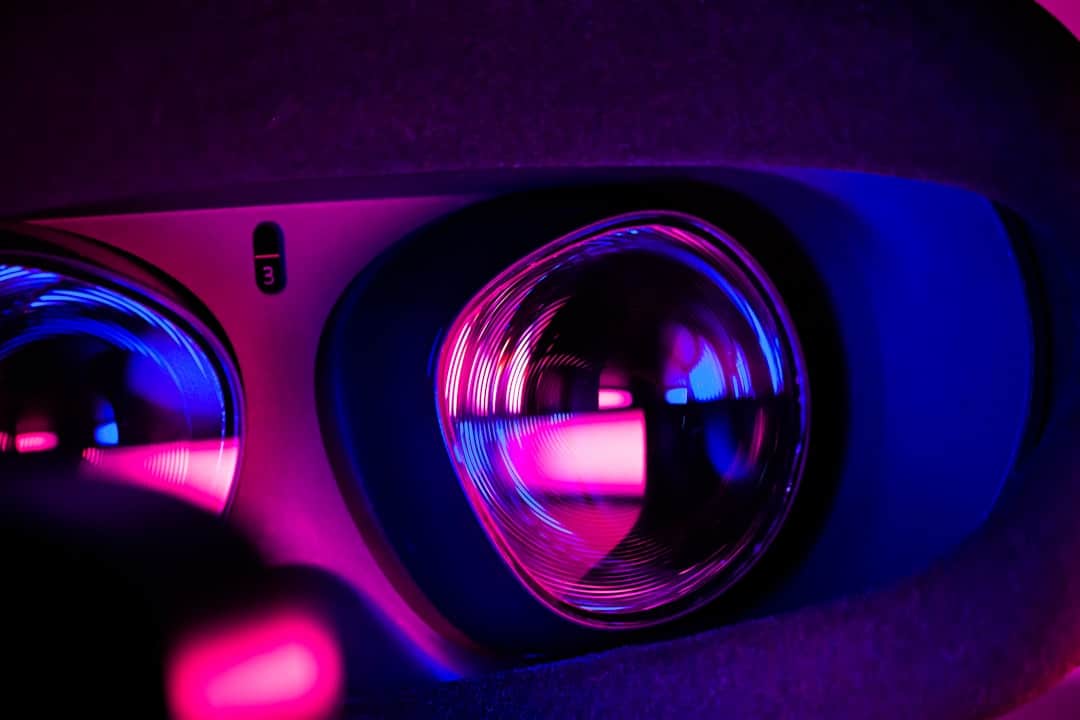
Wearable devices have significantly transformed virtual reality technology by enabling more immersive user experiences. These devices encompass VR headsets, haptic gloves, motion-tracking suits, and specialized accessories that function as interfaces between users and virtual environments. Current technological developments have expanded the capabilities of VR wearables beyond early prototypes to commercially viable products.
VR wearable devices operate by providing sensory feedback and enabling natural user interactions within virtual environments. Modern VR headsets such as the Oculus Quest and HTC Vive incorporate high-resolution displays and motion tracking sensors that monitor head position and orientation to maintain visual consistency with user movement. Haptic feedback devices, including specialized gloves and body suits, transmit tactile sensations that correspond to virtual interactions.
The integration of hardware components with software systems enables VR applications across multiple industries, including gaming, education, healthcare, and professional training programs.
Key Takeaways
- Wearable devices significantly enhance immersion and presence in virtual reality experiences.
- Advanced motion tracking and gesture control are enabled through specialized wearable technology.
- Wearables improve audio and haptic feedback, creating more realistic and engaging VR environments.
- Comfort and ergonomics are critical factors in the design of wearable VR devices to ensure prolonged use.
- The future of VR heavily relies on innovative wearable devices, with important considerations for both developers and consumers.
The Role of Wearable Devices in Immersion and Presence
Immersion in virtual reality is defined by the extent to which a user feels enveloped by and engaged with a virtual environment. Wearable devices play a pivotal role in achieving this state of immersion. For example, VR headsets equipped with advanced optics and high refresh rates can create lifelike visuals that trick the brain into believing it is experiencing a different reality.
The field of view provided by these headsets is critical; a wider field enhances peripheral vision, making the virtual world feel more expansive and real. Moreover, presence—the psychological sensation of being in a virtual space—is significantly influenced by the quality of sensory feedback provided by wearable devices. Haptic feedback systems, such as those found in gloves or vests, simulate touch and movement, allowing users to interact with virtual objects as if they were tangible.
This tactile interaction fosters a deeper connection to the virtual environment, making experiences more memorable and impactful. For instance, in a VR training simulation for emergency responders, the ability to feel the weight of equipment or the heat from a fire can enhance realism and improve learning outcomes.
The Impact of Wearable Devices on Motion Tracking and Gesture Control

Motion tracking is a cornerstone of effective virtual reality experiences, enabling users to navigate and interact with digital environments intuitively. Wearable devices equipped with motion sensors—such as accelerometers, gyroscopes, and magnetometers—allow for precise tracking of body movements. This technology enables users to perform gestures that are translated into actions within the virtual space.
For example, when a user reaches out to grab an object in VR, motion tracking ensures that this action is accurately reflected in real-time. Gesture control has evolved significantly with the introduction of wearable devices. Advanced systems utilize machine learning algorithms to recognize complex gestures and translate them into commands.
This capability is particularly beneficial in applications such as virtual design or collaborative workspaces where users can manipulate 3D models with hand movements.
Enhancing Audio and Haptic Feedback with Wearable Devices
Audio plays an essential role in creating an immersive virtual reality experience, and wearable devices are increasingly incorporating advanced audio technologies. Spatial audio systems simulate how sound behaves in real life, allowing users to perceive sounds coming from specific directions within the virtual environment. This auditory feedback enhances immersion by providing cues that guide users’ actions and reactions.
For instance, in a VR game where players must evade enemies, hearing footsteps approaching from behind can trigger instinctual responses. Haptic feedback complements audio by providing tactile sensations that correspond with visual stimuli. Wearable devices such as haptic vests or gloves can deliver vibrations or pressure sensations that mimic real-world interactions.
For example, when a user fires a weapon in a VR shooting game, the haptic feedback can simulate recoil, enhancing the realism of the experience. This multi-sensory approach not only enriches gameplay but also has applications in training scenarios where realistic feedback is crucial for skill development.
Improving Comfort and Ergonomics in Virtual Reality with Wearable Devices
| Wearable Device | Metric | Impact on VR Experience | Example Use Case |
|---|---|---|---|
| Haptic Gloves | Response Time: 10 ms | Enables realistic touch feedback, increasing immersion | Virtual object manipulation and texture simulation |
| Motion Trackers | Accuracy: 0.5 mm | Improves precise body movement tracking for natural interaction | Full-body avatar control in VR games |
| Eye-Tracking Glasses | Sampling Rate: 120 Hz | Enhances foveated rendering, reducing processing load | Dynamic focus adjustment in VR environments |
| VR Suits | Number of Sensors: 40+ | Provides full-body haptic feedback for immersive experiences | Simulated physical sensations in training simulations |
| Brain-Computer Interfaces (BCI) | Signal Accuracy: 85% | Allows control of VR elements through neural signals | Hands-free navigation and interaction |
As virtual reality experiences become more immersive and prolonged, comfort and ergonomics have emerged as critical considerations for wearable devices. Users often wear VR headsets for extended periods, which can lead to discomfort or fatigue if the devices are not designed with ergonomics in mind.
Additionally, wearable devices are being designed to accommodate various body types and preferences. For instance, VR gloves are being developed with adjustable sizing options to ensure a snug fit for different users while minimizing strain during extended use. Innovations such as ventilated designs or moisture-wicking materials are also being explored to enhance user comfort during intense sessions.
By prioritizing ergonomics, developers can create wearable devices that not only enhance immersion but also promote longer and more enjoyable VR experiences.
The Future of Wearable Devices in Virtual Reality

The future of wearable devices in virtual reality is poised for significant advancements as technology continues to evolve. One promising area is the integration of artificial intelligence (AI) into wearable devices, which could lead to more personalized experiences. AI algorithms could analyze user behavior and preferences to adapt the virtual environment dynamically, creating tailored experiences that resonate with individual users.
Moreover, advancements in wireless technology are likely to enhance the functionality of wearable devices. The development of low-latency wireless connections will enable users to move freely without being tethered to a computer or console. This freedom of movement is essential for fully immersive experiences, particularly in social VR applications where users interact with others in shared spaces.
As 5G networks become more widespread, the potential for cloud-based VR experiences will also increase, allowing for richer graphics and more complex simulations without requiring high-end local hardware.
Considerations for Developers and Consumers in Choosing Wearable Devices for Virtual Reality
When selecting wearable devices for virtual reality applications, both developers and consumers must consider several factors to ensure optimal performance and satisfaction. For developers, compatibility with existing software platforms is crucial; they should evaluate whether the wearable device integrates seamlessly with their VR applications. Additionally, developers should assess the device’s tracking accuracy and latency since these factors directly impact user experience.
Consumers should also take into account their specific needs when choosing wearable devices for VR. Factors such as comfort, weight, battery life, and ease of use should be prioritized based on how they plan to engage with VR content. For instance, casual gamers may prioritize lightweight headsets with good audio quality, while professionals using VR for training may require more advanced motion tracking capabilities.
Reading reviews and seeking recommendations from experienced users can provide valuable insights into which devices best meet individual requirements.
The Potential of Wearable Devices in Shaping the Future of Virtual Reality
The potential of wearable devices in shaping the future of virtual reality is immense. As technology continues to advance at an unprecedented pace, these devices will play an increasingly vital role in enhancing immersion, interaction, and overall user experience within virtual environments. From improving motion tracking capabilities to providing realistic haptic feedback and audio experiences, wearable devices are set to redefine how we engage with digital content.
As developers innovate and consumers become more discerning about their choices in wearable technology, we can expect a future where virtual reality becomes an integral part of everyday life—transforming industries such as education, healthcare, entertainment, and beyond. The ongoing evolution of wearable devices will undoubtedly pave the way for new possibilities in how we connect with each other and our environments through virtual reality.
Wearable devices are revolutionizing the way we experience virtual reality, providing users with more immersive and interactive environments. For those interested in how technology is shaping various fields, a related article on the best laptops for graphic design can be found here. This article highlights the importance of powerful hardware in enhancing creative experiences, which complements the advancements in wearable technology for virtual reality.
FAQs
What are wearable devices in the context of virtual reality?
Wearable devices for virtual reality (VR) are electronic gadgets worn on the body that enhance the immersive experience by providing sensory feedback, tracking movements, or enabling interaction within the virtual environment. Examples include VR gloves, haptic suits, motion trackers, and VR headsets.
How do wearable devices improve virtual reality experiences?
Wearable devices improve VR experiences by increasing immersion and realism. They provide tactile feedback, track precise body movements, and allow users to interact naturally within the virtual world. This leads to more engaging and interactive simulations, games, and training applications.
What types of wearable devices are commonly used with VR?
Common wearable devices used with VR include VR headsets, haptic gloves, full-body suits with vibration motors, motion sensors, and eye-tracking devices. Each serves to enhance different sensory inputs such as sight, touch, and movement.
Are wearable devices compatible with all VR systems?
Not all wearable devices are universally compatible with every VR system. Compatibility depends on the hardware and software platforms, so users should verify that the wearable device supports their specific VR headset and applications.
Can wearable devices reduce motion sickness in VR?
Some wearable devices can help reduce VR-induced motion sickness by providing more accurate motion tracking and sensory feedback, which helps the brain better synchronize visual and physical sensations. However, effectiveness varies among individuals.
What industries benefit from wearable devices in VR?
Industries such as gaming, healthcare, education, military training, and engineering benefit from wearable devices in VR. These devices enable realistic simulations, skill training, remote collaboration, and enhanced user engagement.
Are wearable VR devices safe to use?
When used according to manufacturer guidelines, wearable VR devices are generally safe. Users should take regular breaks to avoid eye strain or discomfort and ensure devices are properly fitted to prevent physical strain.
What is the future outlook for wearable devices in VR?
The future of wearable devices in VR includes advancements in lightweight materials, improved haptic feedback, greater wireless connectivity, and integration with artificial intelligence. These developments aim to create even more immersive and accessible virtual experiences.