

As the global population ages, the issue of falls among seniors has become increasingly pressing. Falls are a leading cause of injury and mortality in older adults, with the Centers for Disease Control and Prevention (CDC) reporting that one in four seniors experiences a fall each year. The consequences of these falls can be severe, ranging from minor bruises to life-threatening fractures and head injuries.
Beyond the physical ramifications, falls can also lead to a decline in independence and quality of life, as many seniors may develop a fear of falling again, which can further limit their mobility and social interactions. In response to this growing concern, fall detection technology has emerged as a vital tool in promoting safety and enhancing the well-being of seniors. This technology aims to provide timely assistance when a fall occurs, thereby reducing the risk of serious injury and facilitating quicker recovery.
Among the various solutions available, wearable devices have gained significant traction due to their convenience and effectiveness. These devices not only monitor the user’s movements but also utilize advanced algorithms to detect falls accurately, ensuring that help is dispatched promptly when needed.
Key Takeaways
- Wearable devices play a crucial role in detecting falls among seniors, enhancing safety and timely response.
- These devices use sensors and algorithms to monitor movements and identify fall incidents accurately.
- Benefits include immediate alerts, increased independence for seniors, and peace of mind for caregivers.
- Challenges involve device accuracy, user compliance, and potential false alarms.
- Choosing the right device requires considering factors like comfort, battery life, and ease of use, with future advancements promising improved reliability and integration.
The Role of Wearable Devices in Fall Detection
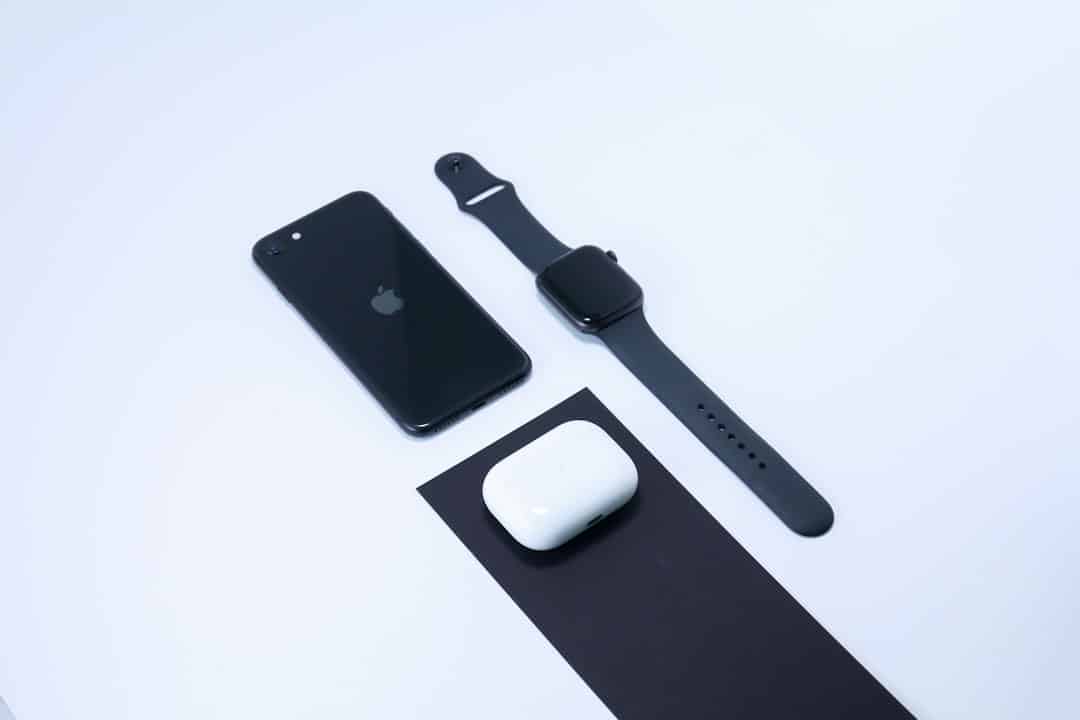
Wearable devices have revolutionized the way we approach health monitoring and safety, particularly for seniors who may be at risk of falls. These devices come in various forms, including smartwatches, fitness trackers, and specialized medical alert systems. Their primary function in fall detection is to continuously monitor the user’s activity levels and movements, providing real-time data that can be analyzed for signs of a fall.
This capability is crucial for seniors who may live alone or spend extended periods without immediate access to help. The integration of sensors such as accelerometers and gyroscopes allows these devices to detect sudden changes in motion that are characteristic of falls. For instance, if a user suddenly drops from an upright position to the ground, the device can recognize this abrupt change and trigger an alert.
Additionally, many wearable devices are equipped with GPS technology, enabling caregivers or emergency services to locate the individual quickly in case of an emergency. This combination of monitoring and location tracking makes wearable devices an invaluable resource for enhancing the safety of seniors.
How Wearable Devices Work in Fall Detection
The functionality of wearable devices in fall detection hinges on sophisticated sensor technology and algorithms designed to interpret movement patterns. At the core of these devices are accelerometers, which measure acceleration forces acting on the device in three dimensions. When a user is moving normally, the accelerometer records consistent patterns of movement.
However, during a fall, there is typically a rapid deceleration followed by a sudden impact with the ground. The device’s software is programmed to recognize these distinct patterns and differentiate them from regular activities such as walking or sitting. In addition to accelerometers, many fall detection devices incorporate gyroscopes that measure rotational motion.
This dual-sensor approach enhances the accuracy of fall detection by providing comprehensive data about the user’s orientation and movement dynamics. When a fall is detected, the device can initiate a series of actions, such as sounding an alarm or sending an alert to designated contacts or emergency services. Some advanced models even include features like automatic call placement or two-way communication capabilities, allowing users to speak directly with responders.
Benefits of Using Wearable Devices for Fall Detection
The advantages of utilizing wearable devices for fall detection extend beyond mere safety; they encompass a range of benefits that contribute to improved quality of life for seniors. One significant benefit is the peace of mind that these devices provide not only to users but also to their families and caregivers. Knowing that help can be summoned quickly in case of a fall alleviates anxiety and fosters greater independence among seniors.
This sense of security encourages them to engage in daily activities without fear, ultimately enhancing their overall well-being. Moreover, wearable devices often come equipped with additional health monitoring features that can track vital signs such as heart rate and activity levels. This multifaceted approach allows seniors to maintain awareness of their health status while simultaneously benefiting from fall detection capabilities.
For instance, some devices can alert users if their heart rate exceeds or drops below a certain threshold, potentially indicating a medical issue that requires attention. By integrating these functionalities into a single device, seniors can streamline their health management while ensuring their safety.
Challenges and Limitations of Wearable Devices in Fall Detection
| Metric | Description | Typical Value/Range | Impact on Fall Detection |
|---|---|---|---|
| Detection Accuracy | Percentage of actual falls correctly identified by the device | 85% – 95% | Higher accuracy reduces false alarms and missed falls |
| False Positive Rate | Percentage of non-fall events incorrectly classified as falls | 5% – 15% | Lower false positives improve user trust and reduce unnecessary alerts |
| Response Time | Time taken to detect a fall and send an alert | Less than 1 minute | Faster response enables quicker assistance and reduces complications |
| Battery Life | Duration the device operates before needing recharge | 24 – 72 hours | Longer battery life ensures continuous monitoring without interruption |
| Wearability | Comfort and ease of wearing the device daily | Lightweight, adjustable straps, non-intrusive design | Improves compliance and consistent use among seniors |
| Alert Methods | Ways the device notifies caregivers or emergency services | SMS, phone call, app notification | Multiple alert options increase chances of timely help |
| Additional Sensors | Other sensors integrated for enhanced detection (e.g., heart rate, GPS) | Accelerometer, gyroscope, heart rate monitor, GPS | Improves context awareness and accuracy of fall detection |
Despite their numerous advantages, wearable devices for fall detection are not without challenges and limitations. One primary concern is the accuracy of fall detection algorithms. While advancements have been made in this area, false positives—where the device mistakenly identifies a non-fall event as a fall—can still occur.
Continuous refinement of algorithms is essential to minimize these occurrences and enhance reliability. Another challenge lies in user compliance and acceptance.
Some seniors may be resistant to wearing devices due to discomfort or concerns about aesthetics. Additionally, there may be technological barriers for those who are not familiar with modern gadgets or who have difficulty operating them. Ensuring that wearable devices are user-friendly and comfortable is crucial for widespread adoption among older adults.
Manufacturers must prioritize design elements that cater specifically to this demographic, including larger displays, intuitive interfaces, and lightweight materials.
Considerations for Choosing the Right Wearable Device for Fall Detection
When selecting a wearable device for fall detection, several factors should be taken into account to ensure it meets the specific needs of the user.
Many users prefer wrist-worn devices like smartwatches or fitness bands due to their familiarity and ease of use.
Another critical consideration is battery life. Seniors may not always remember to charge their devices regularly, so opting for a model with extended battery life or one that offers low-power modes can be beneficial. Additionally, it’s essential to evaluate the device’s connectivity options; some models rely on cellular networks while others may require Wi-Fi or Bluetooth connections to function effectively.
Understanding how these connectivity requirements align with the user’s living situation is vital for ensuring reliable operation. Furthermore, potential users should assess the range of features offered by different devices. While fall detection is paramount, additional functionalities such as heart rate monitoring, step tracking, or emergency contact alerts can enhance the overall value of the device.
It’s also advisable to consider whether the device integrates with other health management systems or applications that the user may already be utilizing.
The Future of Wearable Devices in Fall Detection for Seniors
The future of wearable devices in fall detection holds great promise as technology continues to evolve at an unprecedented pace. Innovations in artificial intelligence (AI) and machine learning are expected to enhance the accuracy and responsiveness of fall detection algorithms significantly. By analyzing vast amounts of data from diverse user populations, these technologies can improve pattern recognition capabilities, reducing false positives while increasing sensitivity to actual falls.
Moreover, advancements in sensor technology will likely lead to more compact and efficient devices that offer enhanced functionality without compromising comfort or usability. For instance, researchers are exploring the potential of integrating advanced biometric sensors that can monitor additional health parameters such as hydration levels or blood oxygen saturation alongside fall detection capabilities. This holistic approach could transform wearable devices into comprehensive health management tools tailored specifically for seniors.
Telehealth integration is another area poised for growth within wearable technology for fall detection. As remote healthcare becomes more prevalent, wearable devices could facilitate real-time communication between seniors and healthcare providers, allowing for timely interventions based on monitored data. This synergy between wearable technology and telehealth services could empower seniors to take charge of their health while ensuring they receive prompt assistance when needed.
Conclusion and Recommendations for Using Wearable Devices for Fall Detection
In light of the increasing prevalence of falls among seniors and the potential benefits offered by wearable devices, it is essential for individuals and caregivers to consider incorporating this technology into their safety strategies. When selecting a device, it is crucial to prioritize comfort, battery life, connectivity options, and additional features that align with individual needs. Engaging seniors in the decision-making process can also foster acceptance and encourage regular use.
As technology continues to advance, staying informed about new developments in wearable devices will be vital for maximizing their effectiveness in fall detection. By embracing these innovations and integrating them into daily routines, seniors can enhance their safety while maintaining independence—a goal that resonates deeply within our aging society.
Wearable devices have become increasingly important in enhancing the safety and well-being of seniors, particularly in fall detection. These devices utilize advanced sensors and algorithms to monitor movement and alert caregivers in case of a fall. For more insights into how technology is shaping our daily lives, you might find this article on the features of the Samsung Galaxy Book Odyssey interesting, as it discusses how innovative technology can improve user experience and safety across various demographics.
FAQs
What are wearable devices for fall detection?
Wearable devices for fall detection are electronic gadgets worn on the body, such as smartwatches or pendants, equipped with sensors that can detect sudden movements or impacts indicative of a fall.
How do wearable fall detection devices work?
These devices use accelerometers, gyroscopes, and sometimes barometers to monitor motion and orientation. When a fall is detected based on specific movement patterns, the device can automatically send alerts to caregivers or emergency services.
Why are wearable devices important for seniors?
Seniors are at a higher risk of falls, which can lead to serious injuries. Wearable fall detection devices provide timely alerts, enabling faster assistance and potentially reducing the severity of injuries or complications.
Can wearable fall detection devices prevent falls?
While these devices do not prevent falls, they help in quickly detecting them and alerting others, which can minimize the consequences and improve response times after a fall occurs.
Are wearable fall detection devices easy for seniors to use?
Most wearable fall detection devices are designed with seniors in mind, featuring simple interfaces, comfortable designs, and automatic detection to minimize the need for manual operation.
Do wearable fall detection devices require an internet connection?
Many devices use cellular networks or Bluetooth connections to send alerts. Some require an internet connection or pairing with a smartphone, while others have built-in cellular capabilities for independent operation.
How accurate are wearable fall detection devices?
Accuracy varies by device and technology used, but many modern devices have high sensitivity and specificity to detect falls while minimizing false alarms.
Can wearable fall detection devices monitor other health metrics?
Yes, many wearable devices also track heart rate, activity levels, sleep patterns, and other health indicators, providing a more comprehensive health monitoring solution for seniors.
Are wearable fall detection devices covered by insurance?
Coverage depends on the insurance provider and policy. Some health insurance plans or senior care programs may cover or subsidize the cost of fall detection devices.
How often do wearable fall detection devices need to be charged?
Battery life varies by model but typically ranges from one to several days. Regular charging is necessary to ensure continuous monitoring and fall detection.