


The adoption of standing desks has gained traction in recent years, primarily due to the growing awareness of the health risks associated with prolonged sitting. Research indicates that excessive sitting can lead to various health issues, including obesity, cardiovascular disease, and musculoskeletal problems. Standing desks offer a potential solution by allowing users to alternate between sitting and standing throughout the day, which can help mitigate these risks. By incorporating more standing time into the workday, individuals may experience increased energy levels, improved mood, and enhanced productivity.
Moreover, standing desks can contribute to better posture and spinal alignment. When used correctly, they encourage users to maintain a more natural position, reducing the strain on the back and neck that often accompanies long hours of sitting. This shift in posture can lead to fewer discomforts and a lower likelihood of developing chronic pain conditions. Additionally, standing desks can promote greater movement throughout the day, as users are more likely to shift their weight, stretch, or take short walks when they are not confined to a chair.
When selecting the perfect standing desk for your home office, it’s essential to consider various factors such as ergonomics, adjustability, and style. For additional insights into enhancing your workspace with the latest technology, you may find the article on the best tech products of 2023 particularly helpful. It provides a comprehensive overview of innovative gadgets and tools that can complement your standing desk setup, ensuring a more productive and comfortable work environment. You can read more about it here: The Best Tech Products of 2023.
Key Takeaways
- Standing desks offer health and productivity benefits by reducing sedentary time.
- Assess your workspace size and personal needs before choosing a desk.
- Various types of standing desks exist, including manual and electric models.
- Set a realistic budget considering features and quality.
- Prioritize ergonomic adjustability and test options before finalizing your purchase.
Assessing Your Workspace and Needs
Before investing in a standing desk, it is essential to evaluate your current workspace and specific needs. Consider the dimensions of your office or home office, including the available floor space and the height of your existing furniture. A standing desk should fit comfortably within your environment without causing clutter or obstructing movement. Additionally, think about the layout of your workspace; for instance, ensure that there is adequate room for any additional equipment you may need, such as monitors, keyboards, or other accessories.
Identifying your personal work habits is also crucial in this assessment. Do you frequently collaborate with colleagues or clients? If so, a desk that allows for easy interaction may be beneficial. Alternatively, if you primarily work independently on tasks that require focus, you might prioritize features that enhance concentration. Understanding how you work best will guide you in selecting a desk that aligns with your workflow and enhances your overall productivity.
Considering the Different Types of Standing Desks
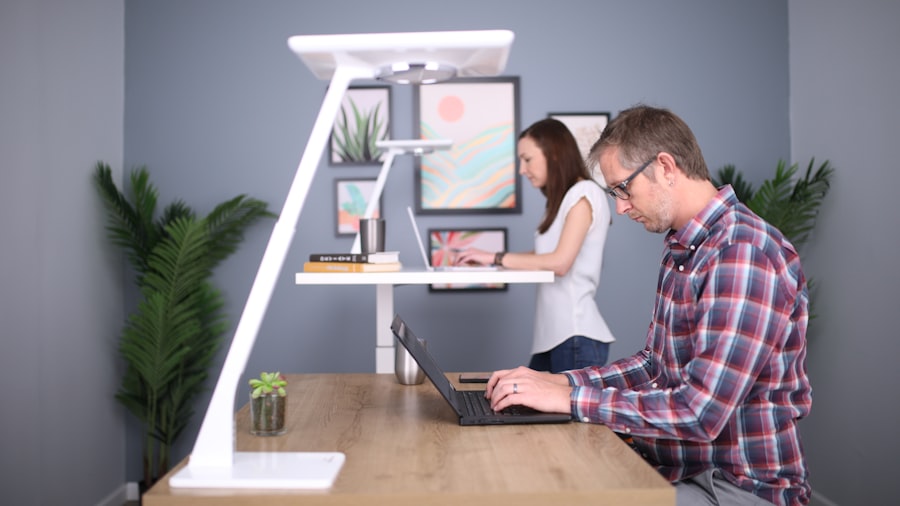
Standing desks come in various styles and configurations, each designed to cater to different preferences and requirements. One common type is the fixed-height standing desk, which remains at a set height and is suitable for users who prefer a consistent standing position throughout the day.
These desks are often more affordable but may not accommodate users of varying heights or those who wish to alternate between sitting and standing.
Another popular option is the adjustable-height standing desk, which allows users to modify the desk’s height according to their needs.
These desks can be operated manually or electronically, providing flexibility for multiple users or for those who want to switch positions frequently.
Some models even feature programmable settings that allow users to save their preferred heights for quick adjustments. Additionally, there are convertible desks that can transform from a traditional sitting desk into a standing desk by using a mechanism that raises the work surface. This type is ideal for individuals who want to maintain their existing desk while incorporating standing options.
Setting a Budget for Your Standing Desk

Establishing a budget is a critical step in the process of selecting a standing desk. Prices can vary significantly based on factors such as brand, materials, features, and design. Basic models may start at a lower price point, while high-end options with advanced features can be considerably more expensive. It is important to determine how much you are willing to invest in a standing desk while considering its potential impact on your health and productivity.
When setting your budget, consider not only the cost of the desk itself but also any additional expenses that may arise. For instance, you might need to purchase accessories such as an anti-fatigue mat, monitor risers, or ergonomic chairs for when you choose to sit. By accounting for these potential costs upfront, you can make a more informed decision and avoid overspending.
When setting up your home office, it’s essential to consider not only the right standing desk but also how other devices can enhance your workspace. For instance, if you’re a tech enthusiast, you might be interested in how smartwatches can integrate with your setup. A related article that explores this topic is available here, where you can learn about the compatibility of Samsung smartwatches with rooted phones. This information can help you optimize your home office experience by ensuring all your devices work seamlessly together.
Evaluating Ergonomic Features and Adjustability
| Criteria | Metric/Consideration | Recommended Range/Value | Notes |
|---|---|---|---|
| Desk Height Adjustability | Height Range | 28″ to 48″ (71 cm to 122 cm) | Should accommodate both sitting and standing positions comfortably |
| Weight Capacity | Maximum Load | 50 to 150 lbs (23 to 68 kg) | Ensure it supports your monitor(s), computer, and accessories |
| Desk Surface Area | Size | 30″ x 24″ to 60″ x 30″ (76 cm x 61 cm to 152 cm x 76 cm) | Choose based on available space and equipment needs |
| Adjustment Mechanism | Type | Electric, Manual Crank, or Pneumatic | Electric is faster and easier; manual is more affordable |
| Stability | Frame Material & Design | Steel or Aluminum Frame | Look for sturdy frames to reduce wobbling |
| Noise Level | Decibels (dB) | Less than 50 dB | Important if you work in quiet environments or on calls |
| Price Range | Cost | 100 to 600 | Depends on features, size, and brand |
| Additional Features | Examples | Built-in Cable Management, Memory Presets, USB Ports | Enhances convenience and organization |
Ergonomics plays a vital role in the effectiveness of a standing desk. When evaluating potential options, look for features that promote comfort and support proper posture. Key ergonomic elements include adjustable height settings, keyboard trays that can be positioned at an appropriate angle, and monitor stands that ensure screens are at eye level. These features help reduce strain on the body and can enhance overall comfort during long work hours.
Adjustability is another important consideration when selecting a standing desk. A desk that can accommodate various heights will be beneficial for multiple users or for those who wish to switch between sitting and standing frequently. Look for models with smooth height adjustment mechanisms that allow for easy transitions without disrupting workflow. Additionally, consider whether the desk has enough surface area to accommodate your work materials while maintaining an organized workspace.
When selecting the perfect standing desk for your home office, it’s essential to consider not only the desk’s height and design but also how it fits into your overall workspace setup. For those looking to enhance their productivity and ergonomics, you might find it helpful to explore related resources that discuss optimizing your home office environment. One such article is about free SEO tools for beginners, which can provide insights into creating a more efficient and organized workspace. You can read more about it here.
Researching Standing Desk Brands and Reviews
Once you have established your budget and identified your needs, it is time to research different brands and models of standing desks. Start by looking at reputable manufacturers known for producing quality office furniture. Many brands offer warranties or guarantees on their products, which can provide peace of mind regarding your investment.
Reading customer reviews can also provide valuable insights into the performance and durability of specific models. Pay attention to feedback regarding ease of assembly, stability when adjusted to different heights, and overall user satisfaction. Online forums and social media groups dedicated to office ergonomics can also be helpful resources for gathering opinions from individuals who have firsthand experience with various standing desks.
Testing Out Standing Desk Options
If possible, testing out different standing desk options before making a purchase is highly recommended. Many retailers offer showrooms where customers can try out various models and assess their comfort levels firsthand. Pay attention to how each desk feels when adjusted to different heights and whether it meets your ergonomic needs.
If visiting a showroom is not feasible, consider purchasing from retailers with flexible return policies that allow you to try out the desk in your own workspace. This way, you can evaluate its functionality in your daily routine and determine if it meets your expectations before committing fully.
Making Your Final Decision and Setting Up Your Standing Desk
After thorough research and testing, it is time to make your final decision regarding which standing desk best suits your needs. Take into account all factors discussed previously—budget, ergonomic features, adjustability, and brand reputation—before finalizing your choice. Once you have made your selection, proceed with the purchase and prepare for setup.
Setting up your new standing desk involves more than just assembling it; it also requires thoughtful organization of your workspace. Arrange your computer monitor at eye level and position your keyboard and mouse within easy reach to promote an ergonomic setup. Consider adding accessories such as an anti-fatigue mat to enhance comfort while standing. Finally, take time to adjust your habits as you transition into using a standing desk regularly; this may involve gradually increasing your standing time each day until you find a comfortable balance between sitting and standing.
In conclusion, transitioning to a standing desk can offer numerous benefits for health and productivity when approached thoughtfully. By understanding the advantages of standing desks, assessing personal needs, considering various types available on the market, setting a budget, evaluating ergonomic features, researching brands, testing options, and carefully setting up the workspace, individuals can make informed decisions that enhance their work experience.
FAQs
What are the key factors to consider when choosing a standing desk for a home office?
When selecting a standing desk, consider factors such as adjustable height range, desk size, weight capacity, stability, and ease of assembly. Additionally, think about your workspace layout and whether you prefer manual or electric height adjustment.
How important is the height adjustability feature in a standing desk?
Height adjustability is crucial because it allows you to switch between sitting and standing positions comfortably. A desk with a wide height range ensures it can accommodate your ergonomic needs and those of other users if shared.
What materials are commonly used for standing desks, and does material choice affect durability?
Standing desks are typically made from materials like wood, metal, or a combination of both. Metal frames provide strong support and durability, while wooden desktops offer aesthetic appeal. The choice of material can impact the desk’s longevity and stability.
Are there any health benefits associated with using a standing desk?
Yes, standing desks can help reduce the risks associated with prolonged sitting, such as back pain and poor posture. Alternating between sitting and standing can improve circulation, increase energy levels, and potentially enhance productivity.
Can standing desks accommodate additional accessories like monitor arms or keyboard trays?
Many standing desks are designed with compatibility for accessories such as monitor arms, keyboard trays, and cable management systems. It’s important to check the desk’s specifications to ensure it can support and integrate with the accessories you plan to use.