


Sustainable fashion refers to a movement and process that aims to create a system which can be supported indefinitely in terms of human impact on the environment and social responsibility. This approach encompasses a wide range of practices, from the use of eco-friendly materials to ethical labor practices, and it seeks to minimize the negative effects of the fashion industry on the planet. As awareness of environmental issues grows, consumers are increasingly demanding more sustainable options, prompting brands to rethink their production methods and supply chains.
The concept of sustainable fashion is not merely a trend; it represents a fundamental shift in how the industry operates. Traditional fashion practices often prioritize speed and cost over environmental and social considerations, leading to significant waste and exploitation. In contrast, sustainable fashion emphasizes longevity, quality, and ethical practices, encouraging consumers to make informed choices about their clothing. This shift is essential for addressing the pressing challenges posed by climate change, resource depletion, and social inequality within the fashion sector.
In the evolving landscape of sustainable fashion, the integration of technology is proving to be a game-changer, enhancing traceability and transparency throughout the supply chain. A related article discusses the intersection of technology and art, highlighting how the recent sale of a CryptoPunks NFT bundle for $17 million at Christie’s auction exemplifies the growing importance of digital assets in various industries. This trend not only reflects the increasing value placed on authenticity and provenance but also parallels the efforts in sustainable fashion to ensure that consumers can make informed choices. For more insights on this topic, you can read the article here: CryptoPunks NFT Bundle Goes for $17 Million in Christie’s Auction.
Key Takeaways
- Sustainable fashion emphasizes ethical production and environmental responsibility.
- Traceability and transparency are crucial for verifying sustainable practices in fashion supply chains.
- Technology, such as blockchain and IoT, plays a key role in tracking materials and processes.
- Tech solutions enhance consumer trust by providing clear, accessible information about product origins.
- Despite benefits, challenges like high costs and data complexity limit technology adoption in sustainable fashion.
The Importance of Traceability and Transparency in Fashion
Traceability and transparency are critical components of sustainable fashion. Traceability refers to the ability to track the journey of a product from its origin to its final destination, while transparency involves openly sharing information about the processes and practices involved in production. Together, these elements empower consumers to make informed decisions about their purchases and hold brands accountable for their practices.
The importance of traceability lies in its potential to reveal the true cost of fashion. By understanding where materials come from and how they are produced, consumers can better assess the environmental and social impacts of their clothing. Transparency complements this by providing insight into labor conditions, sourcing practices, and environmental policies. When brands are transparent about their supply chains, they foster trust with consumers and encourage a more ethical approach to fashion consumption.
The Role of Technology in Making Fashion Supply Chains Traceable

Technology plays a pivotal role in enhancing traceability within fashion supply chains. Innovations such as blockchain, RFID (Radio Frequency Identification), and IoT (Internet of Things) devices are being utilized to create more transparent systems. Blockchain technology, for instance, allows for secure and immutable records of transactions, enabling brands to track materials from their source to the consumer.
This level of detail not only helps in verifying claims about sustainability but also deters unethical practices.
Moreover, IoT devices can monitor various aspects of the supply chain in real-time, providing data on everything from environmental conditions during production to labor practices at factories. By integrating these technologies, brands can gain a comprehensive view of their supply chains, identifying areas for improvement and ensuring compliance with sustainability standards. As technology continues to evolve, its capacity to enhance traceability will likely expand, offering even more robust solutions for the fashion industry.
How Technology is Improving Transparency in Sustainable Fashion
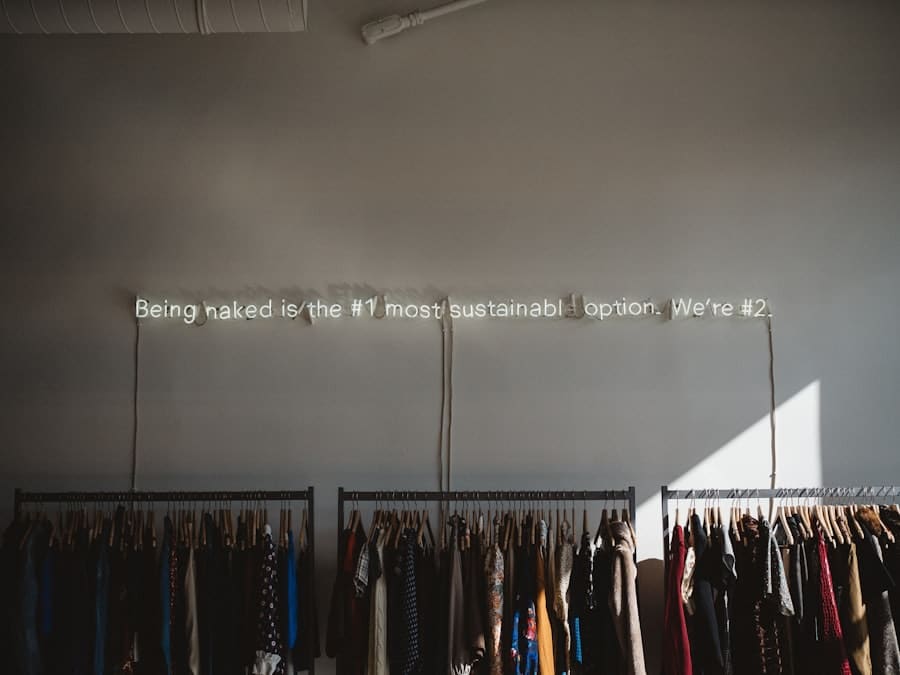
In addition to traceability, technology is significantly improving transparency in sustainable fashion. Digital platforms and applications are emerging that allow consumers to access detailed information about products before making a purchase. For example, some brands now provide QR codes on their labels that link to online resources detailing the product’s journey, including information about materials used, labor conditions, and environmental impact.
Furthermore, social media has become a powerful tool for promoting transparency. Brands can share behind-the-scenes content that showcases their production processes and ethical practices directly with consumers. This not only builds trust but also encourages dialogue around sustainability issues. As consumers become more engaged with the stories behind their clothing, they are more likely to support brands that prioritize ethical practices and transparency.
In exploring the intersection of technology and sustainable fashion, it’s fascinating to see how innovations are enhancing traceability and transparency within the industry. A related article discusses the best group buy SEO tools that can help businesses in various sectors, including fashion, improve their online presence and reach a wider audience. By leveraging these tools, brands can better communicate their sustainable practices and connect with eco-conscious consumers. For more insights on this topic, you can read the article here.
Examples of Tech Solutions for Traceability and Transparency in Fashion
| Technology | Application in Sustainable Fashion | Key Metrics | Impact on Traceability & Transparency |
|---|---|---|---|
| Blockchain | Immutable record of supply chain transactions | Number of verified supply chain steps, % of products with blockchain tags | Ensures authenticity and prevents fraud by providing transparent product history |
| RFID & NFC Tags | Real-time tracking of garments from production to retail | Scan frequency, % of inventory tagged, tracking accuracy rate | Enables consumers and brands to verify product origin and sustainability claims |
| AI & Machine Learning | Analyzing supply chain data for sustainability insights | Prediction accuracy, reduction in waste %, energy savings | Optimizes resource use and identifies inefficiencies in production |
| IoT Sensors | Monitoring environmental conditions during production and transport | Data points collected, % reduction in carbon footprint, water usage metrics | Provides real-time environmental impact data enhancing transparency |
| QR Codes | Consumer access to product lifecycle and sustainability info | Scan rates, consumer engagement %, info accuracy | Empowers consumers with transparent product information |
Several innovative tech solutions have emerged to enhance traceability and transparency in the fashion industry. One notable example is Provenance, a platform that enables brands to share the story of their products through blockchain technology. By providing verifiable information about sourcing and production processes, Provenance helps consumers make informed choices while holding brands accountable for their claims.
Another example is the use of RFID technology in inventory management. Brands like Zara have implemented RFID tags on their products to track them throughout the supply chain. This not only improves efficiency but also allows for better inventory control and reduces waste. Additionally, companies like Everledger are using blockchain to create digital identities for luxury goods, ensuring authenticity while providing transparency regarding sourcing and production.
The Benefits of Traceable and Transparent Fashion Supply Chains
The benefits of traceable and transparent fashion supply chains extend beyond consumer trust; they also contribute to broader environmental and social goals. By adopting traceability measures, brands can identify inefficiencies in their supply chains, leading to reduced waste and lower carbon footprints. This aligns with global efforts to combat climate change and promote sustainable practices across industries.
Moreover, transparency fosters ethical labor practices by exposing exploitative conditions that may exist within supply chains. When brands are held accountable for their sourcing decisions, they are more likely to invest in fair labor practices and ensure safe working conditions for employees. This not only benefits workers but also enhances brand reputation and loyalty among consumers who prioritize ethical considerations in their purchasing decisions.
Challenges and Limitations of Using Technology in Sustainable Fashion
Despite the potential benefits of technology in promoting traceability and transparency, several challenges remain. One significant limitation is the cost associated with implementing advanced technologies such as blockchain or IoT devices. Smaller brands may struggle to afford these solutions, creating a disparity between large corporations that can invest in technology and smaller enterprises that cannot.
Additionally, there is often a lack of standardization in how data is collected and shared across the industry. Without common frameworks or protocols, it can be challenging for brands to communicate their sustainability efforts effectively. This inconsistency may lead to confusion among consumers who seek reliable information about products. Furthermore, concerns about data privacy and security can hinder the adoption of certain technologies, as brands must navigate complex regulations while ensuring consumer trust.
The Future of Tech in Making Sustainable Fashion Traceable and Transparent
Looking ahead, the future of technology in sustainable fashion appears promising but requires ongoing collaboration among stakeholders. As consumer demand for transparency continues to grow, brands will need to invest in innovative solutions that enhance traceability while remaining cost-effective. The development of open-source platforms could facilitate greater collaboration among brands, allowing them to share best practices and resources.
Moreover, advancements in artificial intelligence (AI) could play a crucial role in analyzing data from supply chains, identifying trends, and predicting potential issues before they arise. By leveraging AI alongside existing technologies like blockchain and IoT, brands can create more resilient supply chains that prioritize sustainability.
In conclusion, while challenges remain in implementing technology for traceability and transparency in sustainable fashion, the potential benefits are significant. As the industry evolves, embracing these technologies will be essential for fostering a more ethical and sustainable future in fashion.
FAQs
What technologies are being used to make sustainable fashion more traceable?
Technologies such as blockchain, RFID tags, QR codes, and AI-powered supply chain management systems are commonly used to enhance traceability in sustainable fashion. These tools help track the origin, materials, and production processes of garments.
How does blockchain improve transparency in the fashion industry?
Blockchain creates a secure, immutable digital ledger that records every step of a garment’s lifecycle. This allows brands and consumers to verify the authenticity and sustainability claims of products, ensuring transparency and reducing fraud.
Why is traceability important for sustainable fashion?
Traceability helps verify that materials are sourced ethically and sustainably, ensures fair labor practices, and reduces environmental impact. It also builds consumer trust by providing clear information about a product’s journey from raw materials to finished goods.
Can consumers access information about a garment’s sustainability through technology?
Yes, consumers can scan QR codes or use apps linked to blockchain databases to access detailed information about a garment’s materials, manufacturing processes, and certifications, enabling informed purchasing decisions.
What impact does technology-driven transparency have on the fashion industry?
Technology-driven transparency encourages brands to adopt more sustainable practices, holds suppliers accountable, reduces greenwashing, and empowers consumers to support ethical fashion, ultimately promoting a more sustainable and responsible industry.