

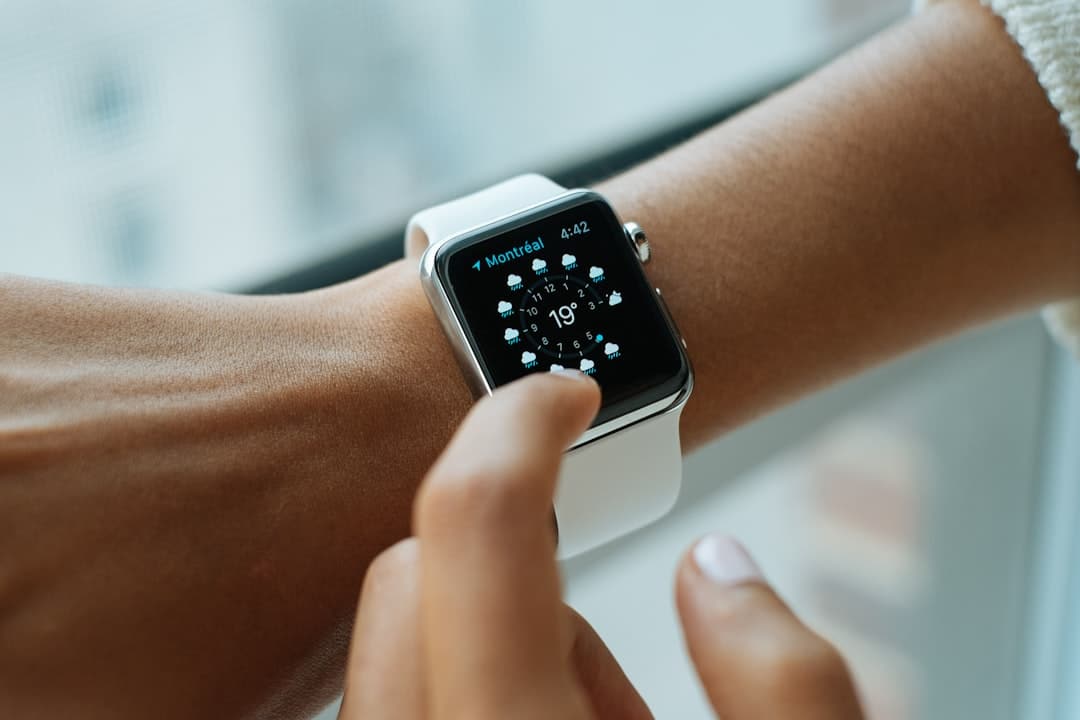
In recent years, the proliferation of smartwatches has revolutionized the landscape of personal fitness tracking. These sophisticated devices, which combine the functionality of traditional watches with advanced technology, have become indispensable tools for fitness enthusiasts and casual users alike. Smartwatches are equipped with a plethora of sensors and features that allow users to monitor their physical activity, track health metrics, and even receive real-time feedback on their performance.
This integration of technology into daily life has not only made fitness tracking more accessible but has also encouraged a more health-conscious society. The rise of smartwatches can be attributed to the growing awareness of health and wellness, coupled with advancements in wearable technology. As people increasingly seek ways to improve their physical fitness and overall well-being, smartwatches have emerged as a convenient solution.
They provide users with immediate access to vital health information, enabling them to make informed decisions about their fitness routines. The ability to track workouts, monitor heart rates, and analyze sleep patterns has transformed how individuals approach their health, making it easier to set and achieve personal fitness goals.
Key Takeaways
- Smartwatches offer convenient and continuous personal fitness tracking.
- They monitor physical activity and heart rate to provide real-time health data.
- Smartwatches help users set, track, and achieve personalized fitness goals.
- Integration with fitness apps enhances data analysis and workout planning.
- Future advancements will further improve health monitoring and wellness support.
The Advantages of Using Smartwatches for Fitness Tracking
One of the most significant advantages of using smartwatches for fitness tracking is their convenience. Unlike traditional fitness trackers, which may require users to carry additional devices or rely on smartphones, smartwatches are worn directly on the wrist. This hands-free approach allows for seamless monitoring of physical activity throughout the day without interrupting daily routines.
Users can easily check their progress, receive notifications, and even control music playback—all from their wrist. This level of accessibility encourages more consistent use and engagement with fitness tracking. Moreover, smartwatches often come equipped with a variety of built-in features that enhance the user experience.
Many models include GPS functionality, allowing users to track their outdoor activities such as running or cycling without needing to carry a phone. This feature not only provides accurate distance measurements but also enables users to explore new routes without the fear of getting lost. Additionally, smartwatches often support customizable watch faces and apps tailored to specific fitness needs, further personalizing the user experience and making fitness tracking more enjoyable.
How Smartwatches Monitor and Track Physical Activity
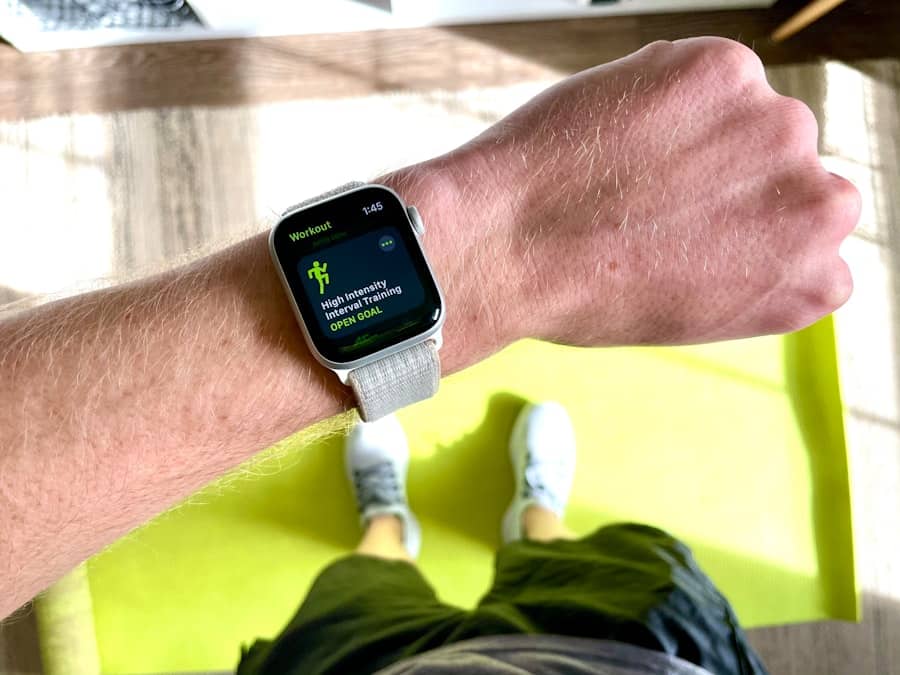
Smartwatches utilize an array of sensors to monitor and track physical activity effectively. Accelerometers, gyroscopes, and heart rate monitors work in tandem to provide comprehensive data on movement patterns and intensity levels. The accelerometer detects changes in motion, allowing the smartwatch to distinguish between different types of activities such as walking, running, or cycling.
This capability enables users to receive accurate feedback on their performance and adjust their workouts accordingly. In addition to basic activity tracking, many smartwatches offer advanced features such as automatic workout detection. This means that the device can recognize when a user begins a workout session and automatically log it without requiring manual input.
This feature is particularly beneficial for those who may forget to start tracking their activities or for individuals who engage in spontaneous workouts. Furthermore, some smartwatches provide detailed metrics such as calories burned, steps taken, and active minutes, giving users a comprehensive overview of their daily activity levels.
The Role of Smartwatches in Setting and Achieving Fitness Goals
Setting fitness goals is a crucial aspect of any successful exercise regimen, and smartwatches play a pivotal role in this process. Many devices allow users to establish specific targets related to steps taken, calories burned, or workout duration. By providing visual representations of progress through graphs and charts, smartwatches help users stay motivated and accountable.
The ability to set reminders or alerts for reaching milestones further enhances this experience, encouraging individuals to push themselves toward achieving their goals. Moreover, smartwatches often incorporate gamification elements that make the pursuit of fitness goals more engaging. Features such as challenges with friends or virtual rewards for completing specific tasks can foster a sense of community and competition among users.
This social aspect can be particularly motivating for individuals who thrive on encouragement from peers or who enjoy friendly rivalry. By transforming fitness tracking into an interactive experience, smartwatches help users remain committed to their health journeys.
Smartwatches and Heart Rate Monitoring
| Metric | Before Smartwatches | After Smartwatches | Impact |
|---|---|---|---|
| Heart Rate Monitoring | Manual checks or chest straps | Continuous, real-time monitoring | Improved accuracy and convenience |
| Step Counting | Basic pedometers with limited data | Advanced step tracking with goal setting | Increased motivation and activity levels |
| Sleep Tracking | Self-reported or no tracking | Automated sleep stage analysis | Better sleep quality awareness |
| Calorie Tracking | Manual logging and estimation | Automatic calorie burn estimation | More accurate diet and exercise balance |
| Workout Variety | Limited to gym or outdoor activities | Multiple sport modes and guided workouts | Enhanced fitness engagement |
| Data Synchronization | Manual data entry or none | Seamless sync with apps and cloud | Comprehensive health insights |
| Motivation & Reminders | Self-discipline dependent | Personalized notifications and challenges | Higher adherence to fitness goals |
Heart rate monitoring is one of the standout features of modern smartwatches, providing users with valuable insights into their cardiovascular health during workouts and throughout daily life. Most smartwatches utilize optical sensors that measure heart rate by detecting blood flow through the skin. This continuous monitoring allows users to gauge their exertion levels during exercise and ensure they are training within their target heart rate zones for optimal results.
Understanding heart rate data is essential for tailoring workouts to individual fitness levels and goals. For instance, athletes may aim to maintain a specific heart rate range to improve endurance or burn fat effectively. Conversely, beginners may use heart rate monitoring to avoid overexertion and reduce the risk of injury.
Many smartwatches also offer features that alert users when their heart rate exceeds or falls below predetermined thresholds, promoting safer exercise practices and encouraging users to listen to their bodies.
Integrating Smartwatches with Fitness Apps and Platforms
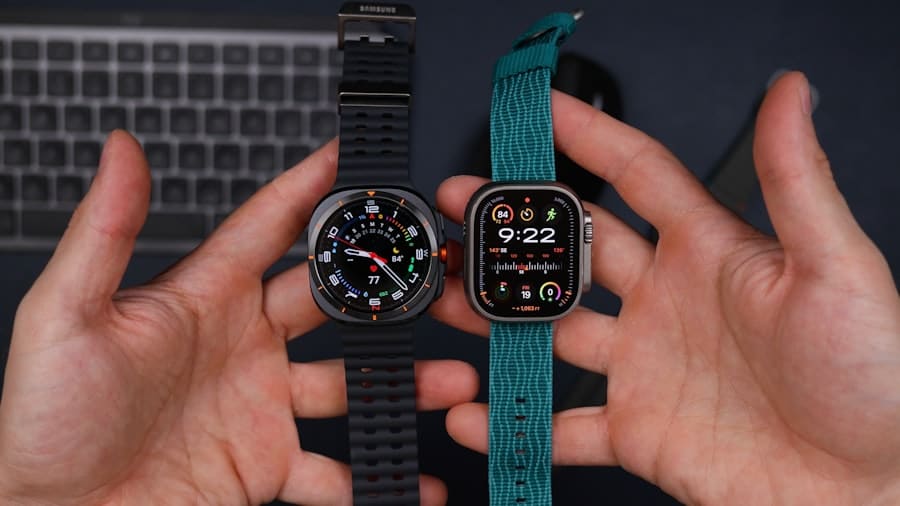
The integration of smartwatches with various fitness apps and platforms has further enhanced their utility in personal fitness tracking. Many popular fitness applications are designed to sync seamlessly with smartwatches, allowing users to consolidate their health data in one place. This integration enables individuals to analyze trends over time, set long-term goals, and receive personalized recommendations based on their activity levels.
For example, platforms like Strava or MyFitnessPal allow users to log workouts, track nutrition, and connect with other fitness enthusiasts. When paired with a smartwatch, these apps can provide real-time feedback during workouts while simultaneously updating users’ profiles with new data. This interconnectedness fosters a holistic approach to health management, empowering individuals to take charge of their fitness journeys with comprehensive insights at their fingertips.
The Future of Smartwatches in Personal Fitness Tracking
As technology continues to evolve at a rapid pace, the future of smartwatches in personal fitness tracking looks promising. Innovations such as advanced biometric sensors are on the horizon, potentially allowing for more accurate measurements of various health metrics beyond heart rate—such as blood oxygen levels or even glucose monitoring for diabetics. These advancements could transform smartwatches into essential tools for managing chronic health conditions while also enhancing general fitness tracking capabilities.
Additionally, artificial intelligence (AI) is poised to play a significant role in the future development of smartwatches. AI algorithms could analyze user data more effectively, providing personalized workout recommendations based on individual performance trends and preferences. This level of customization could lead to more efficient training regimens tailored specifically to each user’s unique needs and goals.
As smartwatches become increasingly sophisticated, they will likely serve not only as fitness trackers but also as comprehensive health management devices that promote overall well-being.
The Impact of Smartwatches on Personal Health and Wellness
The impact of smartwatches on personal health and wellness cannot be overstated. By providing users with real-time data on their physical activity and health metrics, these devices have empowered individuals to take control of their fitness journeys like never before. The convenience of having a comprehensive suite of tracking tools readily available on one’s wrist has made it easier for people to adopt healthier lifestyles and stay motivated in their pursuits.
As technology continues to advance, the potential for smartwatches in personal fitness tracking will only grow stronger. With innovations on the horizon that promise even greater accuracy and personalization, these devices will likely become integral components of health management strategies for individuals across all demographics. The future holds exciting possibilities for how we approach fitness and wellness through the lens of wearable technology, making it an exhilarating time for both consumers and developers in this rapidly evolving field.
For those interested in exploring how technology can enhance their fitness journey, a related article on the best software for online arbitrage can provide insights into leveraging digital tools for better decision-making in various aspects of life, including fitness. You can read more about it here: Best Software for Online Arbitrage.
FAQs
What are smartwatches and how do they work for fitness tracking?
Smartwatches are wearable devices that combine the functionality of a traditional watch with advanced computing capabilities. For fitness tracking, they use built-in sensors such as accelerometers, gyroscopes, heart rate monitors, and GPS to collect data on physical activities, heart rate, sleep patterns, and location. This data is then processed and displayed on the watch or synced with a smartphone app for detailed analysis.
What types of fitness metrics can smartwatches track?
Smartwatches can track a variety of fitness metrics including steps taken, distance traveled, calories burned, heart rate, sleep quality, active minutes, floors climbed, and specific workout types like running, cycling, swimming, and strength training. Some advanced models also monitor blood oxygen levels, stress, and recovery times.
How accurate are smartwatches in tracking fitness data?
The accuracy of smartwatches varies by brand and model but has generally improved significantly over recent years. While they provide reliable estimates for most fitness metrics, factors such as sensor quality, placement on the wrist, and user movement can affect precision. For clinical or highly precise measurements, specialized medical devices may still be preferred.
Can smartwatches help improve personal fitness goals?
Yes, smartwatches can motivate users to achieve fitness goals by providing real-time feedback, setting personalized targets, tracking progress, and offering reminders to stay active. Many devices also include coaching features, guided workouts, and social sharing options to enhance motivation and accountability.
Are smartwatches suitable for all types of fitness activities?
Most smartwatches support a wide range of fitness activities, including running, walking, cycling, swimming, and gym workouts. However, the suitability depends on the watch’s water resistance, sensor capabilities, and software support. It is important to choose a smartwatch that matches your preferred activities for optimal tracking.
Do smartwatches require a smartphone to function for fitness tracking?
While many smartwatches can track basic fitness data independently, they often require a smartphone for full functionality such as detailed data analysis, software updates, and syncing with health apps. Some models offer standalone features with cellular connectivity, allowing for more independent use.
How do smartwatches handle privacy and data security?
Smartwatch manufacturers typically implement encryption and secure data storage to protect user information. Users should review privacy policies and adjust settings to control data sharing. It is also advisable to keep the device’s software updated to safeguard against security vulnerabilities.
What are the benefits of using a smartwatch over traditional fitness trackers?
Smartwatches offer more comprehensive features beyond fitness tracking, including notifications, apps, music control, and customizable watch faces. They often provide more detailed health insights and better integration with smartphones, making them versatile devices for both fitness and everyday use.