

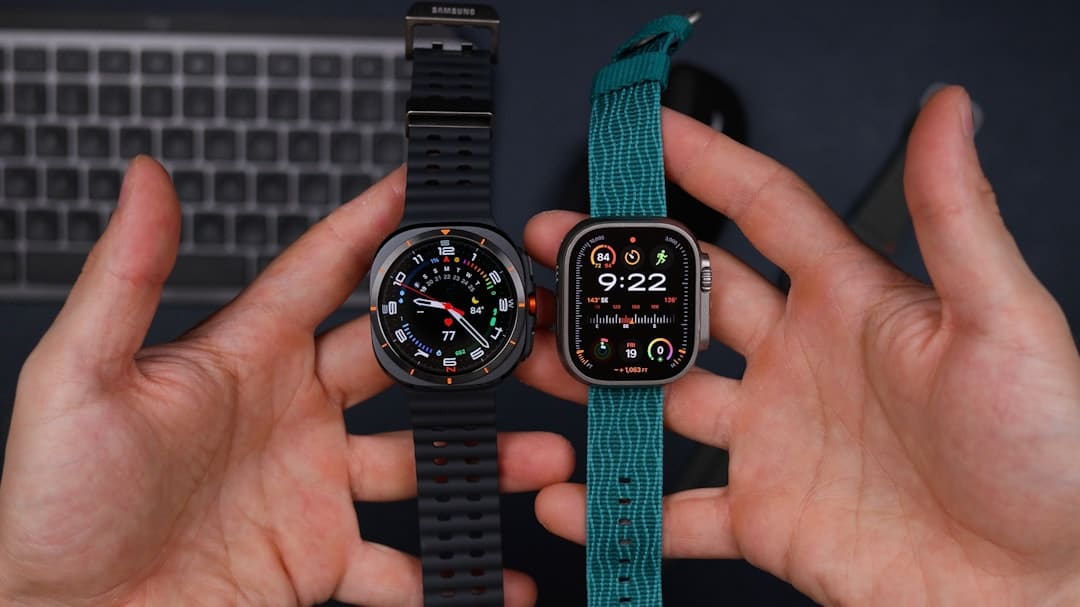
In recent years, smartwatches have emerged as a transformative force in the realm of personal fitness tracking. Initially, these devices were primarily seen as extensions of smartphones, offering notifications and basic functionalities. However, as technology has advanced, smartwatches have evolved into sophisticated fitness tools that cater to a wide range of health and wellness needs.
The integration of sensors, GPS capabilities, and advanced algorithms has enabled these devices to monitor various physical activities with remarkable accuracy. This evolution has coincided with a growing public interest in health and fitness, driven by an increasing awareness of lifestyle-related diseases and the importance of maintaining an active lifestyle. The proliferation of smartwatches can be attributed to several factors, including the rise of wearable technology and the increasing accessibility of fitness data.
Major tech companies have invested heavily in research and development to create devices that not only track physical activity but also provide insights into overall health. For instance, brands like Apple, Garmin, and Fitbit have introduced features such as heart rate monitoring, sleep tracking, and even ECG capabilities. This has made it easier for individuals to take charge of their health by providing real-time feedback on their physical activities and overall well-being.
As a result, smartwatches have become indispensable tools for fitness enthusiasts and casual users alike, marking a significant shift in how people approach personal fitness.
Key Takeaways
- Smartwatches have become essential tools for personal fitness tracking and health monitoring.
- They offer benefits like real-time data, personalized insights, and improved goal setting.
- Integration with fitness apps enhances workout planning and progress tracking.
- Smartwatches boost motivation and accountability through reminders and social features.
- Choosing the right smartwatch depends on individual fitness goals, features, and compatibility.
The Benefits of Using Smartwatches for Fitness Tracking
The benefits of using smartwatches for fitness tracking are manifold, making them an attractive option for individuals seeking to enhance their physical activity levels. One of the most significant advantages is the ability to monitor various metrics in real-time.
This immediate feedback allows users to adjust their activities on the fly, ensuring they remain within their desired intensity levels or meet specific fitness goals. Moreover, smartwatches often come equipped with features that promote a more holistic approach to fitness. For example, many devices include sleep tracking capabilities that analyze sleep patterns and provide insights into sleep quality.
Understanding how sleep affects overall health can help users make informed decisions about their daily routines. Additionally, some smartwatches offer guided workouts or coaching features that can help users improve their form or technique during exercises. This level of personalization is invaluable for those looking to optimize their training regimens or recover from injuries.
The Role of Smartwatches in Monitoring Health and Wellness
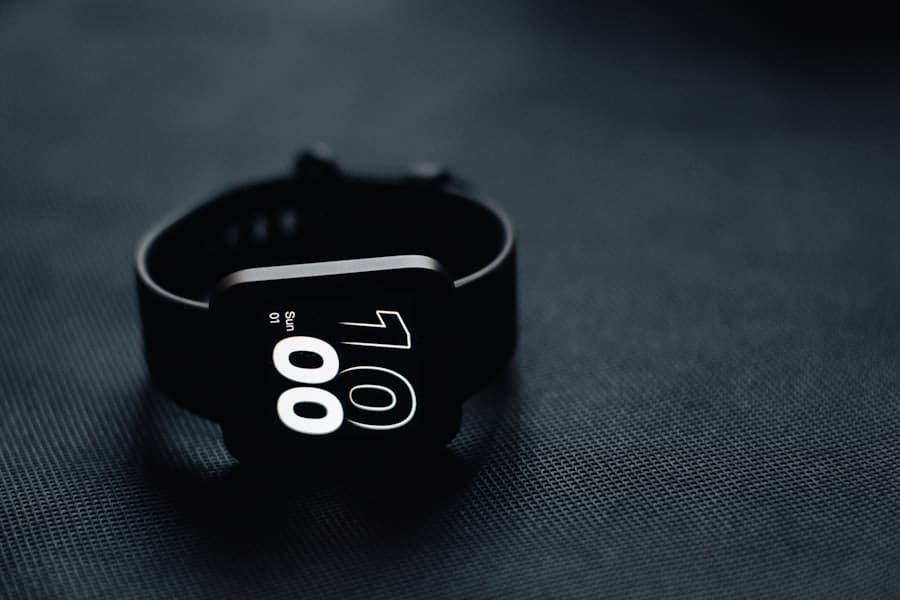
Beyond fitness tracking, smartwatches play a crucial role in monitoring overall health and wellness. Many modern devices are equipped with advanced sensors that can measure heart rate variability, blood oxygen levels, and even stress levels through electrodermal activity. These metrics provide users with a comprehensive view of their health status and can alert them to potential issues before they become serious problems.
For instance, an irregular heart rate detected by a smartwatch may prompt a user to seek medical advice, potentially catching a condition early. Furthermore, the integration of health monitoring features into smartwatches has made it easier for users to manage chronic conditions. For individuals with diabetes, certain smartwatches can sync with continuous glucose monitors to provide real-time glucose readings.
This capability allows users to make informed dietary choices and manage their condition more effectively. Similarly, those with hypertension can benefit from heart rate monitoring features that help them keep track of their blood pressure trends over time. By empowering users with actionable health data, smartwatches are not just fitness trackers; they are essential tools for proactive health management.
How Smartwatches Are Changing the Way We Set and Achieve Fitness Goals
The advent of smartwatches has fundamentally altered how individuals set and achieve their fitness goals. Traditional goal-setting often relied on vague aspirations or infrequent assessments of progress. In contrast, smartwatches provide users with concrete data that can inform goal-setting processes.
For example, a user might set a goal to walk 10,000 steps daily based on their current activity levels tracked by the device. The smartwatch not only tracks this goal but also provides reminders and motivational prompts throughout the day to encourage users to stay active. Moreover, the gamification of fitness through smartwatches has made achieving goals more engaging.
Many devices feature challenges that allow users to compete with friends or family members, fostering a sense of community and accountability. This social aspect can be particularly motivating; users are more likely to stick to their fitness routines when they know others are participating alongside them. Additionally, the ability to visualize progress through graphs and statistics on the smartwatch or accompanying app can reinforce positive behaviors and encourage users to push beyond their limits.
The Integration of Smartwatches with Fitness Apps and Programs
| Metric | Before Smartwatches | After Smartwatches | Impact |
|---|---|---|---|
| Heart Rate Monitoring | Manual checks or chest straps | Continuous, real-time monitoring | Improved accuracy and convenience |
| Step Counting | Pedometers with limited accuracy | Integrated sensors with advanced algorithms | More precise daily activity tracking |
| Sleep Tracking | Self-reported or basic devices | Detailed sleep stage analysis | Better understanding of sleep quality |
| Calorie Tracking | Manual logging and estimation | Automatic estimation based on activity and biometrics | Enhanced diet and fitness planning |
| Workout Recognition | Manual input of exercise type | Automatic detection of workout type and intensity | More personalized fitness insights |
| Motivation & Reminders | None or external apps | Real-time alerts and goal reminders | Increased user engagement and consistency |
| Data Integration | Isolated data sources | Seamless syncing with health apps and platforms | Comprehensive health management |
The seamless integration of smartwatches with various fitness apps and programs has further enhanced their utility in personal fitness tracking. Many popular fitness applications are designed to sync effortlessly with smartwatches, allowing users to consolidate their health data in one place. For instance, apps like Strava or MyFitnessPal enable users to log workouts, track nutrition, and monitor progress over time while utilizing the smartwatch’s tracking capabilities for real-time data collection.
This integration extends beyond mere data collection; it also facilitates personalized training programs tailored to individual needs. Users can access guided workouts through their smartwatches that adapt based on performance metrics collected during previous sessions. This level of customization ensures that users are not only following a generic workout plan but are instead engaging in exercises that align with their specific goals and fitness levels.
As a result, the synergy between smartwatches and fitness apps creates a comprehensive ecosystem that supports users in achieving their health objectives more effectively.
The Impact of Smartwatches on Motivation and Accountability in Fitness

Motivation is a critical component of any successful fitness journey, and smartwatches have proven to be powerful tools in fostering this motivation. The instant feedback provided by these devices serves as a constant reminder of one’s progress and achievements. For example, receiving notifications about reaching daily step goals or completing a workout can trigger feelings of accomplishment that encourage users to maintain or increase their activity levels.
This immediate reinforcement is essential for building positive habits over time. Additionally, the accountability factor associated with smartwatches cannot be overlooked. Many users find that sharing their fitness data with friends or participating in challenges creates a sense of responsibility towards their goals.
When individuals know that others are aware of their progress—or lack thereof—they may be more inclined to stay committed to their routines. This social accountability is further amplified by features that allow users to send encouragement or compete against one another in various challenges, creating a supportive environment that fosters long-term adherence to fitness regimens.
The Future of Smartwatches in Personal Fitness Tracking
As technology continues to advance at an unprecedented pace, the future of smartwatches in personal fitness tracking looks promising. Innovations such as artificial intelligence (AI) and machine learning are expected to play significant roles in enhancing the capabilities of these devices. For instance, future smartwatches may utilize AI algorithms to analyze user data more comprehensively, providing personalized recommendations for workouts or lifestyle changes based on individual patterns and preferences.
Moreover, the potential for improved health monitoring features is vast. Future iterations of smartwatches may include even more advanced sensors capable of tracking additional health metrics such as hydration levels or metabolic rates. This would allow users to gain deeper insights into their overall wellness and make more informed decisions about their health behaviors.
As smartwatches become increasingly sophisticated, they will likely evolve from being mere fitness trackers to comprehensive health management tools that empower users to take control of their well-being.
Tips for Choosing the Right Smartwatch for Your Fitness Needs
Selecting the right smartwatch for personal fitness tracking can be a daunting task given the plethora of options available on the market today. One crucial factor to consider is the specific features that align with your fitness goals. For instance, if you are an avid runner, look for a smartwatch with built-in GPS capabilities for accurate distance tracking without needing your phone.
Additionally, consider whether you require advanced metrics such as heart rate variability or VO2 max readings if you are training for competitive events. Another important aspect is compatibility with existing fitness apps or ecosystems you may already be using. Some smartwatches work seamlessly with specific applications like Apple Health or Google Fit, while others may have limited integration options.
It’s also wise to evaluate battery life; frequent charging can be inconvenient if you plan on using your smartwatch for extended periods during workouts or outdoor activities. Finally, consider comfort and design; since you will likely wear your smartwatch throughout the day and during workouts, choosing one that fits well and suits your style is essential for long-term satisfaction. In conclusion, the rise of smartwatches has significantly impacted personal fitness tracking by providing users with advanced tools for monitoring health and wellness while fostering motivation and accountability in achieving fitness goals.
As technology continues to evolve, these devices will likely become even more integral to our daily lives, offering unprecedented insights into our health and well-being.
For those interested in exploring how technology is shaping various industries, a related article on the impact of technology can be found at Recode, which discusses the latest advancements and trends in tech that are influencing our daily lives.
FAQs
What are smartwatches?
Smartwatches are wearable devices that combine the functionality of a traditional watch with advanced features such as fitness tracking, notifications, and health monitoring.
How do smartwatches track personal fitness?
Smartwatches use built-in sensors like accelerometers, heart rate monitors, GPS, and gyroscopes to collect data on physical activities, heart rate, sleep patterns, and more, providing real-time feedback and long-term health insights.
What types of fitness activities can smartwatches monitor?
Smartwatches can track a variety of activities including walking, running, cycling, swimming, strength training, and even specialized workouts like yoga or HIIT.
Are smartwatches accurate in tracking fitness data?
While smartwatches provide reasonably accurate data for most users, the precision can vary depending on the device model, sensor quality, and how the watch is worn.
Can smartwatches help improve fitness goals?
Yes, by providing real-time feedback, progress tracking, goal setting, and motivational alerts, smartwatches can help users stay motivated and make informed decisions to improve their fitness.
Do smartwatches monitor health metrics beyond fitness?
Many smartwatches also monitor health metrics such as heart rate variability, blood oxygen levels, sleep quality, stress levels, and some even offer ECG and fall detection features.
Are smartwatches compatible with other fitness apps?
Most smartwatches can sync with popular fitness and health apps, allowing users to consolidate their data and gain deeper insights into their health and fitness.
What are the benefits of using a smartwatch for fitness tracking?
Benefits include convenience, continuous monitoring, personalized insights, motivation through reminders and challenges, and the ability to track progress over time.
Do smartwatches require a smartphone to function?
While many smartwatches can perform basic fitness tracking independently, full functionality, including notifications and app syncing, typically requires pairing with a smartphone.
How has the technology in smartwatches evolved to enhance fitness tracking?
Advancements include improved sensor accuracy, longer battery life, enhanced algorithms for activity recognition, integration of AI for personalized coaching, and expanded health monitoring features.