

In recent years, the proliferation of smartwatches has transformed the landscape of personal fitness tracking, merging technology with health and wellness in unprecedented ways. These devices, which were once primarily seen as extensions of smartphones, have evolved into sophisticated tools that offer a plethora of features designed to monitor and enhance physical activity. The integration of sensors, advanced algorithms, and connectivity options has made smartwatches indispensable for fitness enthusiasts and casual users alike.
As individuals increasingly seek to take control of their health, smartwatches have emerged as a vital component in the quest for improved fitness and well-being. The rise of smartwatches can be attributed to a growing awareness of the importance of physical activity and health monitoring. With sedentary lifestyles becoming more prevalent, many people are turning to technology to help them stay active and engaged in their fitness journeys.
Smartwatches not only provide real-time data on various physical activities but also encourage users to adopt healthier habits through reminders and goal-setting features. This convergence of technology and health has created a new paradigm in personal fitness tracking, where users can leverage data-driven insights to make informed decisions about their health.
Key Takeaways
- Smartwatches play a crucial role in tracking physical activity and monitoring health metrics.
- They offer features like heart rate monitoring, step counting, and workout tracking to support fitness goals.
- Integration with health and fitness apps enhances personalized fitness management.
- Smartwatches help users set, track, and achieve their fitness objectives effectively.
- The future of smartwatches promises advanced health monitoring and more comprehensive wellness support.
The Role of Smartwatches in Monitoring Physical Activity
Smartwatches play a pivotal role in monitoring physical activity by providing users with real-time feedback on their movements and exercise routines. Equipped with accelerometers, gyroscopes, and GPS capabilities, these devices can accurately track a wide range of activities, from walking and running to cycling and swimming. For instance, when a user goes for a run, the smartwatch can measure distance traveled, pace, and even elevation changes, offering a comprehensive overview of the workout.
This level of detail allows users to understand their performance better and make adjustments as needed. Moreover, smartwatches often come with built-in activity recognition features that automatically detect when a user begins a workout. This means that individuals do not need to manually start tracking their activities; the device does it for them.
This automation is particularly beneficial for those who may forget to log their workouts or are new to fitness tracking. By seamlessly integrating activity monitoring into daily life, smartwatches encourage users to remain active throughout the day, promoting a more dynamic lifestyle.
Features and Benefits of Smartwatches for Fitness Tracking
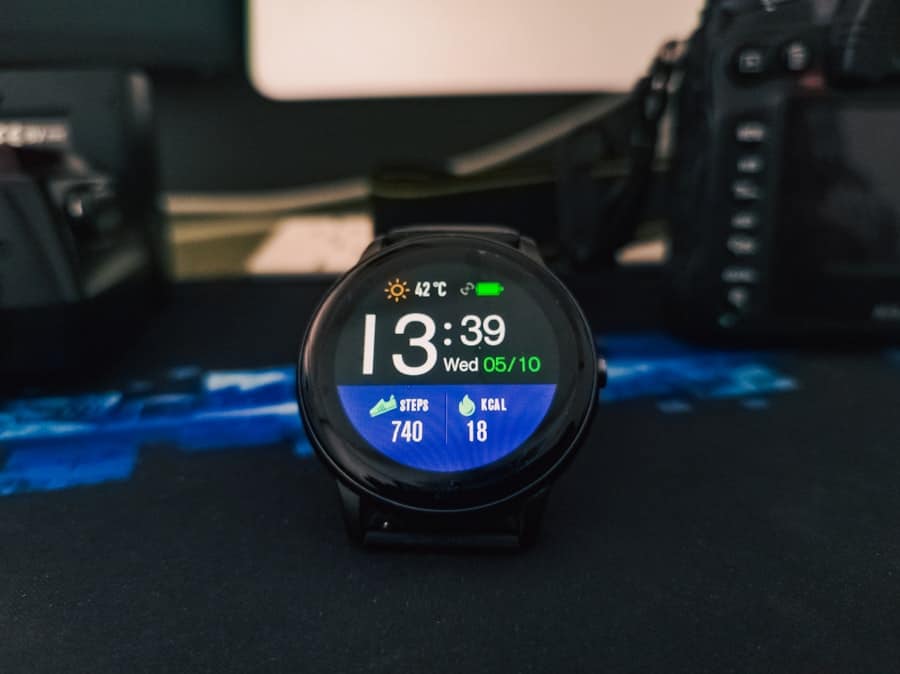
The features offered by smartwatches extend far beyond basic activity tracking. Many models include heart rate monitors, sleep tracking capabilities, and even stress management tools. Heart rate monitoring is particularly significant as it provides insights into cardiovascular health and helps users gauge the intensity of their workouts.
For example, during high-intensity interval training (HIIT), users can monitor their heart rate in real-time to ensure they are working within their target zones for optimal fat burning and cardiovascular benefits. Sleep tracking is another critical feature that has gained traction among smartwatch users. By analyzing sleep patterns, duration, and quality, smartwatches can help individuals identify factors that may be affecting their rest.
Poor sleep can hinder fitness progress, making it essential for users to understand their sleep habits. Some smartwatches even offer guided breathing exercises or relaxation techniques to help users unwind before bedtime, further enhancing overall wellness.
How Smartwatches Help in Setting and Achieving Fitness Goals
Setting fitness goals is an integral part of any successful exercise regimen, and smartwatches provide the tools necessary to establish and track these objectives effectively. Users can set specific targets related to steps taken, calories burned, or workout frequency, allowing them to tailor their fitness journeys according to personal preferences and capabilities. For instance, a user might aim to walk 10,000 steps daily or complete three workouts per week.
The smartwatch serves as a constant reminder of these goals, motivating users to stay on track. Additionally, many smartwatches offer progress tracking features that visualize achievements over time. Graphs and charts displaying trends in activity levels or weight loss can be incredibly motivating for users.
When individuals see tangible evidence of their hard work—such as reaching a milestone or improving performance metrics—they are more likely to remain committed to their fitness goals. This feedback loop fosters a sense of accomplishment and encourages users to push themselves further.
The Integration of Smartwatches with Health and Fitness Apps
| Metric | Before Smartwatches | After Smartwatches | Impact |
|---|---|---|---|
| Heart Rate Monitoring | Manual checks or chest straps | Continuous, real-time monitoring | Improved accuracy and convenience |
| Step Counting | Pedometers with limited accuracy | Advanced sensors with daily tracking | Better motivation and goal setting |
| Sleep Tracking | Self-reported or basic devices | Detailed sleep stage analysis | Enhanced sleep quality awareness |
| Calorie Tracking | Manual logging | Automatic estimation based on activity | More precise energy balance management |
| Workout Recognition | Manual input | Automatic detection of exercise types | Streamlined fitness tracking |
| Motivation & Reminders | None or external apps | Personalized notifications and challenges | Increased user engagement |
| Data Integration | Fragmented data sources | Unified health dashboards | Comprehensive health insights |
The integration of smartwatches with various health and fitness applications has further enhanced their utility as personal fitness trackers. Many popular apps are designed to sync seamlessly with smartwatches, allowing users to access a wealth of information at their fingertips. For example, applications like MyFitnessPal or Strava enable users to log their meals or track specific workouts while receiving real-time updates on their smartwatch.
This interconnectedness creates a holistic approach to health management. Moreover, the ability to connect with social platforms adds a layer of accountability and community support. Users can share their achievements with friends or join challenges that foster friendly competition.
This social aspect can be particularly motivating for individuals who thrive on encouragement from others. By leveraging technology in this way, smartwatches not only facilitate personal tracking but also create a supportive environment that promotes sustained engagement in fitness activities.
Smartwatches and Heart Rate Monitoring

Heart rate monitoring is one of the standout features of modern smartwatches, providing critical insights into an individual’s cardiovascular health during exercise and at rest. Most smartwatches utilize photoplethysmography (PPG) technology, which measures blood flow through the skin using light sensors.
Understanding heart rate zones is essential for optimizing workouts. Smartwatches typically categorize heart rates into different zones—resting, fat-burning, aerobic, anaerobic, and maximum—enabling users to tailor their training intensity accordingly. For instance, during endurance training, staying within the aerobic zone can enhance stamina without overexerting oneself.
Conversely, during high-intensity workouts, pushing into the anaerobic zone can lead to improved performance and strength gains. By providing real-time heart rate data, smartwatches empower users to make informed decisions about their training regimens.
The Impact of Smartwatches on Overall Health and Wellness
The impact of smartwatches extends beyond mere fitness tracking; they play a significant role in promoting overall health and wellness. By encouraging regular physical activity and providing insights into various health metrics, these devices contribute to healthier lifestyles. For instance, many smartwatches include reminders to stand up or move after prolonged periods of inactivity—a feature particularly beneficial for those with sedentary jobs.
Furthermore, the mental health benefits associated with using smartwatches should not be overlooked. The act of setting goals and tracking progress can foster a sense of achievement and purpose. Additionally, features such as mindfulness exercises or guided breathing sessions can help users manage stress levels effectively.
As mental well-being becomes increasingly recognized as an essential component of overall health, smartwatches are well-positioned to support users in achieving balance in both physical and mental domains.
The Future of Smartwatches in Personal Fitness Tracking
As technology continues to advance at an unprecedented pace, the future of smartwatches in personal fitness tracking looks promising. Innovations such as improved battery life, enhanced sensor accuracy, and artificial intelligence integration are on the horizon. For instance, future models may incorporate advanced biometric sensors capable of measuring additional health metrics like blood glucose levels or hydration status—data that could revolutionize how individuals manage their health.
Moreover, the potential for greater personalization through machine learning algorithms could lead to tailored fitness recommendations based on individual user data.
As smartwatches become more sophisticated in their capabilities, they will likely play an even more integral role in shaping the future landscape of personal fitness tracking and overall health management.
Smartwatches are not only transforming personal fitness tracking but also enhancing the overall user experience through innovative applications. For those interested in maximizing their smartwatch capabilities, a related article titled The Best Smartwatch Apps of 2023 provides insights into the most effective applications that can complement fitness tracking features, making it easier for users to achieve their health goals.
FAQs
What are smartwatches?
Smartwatches are wearable devices that combine the functionality of a traditional watch with advanced features such as fitness tracking, notifications, and health monitoring.
How do smartwatches track personal fitness?
Smartwatches use built-in sensors like accelerometers, heart rate monitors, GPS, and gyroscopes to collect data on physical activities, heart rate, sleep patterns, and more, providing real-time feedback and long-term health insights.
What types of fitness activities can smartwatches monitor?
Smartwatches can track a variety of activities including walking, running, cycling, swimming, strength training, and even specialized workouts like yoga or HIIT.
Are smartwatch fitness trackers accurate?
While smartwatches provide reasonably accurate data for most users, the precision can vary depending on the device model, sensor quality, and how the watch is worn.
Can smartwatches help improve fitness goals?
Yes, by providing real-time data, personalized insights, and goal-setting features, smartwatches motivate users to stay active and make informed decisions about their health and fitness routines.
Do smartwatches monitor heart health?
Many smartwatches include heart rate monitoring and some advanced models can detect irregular heart rhythms, providing valuable information for cardiovascular health.
How do smartwatches track sleep?
Smartwatches use motion sensors and heart rate data to analyze sleep duration and quality, helping users understand their sleep patterns and improve rest.
Are smartwatches suitable for all age groups?
Yes, smartwatches can be used by people of various ages, but features and usability may vary depending on the user’s needs and technological comfort level.
Do smartwatches require a smartphone to function?
While many smartwatches can operate independently for fitness tracking, pairing with a smartphone enhances functionality such as data syncing, notifications, and app integration.
What are the benefits of using a smartwatch for fitness tracking?
Benefits include continuous health monitoring, personalized fitness insights, motivation through goal tracking, convenience, and the ability to integrate with other health apps and devices.