

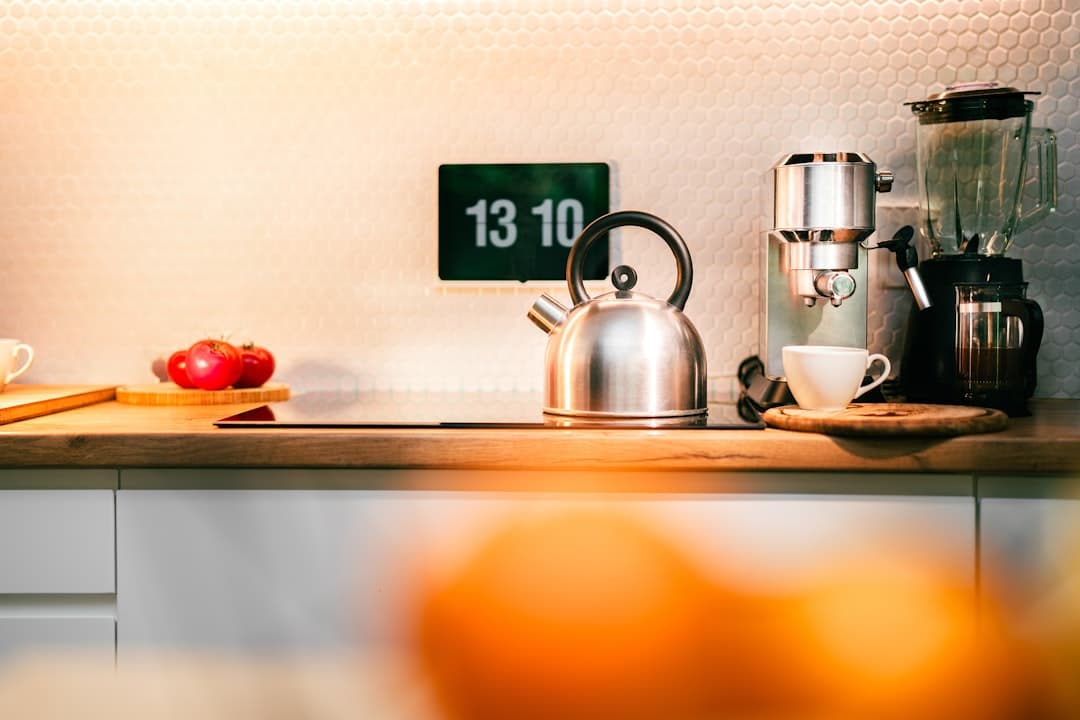
Smart home technology integrates internet-connected devices and automated systems into residential environments, enabling remote control and autonomous operation of household functions. These systems utilize wireless communication protocols, sensors, and software applications to manage lighting, heating, cooling, security, and appliances through centralized control interfaces or mobile applications. The technology operates through the Internet of Things (IoT) framework, where interconnected devices collect and exchange data to optimize home operations.
Key components include smart thermostats, lighting systems, security cameras, door locks, and energy monitoring devices. These systems can be programmed to respond to schedules, environmental conditions, or user preferences, reducing manual intervention while maintaining desired comfort levels. Current smart home adoption is facilitated by improvements in wireless standards such as Wi-Fi 6, Zigbee, and Z-Wave, which provide reliable connectivity between devices.
Machine learning algorithms enable these systems to analyze usage patterns and adjust operations accordingly. For example, smart thermostats can reduce energy consumption by learning occupancy schedules and adjusting temperatures during unoccupied periods. Market research indicates significant growth in smart home device adoption, with global revenue projected to reach $537 billion by 2030.
This expansion is driven by decreasing hardware costs, improved user interfaces, and increased consumer awareness of energy efficiency benefits. Integration with voice assistants and smartphone applications has simplified system management, making smart home technology accessible to a broader consumer base.
Key Takeaways
- Smart home technology enables efficient monitoring and control of energy usage.
- Energy-efficient appliances and automated systems reduce overall consumption.
- Smart lighting solutions contribute to significant energy savings.
- Integration with renewable energy sources enhances sustainability.
- Data analysis supports optimized energy management and cost reduction.
Monitoring and Controlling Energy Usage
One of the most significant advantages of smart home technology is its ability to monitor and control energy usage in real-time. Smart meters and energy monitoring systems provide homeowners with detailed insights into their energy consumption patterns, allowing them to identify areas where they can reduce waste. For example, a smart energy monitor can track the electricity usage of individual appliances, enabling users to pinpoint which devices are consuming the most power.
This level of granularity empowers homeowners to make informed decisions about their energy use, leading to more efficient consumption. Moreover, many smart home systems offer remote control capabilities through mobile applications. This means that homeowners can adjust their energy usage even when they are not at home.
For instance, if someone forgets to turn off the lights or an appliance before leaving for work, they can easily do so via their smartphone. Additionally, some systems can send alerts when energy consumption exceeds a certain threshold, prompting users to take action. This proactive approach not only helps in managing energy costs but also contributes to a more sustainable lifestyle by reducing overall energy demand.
Energy Efficient Appliances and Devices
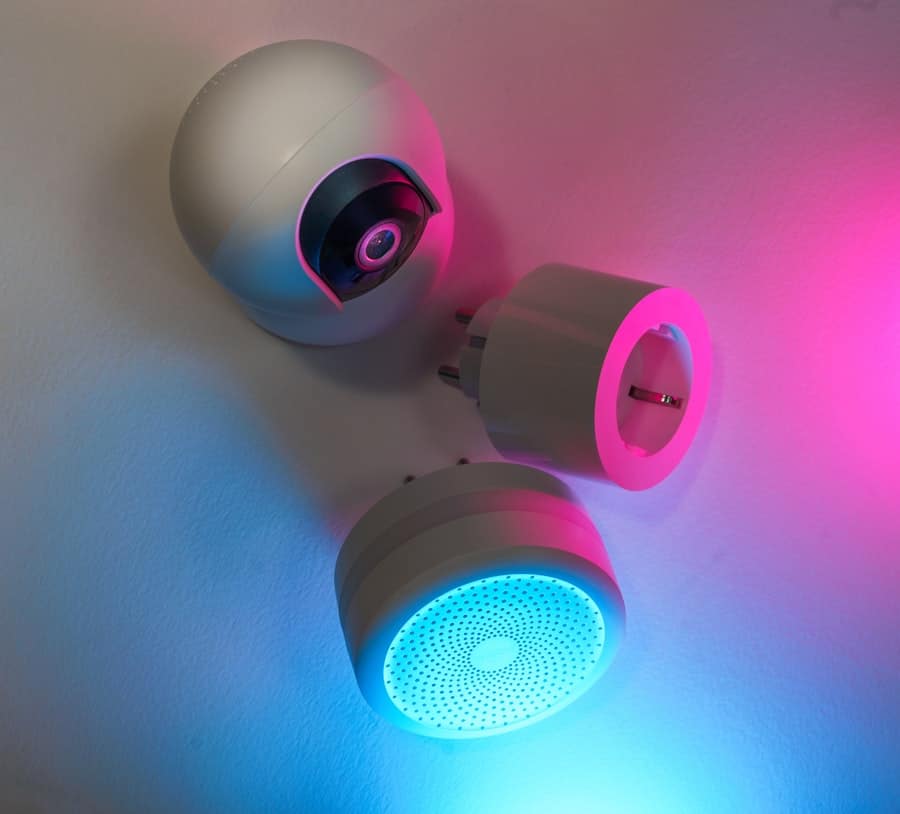
The integration of energy-efficient appliances and devices is a cornerstone of smart home technology. Manufacturers are increasingly designing products that meet stringent energy efficiency standards while incorporating smart features that enhance usability. For example, Energy Star-rated appliances such as refrigerators, washing machines, and dishwashers are engineered to consume less energy while maintaining high performance levels.
When these appliances are connected to a smart home system, they can be programmed to operate during off-peak hours when electricity rates are lower, further optimizing energy use. In addition to traditional appliances, smart home technology has given rise to innovative devices such as smart plugs and power strips. These devices allow users to control the power supply to multiple appliances from a single interface.
For instance, a smart plug can be programmed to turn off power to devices that are not in use, effectively eliminating phantom loads—energy consumed by electronics when they are turned off but still plugged in. By incorporating these energy-efficient solutions into their homes, consumers can significantly reduce their carbon footprint while enjoying the benefits of modern technology.
Automated Heating and Cooling Systems
Automated heating and cooling systems are among the most impactful applications of smart home technology in terms of energy efficiency. Smart thermostats, such as those offered by Nest and Ecobee, utilize advanced algorithms and sensors to optimize temperature settings based on user preferences and occupancy patterns. These devices can learn when residents are typically home or away and adjust heating or cooling accordingly.
For example, if a household is empty during the day, the thermostat can lower the temperature in winter or raise it in summer, conserving energy without sacrificing comfort. Furthermore, many automated heating and cooling systems can be integrated with other smart home devices for enhanced efficiency. For instance, when paired with smart blinds or shades, these systems can adjust indoor temperatures based on sunlight exposure.
During hot summer days, smart blinds can close automatically when the sun is at its peak, reducing the need for air conditioning. Conversely, in winter months, they can open to allow sunlight in, naturally warming the home. This level of integration not only maximizes comfort but also minimizes reliance on traditional heating and cooling methods, leading to substantial energy savings.
Smart Lighting Solutions
| Smart Home Technology | Energy Consumption Reduction (%) | Key Metrics | Impact Description |
|---|---|---|---|
| Smart Thermostats | 10-15% | Average temperature optimization, scheduling, remote control | Reduces heating and cooling energy by adjusting temperature based on occupancy and preferences. |
| Smart Lighting | 20-30% | Automated dimming, occupancy sensors, daylight harvesting | Minimizes electricity use by turning off or dimming lights when rooms are unoccupied or during daylight. |
| Energy Monitoring Systems | 5-10% | Real-time energy usage feedback, appliance-level monitoring | Encourages energy-saving behavior by providing detailed consumption data to homeowners. |
| Smart Appliances | 10-25% | Energy-efficient modes, scheduling, remote operation | Optimizes appliance operation times and modes to reduce peak energy use and overall consumption. |
| Automated Window Shades | 5-10% | Sunlight control, temperature regulation | Reduces heating and cooling loads by controlling solar heat gain through windows. |
Smart lighting solutions have revolutionized how we illuminate our homes while simultaneously promoting energy efficiency. Traditional lighting systems often rely on manual switches and timers, which can lead to unnecessary energy consumption if lights are left on when not needed. In contrast, smart lighting systems allow for precise control over lighting conditions through mobile apps or voice commands.
Homeowners can easily schedule lights to turn on or off at specific times or adjust brightness levels based on activities or moods. Moreover, many smart lighting products utilize LED technology, which is inherently more energy-efficient than traditional incandescent bulbs. Smart LED bulbs can be programmed to change colors or dim based on user preferences or time of day.
For example, a homeowner might set their living room lights to emit a warm glow during movie nights while opting for brighter settings during reading sessions. Additionally, motion sensors can be integrated into smart lighting systems to automatically turn lights on when someone enters a room and off when they leave. This not only enhances convenience but also significantly reduces wasted energy.
Integration of Renewable Energy Sources

The integration of renewable energy sources into smart home technology represents a significant advancement in sustainable living practices. Homeowners are increasingly looking to harness solar power as a means of reducing their reliance on fossil fuels and lowering their energy bills. Smart home systems can facilitate this transition by managing solar panel outputs and optimizing energy storage through battery systems.
For instance, during peak sunlight hours, excess energy generated by solar panels can be stored in batteries for later use or fed back into the grid. In addition to solar power, some smart home systems are designed to work with other renewable sources such as wind turbines or geothermal heating systems. By integrating these technologies into a cohesive smart home network, homeowners can maximize their use of clean energy while minimizing their carbon footprint.
Furthermore, many smart home platforms provide real-time data on energy production from renewable sources, allowing users to track their contributions to sustainability efforts effectively.
Data Analysis and Energy Management
Data analysis plays a crucial role in effective energy management within smart homes. The vast amount of data generated by connected devices provides valuable insights into consumption patterns and potential areas for improvement. Advanced analytics tools can process this data to identify trends over time, helping homeowners understand their energy usage better and make informed decisions about how to optimize it further.
For example, some smart home systems offer personalized reports that highlight peak usage times and suggest strategies for reducing consumption during those periods. By analyzing historical data alongside real-time metrics, homeowners can develop tailored strategies that align with their lifestyle while promoting energy efficiency. Additionally, machine learning algorithms can predict future energy needs based on past behavior, allowing for proactive adjustments that enhance overall efficiency.
Cost Savings and Environmental Benefits
The adoption of smart home technology yields significant cost savings for homeowners while simultaneously benefiting the environment. By optimizing energy usage through monitoring and control systems, households can reduce their monthly utility bills substantially. For instance, studies have shown that homes equipped with smart thermostats can save an average of 10-15% on heating and cooling costs annually.
These savings accumulate over time, making the initial investment in smart technology worthwhile. Beyond financial savings, the environmental benefits of adopting smart home technology are profound. By reducing overall energy consumption and integrating renewable sources into daily life, homeowners contribute to lower greenhouse gas emissions and decreased reliance on non-renewable resources.
This shift towards sustainable living not only helps combat climate change but also fosters a culture of environmental responsibility within communities. As more individuals embrace smart home technologies, the collective impact on energy conservation and environmental preservation becomes increasingly significant.
In exploring the benefits of smart home technology in reducing residential energy consumption, it’s also worth considering how advancements in technology can enhance our daily lives. For instance, the article on unlocking new possibilities with the Samsung Galaxy Z Fold4 highlights how innovative devices can integrate seamlessly into our smart home ecosystems, further optimizing energy use and improving overall efficiency.
FAQs
What is smart home technology?
Smart home technology refers to devices and systems that automate and control household functions such as lighting, heating, cooling, security, and appliances. These technologies can be managed remotely via smartphones, tablets, or voice commands.
How does smart home technology help reduce energy consumption?
Smart home technology reduces energy consumption by optimizing the use of electricity and heating/cooling systems. For example, smart thermostats adjust temperatures based on occupancy and preferences, smart lighting systems turn off lights when rooms are unoccupied, and energy monitoring devices provide insights to help users make informed decisions.
What are some common smart devices that contribute to energy savings?
Common smart devices that help save energy include smart thermostats, smart lighting systems, smart plugs, energy monitors, and smart appliances. These devices can automate energy use, reduce waste, and improve overall efficiency.
Can smart home technology lower utility bills?
Yes, by optimizing energy use and reducing waste, smart home technology can lead to significant savings on electricity and heating bills over time.
Is smart home technology easy to install and use?
Many smart home devices are designed for easy installation and user-friendly operation. Some require professional installation, especially integrated systems, but many products offer plug-and-play options and intuitive apps for control.
Does smart home technology work with renewable energy sources?
Yes, smart home systems can be integrated with renewable energy sources like solar panels to optimize energy consumption and storage, further enhancing energy efficiency and sustainability.
Are there privacy concerns with smart home technology?
Smart home devices collect data to optimize performance, which can raise privacy concerns. It is important to use devices from reputable manufacturers, keep software updated, and understand privacy policies to protect personal information.
Can smart home technology adapt to different household sizes and lifestyles?
Yes, smart home systems are highly customizable and can be programmed to suit various household sizes, schedules, and lifestyle preferences, ensuring efficient energy use tailored to individual needs.
What is the environmental impact of using smart home technology?
By reducing unnecessary energy consumption, smart home technology helps lower greenhouse gas emissions and decreases the overall environmental footprint of residential energy use.
Are there any incentives for installing smart home energy-saving devices?
Many governments and utility companies offer rebates, tax credits, or incentives for installing energy-efficient smart home devices. Availability varies by location, so it is advisable to check local programs.