

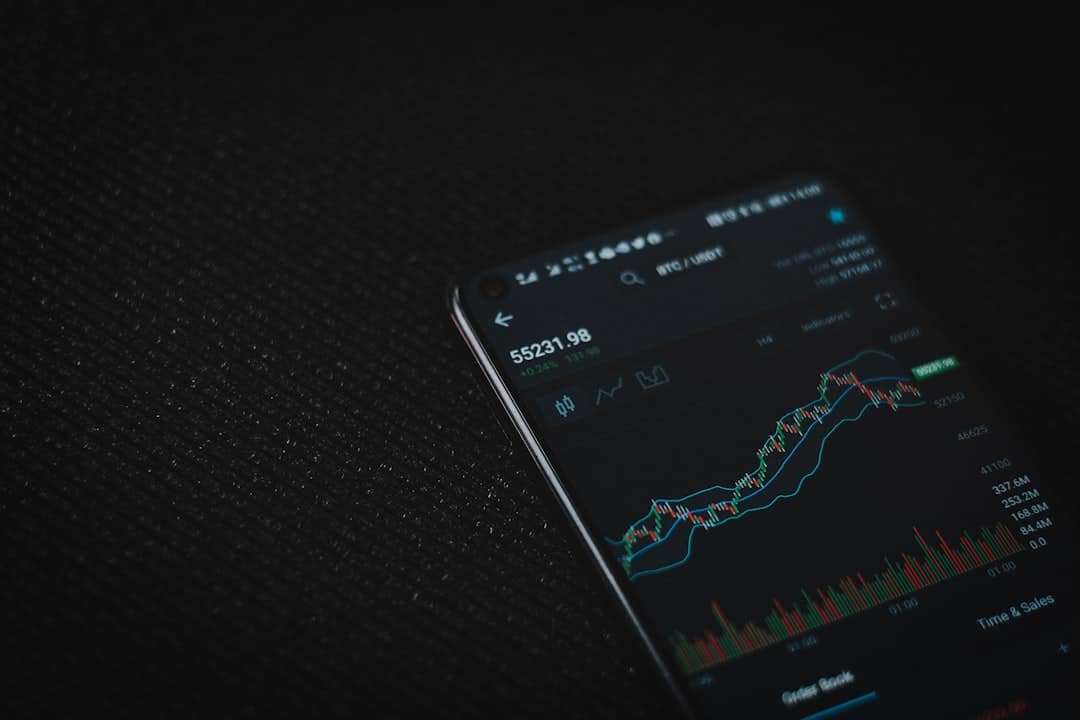
Prediction markets are platforms that allow individuals to buy and sell shares in the outcomes of future events, effectively creating a marketplace for forecasting. These markets operate on the principle that collective intelligence can yield more accurate predictions than individual opinions. Participants trade based on their beliefs about the likelihood of specific events occurring, such as election results, economic indicators, or even the outcomes of sports games. The prices of shares in these markets reflect the aggregated expectations of all participants, providing a real-time assessment of public sentiment regarding future events.
The concept of prediction markets has gained traction in various fields, including politics, finance, and entertainment. They have been utilized by researchers and organizations to gauge public opinion and forecast trends. The accuracy of these markets often surpasses traditional polling methods, as they harness the wisdom of crowds. However, the traditional structure of prediction markets has faced challenges, particularly concerning transparency, trust, and accessibility. This is where blockchain technology comes into play, offering potential solutions to some of these inherent issues.
In exploring the innovative intersection of technology and decision-making, a related article that may interest readers is “How to Choose a Laptop for Students.” This article provides valuable insights into selecting the right technology tools that can enhance learning and productivity, much like how prediction markets leverage blockchain technology for accurate forecasting and truth-finding. For more information, you can read the article here: Every transaction recorded on a blockchain is immutable and publicly accessible, allowing participants to verify the integrity of the market data independently. This transparency fosters trust among users, as they can be assured that the information they are acting upon is accurate and unaltered. In an environment where misinformation can easily spread, this level of accountability is crucial for maintaining the credibility of predictions. Additionally, blockchain technology can improve the efficiency of market operations. Traditional prediction markets often rely on centralized authorities to manage transactions and resolve disputes, which can introduce delays and inefficiencies. With blockchain, smart contracts can automate these processes, ensuring that outcomes are settled quickly and fairly based on pre-defined criteria. This not only enhances user experience but also encourages more participants to engage in prediction markets, as they can trust that their trades will be executed promptly and accurately. Despite its advantages, the integration of blockchain technology into prediction markets is not without challenges. One major concern is scalability. As more users participate in these markets, the volume of transactions can increase significantly, potentially overwhelming the network. Many existing blockchain platforms struggle with high transaction volumes, leading to delays and increased costs. This limitation could hinder the growth and usability of prediction markets that rely on blockchain technology. Another challenge is regulatory uncertainty. The legal landscape surrounding prediction markets varies widely across jurisdictions, with some countries imposing strict regulations or outright bans on such activities. The introduction of blockchain adds another layer of complexity, as regulators grapple with how to classify and oversee decentralized platforms. This uncertainty can deter potential participants and investors who may be wary of engaging in markets that could face legal repercussions. In exploring the innovative ways prediction markets are leveraging blockchain technology for truth finding, one can also consider the impact of mobile applications on our daily decision-making processes. A related article discusses the best Android apps for 2023, highlighting how these tools can enhance our ability to gather information and make informed choices. For more insights, you can read the article here. Challenges and Limitations of Blockchain in Prediction Markets

Case Studies of Prediction Markets Using Blockchain
Metric
Description
Example/Value
Impact on Truth Finding
Decentralization Level
Degree to which the market operates without a central authority
100% decentralized (e.g., Augur, Gnosis)
Reduces manipulation and censorship, enhancing reliability of outcomes
Transparency
Visibility of all trades and market data on the blockchain
All transactions publicly recorded and auditable
Increases trust and verifiability of prediction results
Incentive Alignment
Use of tokens to reward accurate predictions
Token rewards proportional to prediction accuracy
Encourages truthful information sharing and participation
Market Liquidity
Volume of trades and active participants
Thousands of active users and high trade volume on platforms like Polymarket
Improves price discovery and accuracy of predictions
Dispute Resolution Mechanism
Blockchain-based protocols to resolve conflicting outcomes
Decentralized juries or token-weighted voting
Ensures finality and correctness of event outcomes
Latency of Outcome Settlement
Time taken to finalize and distribute rewards after event completion
Typically minutes to hours depending on blockchain speed
Faster settlements increase user trust and market efficiency
Security
Resistance to fraud, hacking, and data tampering
Use of smart contracts and cryptographic proofs
Protects integrity of prediction data and user funds
Several notable case studies illustrate the application of blockchain technology in prediction markets. One prominent example is Augur, a decentralized prediction market platform built on the Ethereum blockchain.
Augur allows users to create and trade on prediction markets for any event imaginable, from political elections to sports outcomes.
The platform utilizes a decentralized oracle system to resolve outcomes based on real-world data, ensuring that users receive accurate payouts based on their predictions.
Another example is Gnosis, which focuses on creating a decentralized platform for prediction markets and information aggregation. Gnosis employs a unique approach by allowing users to create their own prediction markets tailored to specific events or topics. This flexibility encourages innovation and experimentation within the space, as users can explore various forecasting scenarios without being limited by predefined market structures.
The Future of Prediction Markets and Blockchain Technology
The future of prediction markets integrated with blockchain technology appears promising as advancements continue to emerge in both fields. As blockchain networks evolve to address scalability issues, we may see an increase in user adoption and participation in prediction markets. Enhanced interoperability between different blockchain platforms could also facilitate cross-market trading, allowing users to leverage insights from multiple sources for more informed decision-making.
Furthermore, as public awareness of blockchain technology grows, more individuals may become interested in participating in prediction markets as a means of engaging with current events and trends. Educational initiatives aimed at demystifying both blockchain and prediction markets could play a crucial role in fostering this interest. As more people recognize the potential for collective intelligence to inform decision-making processes, we may witness a shift toward greater acceptance and utilization of these innovative platforms.
Regulatory Considerations for Prediction Markets Using Blockchain
Regulatory considerations remain a significant hurdle for the widespread adoption of blockchain-based prediction markets. Governments around the world are still determining how to approach these platforms within existing legal frameworks. Some jurisdictions have embraced innovation by creating regulatory sandboxes that allow for experimentation with new technologies while ensuring consumer protection. Others have taken a more cautious approach, imposing strict regulations that could stifle growth.
To navigate this complex landscape, stakeholders in the prediction market space must engage with regulators proactively. This includes advocating for clear guidelines that balance innovation with consumer protection while addressing concerns related to fraud and market manipulation. Collaboration between industry players and regulatory bodies could lead to frameworks that support responsible growth while ensuring that participants can engage safely in these emerging markets.
The Impact of Blockchain on Truth Finding in Prediction Markets
In conclusion, blockchain technology has the potential to significantly impact prediction markets by enhancing transparency, efficiency, and accessibility. By addressing some of the inherent challenges faced by traditional prediction markets, blockchain can create an environment where collective intelligence thrives and accurate forecasting becomes more achievable. However, challenges such as scalability and regulatory uncertainty must be addressed for these benefits to be fully realized.
As we look toward the future, it is clear that the intersection of blockchain technology and prediction markets presents exciting opportunities for truth finding across various domains. By fostering collaboration between stakeholders and regulators, we can pave the way for innovative solutions that harness the power of collective intelligence while ensuring a fair and transparent marketplace for all participants.
FAQs
What are prediction markets?
Prediction markets are exchange-traded markets created for the purpose of trading the outcome of events. Participants buy and sell contracts based on their predictions, and the market prices can indicate the probability of a particular event occurring.
How does blockchain technology enhance prediction markets?
Blockchain technology provides a decentralized, transparent, and tamper-proof ledger for recording transactions and outcomes. This ensures that prediction market data is secure, verifiable, and resistant to manipulation, increasing trust and accuracy in truth finding.
What role does decentralization play in blockchain-based prediction markets?
Decentralization removes the need for a central authority to manage the market, reducing the risk of censorship or bias. It allows a distributed network of participants to validate transactions and outcomes, promoting fairness and transparency.
How do smart contracts function in blockchain prediction markets?
Smart contracts are self-executing contracts with the terms directly written into code. In prediction markets, they automatically execute payouts based on verified event outcomes, eliminating intermediaries and ensuring timely and accurate settlements.
What are some challenges faced by blockchain prediction markets?
Challenges include ensuring accurate and reliable data input (oracle problem), regulatory uncertainties, scalability issues, and user adoption barriers. Overcoming these is essential for the widespread use and effectiveness of blockchain-based prediction markets.