

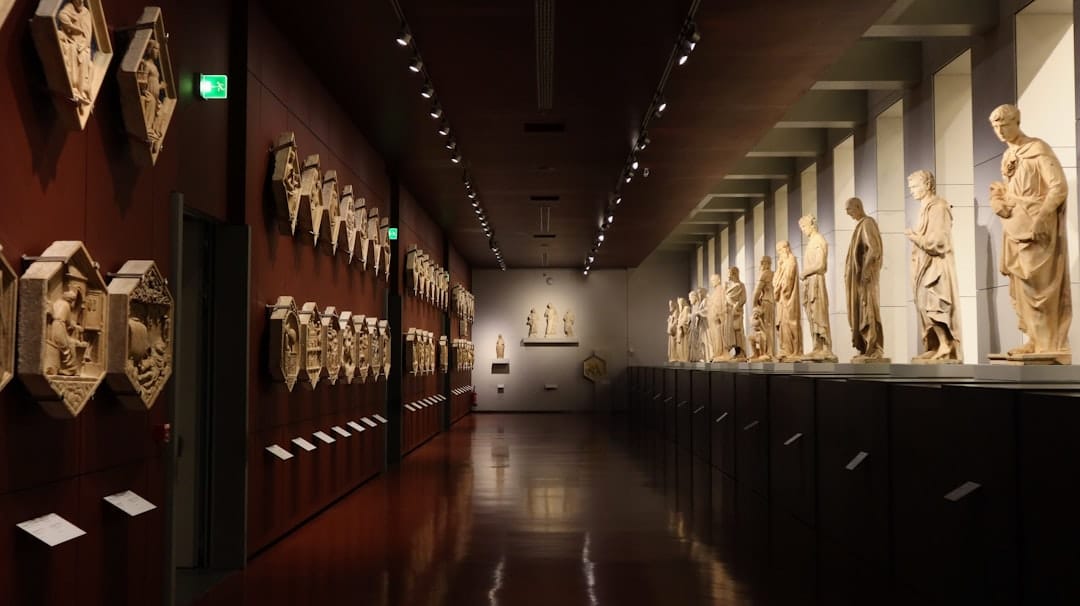
Repatriated artifacts refer to cultural objects that have been returned to their country of origin after being removed, often during colonial periods or through other means that are now considered unethical. The movement for repatriation has gained momentum in recent years, driven by a growing recognition of the importance of cultural heritage and the rights of indigenous peoples. Museums and institutions around the world are increasingly confronted with the need to address the historical injustices associated with the acquisition of these artifacts. This has led to a complex dialogue about ownership, cultural identity, and the responsibilities of museums in preserving and presenting these items.
The repatriation of artifacts is not merely a legal or logistical issue; it is deeply intertwined with questions of cultural significance and historical context.
Many artifacts hold profound meaning for the communities from which they originated, serving as symbols of identity, spirituality, and continuity.
The return of these items can facilitate healing and reconciliation, allowing communities to reconnect with their heritage. As museums navigate this evolving landscape, they must balance the educational value of their collections with the ethical implications of their stewardship.
In exploring the innovative ways museums are enhancing visitor experiences, a related article discusses the latest advancements in technology, particularly focusing on the best Lenovo laptops for creative professionals. These devices are essential tools for museum curators and educators who are integrating augmented reality (AR) into their exhibits, including the display of repatriated artifacts. For more insights on the best technology to support such initiatives, you can read the article here: The Best Lenovo Laptops.
Key Takeaways
- Repatriated artifacts are cultural items returned to their countries or communities of origin.
- Augmented Reality (AR) is increasingly used in museums to create interactive and immersive experiences.
- AR enhances visitor engagement by providing contextual information and storytelling around artifacts.
- Collaborations with Indigenous communities ensure respectful representation and cultural sensitivity in AR displays.
- Ethical considerations and future innovations in AR will shape how museums preserve and present repatriated artifacts.
The Role of Augmented Reality in Museums
Augmented reality (AR) has emerged as a transformative technology in various fields, including education, entertainment, and tourism. In the context of museums, AR offers innovative ways to enhance the visitor experience by overlaying digital information onto physical exhibits. This technology allows museums to present artifacts in a more interactive and engaging manner, providing visitors with additional layers of context and understanding. By integrating AR into their displays, museums can create immersive experiences that resonate with diverse audiences.
The application of AR in museums can take many forms, from interactive displays that provide historical narratives to virtual reconstructions of artifacts that may be damaged or incomplete. For instance, visitors can use their smartphones or AR glasses to view 3D models of artifacts, see how they were used in their original contexts, or even interact with virtual representations of historical figures. This not only enriches the educational experience but also encourages deeper engagement with the material culture on display. As museums continue to explore the potential of AR, they are finding new ways to connect visitors with the stories behind the artifacts.
Enhancing Visitor Experience with AR
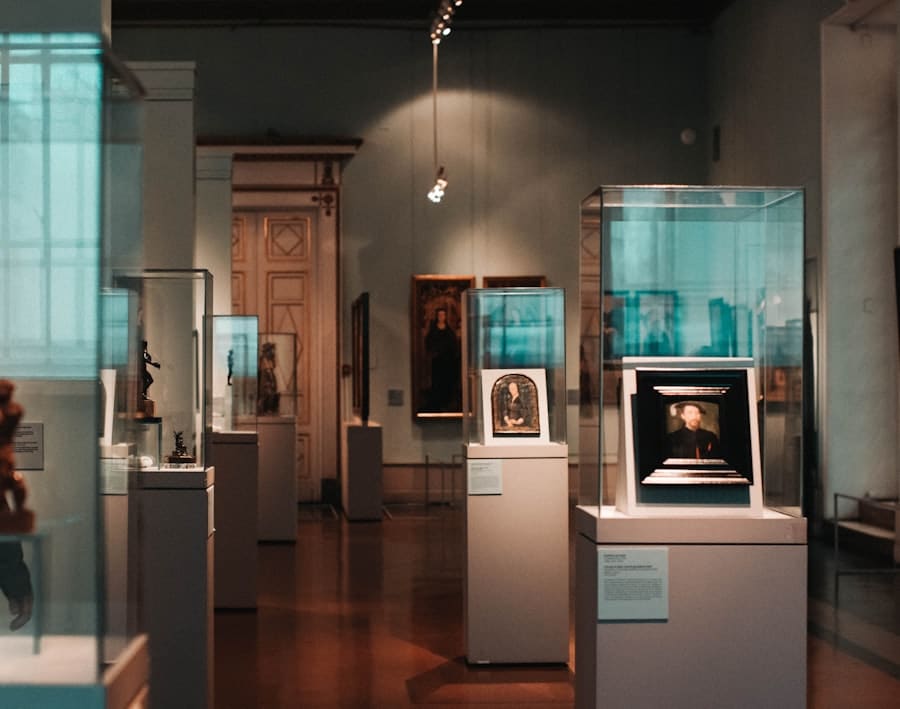
The integration of augmented reality into museum exhibits has the potential to significantly enhance visitor experiences. By providing interactive elements, AR can transform passive observation into active participation. For example, visitors might point their devices at an artifact to access multimedia content such as videos, audio guides, or detailed descriptions that explain its significance. This immediacy of information can help demystify complex historical narratives and make them more accessible to a broader audience.
Moreover, AR can cater to different learning styles and preferences.
Visual learners may benefit from 3D visualizations, while auditory learners might engage more deeply with narrated content.
This adaptability allows museums to reach a wider demographic, including younger audiences who are accustomed to digital interactions. Additionally, AR can facilitate personalized experiences; visitors can choose what aspects of an exhibit they wish to explore further, tailoring their journey through the museum according to their interests.
Preserving Cultural Heritage through AR

Augmented reality also plays a crucial role in the preservation of cultural heritage. By creating digital replicas of artifacts, museums can safeguard against loss or damage while still allowing public access to these important items. In cases where artifacts are fragile or too valuable to be displayed regularly, AR can provide a solution by allowing visitors to interact with virtual versions without risking harm to the originals. This approach not only protects cultural heritage but also ensures that it remains accessible to future generations.
Furthermore, AR can be used to document and archive cultural practices that may be at risk of disappearing. For instance, museums can create AR experiences that showcase traditional crafts or rituals, capturing them in a digital format that can be shared widely. This documentation serves as both a preservation tool and an educational resource, helping to keep cultural practices alive in an increasingly globalized world. By leveraging technology in this way, museums can contribute to the ongoing dialogue about cultural heritage and its significance in contemporary society.
As museums increasingly turn to augmented reality (AR) to enhance the visitor experience, they are also finding innovative ways to display repatriated artifacts. This technology not only allows for immersive storytelling but also helps to educate the public about the cultural significance of these items. For a deeper understanding of how technology is reshaping our interaction with artifacts, you might find it interesting to explore this article on the latest advancements in mobile technology, which discusses how devices like the Samsung S22 Ultra are revolutionizing the way we engage with digital content. You can read more about it here.
Collaborating with Indigenous Communities
| Metric | Description | Example | Impact |
|---|---|---|---|
| Number of Museums Using AR | Museums integrating AR to showcase repatriated artifacts | Over 50 museums worldwide (2023) | Increased visitor engagement and education |
| Visitor Engagement Increase | Percentage increase in visitor interaction with repatriated artifacts using AR | Up to 40% increase reported | Enhanced understanding and appreciation of cultural heritage |
| Artifact Accessibility | Number of repatriated artifacts displayed virtually via AR | 100+ artifacts digitally accessible | Broader public access without risking physical damage |
| Educational Programs | AR-based educational initiatives related to repatriated artifacts | 20+ programs launched | Improved cultural awareness and historical context |
| Visitor Satisfaction | Surveyed satisfaction rate of visitors experiencing AR displays | 85% positive feedback | Supports continued investment in AR technology |
The collaboration between museums and indigenous communities is essential for ensuring that repatriated artifacts are presented in a manner that respects their cultural significance. Engaging with these communities allows museums to gain insights into the meanings and histories associated with artifacts, which can inform how they are displayed and interpreted. This partnership is particularly important in the context of repatriation, as it acknowledges the rights of indigenous peoples to control their cultural heritage.
Through collaborative efforts, museums can develop programs that reflect the perspectives and narratives of indigenous communities. This might include co-curated exhibitions where community members contribute their knowledge and stories related to specific artifacts. Such initiatives not only empower indigenous voices but also foster mutual understanding between museums and the communities they serve. By prioritizing collaboration, museums can create more authentic representations of cultural heritage that resonate with both local and global audiences.
As museums increasingly embrace technology to enhance visitor experiences, the integration of augmented reality (AR) in displaying repatriated artifacts has become a focal point of innovation. This approach not only enriches the storytelling of these items but also fosters a deeper connection between the audience and the cultural heritage they represent. For those interested in exploring how technology is shaping various aspects of our lives, a related article on smartwatches provides insights into their capabilities, including the ability to view pictures, which reflects the broader trend of merging art and technology. You can read more about it here.
Addressing Ethical Considerations
The use of augmented reality in museums raises several ethical considerations that must be addressed thoughtfully. One primary concern is the potential for misrepresentation or oversimplification of complex cultural narratives through digital overlays. Museums have a responsibility to ensure that AR content is accurate and respectful, particularly when dealing with sensitive topics related to indigenous cultures and histories. This necessitates careful curation and collaboration with community members who can provide authentic perspectives.
Additionally, there is the question of accessibility; not all visitors may have access to the technology required for AR experiences. Museums must consider how to make these innovations inclusive so that all visitors can benefit from enhanced learning opportunities. This might involve providing alternative formats for those without smartphones or AR devices or ensuring that physical exhibits remain informative on their own. Balancing technological advancements with ethical considerations is crucial for maintaining public trust and fostering meaningful engagement.
Impact of AR on Repatriated Artifacts
The integration of augmented reality into the presentation of repatriated artifacts has significant implications for how these items are understood and appreciated by the public. By using AR technology, museums can provide context that highlights the historical injustices surrounding the acquisition of these artifacts while also celebrating their cultural significance. This dual approach allows visitors to engage with repatriated items in a more nuanced manner, fostering a deeper understanding of their importance.
Moreover, AR can facilitate storytelling that emphasizes the ongoing relationships between indigenous communities and their cultural heritage. For instance, virtual narratives could illustrate how an artifact was used in traditional practices or how its return has impacted community identity. By framing repatriated artifacts within these broader narratives, museums can help shift perceptions from viewing them as mere objects in a collection to recognizing them as integral components of living cultures.
Future Possibilities for AR in Museums
Looking ahead, the potential for augmented reality in museums is vast and continues to evolve as technology advances. Future developments may include more sophisticated AR applications that utilize artificial intelligence to create personalized experiences based on visitor preferences or learning styles. Such innovations could further enhance engagement by providing tailored content that resonates with individual interests.
Additionally, as museums increasingly embrace digital platforms, there may be opportunities for virtual exhibitions that reach global audiences beyond physical locations. This could democratize access to cultural heritage by allowing people from diverse backgrounds to explore artifacts and stories from around the world without geographical constraints. As museums continue to innovate and adapt in response to changing societal needs, augmented reality will likely play a central role in shaping the future of cultural engagement and education.
In conclusion, augmented reality presents a unique opportunity for museums to enhance visitor experiences while addressing important ethical considerations surrounding repatriated artifacts. By collaborating with indigenous communities and prioritizing accurate representation, museums can create meaningful connections between visitors and cultural heritage. As technology continues to advance, the possibilities for AR in museums will expand, offering new ways to engage audiences and preserve cultural legacies for future generations.
FAQs
What is augmented reality (AR) in the context of museums?
Augmented reality (AR) in museums refers to the use of digital technology to overlay virtual images, information, or interactive elements onto real-world exhibits, enhancing the visitor experience by providing additional context or visualizations.
How are museums using AR to display repatriated artifacts?
Museums use AR to create immersive displays of repatriated artifacts by digitally reconstructing items that may be fragile, incomplete, or culturally sensitive. AR allows visitors to view these artifacts in their original form or setting without physically handling them, preserving the objects while sharing their history.
What are the benefits of using AR for repatriated artifacts?
AR offers several benefits, including increased accessibility to artifacts that cannot be physically displayed, enhanced educational opportunities through interactive storytelling, and respectful presentation of culturally significant items in collaboration with source communities.
Can AR help in the preservation of repatriated artifacts?
Yes, AR helps preserve repatriated artifacts by reducing the need for physical handling and exposure to environmental factors. Digital representations allow museums to share the artifacts’ stories without risking damage to the original objects.
Are there any challenges museums face when implementing AR for repatriated artifacts?
Challenges include the cost and technical expertise required to develop AR experiences, ensuring cultural sensitivity and accuracy in digital representations, and collaborating effectively with source communities to respect their perspectives and wishes.