


Mixed reality (MR) combines physical and digital environments, enabling users to interact simultaneously with real and virtual objects. Museums have adopted this technology to enhance visitor engagement by overlaying digital information onto physical exhibits or creating hybrid experiences that blend tangible artifacts with virtual content. This approach allows institutions to present additional contextual information, reconstructions of damaged artifacts, or immersive historical scenarios without altering original collections.
Museums are implementing mixed reality technologies to address evolving visitor expectations and educational objectives. These institutions utilize augmented reality (AR) to superimpose digital elements onto real-world exhibits, while virtual reality (VR) creates fully immersive digital environments. Mixed reality applications in museums include interactive timelines, 3D reconstructions of archaeological sites, virtual tours of inaccessible locations, and multimedia storytelling experiences.
This technology enables museums to present complex historical narratives, scientific concepts, and artistic interpretations through multiple sensory channels, potentially increasing comprehension and retention among diverse visitor demographics.
Key Takeaways
- Mixed reality (MR) combines physical and digital elements to create immersive museum experiences.
- MR enhances visitor engagement and learning by providing interactive and personalized content.
- Successful MR exhibits showcase innovative storytelling and deeper connections with artifacts.
- Implementing MR requires addressing technical, financial, and accessibility challenges.
- The future of MR in museums promises more widespread adoption and increasingly sophisticated exhibits.
The Benefits of Using Mixed Reality in Museum Exhibits
One of the most significant advantages of incorporating mixed reality into museum exhibits is the ability to enhance storytelling. Traditional displays often rely on static information panels and physical artifacts to convey narratives, which can sometimes limit the depth of understanding for visitors. Mixed reality, however, allows curators to layer additional information, context, and interactive elements over physical objects.
For instance, an ancient artifact can be accompanied by a digital reconstruction that illustrates its original use or significance within its cultural context. This multi-dimensional approach not only enriches the narrative but also caters to various learning styles, making it easier for visitors to grasp complex ideas. Moreover, mixed reality can significantly increase accessibility for diverse audiences.
By providing alternative ways to engage with content, museums can accommodate individuals with different needs and preferences.
This inclusivity not only broadens the reach of museum exhibits but also fosters a sense of belonging among all visitors, reinforcing the idea that cultural institutions should be accessible to everyone.
Examples of Successful Mixed Reality Exhibits in Museums
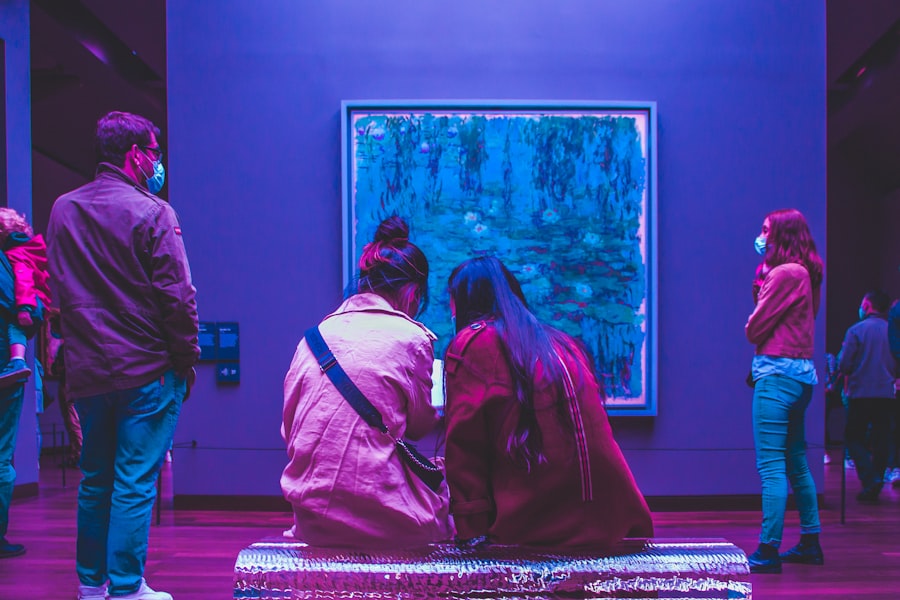
Several museums around the world have successfully implemented mixed reality technologies to create engaging exhibits that resonate with visitors. One notable example is the Smithsonian National Museum of Natural History in Washington, D.C., which introduced an AR experience called “The Last American Dinosaurs.” This exhibit allows visitors to use their smartphones or provided devices to see life-sized dinosaurs roaming through the museum’s halls. By overlaying digital animations onto physical spaces, the museum creates an engaging narrative that brings paleontology to life, captivating both children and adults alike.
Another exemplary case is the British Museum’s “Ancient Lives” project, which utilizes mixed reality to enhance its Egyptian mummies exhibit. Visitors can use AR headsets to interact with 3D models of mummies and their burial artifacts, gaining insights into ancient Egyptian beliefs about death and the afterlife. This immersive experience not only educates visitors about historical practices but also encourages them to ponder broader questions about mortality and cultural heritage.
Such successful implementations demonstrate how mixed reality can transform traditional museum experiences into dynamic learning opportunities.
How Mixed Reality Enhances Visitor Engagement and Learning
Mixed reality has a profound impact on visitor engagement by fostering active participation rather than passive observation. When visitors are invited to interact with digital elements—whether through touchscreens, mobile devices, or AR glasses—they become co-creators of their own learning experiences. This interactivity encourages curiosity and exploration, prompting visitors to ask questions and seek out additional information about the exhibits they encounter.
For instance, an exhibit featuring historical artifacts might allow visitors to virtually “handle” items through AR simulations, providing a tactile sense of connection that enhances their understanding of the past. Furthermore, mixed reality can facilitate collaborative learning experiences among visitors. Group interactions can be encouraged through shared AR experiences that require teamwork or discussion to solve challenges or uncover hidden narratives within an exhibit.
This social aspect of learning not only deepens engagement but also fosters community among visitors as they share insights and perspectives. By transforming museum visits into collaborative adventures, mixed reality cultivates a sense of shared discovery that resonates long after the visit has ended.
Challenges and Considerations in Implementing Mixed Reality in Museums
| Metric | Description | Example | Impact |
|---|---|---|---|
| User Engagement Time | Average duration visitors interact with mixed reality exhibits | 15-25 minutes per exhibit | Increases visitor retention and learning |
| Visitor Interaction Rate | Percentage of visitors who actively use MR features | 70-85% | Enhances immersive experience and participation |
| Content Accessibility | Number of languages or accessibility options supported | 5+ languages, audio descriptions | Improves inclusivity and reach |
| Educational Effectiveness | Improvement in knowledge retention measured by quizzes or surveys | 20-30% increase compared to traditional exhibits | Boosts learning outcomes |
| Technical Reliability | Percentage of uptime or successful MR interactions without glitches | 95-98% | Ensures smooth visitor experience |
| Visitor Satisfaction | Average rating from visitor feedback surveys | 4.5 out of 5 | Indicates positive reception and enjoyment |
| Repeat Visits | Percentage of visitors returning for MR exhibits | 25-30% | Shows sustained interest and exhibit appeal |
Despite its numerous benefits, implementing mixed reality in museums is not without challenges. One significant hurdle is the financial investment required for technology acquisition and maintenance. High-quality AR and VR systems can be costly, and museums must carefully consider their budgets when planning such initiatives.
Additionally, ongoing technical support is essential to ensure that these systems function smoothly during visitor hours, which may necessitate hiring specialized staff or training existing personnel. Another consideration is the need for thoughtful content development. Creating compelling mixed reality experiences requires collaboration between curators, educators, and technology experts to ensure that digital content aligns with educational goals and enhances the overall visitor experience.
Poorly designed or overly complex interactions can lead to frustration rather than engagement, potentially detracting from the educational mission of the museum. Therefore, museums must prioritize user-centered design principles when developing mixed reality exhibits to ensure they are intuitive and accessible for all visitors.
The Future of Mixed Reality in Museum Exhibits
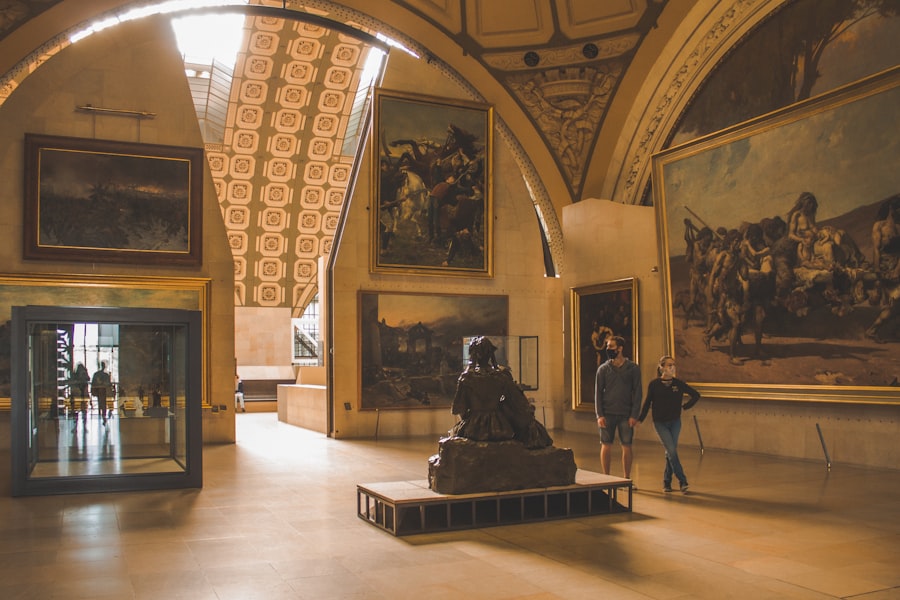
As technology continues to evolve at a rapid pace, the future of mixed reality in museum exhibits holds exciting possibilities. Advances in hardware and software will likely lead to more sophisticated and user-friendly experiences that can be easily integrated into existing museum infrastructures. For instance, improvements in mobile AR applications may allow visitors to access rich digital content on their personal devices without needing specialized equipment provided by the museum.
This shift could democratize access to mixed reality experiences, enabling more visitors to engage with exhibits on their own terms. Moreover, as artificial intelligence (AI) becomes increasingly integrated into mixed reality applications, personalized learning experiences may become more prevalent. AI algorithms could analyze visitor behavior and preferences to tailor content recommendations or interactive challenges based on individual interests.
This level of customization could enhance visitor satisfaction and deepen engagement by ensuring that each person’s experience is uniquely relevant to them. As museums continue to explore these technological advancements, they will likely find new ways to connect audiences with their collections in meaningful and innovative ways.
Case Studies of Museums Using Mixed Reality to Enhance Exhibits
Several case studies illustrate how museums have successfully harnessed mixed reality technologies to enhance their exhibits and engage audiences more effectively. The Van Gogh Museum in Amsterdam launched an AR app called “Meet Vincent van Gogh,” which allows users to explore Van Gogh’s life and work through interactive storytelling elements. Visitors can point their devices at specific artworks to unlock additional content such as videos, audio guides, and 3D animations that provide context about Van Gogh’s techniques and inspirations.
This approach not only enriches the viewing experience but also encourages deeper appreciation for the artist’s contributions. Another compelling example is the Museum of Science and Industry in Chicago, which features an exhibit called “The Great Train Story.” This immersive experience combines physical model trains with AR technology that brings historical events related to railroads to life. Visitors can use AR devices to see trains in motion while learning about their impact on American society through interactive narratives that unfold as they explore the exhibit space.
By blending physical models with digital storytelling, this exhibit captivates audiences while providing educational insights into transportation history.
Tips for Creating Effective Mixed Reality Experiences in Museums
Creating effective mixed reality experiences requires careful planning and consideration of various factors that contribute to visitor engagement and learning outcomes. First and foremost, it is essential to define clear educational objectives for each exhibit. Understanding what knowledge or skills visitors should gain from their experience will guide content development and ensure that digital elements align with overarching museum goals.
Additionally, user testing is crucial during the development process. Engaging potential visitors in testing prototypes allows museums to gather valuable feedback on usability and engagement levels before launching an exhibit. Iterative design processes that incorporate visitor input can lead to more intuitive interfaces and enjoyable experiences.
Furthermore, collaboration among interdisciplinary teams is vital for success. Curators, educators, technologists, and designers should work together from the outset to create cohesive narratives that leverage both physical artifacts and digital enhancements effectively. This collaborative approach ensures that all aspects of the exhibit are harmonized, resulting in a seamless experience for visitors.
Finally, ongoing evaluation after implementation is essential for continuous improvement. Collecting data on visitor interactions and feedback will help museums refine their mixed reality offerings over time, ensuring they remain relevant and engaging for future audiences. By prioritizing these strategies, museums can create impactful mixed reality experiences that resonate with visitors long after they leave the exhibit space.
Mixed reality is revolutionizing the way visitors engage with museum exhibits, creating immersive experiences that blend the physical and digital worlds. For those interested in exploring how technology enhances everyday experiences, a related article on the best tablets for everyday use can provide insights into devices that support such interactive applications. You can read more about it here: com/what-is-the-best-tablet-to-buy-for-everyday-use/’>What is the Best Tablet to Buy for Everyday Use?
.
FAQs
What is mixed reality in the context of museum exhibits?
Mixed reality (MR) is a technology that blends the physical and digital worlds, allowing users to interact with virtual objects in a real-world environment. In museums, MR enhances exhibits by overlaying digital content onto physical displays, creating immersive and interactive experiences.
How does mixed reality enhance visitor engagement in museums?
Mixed reality engages visitors by providing interactive and immersive experiences that go beyond traditional static displays. It allows users to explore artifacts in 3D, interact with virtual reconstructions, and participate in educational activities, making learning more dynamic and memorable.
What types of mixed reality devices are commonly used in museum exhibits?
Common MR devices used in museums include head-mounted displays (HMDs) like Microsoft HoloLens, Magic Leap, and other augmented reality glasses. Some exhibits also use handheld devices such as tablets or smartphones equipped with MR applications.
Can mixed reality exhibits accommodate visitors with disabilities?
Yes, mixed reality exhibits can be designed to be accessible. Features such as audio descriptions, adjustable text sizes, and customizable interaction methods can help accommodate visitors with visual, auditory, or mobility impairments.
What are some examples of mixed reality applications in museums?
Examples include virtual reconstructions of historical sites, interactive 3D models of artifacts, immersive storytelling experiences, and educational games that teach visitors about science, history, or art through hands-on virtual interaction.
Does mixed reality require internet connectivity in museums?
While some mixed reality experiences may require internet access for downloading content or updates, many MR applications can operate offline once the necessary data is installed on the device, ensuring smooth operation within museum environments.
How do museums ensure the preservation of artifacts when using mixed reality?
Mixed reality allows visitors to interact with digital replicas rather than the physical artifacts themselves, reducing wear and tear. This technology helps preserve delicate or rare items by minimizing direct contact while still providing an engaging experience.
What are the challenges of implementing mixed reality in museums?
Challenges include the cost of hardware and software development, the need for technical expertise, ensuring user-friendly interfaces, maintaining equipment, and creating content that is both educational and engaging for diverse audiences.
How does mixed reality differ from virtual reality and augmented reality in museum settings?
Virtual reality (VR) fully immerses users in a digital environment, while augmented reality (AR) overlays digital content onto the real world without interaction between the two. Mixed reality combines elements of both, allowing digital and physical objects to coexist and interact in real time.
Is mixed reality suitable for all types of museum exhibits?
Mixed reality is particularly effective for exhibits that benefit from interactive storytelling, 3D visualization, or immersive learning. However, it may not be suitable for all exhibits, especially those where the focus is on direct observation of physical artifacts without digital enhancement.