

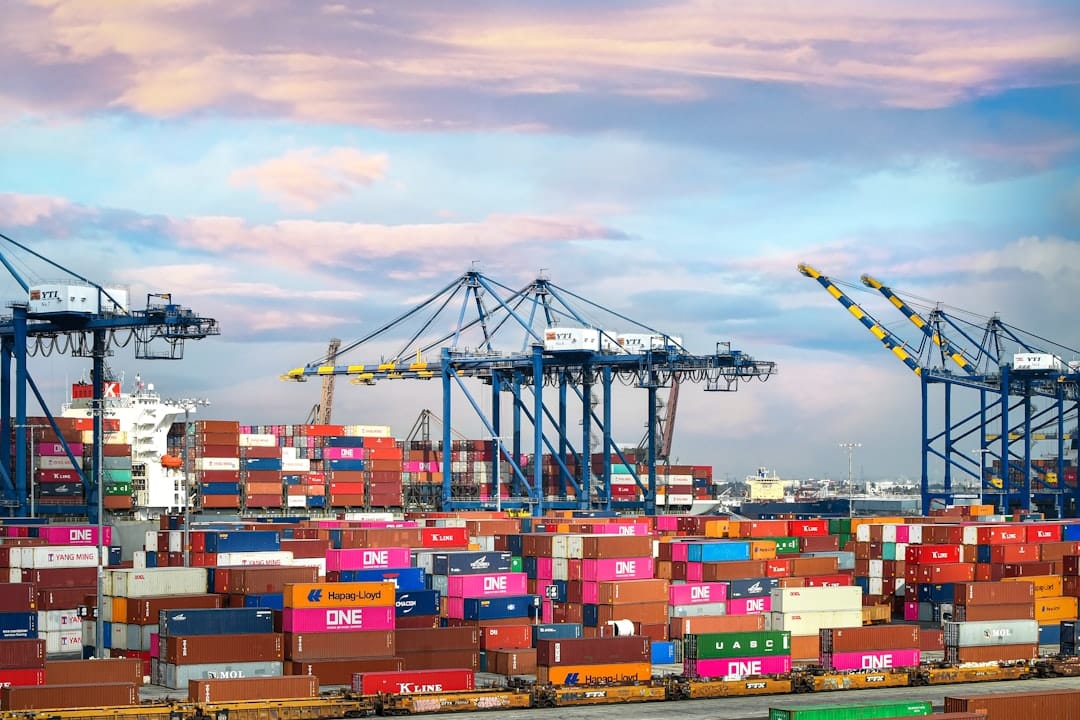
The advent of machine learning has revolutionized various sectors, and supply chain logistics is no exception. As businesses strive for efficiency and responsiveness in an increasingly complex global market, the integration of machine learning technologies has emerged as a pivotal strategy. Machine learning, a subset of artificial intelligence, enables systems to learn from data, identify patterns, and make decisions with minimal human intervention.
This capability is particularly beneficial in supply chain logistics, where vast amounts of data are generated daily from various sources, including suppliers, customers, and transportation networks. In the context of supply chain logistics, machine learning can enhance decision-making processes by providing insights that were previously unattainable through traditional analytical methods. For instance, it can analyze historical data to predict future trends, optimize inventory levels, and streamline operations.
As companies face challenges such as fluctuating demand, supply chain disruptions, and the need for real-time visibility, machine learning offers innovative solutions that can lead to significant cost savings and improved service levels. The following sections will delve deeper into specific applications of machine learning within supply chain logistics, illustrating its transformative potential.
Key Takeaways
- Machine learning enhances supply chain logistics by improving demand forecasting, inventory management, and route optimization.
- Predictive analytics plays a crucial role in optimizing supply chain operations and reducing costs.
- Machine learning improves warehouse efficiency and inventory control through data-driven insights.
- Supplier management and procurement benefit from machine learning by enabling better decision-making and risk assessment.
- Despite challenges, future trends indicate growing adoption of machine learning to transform customer service and order fulfillment in supply chains.
The Role of Predictive Analytics in Supply Chain Optimization
Predictive analytics serves as a cornerstone of machine learning applications in supply chain optimization. By leveraging historical data and advanced algorithms, businesses can forecast future events with remarkable accuracy. This capability is crucial for anticipating demand fluctuations, which can significantly impact inventory management and production planning.
For example, retailers can utilize predictive analytics to analyze past sales data, seasonal trends, and external factors such as economic indicators or weather patterns to optimize stock levels and reduce the risk of overstocking or stockouts. Moreover, predictive analytics can enhance supplier performance by assessing their reliability and lead times. By analyzing historical delivery data, companies can identify patterns that indicate potential delays or disruptions in the supply chain.
This foresight allows businesses to proactively manage supplier relationships and negotiate better terms based on performance metrics. Additionally, predictive models can be employed to simulate various scenarios, enabling organizations to evaluate the potential impact of different strategies on their supply chain operations. This level of insight empowers decision-makers to implement data-driven strategies that enhance overall efficiency and responsiveness.
Using Machine Learning for Demand Forecasting and Inventory Management
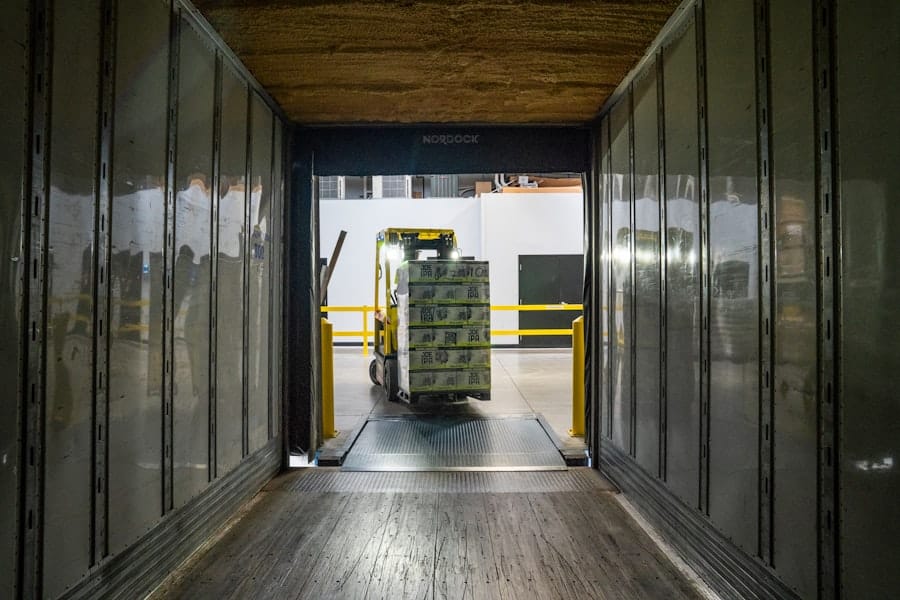
Demand forecasting is one of the most critical aspects of supply chain management, and machine learning has significantly improved its accuracy. Traditional forecasting methods often rely on simplistic models that may not account for the complexities of consumer behavior or market dynamics. In contrast, machine learning algorithms can analyze vast datasets encompassing various factors such as historical sales data, promotional activities, economic conditions, and even social media sentiment.
By identifying intricate patterns within this data, machine learning models can generate more precise demand forecasts. For instance, a fashion retailer might use machine learning to analyze customer purchasing behavior across different seasons and styles.
This enhanced forecasting capability allows businesses to optimize inventory levels, reducing carrying costs while ensuring that popular items are readily available for customers. Furthermore, machine learning can facilitate dynamic inventory management by continuously updating forecasts based on real-time sales data, enabling companies to respond swiftly to changing market conditions.
Enhancing Transportation and Route Optimization with Machine Learning
Transportation is a critical component of supply chain logistics, and optimizing routes can lead to significant cost savings and improved delivery times. Machine learning algorithms can analyze various factors such as traffic patterns, weather conditions, and historical delivery data to determine the most efficient routes for transportation vehicles. By leveraging this information, companies can minimize fuel consumption, reduce transit times, and enhance overall operational efficiency.
For example, logistics companies like UPS have implemented machine learning solutions to optimize their delivery routes. By analyzing millions of data points related to traffic conditions and delivery schedules, these systems can suggest the most efficient paths for drivers to take. This not only reduces operational costs but also contributes to sustainability efforts by lowering carbon emissions associated with transportation.
Additionally, machine learning can facilitate real-time adjustments to routes based on unforeseen circumstances such as road closures or accidents, ensuring that deliveries remain on schedule.
Improving Warehouse Operations and Inventory Control with Machine Learning
| Metric | Description | Impact of Machine Learning | Example Value |
|---|---|---|---|
| Demand Forecast Accuracy | Precision in predicting customer demand | Improves forecast accuracy by analyzing historical data and trends | 85% to 95% |
| Inventory Turnover Rate | Number of times inventory is sold and replaced | Optimizes stock levels to reduce overstock and stockouts | 6 to 8 times per year |
| Delivery Time | Average time taken to deliver goods | Enhances route optimization and scheduling to reduce delays | 2 days to 1 day |
| Transportation Cost Reduction | Decrease in logistics and shipping expenses | Identifies cost-efficient routes and modes of transport | 10% to 20% reduction |
| Order Fulfillment Rate | Percentage of orders delivered on time and in full | Improves accuracy in inventory and demand planning | 92% to 98% |
| Warehouse Space Utilization | Efficiency in using storage capacity | Optimizes layout and inventory placement using predictive analytics | 75% to 90% |
| Supply Chain Risk Detection | Identification of potential disruptions | Predicts risks using real-time data and alerts for proactive measures | Risk detection lead time improved by 30% |
Warehouse operations are often complex and labor-intensive, making them prime candidates for machine learning applications. By utilizing advanced algorithms, businesses can enhance various aspects of warehouse management, including inventory control, order picking, and space optimization. Machine learning can analyze historical data related to product movement within the warehouse to identify patterns that inform better layout designs and storage strategies.
For instance, a company might employ machine learning algorithms to determine the optimal placement of products within a warehouse based on their picking frequency. High-demand items could be positioned closer to packing areas to minimize travel time for warehouse staff. Additionally, machine learning can improve order fulfillment processes by predicting which items are likely to be ordered together based on historical purchasing behavior.
This insight allows warehouses to streamline their picking processes and reduce order processing times. Moreover, machine learning can enhance inventory control by providing real-time visibility into stock levels and predicting when replenishment is necessary. By analyzing sales trends and lead times from suppliers, businesses can maintain optimal inventory levels that align with customer demand while minimizing excess stock.
This proactive approach not only reduces carrying costs but also enhances customer satisfaction by ensuring that products are available when needed.
Leveraging Machine Learning for Supplier Management and Procurement

Supplier management is a critical aspect of supply chain logistics that directly impacts overall performance. Machine learning can play a vital role in enhancing supplier selection processes and ongoing performance evaluations. By analyzing historical supplier data—such as delivery times, quality metrics, and pricing trends—companies can develop predictive models that assess supplier reliability and performance.
For example, a manufacturing firm might use machine learning algorithms to evaluate potential suppliers based on their past performance metrics. By considering factors such as on-time delivery rates and defect rates in supplied materials, the company can make informed decisions about which suppliers to engage with for specific projects. Additionally, machine learning can facilitate ongoing supplier performance monitoring by continuously analyzing data from various sources.
This enables organizations to identify potential issues early on and take corrective actions before they escalate into significant problems. Furthermore, machine learning can optimize procurement processes by predicting future material needs based on production schedules and market trends. By analyzing historical purchasing patterns alongside external factors such as commodity prices or geopolitical events, businesses can make more strategic procurement decisions that align with their operational goals.
This level of insight not only enhances cost management but also fosters stronger relationships with suppliers through more informed negotiations.
The Impact of Machine Learning on Customer Service and Order Fulfillment
Customer service is a critical differentiator in today’s competitive marketplace, and machine learning has the potential to enhance this aspect of supply chain logistics significantly. By analyzing customer interactions and feedback across various channels—such as social media, email inquiries, and purchase history—machine learning algorithms can identify trends in customer preferences and behaviors. This insight allows businesses to tailor their offerings and improve overall customer satisfaction.
For instance, e-commerce platforms often utilize machine learning algorithms to provide personalized product recommendations based on individual customer browsing history and purchase behavior. By understanding what similar customers have purchased or shown interest in, these systems can suggest relevant products that enhance the shopping experience. Additionally, machine learning can streamline order fulfillment processes by predicting peak order times and optimizing staffing levels accordingly.
Moreover, machine learning can improve communication with customers regarding order status updates. By analyzing historical shipping data alongside real-time tracking information, businesses can provide accurate delivery estimates that keep customers informed throughout the order fulfillment process. This transparency not only enhances customer trust but also reduces the volume of inquiries related to order status.
Challenges and Future Trends in Applying Machine Learning to Supply Chain Logistics
Despite the numerous benefits associated with implementing machine learning in supply chain logistics, several challenges remain that organizations must navigate. One significant hurdle is the quality of data available for analysis; inaccurate or incomplete data can lead to flawed predictions and suboptimal decision-making. Companies must invest in robust data management practices to ensure that the information feeding into machine learning models is reliable and relevant.
Another challenge lies in the integration of machine learning systems with existing supply chain technologies. Many organizations operate with legacy systems that may not be compatible with advanced analytics tools. To fully leverage the potential of machine learning, businesses may need to invest in upgrading their technology infrastructure or adopting cloud-based solutions that facilitate seamless integration.
Looking ahead, several trends are likely to shape the future of machine learning in supply chain logistics. The increasing availability of big data will continue to drive advancements in predictive analytics capabilities. Additionally, the rise of the Internet of Things (IoT) will enable real-time data collection from various sources within the supply chain ecosystem, further enhancing the accuracy of machine learning models.
As organizations increasingly recognize the value of data-driven decision-making, the adoption of machine learning technologies is expected to accelerate across the supply chain sector. Companies that embrace these innovations will likely gain a competitive edge by improving operational efficiency, enhancing customer satisfaction, and fostering stronger supplier relationships in an ever-evolving marketplace.
In the realm of supply chain logistics, the integration of machine learning technologies has proven to be a game-changer, enhancing efficiency and reducing costs. For those interested in exploring how technology impacts various fields, you might find the article on the best laptops for architects particularly insightful, as it highlights the importance of powerful computing in design and logistics applications.
 benefit from machine learning in supply chains?</h3>
<p>Yes, SMEs can leverage machine learning through cloud-based solutions and scalable platforms that do not require extensive upfront investment. These technologies can help SMEs compete more effectively by optimizing their supply chain processes.</p>
<h3>How does machine learning integrate with other technologies in supply chain management?</h3>
<p>Machine learning often works alongside technologies like the Internet of Things (IoT), blockchain, and advanced analytics to provide real-time data, enhance transparency, and enable predictive insights, creating a more connected and intelligent supply chain ecosystem.</p>
<div class="clear"></div> </div>
<footer class="entry-meta">
<div class="entry-tax"><span>Tags: No tags</span></div>
<div class="aux-single-post-share">
<div class="aux-tooltip-socials aux-tooltip-dark aux-socials aux-icon-left aux-medium aux-tooltip-social-no-text" >
<span class="aux-icon auxicon-share" ></span>
</div>
</div>
</footer>
</div>
<nav class="aux-next-prev-posts nav-skin-thumb-arrow">
<section class="np-prev-section has-nav-thumb" >
<a href="https://enicomp.com/how-wearable-tech-supports-mental-health-and-well-being-2/">
<div class="np-arrow">
<div class="aux-hover-slide aux-arrow-nav aux-outline">
<span class="aux-svg-arrow aux-medium-left"></span>
<span class="aux-hover-arrow aux-svg-arrow aux-medium-left"></span>
</div>
<img width="80" height="80" src="https://enicomp.com/wp-content/uploads/2025/12/image-222-80x80.jpg" class="auxin-attachment auxin-featured-image attachment-80x80" alt="Photo Wellbeing" /> </div>
<p class="np-nav-text">Previous Post</p>
<h4 class="np-title">How Wearable Tech Supports Mental Health and Well-Being</h4>
</a>
</section>
<section class="np-next-section has-nav-thumb" >
<a href="https://enicomp.com/the-environmental-impact-of-cryptocurrency-mining-fact-vs-fiction/">
<div class="np-arrow">
<div class="aux-arrow-nav aux-hover-slide aux-outline">
<span class="aux-svg-arrow aux-medium-right"></span>
<span class="aux-hover-arrow aux-svg-arrow aux-medium-right"></span>
</div>
<img width="80" height="80" src="https://enicomp.com/wp-content/uploads/2025/12/image-226-80x80.jpg" class="auxin-attachment auxin-featured-image attachment-80x80" alt="Photo Mining" /> </div>
<p class="np-nav-text">Next Post</p>
<h4 class="np-title">The Environmental Impact of Cryptocurrency Mining: Fact vs. Fiction</h4>
</a>
</section>
</nav>
</article>
</div><!-- end content -->
</div><!-- end primary -->
<aside class="aux-sidebar aux-sidebar-primary">
<div class="sidebar-inner">
<div class="sidebar-content">
<div class="aux-widget-area"><section id="block-4" class=" aux-open widget-container widget_block">
<h2 class="wp-block-heading">POPULAR</h2>
</section><section id="block-33" class=" aux-open widget-container widget_block">
<h2 class="wp-block-heading">CATEGORIES</h2>
</section><section id="categories-3" class=" aux-open widget-container widget_categories"><h3 class="widget-title">Categories</h3>
<ul>
<li class="cat-item cat-item-162"><a href="https://enicomp.com/category/5g-wireless-communication-technologies/">5G, Wireless & Communication Technologies</a> (177)
<ul class=)