

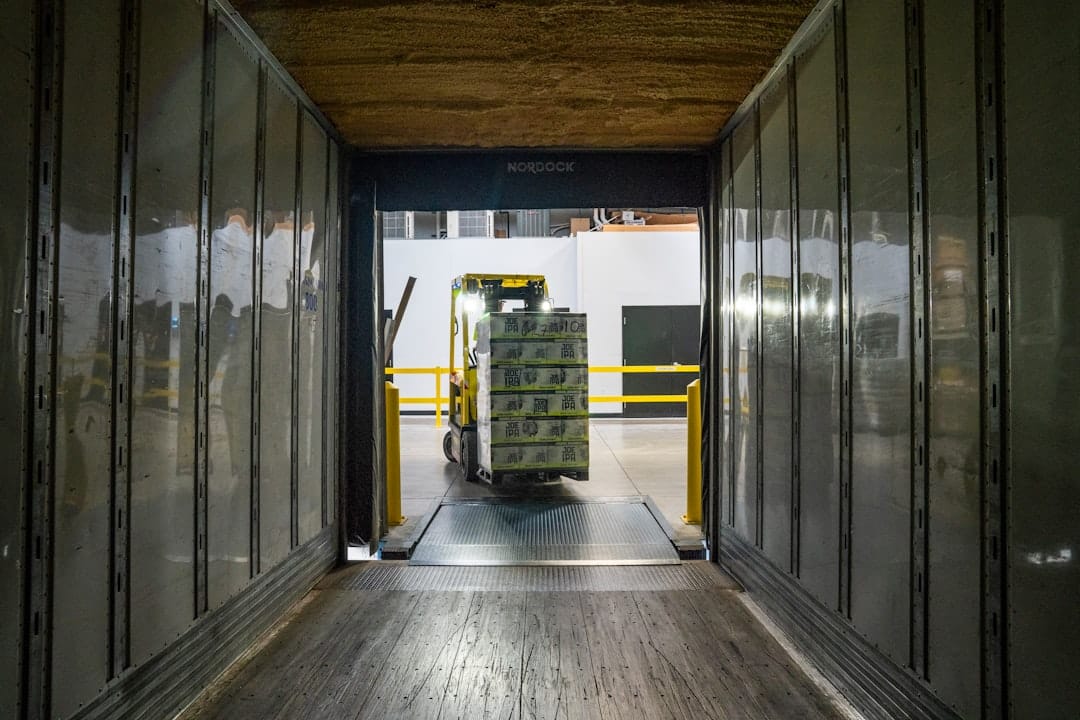
Machine learning (ML) represents a subset of artificial intelligence that enables computer systems to automatically learn and improve from experience without explicit programming. In supply chain logistics, ML algorithms analyze data to identify patterns, make predictions, and support automated decision-making processes. This technology has gained prominence as global supply chains generate increasingly large volumes of data from multiple sources including suppliers, manufacturers, distributors, retailers, and transportation providers.
Supply chain logistics involves the coordination of materials, information, and financial flows across networks of organizations to deliver products from origin to end consumers. Traditional supply chain management relies heavily on manual processes, historical experience, and rule-based systems. However, the complexity of modern global supply chains, characterized by multiple stakeholders, varying demand patterns, and numerous variables, creates challenges that exceed human analytical capabilities.
Machine learning applications in supply chain logistics utilize various algorithmic approaches including supervised learning, unsupervised learning, and reinforcement learning. These systems process structured and unstructured data from enterprise resource planning systems, warehouse management systems, transportation management systems, and external sources such as weather data and economic indicators. The technology enables organizations to analyze historical performance data, identify correlations between variables, and generate predictive models for demand forecasting, inventory optimization, route planning, and risk assessment.
The implementation of machine learning in supply chain operations addresses several operational challenges including demand variability, inventory management complexity, transportation optimization, and supply chain visibility. Organizations utilize these capabilities to reduce costs, improve service levels, enhance operational efficiency, and increase supply chain resilience.
Key Takeaways
- Machine learning significantly improves demand forecasting accuracy in supply chain logistics.
- Inventory management is optimized through predictive analytics and real-time data processing.
- Transportation and route planning benefit from machine learning by reducing costs and delivery times.
- Warehouse operations are enhanced via automation and intelligent resource allocation.
- Machine learning aids in supplier relationship management and risk mitigation for more resilient supply chains.
The Role of Machine Learning in Demand Forecasting
Demand forecasting is a critical component of supply chain management, as it directly influences inventory levels, production schedules, and customer satisfaction. Traditional forecasting methods often rely on historical sales data and simplistic statistical models, which can lead to inaccuracies and inefficiencies. Machine learning offers a more sophisticated approach by utilizing advanced algorithms that can analyze complex datasets and identify intricate patterns that may not be apparent through conventional methods.
For instance, machine learning models can incorporate a wide range of variables, including seasonality, economic indicators, and consumer behavior trends. By analyzing these factors simultaneously, organizations can generate more accurate demand forecasts. A notable example is the use of neural networks in demand forecasting by companies like Amazon.
By processing vast amounts of data from various sources—such as customer browsing history, purchase patterns, and even social media trends—Amazon’s algorithms can predict product demand with remarkable precision. This capability not only helps in maintaining optimal inventory levels but also enhances customer satisfaction by ensuring that popular items are readily available. Moreover, machine learning can continuously improve its forecasting accuracy over time.
As new data becomes available, the algorithms can adapt and refine their predictions based on real-time information. This dynamic approach allows businesses to respond swiftly to changing market conditions, reducing the risk of stockouts or overstock situations. In an era where consumer preferences can shift rapidly, the agility provided by machine learning in demand forecasting is invaluable for maintaining a competitive edge.
Optimizing Inventory Management with Machine Learning

Effective inventory management is crucial for minimizing costs while meeting customer demands. Machine learning plays a pivotal role in optimizing inventory levels by providing insights that help organizations make informed decisions about stock replenishment and allocation. Traditional inventory management often relies on static reorder points and safety stock calculations, which may not account for fluctuations in demand or supply chain disruptions.
In contrast, machine learning algorithms can analyze historical sales data alongside external factors to create dynamic inventory models. For example, retailers can utilize machine learning to implement just-in-time inventory systems that adjust stock levels based on real-time demand signals. By analyzing patterns in sales data and correlating them with external variables such as weather forecasts or local events, businesses can optimize their inventory turnover rates.
A case study involving Walmart illustrates this concept; the retail giant employs machine learning to predict demand spikes during specific seasons or promotional events.
Additionally, machine learning can enhance inventory visibility across the supply chain.
By integrating data from suppliers, warehouses, and distribution centers, organizations can gain a comprehensive view of their inventory status. This visibility enables better coordination between different stakeholders and reduces the likelihood of stock discrepancies or delays. Companies like Unilever have successfully implemented machine learning-driven inventory management systems that provide real-time insights into stock levels across their global supply chain.
Such systems not only improve operational efficiency but also contribute to cost savings by minimizing excess inventory and reducing carrying costs.
Enhancing Transportation and Route Planning with Machine Learning
Transportation is a critical aspect of supply chain logistics that significantly impacts delivery times and costs. Machine learning can enhance transportation efficiency by optimizing route planning and fleet management. Traditional route planning methods often rely on static maps and historical traffic data, which may not account for real-time conditions such as traffic congestion or weather disruptions.
Machine learning algorithms can analyze real-time data from various sources to generate optimal routes that minimize travel time and fuel consumption. For instance, companies like UPS have adopted machine learning technologies to improve their delivery routes. By analyzing historical delivery data alongside real-time traffic information, UPS’s algorithms can determine the most efficient routes for their drivers.
This approach not only reduces fuel costs but also enhances delivery reliability by ensuring that packages arrive on time. Furthermore, machine learning can facilitate dynamic rerouting based on changing conditions during transit, allowing companies to adapt quickly to unforeseen challenges. In addition to route optimization, machine learning can also enhance fleet management by predicting maintenance needs and optimizing vehicle utilization.
By analyzing data from vehicle sensors and maintenance records, organizations can identify patterns that indicate when a vehicle is likely to require servicing. This predictive maintenance approach minimizes downtime and extends the lifespan of the fleet. Companies like FedEx have successfully implemented such systems, resulting in improved operational efficiency and reduced maintenance costs.
Improving Warehouse Operations with Machine Learning
| Metric | Description | Impact of Machine Learning | Example Value |
|---|---|---|---|
| Demand Forecast Accuracy | Precision in predicting customer demand | Improved forecasting reduces stockouts and overstock | 85% to 95% accuracy improvement |
| Inventory Turnover Rate | Number of times inventory is sold and replaced | Optimized inventory levels reduce holding costs | Increase from 6 to 8 turns per year |
| Delivery Time | Average time taken to deliver goods | Route optimization and predictive analytics reduce delays | Reduction by 15-25% |
| Transportation Costs | Expenses related to shipping and logistics | Efficient routing and load optimization lower costs | Cost reduction by 10-20% |
| Order Fulfillment Rate | Percentage of orders delivered on time and in full | Improved scheduling and inventory management increase fulfillment | Increase from 90% to 98% |
| Warehouse Utilization | Percentage of warehouse space effectively used | ML-driven layout optimization maximizes space usage | Improvement by 10-15% |
| Supply Chain Risk Detection | Ability to identify potential disruptions | Predictive models enable proactive mitigation | Risk detection accuracy up to 90% |
Warehousing is another critical area where machine learning can drive significant improvements in efficiency and productivity.
Machine learning technologies can automate various aspects of warehouse management, from inventory tracking to order fulfillment.
One application of machine learning in warehousing is the use of automated guided vehicles (AGVs) for material handling. These vehicles can navigate through warehouses using machine learning algorithms that allow them to learn optimal paths for picking and transporting goods. For example, companies like Amazon have implemented AGVs in their fulfillment centers to streamline the picking process.
By analyzing order patterns and warehouse layouts, these systems can determine the most efficient routes for picking items, significantly reducing the time required for order fulfillment. Moreover, machine learning can enhance inventory accuracy through advanced tracking systems that utilize computer vision and sensor technologies. By employing cameras and sensors throughout the warehouse, organizations can monitor inventory levels in real time and automatically update stock records as items are moved or picked.
This level of automation reduces the likelihood of human error and ensures that inventory data remains accurate and up-to-date. Additionally, machine learning can optimize labor allocation within warehouses by analyzing workload patterns and employee performance metrics. By understanding peak times for order fulfillment or identifying areas where additional labor may be needed, organizations can allocate resources more effectively.
This optimization not only improves operational efficiency but also enhances employee satisfaction by ensuring that workloads are balanced.
Machine Learning for Supplier Relationship Management

Supplier relationship management (SRM) is essential for maintaining a resilient supply chain. Machine learning can enhance SRM by providing insights into supplier performance and risk assessment. Traditional SRM practices often rely on historical performance metrics; however, machine learning allows organizations to analyze a broader range of factors that may impact supplier reliability.
For instance, machine learning algorithms can evaluate supplier performance based on various criteria such as delivery times, quality metrics, and financial stability. By aggregating data from multiple sources—including market reports, news articles, and social media—organizations can gain a comprehensive view of their suppliers’ capabilities and potential risks. This holistic approach enables businesses to make informed decisions about supplier selection and management.
A practical example of this application is seen in the automotive industry, where companies like Ford utilize machine learning to assess supplier risk factors such as geopolitical stability or economic fluctuations in supplier regions. By continuously monitoring these factors through advanced analytics platforms, Ford can proactively address potential disruptions in its supply chain before they escalate into significant issues. Furthermore, machine learning can facilitate collaboration between organizations and their suppliers by enabling more effective communication channels.
Predictive analytics can help suppliers anticipate demand fluctuations based on historical trends and market signals shared by their partners. This collaborative approach fosters stronger relationships between buyers and suppliers while enhancing overall supply chain resilience.
The Impact of Machine Learning on Supply Chain Risk Management
Supply chain risk management has become increasingly critical as global supply chains face various challenges ranging from natural disasters to geopolitical tensions. Machine learning offers powerful tools for identifying potential risks and developing mitigation strategies. Traditional risk management approaches often rely on historical data analysis; however, machine learning enables organizations to predict risks based on real-time data inputs.
For example, companies can utilize machine learning algorithms to analyze external factors such as weather patterns or political developments that may impact their supply chains. By integrating these insights into their risk management frameworks, organizations can proactively develop contingency plans to address potential disruptions. A notable case is seen in the food industry; companies like Nestlé employ machine learning models to assess risks related to climate change impacts on agricultural supply chains.
Moreover, machine learning can enhance scenario planning by simulating various risk scenarios based on historical data and predictive analytics. Organizations can model different outcomes based on potential disruptions—such as supplier failures or transportation delays—and evaluate the effectiveness of their response strategies. This capability allows businesses to be better prepared for unforeseen events while minimizing potential losses.
Additionally, machine learning can improve visibility across the supply chain by providing real-time monitoring capabilities. By integrating data from various sources—such as IoT devices or blockchain technology—organizations can gain insights into their supply chain’s health at any given moment. This visibility enables quicker decision-making during crises while fostering greater transparency among stakeholders.
Future Trends and Challenges in Machine Learning for Supply Chain Logistics
As machine learning continues to evolve within the realm of supply chain logistics, several trends are emerging that will shape its future applications. One significant trend is the increasing integration of artificial intelligence with other technologies such as blockchain and the Internet of Things (IoT). The combination of these technologies will enable more robust data sharing across supply chains while enhancing transparency and traceability.
For instance, blockchain technology can provide a secure platform for sharing data among supply chain partners while ensuring data integrity through decentralized ledgers. When combined with machine learning algorithms capable of analyzing this data in real time, organizations will be able to make more informed decisions regarding inventory management or supplier selection based on verified information. However, challenges remain in fully realizing the potential of machine learning within supply chain logistics.
One major hurdle is the need for high-quality data; inaccurate or incomplete datasets can lead to flawed predictions and decision-making processes. Organizations must invest in data governance practices to ensure that they are collecting relevant information while maintaining its accuracy over time. Another challenge lies in addressing the skills gap within the workforce; as machine learning technologies become more prevalent in supply chains, there will be an increasing demand for professionals who possess expertise in data analytics and algorithm development.
Companies must prioritize training programs that equip employees with these skills while fostering a culture of innovation that embraces technological advancements. In conclusion, while machine learning presents immense opportunities for enhancing supply chain logistics through improved forecasting accuracy, optimized operations, enhanced risk management capabilities among others; it also requires careful consideration regarding implementation strategies alongside addressing existing challenges within organizations’ infrastructures.
In the realm of supply chain logistics, the integration of machine learning technologies is proving to be a game-changer, enhancing efficiency and reducing costs. For those interested in exploring how various technologies are shaping business operations, a related article on marketing technologies can provide valuable insights. You can read more about it in this article on marketing technologies for 2023.
FAQs
What is machine learning in the context of supply chain logistics?
Machine learning is a subset of artificial intelligence that uses algorithms and statistical models to analyze and interpret complex data. In supply chain logistics, it helps automate decision-making processes by predicting demand, optimizing routes, managing inventory, and improving overall operational efficiency.
How does machine learning improve demand forecasting?
Machine learning models analyze historical sales data, market trends, and external factors such as seasonality or economic indicators to predict future demand more accurately. This helps companies reduce stockouts and overstock situations, leading to cost savings and better customer satisfaction.
Can machine learning optimize transportation routes?
Yes, machine learning algorithms can analyze various factors like traffic patterns, weather conditions, delivery windows, and vehicle capacities to determine the most efficient routes. This optimization reduces fuel consumption, delivery times, and operational costs.
What role does machine learning play in inventory management?
Machine learning helps in predicting optimal inventory levels by analyzing sales trends, supplier lead times, and demand variability. This ensures that warehouses maintain the right amount of stock, minimizing holding costs and preventing shortages.
Is machine learning applicable to supplier selection and risk management?
Absolutely. Machine learning can evaluate supplier performance data, market conditions, and geopolitical risks to assist in selecting reliable suppliers and mitigating potential disruptions in the supply chain.
What types of data are used in machine learning for supply chain logistics?
Data types include historical sales records, shipment tracking information, supplier performance metrics, customer feedback, market trends, weather data, and real-time sensor data from IoT devices.
Are there challenges in implementing machine learning in supply chain logistics?
Yes, challenges include data quality and availability, integration with existing systems, the complexity of supply chain networks, and the need for skilled personnel to develop and maintain machine learning models.
What are the benefits of using machine learning in supply chain logistics?
Benefits include improved forecasting accuracy, cost reduction, enhanced operational efficiency, better risk management, increased customer satisfaction, and the ability to respond quickly to market changes.
Can small and medium-sized enterprises (SMEs) benefit from machine learning in supply chains?
Yes, SMEs can leverage machine learning through cloud-based solutions and software-as-a-service (SaaS) platforms that offer scalable and cost-effective tools tailored to their needs.
How does machine learning integrate with other technologies in supply chain management?
Machine learning often works alongside technologies like the Internet of Things (IoT), blockchain, and advanced analytics to provide comprehensive insights and automation across the supply chain.