


In recent years, the intersection of machine learning and energy consumption has garnered significant attention from researchers, industry professionals, and policymakers alike. As the world grapples with the pressing challenges of climate change and the need for sustainable energy solutions, machine learning emerges as a powerful tool capable of transforming how we understand and manage energy use. By leveraging vast amounts of data, machine learning algorithms can identify patterns, predict energy demand, and optimize consumption in ways that were previously unimaginable.
This technological advancement not only promises to enhance efficiency but also plays a crucial role in reducing carbon footprints and promoting renewable energy sources. The global energy landscape is undergoing a profound transformation, driven by the increasing integration of renewable energy sources, the rise of smart grids, and the proliferation of Internet of Things (IoT) devices. As energy systems become more complex, traditional methods of energy management are often inadequate.
Machine learning offers innovative solutions by enabling real-time analysis and decision-making based on dynamic data inputs. This capability is particularly vital in an era where energy consumption patterns are rapidly evolving due to factors such as urbanization, population growth, and changing consumer behaviors. Understanding how machine learning can optimize energy consumption is essential for developing sustainable practices that align with global energy goals.
Key Takeaways
- Machine learning plays a crucial role in optimizing energy consumption by analyzing data and predicting usage patterns.
- It is applied in various sectors, including smart grids, building management, and industrial processes, to enhance energy efficiency.
- Benefits include cost savings, reduced environmental impact, and improved operational efficiency.
- Challenges involve data quality, model accuracy, and integration with existing systems.
- Future trends point towards more advanced algorithms and increased adoption for sustainable energy management.
Understanding the Role of Machine Learning in Energy Optimization
Machine learning plays a pivotal role in energy optimization by providing tools that can analyze large datasets to uncover insights that inform better decision-making. At its core, machine learning involves algorithms that learn from data, improving their performance over time without being explicitly programmed for specific tasks. In the context of energy consumption, these algorithms can process historical usage data, weather patterns, and even social behaviors to forecast future energy needs accurately.
This predictive capability allows for more efficient resource allocation and can significantly reduce waste. One of the most compelling applications of machine learning in energy optimization is in demand forecasting. By analyzing historical consumption data alongside external variables such as temperature, humidity, and economic indicators, machine learning models can predict peak demand periods with remarkable accuracy.
This information is invaluable for utility companies as it enables them to manage supply more effectively, ensuring that they can meet consumer needs without overproducing energy. Additionally, these forecasts can help in planning maintenance schedules for power plants and grid infrastructure, ultimately leading to a more resilient energy system.
Applications of Machine Learning in Energy Consumption
The applications of machine learning in energy consumption are diverse and span various sectors, including residential, commercial, and industrial domains. In residential settings, smart home technologies equipped with machine learning capabilities can optimize energy use by learning the habits and preferences of occupants. For instance, smart thermostats can adjust heating and cooling settings based on user behavior and external weather conditions, leading to significant energy savings.
These devices not only enhance comfort but also contribute to lower utility bills and reduced environmental impact. In the commercial sector, machine learning algorithms are increasingly used to optimize energy management systems within buildings. By integrating data from sensors that monitor occupancy levels, lighting conditions, and HVAC performance, these systems can dynamically adjust operations to minimize energy consumption while maintaining optimal comfort levels for occupants.
For example, a machine learning model might analyze data from a building’s occupancy sensors to determine when to dim lights or adjust heating based on real-time usage patterns. This level of automation not only improves efficiency but also supports sustainability initiatives by reducing overall energy demand.
Benefits of Using Machine Learning for Energy Optimization
The benefits of employing machine learning for energy optimization are manifold. One of the most significant advantages is the potential for substantial cost savings. By optimizing energy consumption through predictive analytics and real-time adjustments, organizations can reduce their energy bills significantly.
For instance, businesses that implement machine learning-driven energy management systems often report reductions in energy costs ranging from 10% to 30%. These savings can be reinvested into other areas of the business or used to fund further sustainability initiatives. Moreover, machine learning enhances operational efficiency by enabling organizations to make data-driven decisions.
With access to real-time insights into energy usage patterns, companies can identify inefficiencies and implement targeted interventions to address them. This proactive approach not only leads to immediate cost savings but also fosters a culture of continuous improvement within organizations. Additionally, as consumers become more environmentally conscious, businesses that adopt machine learning for energy optimization can enhance their brand reputation by demonstrating a commitment to sustainability.
Challenges and Limitations of Machine Learning in Energy Consumption
| Metric | Description | Impact of Machine Learning | Example Value |
|---|---|---|---|
| Energy Consumption Reduction (%) | Percentage decrease in energy usage after ML implementation | ML algorithms optimize system operations to reduce waste | 15-30% |
| Peak Load Reduction (%) | Decrease in maximum energy demand during peak hours | ML predicts demand and shifts loads to off-peak times | 10-25% |
| Predictive Maintenance Accuracy (%) | Accuracy of ML models in predicting equipment failures | Improves system uptime and reduces energy loss | 85-95% |
| Energy Cost Savings (%) | Reduction in energy expenses due to optimized consumption | ML-driven efficiency lowers overall energy costs | 12-28% |
| Carbon Emission Reduction (%) | Decrease in CO2 emissions from optimized energy use | Lower energy consumption leads to reduced emissions | 10-20% |
| Response Time to Demand Changes (seconds) | Time taken by ML systems to adjust to energy demand fluctuations | Faster adjustments improve energy distribution efficiency | 1-5 seconds |
Despite its numerous advantages, the application of machine learning in energy consumption is not without challenges. One significant hurdle is the quality and availability of data. Machine learning algorithms rely heavily on large datasets to train effectively; however, many organizations may struggle with incomplete or inconsistent data.
Inaccurate data can lead to flawed predictions and suboptimal decision-making, undermining the potential benefits of machine learning applications. Another challenge lies in the complexity of integrating machine learning systems with existing infrastructure. Many organizations have legacy systems that may not be compatible with modern machine learning technologies.
The process of upgrading or replacing these systems can be costly and time-consuming. Furthermore, there is often a skills gap within organizations when it comes to understanding and implementing machine learning solutions. The need for specialized knowledge in data science and machine learning can pose a barrier to entry for many companies looking to leverage these technologies for energy optimization.
Case Studies of Successful Implementation of Machine Learning in Energy Optimization
Several case studies illustrate the successful implementation of machine learning in optimizing energy consumption across various sectors. One notable example is Google’s DeepMind project, which utilized machine learning algorithms to reduce the energy used for cooling its data centers by up to 40%. By analyzing historical data on temperature, humidity, and cooling system performance, DeepMind’s algorithms were able to identify patterns that led to more efficient cooling strategies.
This initiative not only resulted in significant cost savings but also demonstrated the potential for machine learning to drive sustainability in high-energy-consuming industries. Another compelling case study comes from Siemens, which has integrated machine learning into its building management systems. By employing predictive analytics to monitor energy usage across multiple facilities, Siemens has been able to optimize HVAC operations and lighting controls based on real-time occupancy data.
The success of this initiative highlights how machine learning can be effectively applied in commercial settings to achieve both economic and environmental benefits.
Future Trends and Developments in Machine Learning for Energy Consumption
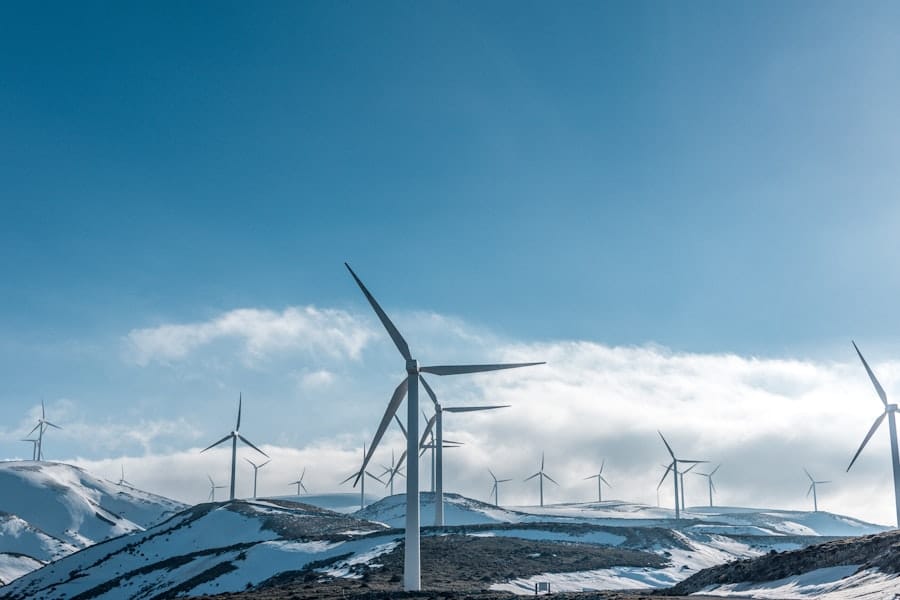
As technology continues to evolve, several trends are emerging that will shape the future of machine learning in energy consumption. One significant trend is the increasing integration of artificial intelligence (AI) with renewable energy sources. As more organizations transition towards solar and wind power, machine learning algorithms will play a crucial role in optimizing the integration of these intermittent resources into existing grids.
By predicting generation patterns based on weather forecasts and historical data, AI-driven systems can enhance grid stability and reliability. Another trend is the growing emphasis on decentralized energy systems facilitated by blockchain technology. Machine learning will be instrumental in managing these decentralized networks by analyzing data from distributed energy resources such as solar panels and battery storage systems.
This capability will enable more efficient peer-to-peer energy trading models and enhance overall grid resilience. As consumers become more engaged in their energy choices, machine learning will empower them with insights that allow for smarter consumption decisions.
The Impact of Machine Learning on Energy Efficiency
The impact of machine learning on energy efficiency is profound and far-reaching. As organizations increasingly adopt these technologies, they stand to benefit from enhanced operational efficiencies, significant cost savings, and improved sustainability outcomes.
As we look ahead, it is clear that the role of machine learning in optimizing energy consumption will only continue to grow. With ongoing advancements in technology and an increasing focus on sustainability across all sectors, machine learning will be at the forefront of efforts to create a more efficient and environmentally friendly energy landscape. The journey towards smarter energy management is just beginning, but the potential rewards are immense for both businesses and society as a whole.
In the quest for sustainable energy solutions, the role of machine learning in optimizing energy consumption has become increasingly significant. For those interested in exploring how technology can enhance efficiency in various sectors, a related article on the best software for freight forwarders in 2023 provides insights into how advanced algorithms can streamline logistics and reduce energy waste. You can read more about it in this article: Best Software for Freight Forwarders 2023.
FAQs
What is machine learning?
Machine learning is a subset of artificial intelligence that enables computers to learn from data and improve their performance on specific tasks without being explicitly programmed.
How does machine learning help optimize energy consumption?
Machine learning analyzes large datasets to identify patterns and predict energy usage, enabling more efficient energy management, reducing waste, and optimizing consumption in real-time.
What types of energy systems benefit from machine learning?
Machine learning can optimize energy consumption in various systems, including smart grids, HVAC systems, industrial processes, renewable energy sources, and residential energy management.
Can machine learning reduce energy costs?
Yes, by optimizing energy usage and improving efficiency, machine learning can help reduce energy costs for businesses and consumers.
Is machine learning used in renewable energy management?
Yes, machine learning helps forecast energy production from renewable sources like solar and wind, improving grid stability and energy storage management.
What data is required for machine learning to optimize energy consumption?
Data such as historical energy usage, weather conditions, occupancy patterns, and equipment performance are commonly used to train machine learning models for energy optimization.
Are there any challenges in applying machine learning to energy consumption?
Challenges include data quality and availability, model accuracy, integration with existing systems, and ensuring privacy and security of energy data.
How does machine learning contribute to sustainability?
By optimizing energy consumption and reducing waste, machine learning supports environmental sustainability and helps lower carbon emissions.
Is machine learning energy-efficient itself?
While training machine learning models can consume energy, the overall energy savings achieved through optimized consumption typically outweigh the energy used in model development.
Can machine learning adapt to changing energy consumption patterns?
Yes, machine learning models can be continuously updated with new data to adapt to evolving energy usage behaviors and external factors.