

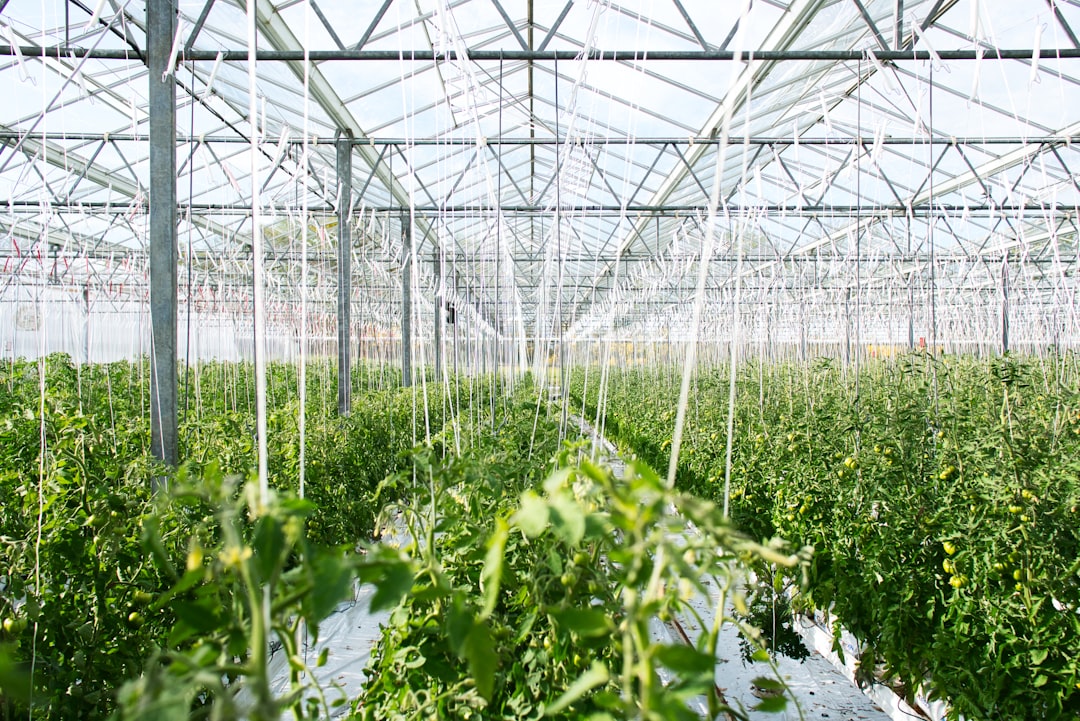
The Internet of Things (IoT) has revolutionized various sectors, and agriculture is no exception. IoT sensors are at the forefront of this transformation, providing farmers with the tools necessary to enhance productivity, optimize resource use, and promote sustainability. These sensors collect real-time data from the environment, enabling farmers to make informed decisions based on precise information rather than guesswork.
By integrating IoT technology into agricultural practices, farmers can monitor various parameters such as soil moisture, temperature, humidity, and crop health, leading to more efficient farming methods. The adoption of IoT sensors in agriculture is not merely a trend; it represents a fundamental shift towards precision farming.
As global populations continue to rise and the demand for food increases, the pressure on agricultural systems intensifies. IoT sensors provide a viable solution to these challenges by facilitating data-driven decision-making that can lead to increased yields while minimizing environmental impact.
Key Takeaways
- IoT sensors play a crucial role in enhancing agricultural efficiency by monitoring soil moisture and weather conditions.
- Water waste in agriculture is a significant issue that IoT technology helps to address through precise irrigation management.
- Optimizing irrigation systems with IoT sensors leads to better water conservation and improved crop yields.
- Real-time weather monitoring via IoT sensors enables farmers to make informed decisions and reduce resource wastage.
- Successful case studies demonstrate the potential of IoT sensors to drive sustainable agriculture practices in the future.
The Impact of Water Waste in Agriculture
Water waste in agriculture is a pressing issue that has far-reaching consequences for both the environment and food security. Agriculture accounts for approximately 70% of global freshwater withdrawals, making it the largest consumer of water resources. Inefficient irrigation practices, overwatering, and lack of proper monitoring contribute significantly to water waste.
In many regions, particularly those facing drought conditions, this waste exacerbates water scarcity and threatens the sustainability of agricultural practices. The consequences of water waste extend beyond immediate resource depletion. Excessive water usage can lead to soil erosion, nutrient leaching, and the degradation of arable land.
Furthermore, the environmental impact is profound; waterlogged fields can create anaerobic conditions that harm beneficial soil microorganisms and reduce crop yields. In addition to ecological concerns, the economic implications are significant as farmers face increased costs associated with water procurement and potential fines for over-extraction in regulated areas. Addressing water waste is not just an agricultural challenge; it is a critical component of sustainable development.
The Role of IoT Sensors in Monitoring Soil Moisture
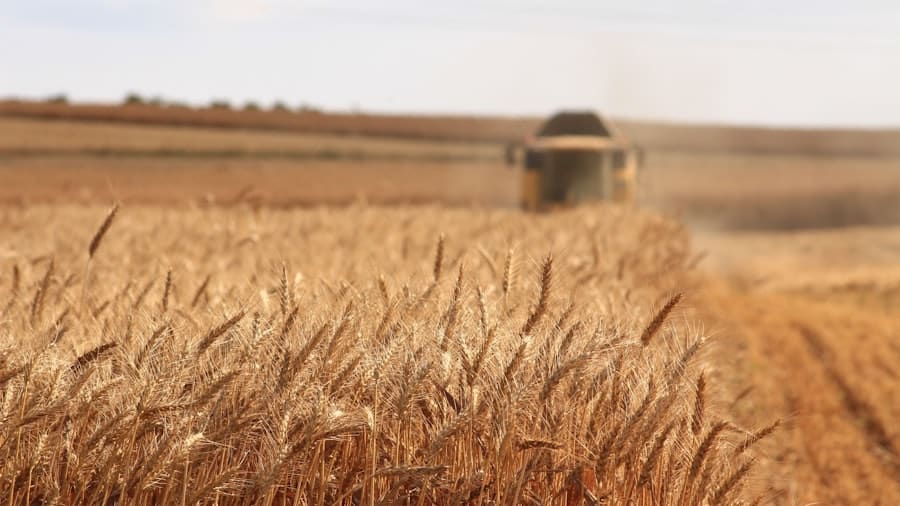
IoT sensors play a pivotal role in monitoring soil moisture levels, providing farmers with real-time data that is essential for effective irrigation management. These sensors are strategically placed in fields to measure the volumetric water content of the soil at various depths. By continuously monitoring moisture levels, farmers can gain insights into when and how much to irrigate, thereby preventing both under- and over-irrigation.
The data collected by soil moisture sensors can be integrated into farm management systems, allowing for automated irrigation scheduling based on actual soil conditions rather than predetermined schedules. For instance, if a sensor detects that soil moisture levels are adequate for crop growth, irrigation can be delayed or skipped entirely. This not only conserves water but also promotes healthier root development by preventing waterlogging.
Moreover, the ability to monitor soil moisture in real-time enables farmers to respond quickly to changing weather conditions or unexpected rainfall, further optimizing their irrigation practices.
Using IoT Sensors to Optimize Irrigation Systems
The optimization of irrigation systems through IoT sensors represents a significant advancement in agricultural technology. Traditional irrigation methods often rely on fixed schedules that do not account for variations in weather or soil conditions. In contrast, IoT-enabled irrigation systems utilize data from multiple sensors—such as soil moisture sensors, weather stations, and flow meters—to create a dynamic irrigation strategy tailored to the specific needs of crops.
For example, smart irrigation systems can automatically adjust water delivery based on real-time data inputs. If a weather forecast predicts rain, the system can temporarily suspend irrigation to prevent overwatering. Conversely, during dry spells, the system can increase water delivery to ensure crops receive adequate moisture.
This level of precision not only conserves water but also enhances crop resilience by ensuring that plants receive optimal hydration at critical growth stages. Additionally, IoT sensors can facilitate remote monitoring and control of irrigation systems through mobile applications or web interfaces. Farmers can access data from anywhere, allowing them to make timely decisions without being physically present in the field.
This capability is particularly beneficial for large-scale operations where managing multiple irrigation zones can be challenging.
IoT Sensors for Weather Monitoring and Forecasting
| Metric | Description | Impact on Water Waste Prevention | Example Data |
|---|---|---|---|
| Soil Moisture Monitoring | Real-time measurement of soil moisture levels using IoT sensors | Ensures irrigation only when necessary, reducing overwatering | Reduction in water use by up to 30% |
| Automated Irrigation Control | IoT-enabled systems automate irrigation based on sensor data | Prevents water waste by optimizing irrigation schedules | Water savings of 25-40% reported |
| Leak Detection Sensors | Sensors detect leaks in irrigation infrastructure | Early leak detection reduces water loss and maintenance costs | Leak-related water loss reduced by 15% |
| Weather Forecast Integration | IoT systems integrate weather data to adjust watering | Prevents irrigation before rain, conserving water | Water use decreased by 10-20% during rainy periods |
| Crop Health Monitoring | Sensors monitor plant health indicators to optimize water use | Improves water efficiency by targeting irrigation to crop needs | Yield increase of 5-15% with optimized water use |
Weather plays a crucial role in agriculture, influencing everything from planting schedules to harvest times. IoT sensors designed for weather monitoring provide farmers with localized data on temperature, humidity, wind speed, and precipitation levels. This information is invaluable for making informed decisions about crop management and irrigation practices.
By integrating weather data with soil moisture readings and crop health metrics, farmers can develop comprehensive strategies that account for both environmental conditions and plant needs. For instance, if a sensor indicates an impending heatwave, farmers can proactively adjust their irrigation schedules to mitigate stress on crops. Similarly, accurate rainfall forecasts allow farmers to plan their activities more effectively, reducing the risk of crop damage due to unexpected weather events.
Moreover, advanced weather forecasting models that incorporate IoT sensor data can enhance predictive accuracy. By analyzing historical weather patterns alongside real-time data from sensors, these models can provide insights into potential pest outbreaks or disease risks associated with specific weather conditions. This proactive approach enables farmers to implement preventive measures before issues arise, ultimately safeguarding their yields.
The Benefits of IoT Sensors in Reducing Water Waste
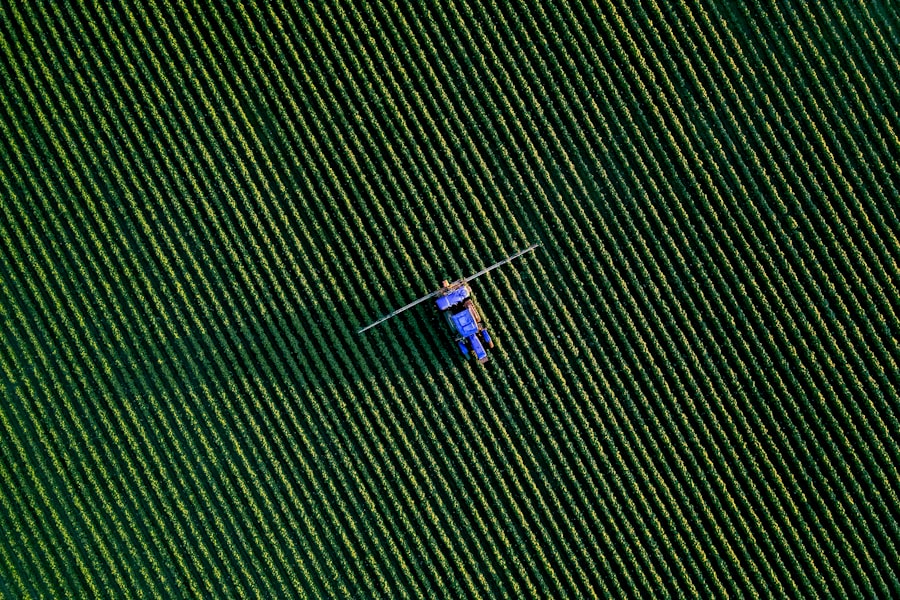
The implementation of IoT sensors in agriculture offers numerous benefits in terms of reducing water waste and promoting sustainable practices. One of the most significant advantages is the ability to make data-driven decisions that optimize water usage. By providing real-time insights into soil moisture levels and environmental conditions, these sensors empower farmers to irrigate more efficiently and effectively.
In addition to conserving water resources, IoT sensors contribute to improved crop health and yield quality. When crops receive the right amount of water at the right time, they are less susceptible to stress-related issues such as wilting or disease susceptibility. Healthier plants not only produce higher yields but also require fewer inputs such as fertilizers and pesticides, further enhancing sustainability.
Furthermore, the economic benefits of reduced water waste are substantial. Farmers can lower their operational costs by minimizing water usage while maintaining or even increasing crop productivity. In regions where water is scarce or expensive, this efficiency can be a game-changer for farm profitability.
Additionally, as consumers become more environmentally conscious, farms that adopt sustainable practices may find themselves better positioned in the market.
Case Studies of Successful Implementation of IoT Sensors in Agriculture
Several case studies illustrate the successful implementation of IoT sensors in agriculture and their impact on reducing water waste and enhancing productivity. One notable example is a vineyard in California that adopted an IoT-based irrigation management system. By installing soil moisture sensors throughout the vineyard, the farm was able to monitor moisture levels continuously and adjust irrigation schedules accordingly.
As a result, they reported a 30% reduction in water usage while maintaining grape quality and yield. Another compelling case comes from a large-scale cotton farm in Australia that integrated IoT technology into its operations. The farm utilized weather stations and soil moisture sensors to create a comprehensive irrigation management system that adjusted watering based on real-time data inputs.
This approach led to a significant decrease in water consumption—by approximately 40%—while simultaneously increasing cotton yields by 15%. The success of this implementation not only improved profitability but also demonstrated the potential for sustainable farming practices in arid regions. These case studies highlight how IoT sensors can transform agricultural practices by providing actionable insights that lead to more efficient resource use.
As more farmers adopt these technologies, the cumulative impact on water conservation and sustainable agriculture will become increasingly evident.
The Future of IoT Sensors in Sustainable Agriculture
The future of IoT sensors in sustainable agriculture looks promising as technology continues to evolve and become more accessible to farmers worldwide. Innovations such as advanced machine learning algorithms and artificial intelligence are poised to enhance the capabilities of IoT systems further. These technologies will enable more sophisticated data analysis and predictive modeling, allowing farmers to anticipate challenges before they arise.
Moreover, as connectivity improves in rural areas through advancements in 5G technology and satellite communications, the reach of IoT sensors will expand significantly. This increased connectivity will facilitate real-time data sharing among farmers, researchers, and agricultural organizations, fostering collaboration and knowledge exchange that can drive further innovation. In addition to improving resource efficiency, IoT sensors will play a crucial role in addressing broader sustainability goals within agriculture.
As climate change continues to impact weather patterns and resource availability, the ability to monitor and adapt farming practices will be essential for resilience. By leveraging IoT technology, farmers can not only reduce water waste but also contribute to global efforts aimed at achieving food security while minimizing environmental impact. As we look ahead, it is clear that IoT sensors will be integral to shaping the future of agriculture—one that prioritizes sustainability while meeting the demands of a growing population.
The ongoing integration of technology into farming practices promises not only enhanced productivity but also a more responsible approach to resource management that benefits both farmers and the planet alike.
In the realm of modern agriculture, the integration of IoT sensors is proving to be a game-changer in preventing water waste. These sensors provide real-time data on soil moisture levels, allowing farmers to optimize their irrigation practices. For those interested in exploring how technology is reshaping various aspects of our lives, you might find the article on unlocking the possibilities with the Samsung Galaxy S22 particularly insightful, as it highlights the innovative features of smart devices that can enhance productivity across different sectors, including agriculture.
FAQs
What are IoT sensors in agriculture?
IoT sensors in agriculture are connected devices that collect and transmit data related to soil moisture, weather conditions, crop health, and water usage. These sensors help farmers monitor and manage their fields more efficiently.
How do IoT sensors help prevent water waste in agriculture?
IoT sensors provide real-time data on soil moisture levels and environmental conditions, enabling precise irrigation scheduling. This ensures that crops receive the right amount of water at the right time, reducing overwatering and minimizing water waste.
What types of IoT sensors are commonly used to monitor water usage?
Common IoT sensors for water management include soil moisture sensors, weather stations, flow meters, and humidity sensors. These devices work together to provide comprehensive data for efficient water use.
Can IoT sensors improve crop yield while saving water?
Yes, by optimizing irrigation based on accurate data, IoT sensors help maintain optimal soil moisture levels, which can improve crop health and yield while conserving water resources.
Are IoT sensors cost-effective for farmers?
While there is an initial investment, IoT sensors can lead to long-term savings by reducing water consumption, lowering energy costs, and increasing crop productivity, making them cost-effective over time.
Do IoT sensors require internet connectivity?
Yes, IoT sensors typically require internet or network connectivity to transmit data to cloud platforms or mobile devices for monitoring and analysis.
How do farmers access data from IoT sensors?
Farmers can access sensor data through mobile apps, web dashboards, or integrated farm management systems, allowing them to make informed decisions remotely.
Is the use of IoT sensors environmentally beneficial?
Yes, by reducing water waste and optimizing resource use, IoT sensors contribute to sustainable agriculture and help conserve water resources.
Can IoT sensors detect leaks or irrigation system failures?
Yes, IoT sensors can monitor water flow and pressure, enabling early detection of leaks or malfunctions in irrigation systems, which helps prevent water loss.
Are IoT sensors suitable for all types of crops and farming systems?
IoT sensors can be adapted for various crops and farming systems, including open fields, greenhouses, and vertical farms, making them versatile tools for water management in agriculture.