

The emergence of deepfake technology has sparked significant concern across various sectors, including media, politics, and personal privacy. Deepfakes utilize artificial intelligence to create hyper-realistic alterations of video and audio content, making it increasingly difficult to distinguish between genuine and manipulated material. This capability poses a serious threat to the integrity of information, as malicious actors can exploit deepfakes for misinformation, defamation, and even political manipulation. The rapid proliferation of this technology has led to a crisis in trust, where audiences are left questioning the authenticity of the content they consume.
As deepfake technology continues to evolve, the implications for society become more pronounced. The potential for misuse is vast, ranging from the creation of fake news to the impersonation of individuals for fraudulent purposes. This crisis not only affects public figures but also ordinary citizens who may find themselves victims of identity theft or reputational damage. In response to these challenges, there is a growing interest in leveraging blockchain technology as a means to combat the deepfake phenomenon and restore trust in digital content.
In exploring innovative solutions to the deepfake content crisis, it’s essential to consider the technological advancements that can support digital integrity. A related article discusses the best software options for cloning HDDs to SSDs, which highlights the importance of data management and security in the digital age. By ensuring that data is accurately preserved and transferred, we can better safeguard against the misuse of technology, such as deepfakes. For more information, you can read the article here: Best Software to Clone HDD to SSD.
Key Takeaways
- Deepfake content poses significant challenges to authenticity and trust in digital media.
- Blockchain technology offers a decentralized way to verify the origin and integrity of content.
- Using blockchain can enhance secure content distribution and prevent unauthorized alterations.
- Blockchain helps protect data privacy while combating the spread of deepfake media.
- Despite its benefits, blockchain faces challenges like scalability and adoption barriers in addressing deepfake issues.
Understanding Blockchain Technology
Blockchain technology is a decentralized digital ledger system that records transactions across multiple computers in a way that ensures the security and transparency of data. Each transaction is grouped into blocks, which are then linked together in chronological order, forming a chain. This structure makes it nearly impossible to alter any single block without affecting all subsequent blocks, thereby providing a high level of data integrity. The decentralized nature of blockchain means that no single entity has control over the entire network, reducing the risk of manipulation or fraud.
The most well-known application of blockchain technology is in cryptocurrencies like Bitcoin, but its potential extends far beyond digital currencies. Blockchain can be utilized in various fields, including supply chain management, healthcare, and intellectual property rights. By providing a secure and transparent method for recording transactions and verifying identities, blockchain has the potential to revolutionize how we manage and share information in an increasingly digital world.
How Blockchain Can Verify Authenticity of Content
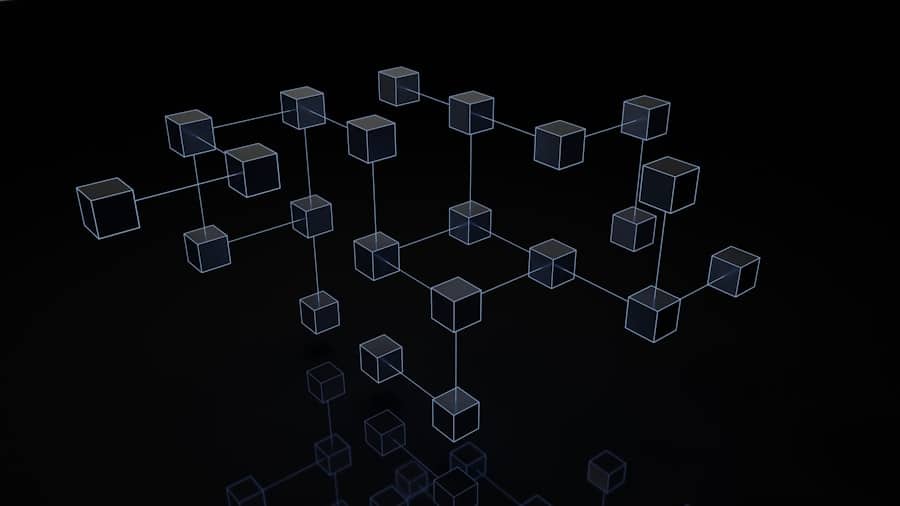
One of the primary advantages of blockchain technology is its ability to verify the authenticity of digital content. By creating a unique digital fingerprint for each piece of content and recording it on the blockchain, creators can establish a verifiable chain of custody. This process involves hashing the content into a unique code that is then stored on the blockchain along with metadata such as the creator’s identity and timestamp. When users access the content, they can check this hash against the blockchain to confirm its authenticity.
This verification process can be particularly beneficial in combating deepfakes. For instance, if a video is uploaded to a platform with its hash recorded on the blockchain, any subsequent alterations would result in a different hash value. Users can easily identify whether the content has been tampered with by comparing the current hash with the original one stored on the blockchain. This capability not only helps in identifying deepfakes but also fosters greater accountability among content creators and distributors.
The Role of Blockchain in Content Distribution
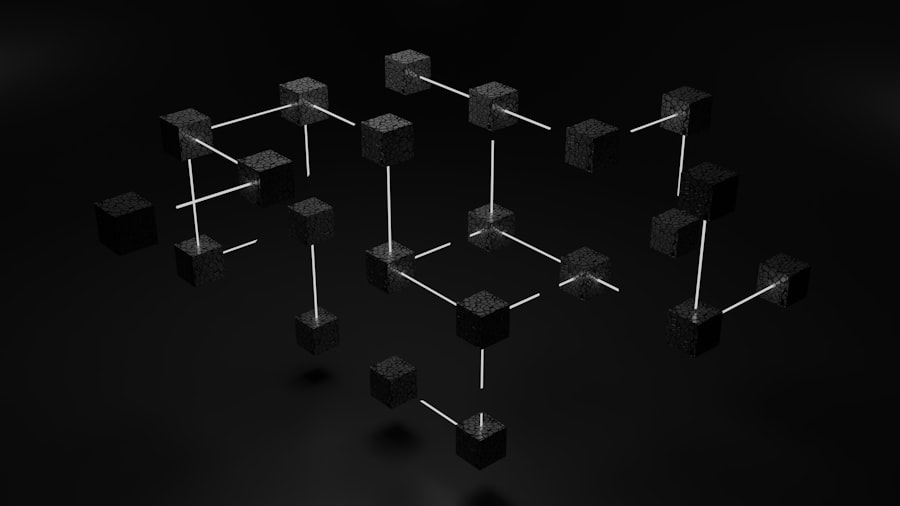
Blockchain technology can also play a significant role in content distribution by enabling decentralized platforms that prioritize transparency and user control. Traditional content distribution models often rely on centralized entities that can manipulate access and monetization.
In contrast, blockchain allows for peer-to-peer sharing of content without intermediaries, ensuring that creators retain more control over their work and receive fair compensation.
By utilizing smart contracts—self-executing contracts with the terms directly written into code—content creators can automate payment processes based on usage or access. This system not only streamlines transactions but also enhances trust between creators and consumers. Users can be assured that they are supporting original content while minimizing the risk of encountering deepfakes or other manipulated materials.
In exploring innovative solutions to the challenges posed by deepfake technology, it’s interesting to consider how blockchain can provide a secure framework for verifying the authenticity of digital content. A related article discusses essential tips for selecting the right laptop for students, which can be crucial for those studying digital media and content creation. Understanding the tools available can empower students to engage critically with emerging technologies. For more insights, check out this helpful guide on choosing a laptop for students.
Combating Deepfake Content with Blockchain
| Metric | Description | Impact of Blockchain | Example/Value |
|---|---|---|---|
| Content Provenance | Tracking the origin and history of digital content | Immutable ledger ensures authenticity and traceability | 100% tamper-proof content history |
| Verification Time | Time taken to verify content authenticity | Reduced from hours/days to minutes via automated blockchain checks | Verification in under 5 minutes |
| Deepfake Detection Accuracy | Rate of correctly identifying deepfake content | Improved by integrating blockchain-verified metadata with AI detection | Accuracy increase by 30% |
| Content Tampering Incidents | Number of reported content manipulations | Significant reduction due to blockchain immutability | Reduction by 70% |
| User Trust Level | Percentage of users trusting content authenticity | Increased through transparent verification processes | Trust increase from 45% to 80% |
| Cost of Verification | Resources spent on verifying content authenticity | Lowered by decentralized verification and automation | Cost reduction by 50% |
The integration of blockchain technology into content verification and distribution systems presents a promising approach to combating deepfake content. By establishing a secure framework for verifying authenticity, blockchain can help mitigate the risks associated with manipulated media. For example, news organizations could adopt blockchain-based systems to authenticate video footage before publication, ensuring that only verified content reaches their audiences.
Moreover, educational institutions and social media platforms can implement similar measures to protect users from misinformation. By requiring all uploaded content to be hashed and recorded on a blockchain, these platforms can create an environment where deepfakes are easily identifiable. This proactive approach not only protects users but also promotes responsible content creation practices among producers.
In exploring the potential solutions to the deepfake content crisis, it’s interesting to consider how technology can play a role in safeguarding our digital experiences. A related article discusses the important factors to consider when selecting your child’s first smartphone, highlighting the need for security and reliability in today’s tech landscape. Understanding these aspects can help parents navigate the complexities of digital content, making it easier to protect their children from misleading media. For more insights, you can read the article on com/how-to-choose-your-childs-first-smartphone/’>choosing your child’s first smartphone.
Ensuring Data Privacy and Security with Blockchain
In addition to verifying authenticity and combating deepfakes, blockchain technology offers enhanced data privacy and security features that are crucial in today’s digital landscape. The decentralized nature of blockchain means that personal data is not stored in a single location, reducing the risk of large-scale data breaches that have become increasingly common. Instead, data is distributed across multiple nodes in the network, making it more resilient against attacks.
Furthermore, blockchain allows users to maintain control over their personal information through cryptographic techniques. Individuals can choose what data to share and with whom, ensuring that their privacy is respected. This level of control is particularly important in an era where data misuse is rampant, as it empowers users to protect their identities while engaging with digital content.
Potential Challenges and Limitations of Using Blockchain
Despite its potential benefits, the implementation of blockchain technology in combating deepfakes and ensuring content authenticity is not without challenges. One significant limitation is scalability; as more users join a blockchain network, the system may experience slower transaction speeds and increased costs associated with processing data. This issue could hinder widespread adoption among content creators and distributors who require efficient solutions.
Additionally, there are concerns regarding regulatory frameworks surrounding blockchain technology. The lack of standardized regulations can create uncertainty for businesses looking to adopt blockchain solutions for content verification and distribution. Furthermore, while blockchain can enhance security and privacy, it is not entirely immune to risks such as smart contract vulnerabilities or potential misuse by malicious actors seeking to exploit the technology for their own gain.
The Future of Deepfake Content and Blockchain Technology
As deepfake technology continues to advance, the need for effective solutions to verify content authenticity becomes increasingly urgent. Blockchain technology presents a viable option for addressing this crisis by providing secure methods for verifying digital media while enhancing user privacy and control over personal data. By leveraging blockchain’s decentralized nature and transparency features, stakeholders across various sectors can work together to combat misinformation and restore trust in digital content.
Looking ahead, the successful integration of blockchain into content verification systems will require collaboration among technologists, policymakers, and industry leaders. While challenges remain, the potential benefits of using blockchain to combat deepfakes are significant. As society grapples with the implications of manipulated media, embracing innovative technologies like blockchain may be essential for safeguarding information integrity in an increasingly complex digital landscape.
FAQs
What is a deepfake and why is it considered a crisis?
A deepfake is synthetic media in which a person in an existing image or video is replaced with someone else’s likeness using artificial intelligence. It is considered a crisis because deepfakes can be used to spread misinformation, manipulate public opinion, damage reputations, and create security risks.
How can blockchain technology help address the deepfake content crisis?
Blockchain can help by providing a decentralized and tamper-proof ledger to verify the authenticity and origin of digital content. This ensures that videos and images can be traced back to their original source, making it easier to detect and prevent the spread of deepfake content.
What features of blockchain make it suitable for combating deepfakes?
Blockchain’s key features include immutability, transparency, and decentralization. These features allow for secure and verifiable recording of content metadata, timestamps, and ownership, which helps in authenticating genuine media and identifying manipulated content.
Are there existing platforms using blockchain to fight deepfakes?
Yes, several platforms and startups are exploring or implementing blockchain-based solutions to verify digital content authenticity. These platforms use blockchain to timestamp and certify original media files, enabling users to confirm whether content has been altered.
Can blockchain completely eliminate the problem of deepfake content?
While blockchain can significantly reduce the spread and impact of deepfakes by improving content verification, it cannot completely eliminate deepfake creation. It is one tool among many, including AI detection algorithms and legal measures, needed to address the deepfake crisis effectively.