


The Internet of Things (IoT) refers to the interconnected network of devices that communicate and exchange data with one another over the internet. This technology encompasses a wide range of devices, from smart home appliances to industrial machinery, all designed to enhance efficiency and convenience. As IoT devices proliferate, the need for effective communication protocols becomes increasingly critical. These devices often rely on various communication methods, including Wi-Fi, Bluetooth, and cellular networks, to transmit data. The seamless exchange of information among these devices is essential for their functionality and the realization of smart environments.
However, the communication between IoT devices is not without its challenges. The sheer volume of data generated and transmitted can lead to congestion and latency issues. Additionally, the diversity of devices and communication standards complicates interoperability. As IoT continues to expand, ensuring secure and reliable communication becomes paramount. This is where innovative solutions, such as blockchain technology, come into play. By leveraging the decentralized nature of blockchain, it is possible to enhance the security and integrity of IoT device communication, addressing some of the vulnerabilities inherent in traditional systems.
In exploring the intersection of technology and security, the article on how blockchain can enhance IoT device communication is particularly relevant. For those interested in understanding the broader implications of technology in education, a related article on choosing the right PC for students can provide valuable insights. You can read more about it here: How to Choose a PC for Students. This connection highlights the importance of secure technology in both personal and educational contexts.
Key Takeaways
- IoT devices are vulnerable to security threats due to their interconnected nature.
- Blockchain technology offers a decentralized and secure method for IoT device communication.
- Implementing blockchain in IoT can enhance data integrity and prevent unauthorized access.
- Despite benefits, challenges like scalability and energy consumption exist in blockchain-IoT integration.
- Future advancements may unlock new opportunities for secure and efficient IoT communication using blockchain.
The Vulnerability of IoT Devices
IoT devices are often seen as convenient tools that simplify daily tasks; however, they are also susceptible to various security threats. One of the primary vulnerabilities stems from their limited processing power and memory, which can restrict the implementation of robust security measures. Many IoT devices operate on outdated software or lack regular updates, making them easy targets for cyberattacks. Furthermore, the vast number of devices connected to the internet creates a larger attack surface for malicious actors seeking to exploit weaknesses in the system.
Another significant concern is the lack of standardized security protocols across different manufacturers and device types. This inconsistency can lead to gaps in security that hackers can exploit. For instance, many IoT devices use default passwords that are rarely changed by users, making them vulnerable to unauthorized access. Additionally, the data transmitted between these devices can be intercepted if not properly encrypted, leading to potential breaches of sensitive information. As IoT continues to grow, addressing these vulnerabilities is crucial for ensuring the safety and reliability of device communication.
The Basics of Blockchain Technology

Blockchain technology is a decentralized digital ledger that records transactions across multiple computers in a way that ensures the security and transparency of data. Each transaction is grouped into a block, which is then linked to previous blocks in a chronological chain. This structure makes it nearly impossible to alter any information without consensus from the network participants, thereby enhancing data integrity. Blockchain operates on a peer-to-peer network, eliminating the need for a central authority and reducing the risk of single points of failure.
One of the key features of blockchain is its use of cryptographic techniques to secure data. Each block contains a unique cryptographic hash that links it to the previous block, creating an immutable record of all transactions. This characteristic is particularly valuable in environments where trust is essential, such as financial transactions or sensitive data exchanges. Additionally, blockchain can facilitate smart contracts—self-executing contracts with the terms directly written into code—allowing for automated processes without intermediaries. These features position blockchain as a promising solution for enhancing the security and efficiency of IoT device communication.
How Blockchain Can Secure IoT Device Communication
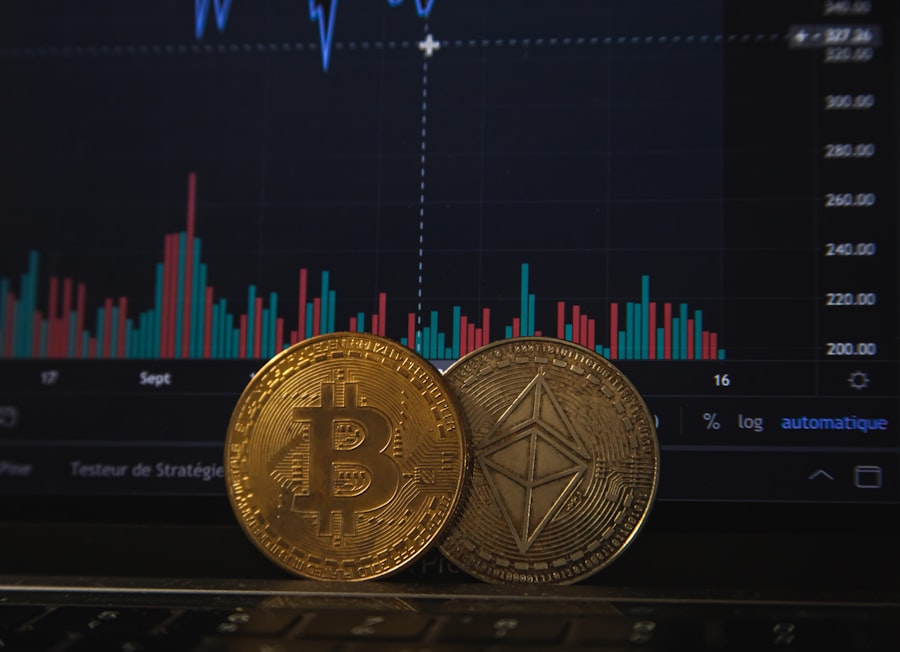
Integrating blockchain technology into IoT device communication can significantly enhance security by providing a decentralized framework for data exchange. By utilizing blockchain’s immutable ledger, each transaction between devices can be recorded transparently and securely. This means that any attempt to alter or tamper with data would be easily detectable by other participants in the network, thereby deterring malicious activities. The decentralized nature of blockchain also reduces reliance on central servers, which are often prime targets for cyberattacks.
Moreover, blockchain can facilitate secure authentication processes for IoT devices. Each device can be assigned a unique cryptographic identity stored on the blockchain, allowing for secure verification before any data exchange occurs. This approach mitigates risks associated with unauthorized access and ensures that only legitimate devices can communicate within the network. Additionally, smart contracts can automate various processes related to device communication, such as data sharing agreements or access permissions, further enhancing security and efficiency.
In exploring the potential of blockchain technology to enhance the security of IoT device communication, it is interesting to consider how various innovations are reshaping industries. For instance, a related article discusses the concept of BOPIS, or Buy Online, Pick Up In Store, which highlights the integration of digital and physical retail experiences. You can read more about this transformative approach in the article found com/what-is-bopis-and-how-does-it-work/’>here.
By understanding these advancements, we can better appreciate the broader implications of secure communication in interconnected systems.
Implementing Blockchain in IoT Devices
| Metric | Description | Impact on IoT Security | Example Value |
|---|---|---|---|
| Data Integrity | Ensures data transmitted between IoT devices is not altered or tampered with. | High – Blockchain’s immutable ledger guarantees data authenticity. | 99.99% tamper resistance |
| Decentralization | Removes single points of failure by distributing data across multiple nodes. | High – Reduces risk of centralized attacks on IoT networks. | 100+ distributed nodes |
| Authentication | Verifies the identity of IoT devices before communication. | Medium – Blockchain-based identity management enhances trust. | 99.5% successful device authentication |
| Latency | Time delay introduced by blockchain transactions in IoT communication. | Low to Medium – May affect real-time IoT applications. | Average 2-5 seconds per transaction |
| Scalability | Ability to handle a growing number of IoT devices and transactions. | Medium – Blockchain scalability solutions are evolving. | Thousands of transactions per second (TPS) with Layer 2 |
| Energy Consumption | Power required to maintain blockchain operations for IoT devices. | Low to Medium – Depends on consensus mechanism used. | Proof of Stake: ~1 kWh per 1,000 transactions |
| Data Privacy | Protection of sensitive IoT data from unauthorized access. | High – Blockchain enables encrypted and permissioned data sharing. | End-to-end encryption with access control |
The implementation of blockchain technology in IoT devices involves several key considerations. First, it is essential to select an appropriate blockchain platform that aligns with the specific requirements of the IoT ecosystem. Various platforms offer different features and capabilities, such as scalability, transaction speed, and consensus mechanisms. Choosing the right platform is crucial for ensuring that it can handle the volume of transactions generated by numerous IoT devices.
Once a suitable platform is selected, developers must integrate blockchain protocols into the existing architecture of IoT devices. This may involve updating firmware or software to support blockchain functionalities such as cryptographic hashing and smart contracts. Additionally, establishing a robust network infrastructure is vital for facilitating communication between devices and the blockchain network. This may include setting up nodes that can process transactions and maintain the integrity of the blockchain ledger.
In exploring the potential of blockchain technology to enhance the security of IoT device communication, it’s interesting to consider how various software solutions can optimize trading processes in different sectors. For instance, a related article discusses the best order flow trading software, providing in-depth reviews and analysis that could be beneficial for those looking to improve their trading strategies. You can read more about it here. This connection highlights the broader implications of secure communication technologies across diverse applications, including finance and beyond.
Benefits of Using Blockchain for IoT Device Communication
The adoption of blockchain technology in IoT device communication offers several notable benefits. One significant advantage is enhanced security through decentralization and encryption. By eliminating central points of failure and employing cryptographic techniques, blockchain reduces the risk of data breaches and unauthorized access. This increased security is particularly important in sectors such as healthcare or finance, where sensitive information is frequently transmitted between devices.
Another benefit is improved transparency and traceability in data exchanges. With every transaction recorded on an immutable ledger, stakeholders can easily track the flow of information between devices. This transparency fosters trust among users and can be particularly advantageous in supply chain management or asset tracking applications. Furthermore, blockchain’s ability to facilitate smart contracts allows for automated processes that reduce human intervention and minimize errors, leading to greater operational efficiency.
Challenges and Limitations of Using Blockchain for IoT Device Communication
Despite its potential advantages, implementing blockchain technology in IoT device communication also presents several challenges and limitations. One major concern is scalability; as the number of connected devices increases, so does the volume of transactions that need to be processed on the blockchain. Many existing blockchain platforms struggle to handle high transaction throughput efficiently, which could lead to delays in communication between devices.
Additionally, energy consumption is another critical issue when integrating blockchain with IoT devices. Many blockchain networks require significant computational power for consensus mechanisms like proof-of-work, which may not be feasible for resource-constrained IoT devices with limited battery life. Finding a balance between maintaining security and minimizing energy consumption remains a challenge that developers must address.
Future Implications and Opportunities for Blockchain in IoT Device Communication
Looking ahead, the integration of blockchain technology into IoT device communication presents numerous opportunities for innovation and improvement across various sectors. As more industries recognize the potential benefits of secure and transparent data exchanges, we may see increased investment in developing tailored blockchain solutions specifically designed for IoT applications. This could lead to advancements in areas such as smart cities, autonomous vehicles, and industrial automation.
Moreover, ongoing research into alternative consensus mechanisms may help address scalability and energy consumption issues associated with traditional blockchain systems. Innovations such as proof-of-stake or delegated proof-of-stake could provide more efficient ways to validate transactions while maintaining security standards. As these technologies evolve, they may pave the way for broader adoption of blockchain in IoT communications, ultimately enhancing security and reliability in an increasingly interconnected world.
In conclusion, while challenges remain in implementing blockchain technology within IoT ecosystems, its potential benefits make it a compelling solution for securing device communication. As both fields continue to evolve, collaboration between technologists and industry stakeholders will be essential in realizing the full potential of this integration.
FAQs
What is the role of blockchain in securing IoT device communication?
Blockchain provides a decentralized and tamper-proof ledger that records all transactions between IoT devices. This ensures data integrity, transparency, and prevents unauthorized access or manipulation, enhancing the security of device communication.
How does blockchain improve data privacy for IoT devices?
Blockchain uses cryptographic techniques to secure data exchanges, allowing only authorized parties to access sensitive information. This decentralized approach reduces reliance on central servers, minimizing the risk of data breaches and enhancing privacy.
Can blockchain prevent unauthorized device access in IoT networks?
Yes, blockchain can enforce strict access controls through smart contracts and cryptographic authentication. This ensures that only verified devices can join the network and communicate, reducing the risk of hacking or unauthorized device manipulation.
What are smart contracts and how do they relate to IoT security?
Smart contracts are self-executing code stored on the blockchain that automatically enforce rules and agreements. In IoT, they can automate security protocols, device authentication, and data sharing policies, ensuring secure and reliable device interactions.
Are there any challenges in implementing blockchain for IoT security?
Yes, challenges include the limited processing power and storage capacity of many IoT devices, scalability issues of blockchain networks, and the complexity of integrating blockchain with existing IoT infrastructure. Addressing these challenges is crucial for effective deployment.