

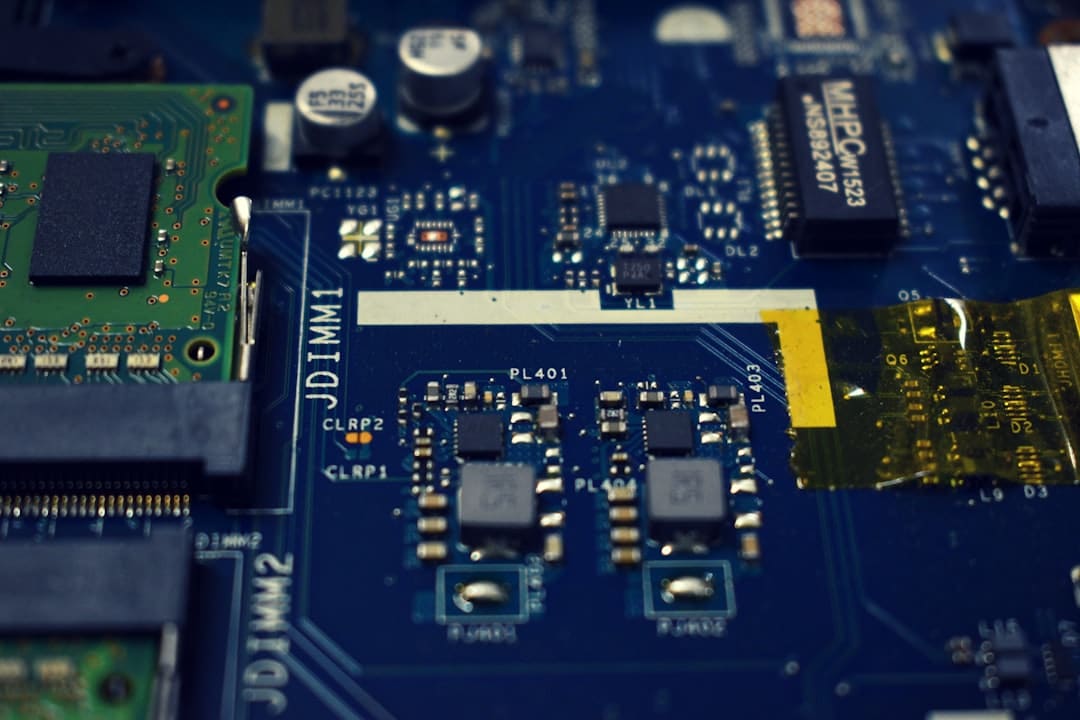
Bio-integrated electronics represent a significant advancement in the intersection of technology and biology. This field encompasses devices that are designed to seamlessly integrate with biological systems, offering innovative solutions for monitoring health and enhancing medical treatments. These devices can be implanted or worn on the body, providing real-time data that can be crucial for patient care. The development of bio-integrated electronics is driven by the need for more efficient healthcare solutions that minimize the environmental impact of traditional medical practices.
The integration of electronics with biological systems has opened new avenues for diagnostics and treatment. By utilizing materials that are biocompatible, these devices can function within the human body without causing adverse reactions. This technology not only enhances patient outcomes but also addresses some of the pressing challenges faced by the healthcare industry, including the management of medical waste.
As healthcare systems evolve, bio-integrated electronics are poised to play a pivotal role in creating sustainable practices that benefit both patients and the environment.
In exploring the innovative advancements in healthcare technology, the article on how bio-integrated electronics are reducing medical waste highlights the importance of sustainability in medical practices. For a broader perspective on current trends that influence various industries, including healthcare, you can check out this insightful piece on the top trends on TikTok in 2023, which showcases how social media is shaping consumer behavior and awareness around sustainability. For more information, visit this article.
Key Takeaways
- Bio-integrated electronics offer innovative solutions to minimize medical waste by integrating seamlessly with biological systems.
- Medical waste significantly harms the environment, necessitating sustainable alternatives in healthcare technology.
- These electronics provide advantages such as biodegradability, reduced toxicity, and enhanced patient comfort.
- Successful case studies demonstrate the practical application and benefits of bio-integrated devices in various medical fields.
- Despite promising potential, challenges like material limitations and device durability must be addressed for widespread adoption.
The Impact of Medical Waste on the Environment
Medical waste poses a significant threat to environmental health, with its improper disposal leading to pollution and health risks. The World Health Organization estimates that around 15% of medical waste is hazardous, containing infectious materials, chemicals, and other harmful substances. When disposed of incorrectly, these materials can contaminate soil and water sources, posing risks to both human health and ecosystems. The growing volume of medical waste generated by healthcare facilities worldwide exacerbates this issue, making it imperative to find effective solutions.
The environmental impact of medical waste is not limited to its immediate effects. The incineration of medical waste releases toxic emissions into the atmosphere, contributing to air pollution and climate change. Additionally, landfilling medical waste can lead to leachate, which can contaminate groundwater supplies. As healthcare systems expand and the demand for medical services increases, the challenge of managing medical waste sustainably becomes more pressing. Addressing this issue requires innovative approaches that not only reduce waste generation but also promote environmentally friendly disposal methods.
The Advantages of Bio-Integrated Electronics in Reducing Medical Waste
Bio-integrated electronics offer several advantages in mitigating the environmental impact of medical waste. One of the primary benefits is their potential to reduce the reliance on disposable medical devices. Traditional medical practices often involve single-use items that contribute significantly to waste generation. By developing devices that can be reused or that biodegrade safely after use, bio-integrated electronics can help minimize the volume of waste produced by healthcare facilities.
Moreover, these devices can enhance patient monitoring and treatment efficacy, potentially reducing the need for additional interventions and associated waste. For instance, continuous monitoring devices can provide real-time data on a patient’s condition, allowing for timely adjustments in treatment plans without necessitating frequent hospital visits or additional disposable equipment. This shift towards more efficient healthcare delivery not only benefits patients but also contributes to a reduction in overall medical waste.
Examples of Bio-Integrated Electronics in Medical Applications
Several examples illustrate the application of bio-integrated electronics in the medical field. One notable instance is the development of biosensors that can monitor glucose levels in diabetic patients. These devices can be implanted under the skin and provide continuous readings, allowing for better management of blood sugar levels without the need for frequent finger pricks or disposable test strips. Such innovations not only improve patient comfort but also significantly reduce the amount of medical waste generated from traditional monitoring methods.
Another example is the use of bio-integrated electronics in cardiac monitoring.
Devices such as implantable cardioverter-defibrillators (ICDs) and pacemakers have evolved to include advanced sensors that can communicate data wirelessly to healthcare providers.
This capability allows for remote monitoring of patients’ heart health, reducing the need for in-person visits and associated disposable equipment. As these technologies continue to advance, they hold promise for further reducing waste while improving patient outcomes.
In exploring the advancements in bio-integrated electronics and their role in reducing medical waste, it is interesting to consider how technology is evolving across various fields. For instance, a recent article discusses the best laptops for graphic design in 2023, highlighting the importance of innovative technology in creative industries. You can read more about it in this insightful piece that emphasizes the significance of selecting the right tools for enhancing productivity and creativity. This intersection of technology and sustainability is crucial as we move towards a more eco-friendly future in both healthcare and design. For more details, check out the article here.
Challenges and Limitations of Bio-Integrated Electronics
| Metric | Value | Impact on Medical Waste | Source/Notes |
|---|---|---|---|
| Average lifespan of traditional medical devices | 1-2 years | High turnover leads to increased waste | Industry reports |
| Average lifespan of bio-integrated electronics | 6-12 months (biodegradable) | Devices degrade naturally, reducing landfill waste | Research studies on biodegradable sensors |
| Reduction in plastic waste from disposable devices | Up to 40% | Less plastic used due to bio-integrated materials | Environmental impact assessments |
| Percentage of electronic waste reduction | 25-30% | Bio-integrated electronics reduce e-waste volume | Medical waste management reports |
| Patient monitoring accuracy improvement | 15-20% | Improved monitoring reduces need for repeat tests/devices | Clinical trial data |
| Energy consumption reduction in device manufacturing | 30% | Lower energy use reduces carbon footprint | Manufacturing process analysis |
| Biodegradability rate of bio-integrated devices | 90% within 6 months | Rapid degradation minimizes long-term waste | Material science research |
Despite their potential benefits, bio-integrated electronics face several challenges and limitations that must be addressed for widespread adoption. One significant concern is the biocompatibility of materials used in these devices. While many materials are designed to be safe for use within the body, there is still a risk of adverse reactions or complications arising from their implantation. Ensuring that these devices are safe and effective requires rigorous testing and regulatory oversight.
Additionally, the cost of developing and manufacturing bio-integrated electronics can be prohibitive. Research and development in this field often require substantial investment, which may limit access to these technologies in resource-limited settings. Furthermore, there is a need for education and training among healthcare professionals to effectively utilize these devices and interpret the data they provide. Overcoming these challenges will be essential for realizing the full potential of bio-integrated electronics in healthcare.
In exploring the innovative field of bio-integrated electronics, it’s fascinating to see how these advancements are not only enhancing patient care but also significantly reducing medical waste. A related article discusses the impact of technology on education, highlighting how the best tablets for students in 2023 are designed to be more sustainable and efficient. You can read more about this intersection of technology and sustainability in the article linked here: