

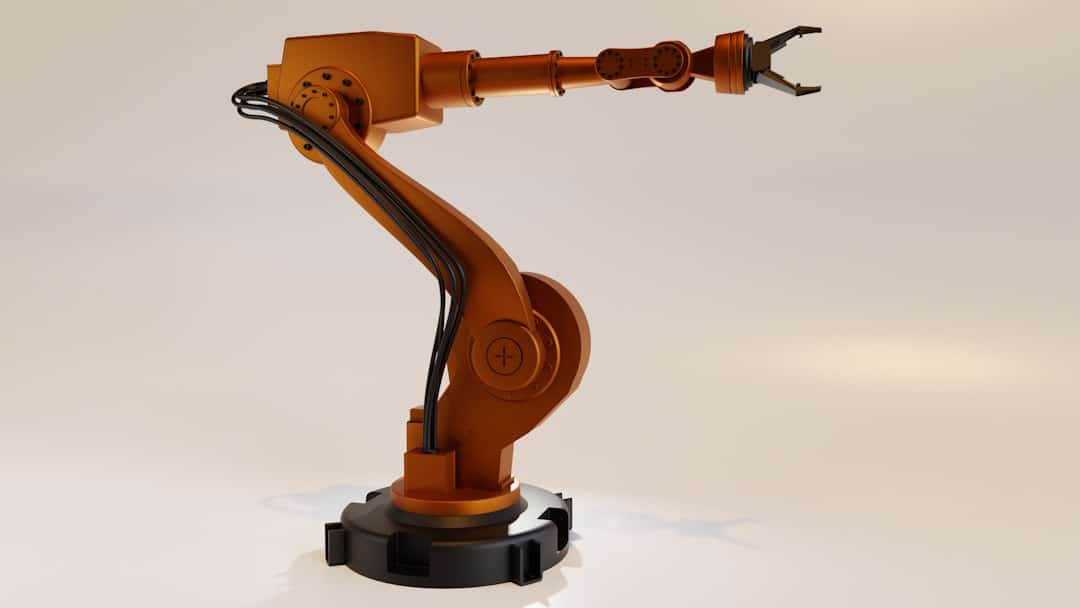
Bio-inspired robotics is an interdisciplinary field that draws inspiration from the natural world to design and develop robotic systems. This innovative approach leverages the principles of biology, studying the mechanics, behaviors, and adaptations of living organisms to create machines that can perform complex tasks. The fascination with nature’s designs has led researchers and engineers to explore how the intricate systems found in animals and plants can inform the development of more efficient, adaptable, and resilient robotic technologies.
From the flight patterns of birds to the locomotion of insects, bio-inspired robotics seeks to replicate these natural phenomena in a way that enhances human capabilities and addresses real-world challenges. The significance of bio-inspired robotics extends beyond mere imitation; it embodies a philosophy of learning from nature’s time-tested solutions. The evolutionary processes that have shaped organisms over millions of years have resulted in highly specialized adaptations that allow them to thrive in diverse environments.
By understanding these adaptations, engineers can create robots that not only mimic the physical attributes of these organisms but also their decision-making processes and survival strategies. This convergence of biology and technology opens up new avenues for innovation, enabling the development of robots that can navigate complex terrains, interact with their surroundings intelligently, and even collaborate with humans in various applications.
Key Takeaways
- Bio-inspired robotics mimic natural organisms to enhance robotic design and functionality.
- These robots are applied in diverse fields, including medicine, healthcare, and environmental conservation.
- They help solve complex problems by leveraging efficient, adaptive biological principles.
- Challenges include technical limitations, ethical concerns, and integration into society.
- The future of bio-inspired robotics holds significant potential for transformative impacts across multiple sectors.
Mimicking Nature: How Bio-Inspired Robotics Work
The core principle behind bio-inspired robotics is biomimicry, which involves studying biological systems to derive design principles that can be applied to engineering challenges. This process often begins with observing how animals move, sense their environment, and respond to stimuli. For instance, researchers have studied the way fish swim to develop underwater robots that can maneuver efficiently through water.
By analyzing the hydrodynamics of fish fins and bodies, engineers can design robotic systems that minimize drag and maximize propulsion, leading to more effective underwater exploration and monitoring. Another fascinating example is the study of insect locomotion. Insects like ants and cockroaches exhibit remarkable agility and adaptability in navigating complex environments.
By examining their movement patterns, researchers have developed robots that can traverse uneven terrain, climb obstacles, and even work collaboratively in swarms. These robots often employ decentralized control systems inspired by the collective behavior of social insects, allowing them to adapt to changing conditions without a central command. This decentralized approach not only enhances their robustness but also enables them to perform tasks such as search-and-rescue operations in disaster-stricken areas.
Applications of Bio-Inspired Robotics in Solving Complex Problems
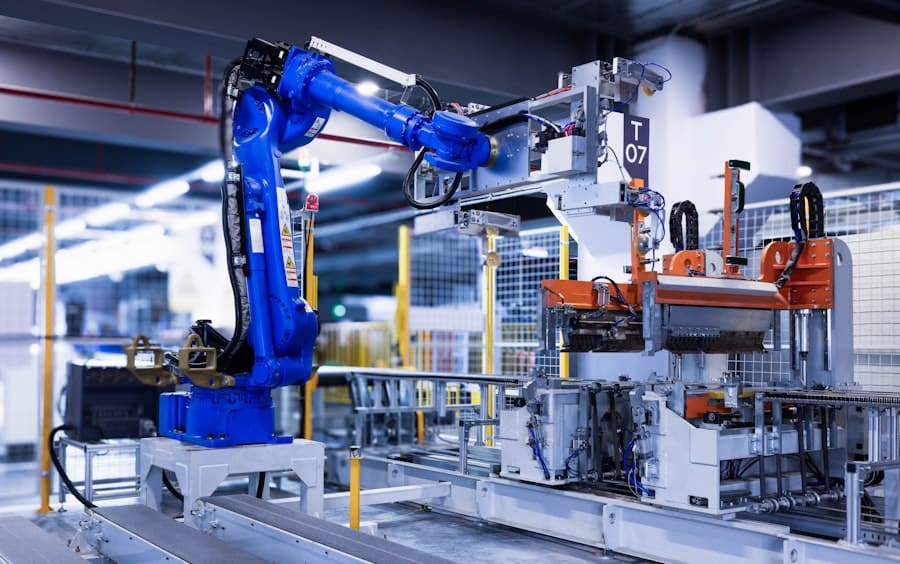
Bio-inspired robotics has found applications across a wide range of fields, addressing complex problems that traditional robotic systems struggle to solve. One notable area is disaster response, where bio-inspired robots can navigate through rubble and debris to locate survivors. For example, researchers have developed robotic systems modeled after the movement of snakes, which can slither through tight spaces and maneuver around obstacles with ease.
In agriculture, bio-inspired robotics is revolutionizing farming practices by introducing autonomous systems that mimic the behavior of pollinators. Drones designed to replicate the flight patterns of bees can efficiently pollinate crops, ensuring higher yields while reducing reliance on chemical pesticides.
These drones are equipped with advanced sensors and machine learning algorithms that enable them to identify flowers and optimize their pollination routes based on environmental conditions. This application not only enhances agricultural productivity but also contributes to the conservation of pollinator species by providing an alternative means of pollination.
Bio-Inspired Robotics in Medicine and Healthcare
The field of medicine has also benefited significantly from bio-inspired robotics, particularly in surgical procedures and rehabilitation. Surgical robots inspired by the dexterity of human hands or the precision of animal appendages are transforming how surgeries are performed. For instance, robotic systems modeled after octopus tentacles have been developed for minimally invasive surgeries.
These robots can navigate through small incisions with remarkable flexibility, allowing surgeons to perform complex procedures with greater precision and reduced recovery times for patients. In rehabilitation, bio-inspired robotics plays a crucial role in assisting individuals recovering from injuries or surgeries. Exoskeletons designed based on the biomechanics of human movement enable patients with mobility impairments to regain their ability to walk.
These robotic devices are equipped with sensors that detect the user’s intentions and adjust their movements accordingly, providing support while allowing for natural motion. By mimicking the way humans walk and move, these exoskeletons not only enhance physical rehabilitation but also improve the psychological well-being of patients by restoring their independence.
Bio-Inspired Robotics in Environmental Conservation
| Bio-Inspired Robot | Biological Inspiration | Complex Problem Addressed | Key Metrics | Impact |
|---|---|---|---|---|
| RoboBee | Honeybee flight mechanics | Pollination in agriculture | Weight: 80 mg; Wingbeat frequency: 120 Hz; Flight duration: 10 min | Enhances crop pollination in areas with declining bee populations |
| Salto-1P | Frog jumping dynamics | Search and rescue in rough terrain | Jump height: 1.2 m; Weight: 0.5 kg; Battery life: 15 min | Accesses hard-to-reach disaster zones quickly |
| Octopus-Inspired Soft Robot | Octopus arm flexibility | Underwater exploration and manipulation | Degrees of freedom: 8; Gripping force: 5 N; Operating depth: 100 m | Performs delicate tasks in complex underwater environments |
| Gecko-Inspired Climbing Robot | Gecko adhesive footpads | Inspection of vertical surfaces | Climbing speed: 0.3 m/s; Load capacity: 2 kg; Adhesion cycles: 1000+ | Enables maintenance and inspection of tall structures safely |
| Swarm Robotics System | Ant colony behavior | Distributed problem solving and mapping | Number of units: 50; Communication range: 10 m; Task completion time: 30 min | Improves efficiency in search, mapping, and resource allocation |
Environmental conservation is another critical area where bio-inspired robotics is making a significant impact. Robots designed to mimic animal behaviors are being deployed for wildlife monitoring and habitat preservation.
These bio-inspired drones can navigate through forests and other challenging terrains while capturing high-resolution images and videos for analysis. Additionally, bio-inspired robots are being developed for marine conservation efforts. Robotic systems that mimic the swimming patterns of marine animals are being used to monitor coral reefs and assess their health.
These underwater robots can collect data on water quality, temperature, and biodiversity while minimizing their impact on delicate ecosystems. By employing bio-inspired designs, these robots enhance our ability to understand and protect marine environments, contributing to global conservation efforts.
Challenges and Future of Bio-Inspired Robotics
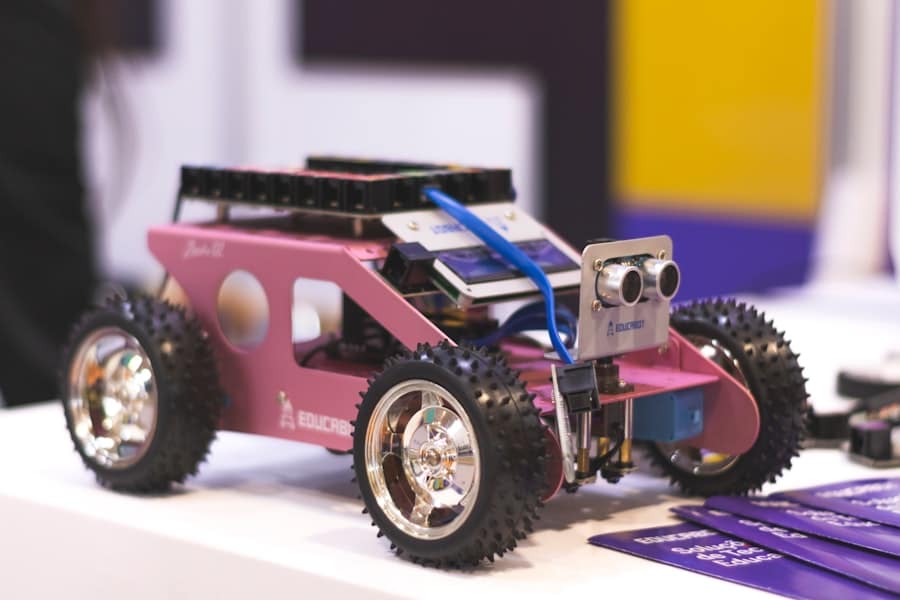
Despite the promising advancements in bio-inspired robotics, several challenges remain that researchers must address to fully realize its potential. One significant challenge is the complexity of replicating biological systems accurately. Nature has evolved intricate mechanisms over millions of years, and understanding these systems at a fundamental level is essential for successful biomimicry.
Researchers must delve into various disciplines such as biology, physics, and engineering to decode these mechanisms and translate them into functional robotic designs. Another challenge lies in the integration of artificial intelligence (AI) with bio-inspired robotics. While many bio-inspired robots exhibit remarkable physical capabilities, their decision-making processes often lag behind those of biological organisms.
Developing AI algorithms that can mimic the cognitive functions of animals—such as learning from experience or adapting to new environments—remains a significant hurdle. As AI technology continues to advance, integrating it with bio-inspired designs will be crucial for creating robots capable of autonomous operation in dynamic environments.
Ethical Considerations in Bio-Inspired Robotics
As bio-inspired robotics continues to evolve, ethical considerations surrounding its development and deployment become increasingly important. One primary concern is the potential impact on employment in sectors where robots may replace human labor. For instance, in agriculture or manufacturing, the introduction of autonomous systems could lead to job displacement for workers who rely on these industries for their livelihoods.
Addressing these concerns requires a thoughtful approach that balances technological advancement with social responsibility. Moreover, ethical dilemmas arise when considering the use of bio-inspired robots in sensitive environments such as wildlife habitats or human healthcare settings. The deployment of drones for wildlife monitoring must be conducted with care to avoid disturbing animal populations or disrupting ecosystems.
Similarly, in healthcare, ensuring patient privacy and consent when using robotic systems for rehabilitation or surgery is paramount. Establishing ethical guidelines and regulatory frameworks will be essential as bio-inspired robotics continues to advance and integrate into various aspects of society.
The Impact of Bio-Inspired Robotics on Solving Complex Problems
The impact of bio-inspired robotics on solving complex problems is profound and multifaceted. By drawing inspiration from nature’s designs, researchers are developing innovative solutions that address challenges across diverse fields such as disaster response, agriculture, medicine, and environmental conservation. The ability to mimic biological systems not only enhances robotic capabilities but also fosters a deeper understanding of the natural world.
As this field continues to evolve, it holds immense potential for transforming industries and improving quality of life. However, navigating the associated challenges and ethical considerations will be crucial for ensuring that bio-inspired robotics serves humanity positively and sustainably. The journey ahead promises exciting advancements as we continue to learn from nature’s ingenuity while harnessing technology’s power for a better future.
In exploring the fascinating world of bio-inspired robotics and their ability to tackle complex problems, one might also find interest in the article on the best software for NDIS providers, which discusses innovative tools that can enhance service delivery and efficiency. This connection highlights how advancements in technology, whether in robotics or software, are paving the way for more effective solutions across various fields. For more information, you can read the article here.
FAQs
What are bio-inspired robotics?
Bio-inspired robotics are robots designed based on principles and mechanisms observed in biological systems. These robots mimic the structure, function, and behavior of living organisms to improve efficiency, adaptability, and problem-solving capabilities.
How do bio-inspired robots solve complex problems?
Bio-inspired robots solve complex problems by leveraging natural strategies such as swarm intelligence, adaptive movement, and sensory integration. These approaches allow robots to navigate challenging environments, perform intricate tasks, and collaborate effectively in dynamic situations.
What are some examples of bio-inspired robotics applications?
Applications include search and rescue missions using robots modeled after insects or animals, medical robots that mimic human anatomy for minimally invasive surgery, and environmental monitoring robots inspired by aquatic creatures to explore underwater ecosystems.
What advantages do bio-inspired robots have over traditional robots?
Bio-inspired robots often exhibit greater flexibility, adaptability, and energy efficiency. Their designs enable them to operate in unstructured environments, handle unexpected obstacles, and perform tasks that require delicate or complex movements.
What biological systems are commonly studied for bio-inspired robotics?
Researchers commonly study insects, birds, fish, mammals, and plants to understand locomotion, sensory processing, and communication. For example, the flight of birds inspires drone design, while the collective behavior of ants informs swarm robotics.
Are bio-inspired robots autonomous?
Many bio-inspired robots incorporate autonomous features, allowing them to make decisions and adapt to their environment without human intervention. Autonomy levels vary depending on the application and complexity of the robot.
What challenges exist in developing bio-inspired robotics?
Challenges include replicating complex biological functions accurately, integrating sensors and actuators effectively, managing energy consumption, and ensuring robustness in diverse environments.
How is artificial intelligence used in bio-inspired robotics?
Artificial intelligence enhances bio-inspired robotics by enabling learning, decision-making, and adaptation. AI algorithms help robots interpret sensory data, optimize movements, and coordinate actions in real-time.
Can bio-inspired robotics impact industries beyond robotics?
Yes, bio-inspired robotics influence fields such as medicine, agriculture, environmental science, and manufacturing by providing innovative tools and solutions inspired by nature’s efficiency and resilience.
What is the future outlook for bio-inspired robotics?
The future of bio-inspired robotics is promising, with ongoing advancements in materials science, AI, and biomechanics expected to produce more sophisticated, efficient, and versatile robots capable of addressing increasingly complex challenges.