


The logistics industry has undergone a significant transformation in recent years, driven by advancements in technology and the increasing complexity of global supply chains. Artificial Intelligence (AI) has emerged as a pivotal force in this evolution, offering innovative solutions that enhance efficiency, reduce costs, and improve service delivery. By leveraging vast amounts of data, AI systems can analyze patterns, predict outcomes, and automate processes, thereby revolutionizing traditional logistics operations.
The integration of AI into logistics is not merely a trend; it represents a fundamental shift in how businesses manage their supply chains and respond to market demands. As companies strive to remain competitive in an ever-evolving landscape, the adoption of AI technologies has become imperative. From optimizing routes for delivery trucks to predicting equipment failures before they occur, AI applications are reshaping the logistics sector.
The potential benefits are immense, including reduced operational costs, improved customer satisfaction, and enhanced sustainability efforts. As we delve deeper into the various applications of AI in logistics, it becomes clear that these technologies are not just tools for efficiency; they are catalysts for innovation that can lead to a more sustainable future for the industry.
Key Takeaways
- AI enhances logistics efficiency through route optimization and demand forecasting.
- Predictive maintenance powered by AI reduces downtime and operational costs.
- AI-enabled inventory management improves stock accuracy and reduces waste.
- Autonomous vehicles driven by AI contribute to safer and more efficient transport.
- AI-based energy efficiency supports lower emissions and sustainable logistics practices.
AI-powered Route Optimization
One of the most impactful applications of AI in logistics is route optimization. Traditional methods of route planning often rely on static algorithms that do not account for real-time variables such as traffic conditions, weather changes, or last-minute delivery requests. In contrast, AI-powered systems utilize machine learning algorithms to analyze vast datasets and generate optimal routes that adapt dynamically to changing conditions.
For instance, companies like UPS have implemented AI-driven route optimization tools that have significantly reduced fuel consumption and delivery times by analyzing historical traffic patterns and current road conditions. Moreover, AI can enhance route optimization by incorporating predictive analytics. By examining historical data and identifying trends, AI systems can forecast potential delays and suggest alternative routes before issues arise.
This proactive approach not only improves efficiency but also enhances customer satisfaction by ensuring timely deliveries. For example, a logistics company might use AI to predict peak traffic times in urban areas and adjust delivery schedules accordingly, thereby minimizing delays and improving overall service quality.
Predictive Maintenance with AI
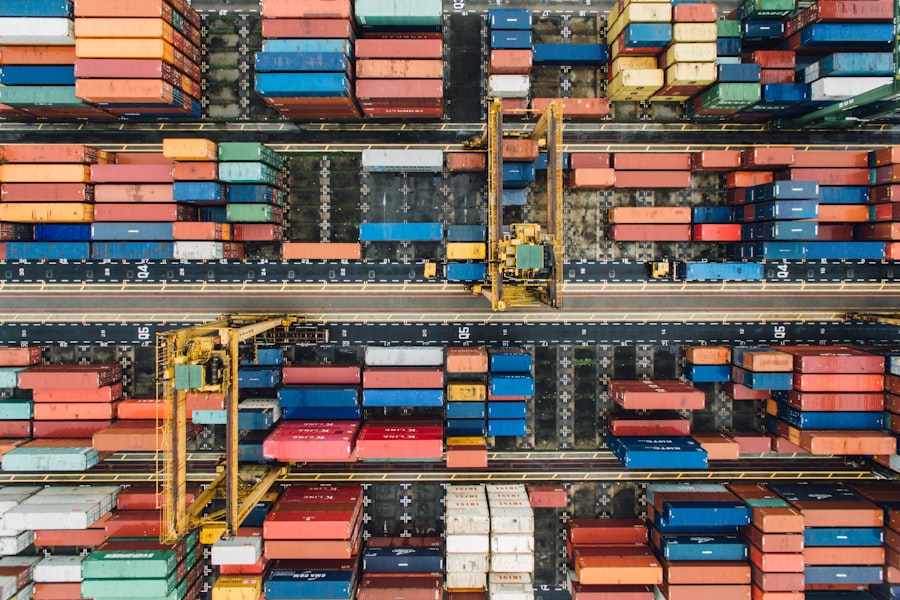
Predictive maintenance is another area where AI is making significant strides in logistics. Traditional maintenance schedules often rely on fixed intervals or reactive measures after equipment failures occur. However, this approach can lead to unnecessary downtime and increased operational costs.
AI-driven predictive maintenance leverages data from sensors embedded in machinery and vehicles to monitor their condition in real-time. By analyzing this data, AI systems can identify patterns that indicate potential failures before they happen. For instance, a fleet management company might use AI algorithms to analyze engine performance data from its trucks.
If the system detects anomalies such as unusual vibrations or temperature fluctuations, it can alert maintenance teams to address the issue before it leads to a breakdown. This not only reduces repair costs but also minimizes disruptions in the supply chain. Companies like DHL have successfully implemented predictive maintenance strategies that have resulted in significant cost savings and improved fleet reliability.
AI-enabled Inventory Management
Inventory management is a critical component of logistics that directly impacts operational efficiency and customer satisfaction. Traditional inventory management practices often rely on manual processes and historical sales data, which can lead to inaccuracies and stockouts. AI-enabled inventory management systems utilize advanced algorithms to analyze real-time data from various sources, including sales trends, seasonal fluctuations, and market demand.
This allows businesses to maintain optimal inventory levels while minimizing excess stock. For example, retailers can use AI to predict which products are likely to be in high demand during specific seasons or promotional events. By accurately forecasting demand, companies can adjust their inventory levels accordingly, reducing the risk of overstocking or stockouts.
Additionally, AI can automate reordering processes by triggering orders based on predefined thresholds, ensuring that inventory levels remain consistent without manual intervention. This level of automation not only streamlines operations but also frees up valuable resources that can be redirected toward more strategic initiatives.
AI-driven Demand Forecasting
| Metric | Description | Impact of AI Optimization | Example Value |
|---|---|---|---|
| Fuel Consumption Reduction | Decrease in fuel used by logistics vehicles due to optimized routing and load management | 10-25% reduction | 15% average fuel savings |
| CO2 Emissions Reduction | Lower carbon dioxide emissions resulting from efficient transportation and reduced idle times | 12-30% reduction | 20% average emissions cut |
| Route Optimization Efficiency | Improvement in delivery route planning to minimize distance and time | 15-40% improvement | 25% shorter routes |
| Load Utilization Rate | Percentage of vehicle capacity effectively used to reduce number of trips | 5-20% increase | 12% higher load utilization |
| Idle Time Reduction | Decrease in vehicle idle time through predictive maintenance and scheduling | 10-35% reduction | 22% less idle time |
| Delivery Time Accuracy | Improvement in on-time delivery rates due to AI-driven forecasting and scheduling | 5-15% increase | 10% better delivery accuracy |
Accurate demand forecasting is essential for effective supply chain management, yet it remains one of the most challenging aspects of logistics. Traditional forecasting methods often rely on historical sales data and simplistic models that may not account for external factors such as economic shifts or changing consumer preferences. AI-driven demand forecasting leverages machine learning algorithms to analyze vast datasets from multiple sources, including social media trends, economic indicators, and weather patterns.
By employing these advanced techniques, businesses can achieve a higher level of accuracy in their demand predictions. For instance, a beverage company might use AI to analyze social media sentiment regarding its products during summer months to anticipate spikes in demand. This allows the company to adjust production schedules and distribution plans proactively.
AI-powered Autonomous Vehicles
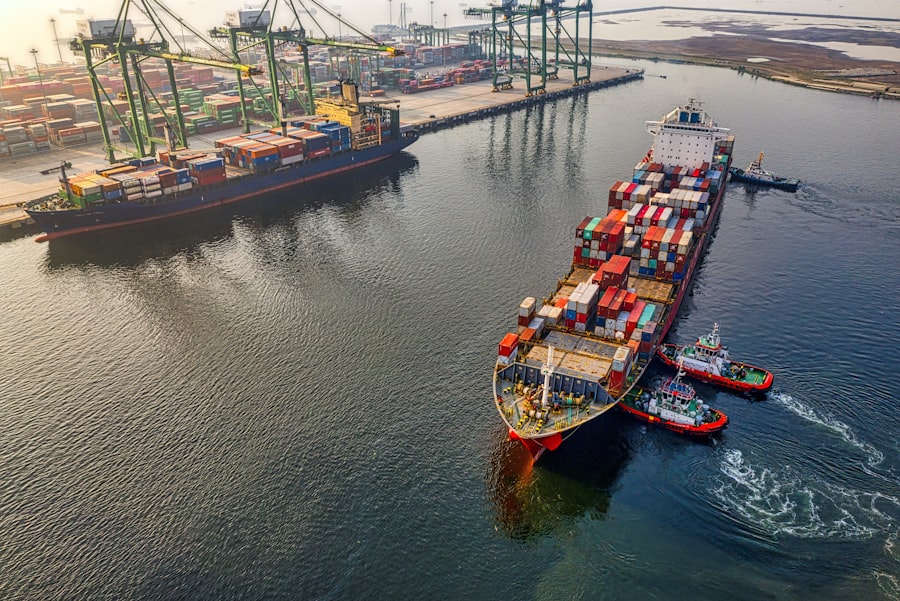
The advent of autonomous vehicles represents one of the most exciting developments in logistics powered by AI technology. Self-driving trucks and drones have the potential to revolutionize last-mile delivery and long-haul transportation by reducing labor costs and increasing efficiency. Companies like Waymo and Tesla are at the forefront of developing autonomous vehicle technology that can navigate complex urban environments while adhering to traffic regulations.
The integration of AI into autonomous vehicles goes beyond navigation; it also encompasses safety features that enhance operational reliability. For example, AI systems can process data from various sensors to detect obstacles, pedestrians, and other vehicles in real-time, allowing for quick decision-making that prioritizes safety. As these technologies continue to evolve, they promise to reshape the logistics landscape by enabling faster deliveries and reducing reliance on human drivers.
AI-based Energy Efficiency
In an era where sustainability is paramount, AI is playing a crucial role in enhancing energy efficiency within logistics operations. Transportation is one of the largest contributors to greenhouse gas emissions globally, making it essential for logistics companies to adopt greener practices. AI technologies can optimize fuel consumption by analyzing driving patterns and suggesting more efficient routes or driving behaviors.
By providing insights into these inefficiencies, companies can implement strategies such as route adjustments or driver training programs focused on eco-friendly driving techniques. Additionally, AI can assist in optimizing warehouse energy usage by analyzing patterns in lighting and heating needs based on occupancy levels and operational schedules.
The Future of AI in Logistics for Lower Emissions
As we look toward the future of logistics, it is evident that the integration of AI technologies will play a pivotal role in shaping a more efficient and sustainable industry. The applications discussed—route optimization, predictive maintenance, inventory management, demand forecasting, autonomous vehicles, and energy efficiency—illustrate the transformative potential of AI in addressing some of the most pressing challenges faced by logistics companies today. The ongoing development of these technologies will not only enhance operational efficiency but also contribute significantly to reducing emissions across the supply chain.
As businesses increasingly prioritize sustainability alongside profitability, the role of AI will become even more critical in driving innovations that align with environmental goals. The future of logistics is not just about moving goods; it is about doing so in a way that minimizes our impact on the planet while meeting the demands of an ever-evolving marketplace.
In exploring the impact of artificial intelligence on logistics and its potential to reduce emissions, it’s also insightful to consider the broader implications of technology in various sectors. For instance, the article on marketing technologies for 2023 discusses how advancements in AI are shaping marketing strategies, which can indirectly influence logistics by optimizing supply chains and reducing waste. You can read more about it in this article: What Are the Marketing Technologies for 2023?.
FAQs
What is the role of artificial intelligence in logistics?
Artificial intelligence (AI) in logistics involves using advanced algorithms and machine learning to optimize supply chain operations, including route planning, inventory management, and demand forecasting, leading to increased efficiency and reduced operational costs.
How does AI help reduce emissions in logistics?
AI helps reduce emissions by optimizing delivery routes to minimize fuel consumption, improving load management to maximize vehicle capacity, and enabling predictive maintenance to ensure vehicles operate efficiently, all of which contribute to lower greenhouse gas emissions.
Can AI improve fuel efficiency in transportation?
Yes, AI can analyze traffic patterns, weather conditions, and vehicle performance data to recommend the most fuel-efficient routes and driving behaviors, thereby improving fuel efficiency and reducing emissions.
What types of AI technologies are used in logistics optimization?
Common AI technologies used in logistics include machine learning, predictive analytics, computer vision, and natural language processing, which help in demand forecasting, route optimization, warehouse automation, and real-time decision-making.
Is AI implementation in logistics cost-effective?
While initial investment in AI technology can be significant, the long-term benefits such as reduced fuel costs, improved delivery times, and lower emissions often result in cost savings and a positive return on investment.
How does AI contribute to sustainable supply chain management?
AI enables more accurate demand forecasting, efficient resource allocation, and optimized transportation routes, which reduce waste, energy consumption, and emissions, supporting more sustainable supply chain practices.
Are there any challenges in using AI for emission reduction in logistics?
Challenges include data quality and availability, integration with existing systems, high initial costs, and the need for skilled personnel to manage AI tools effectively.
Can AI be used to monitor and report emissions in logistics?
Yes, AI-powered systems can track fuel usage, vehicle performance, and route efficiency in real-time, providing detailed emissions data that helps companies monitor their environmental impact and comply with regulations.
What industries benefit most from AI-driven logistics optimization?
Industries such as retail, manufacturing, e-commerce, and transportation benefit significantly from AI-driven logistics optimization due to their complex supply chains and high transportation demands.
How does AI impact delivery speed and customer satisfaction?
By optimizing routes and improving inventory management, AI reduces delivery times and increases reliability, which enhances customer satisfaction while simultaneously lowering emissions.